
Liposuctionin Dallas
Removes stubborn fat from the abdomen, flanks, thighs, arms and more, using tumescent or VASER liposuction.
Removing Fat That
Diet and Exercise Won't.
Some fat stays put however disciplined your diet and exercise: a pocket on the abdomen, the flanks or the thighs that won't go. Diet and exercise can't choose where fat comes off. Liposuction can. It removes fat from the areas you want changed, so it changes your shape rather than your weight.
Dr. Schwartz was the first surgeon in Dallas trained in VASER Hi Def. He uses VASER ultrasound to emulsify the fat first, so it comes out more gently, and then removes it with Vibrasat's oscillating cannulas. Together they remove fat more thoroughly and with significantly less trauma to the surrounding tissues than traditional methods.
The Procedure
Liposuction suits people near their goal weight who have stubborn, localized fat. Dr. Schwartz treats areas including the abdomen, flanks, thighs and the area under the chin (submental region), after looking at how your fat is distributed and the quality of your skin. The aim is a natural, balanced shape.
Dr. Schwartz uses the tumescent technique: before removing any fat, he fills the area with a solution of local anesthetic and epinephrine. It reduces bleeding and firms the fat, which makes it easier to remove evenly.
Dr. Schwartz often combines VASER ultrasound with the Vibrasat Pro power-assisted system. The ultrasound emulsifies the fat and brings out natural muscle definition (this is VASER Hi Def); the vibrating cannulas then remove the fat gently. The result is a smoother, more athletic contour, with significantly less trauma to the surrounding tissues.
Liposuction is usually done under general anesthesia; local anesthesia with sedation is an option for small areas. Dr. Schwartz makes very small incisions and closes them with dissolving stitches and skin glue, so there are no stitches to remove.
Liposuction is often added to a tummy tuck or mommy makeover to blend the edges of the treated area into the rest of the body. Dr. Schwartz can also purify the fat he removes and transfer it to areas that need volume, such as the breasts or buttocks.
Most patients are back at office work within 3 to 5 days and can drive after one week. You wear a compression garment for three to six weeks to control swelling and support the new shape while the tissues heal.
Contouring Portfolio
Drag the handle to compare.
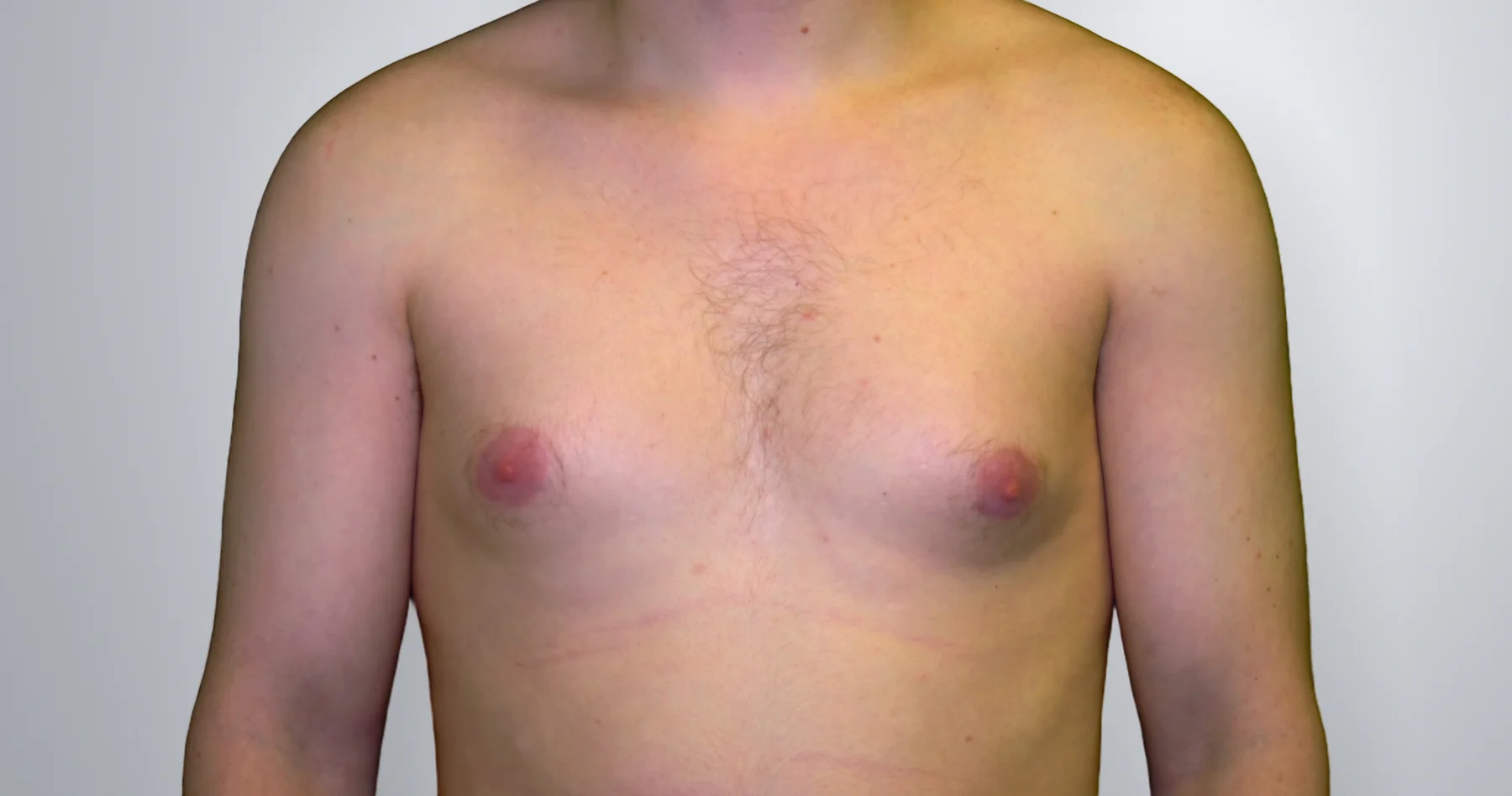
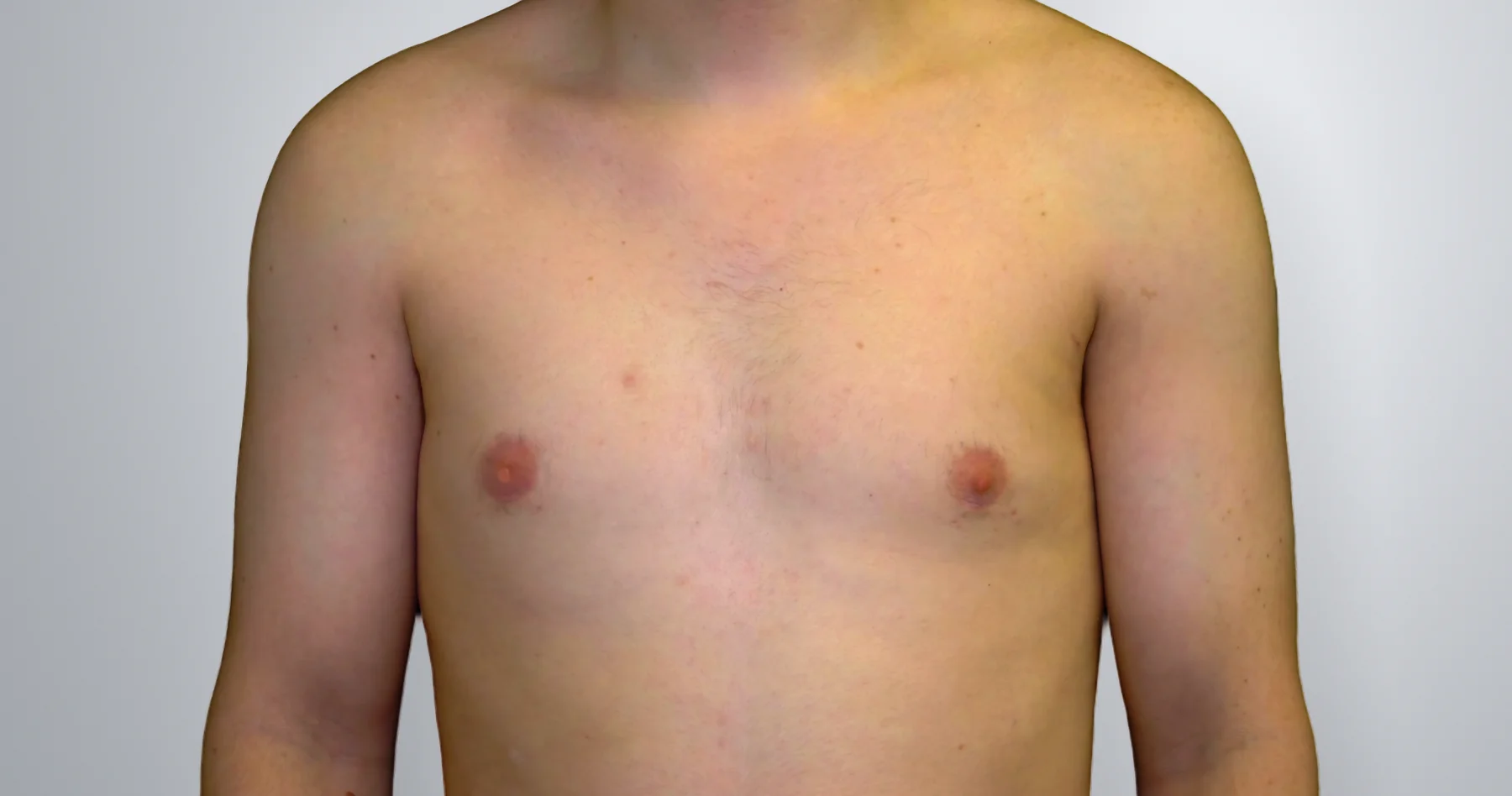
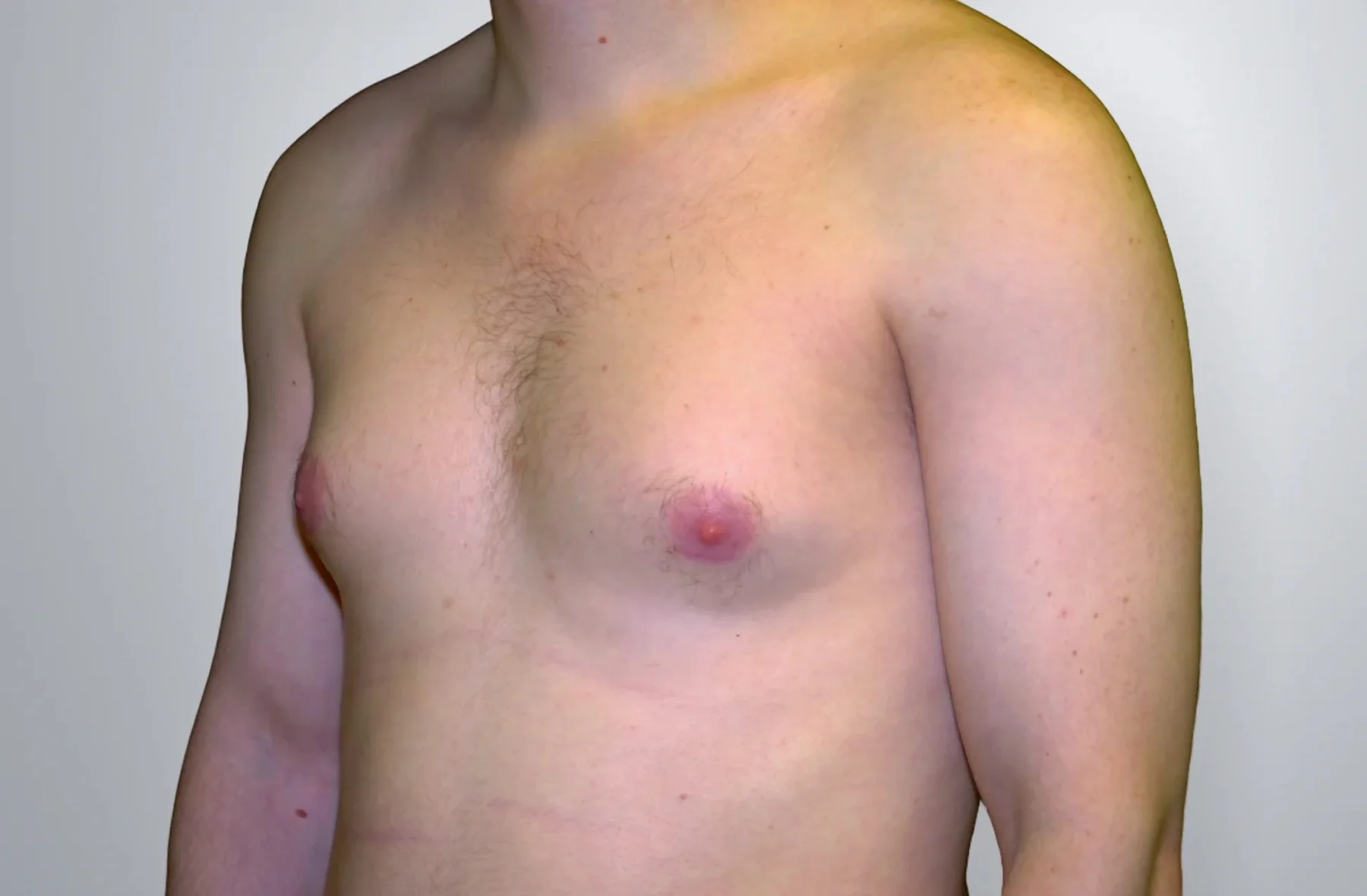
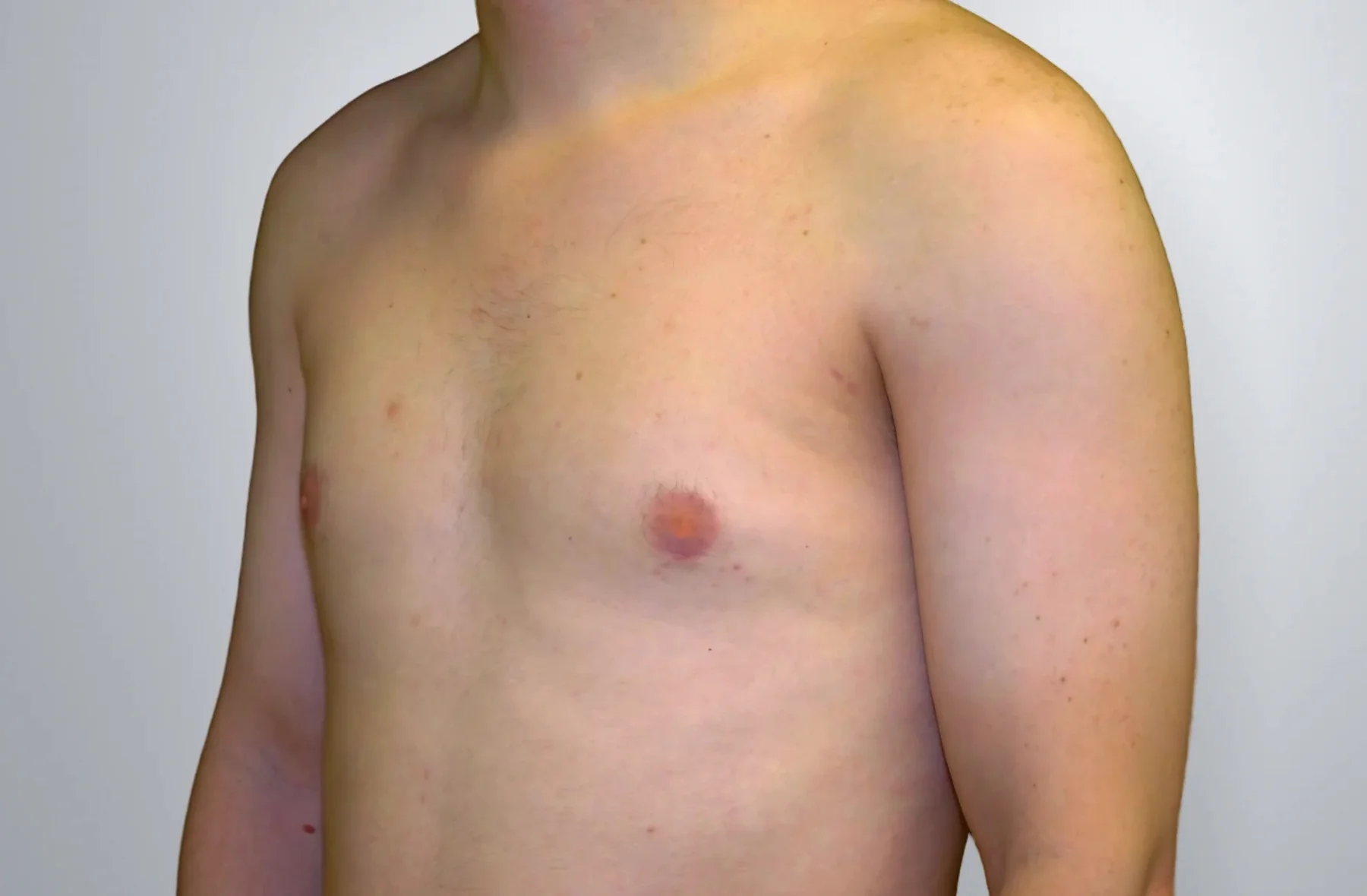
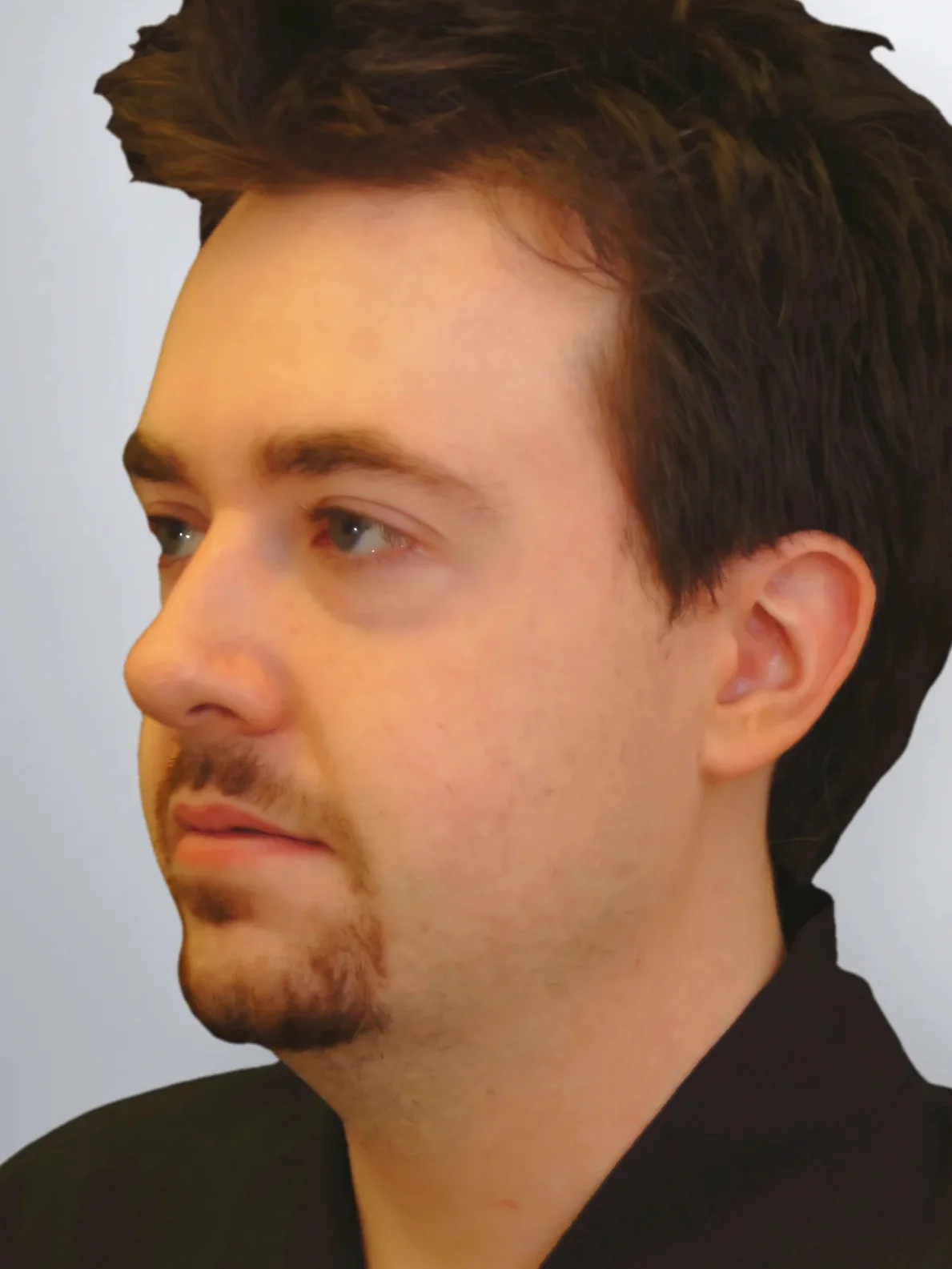
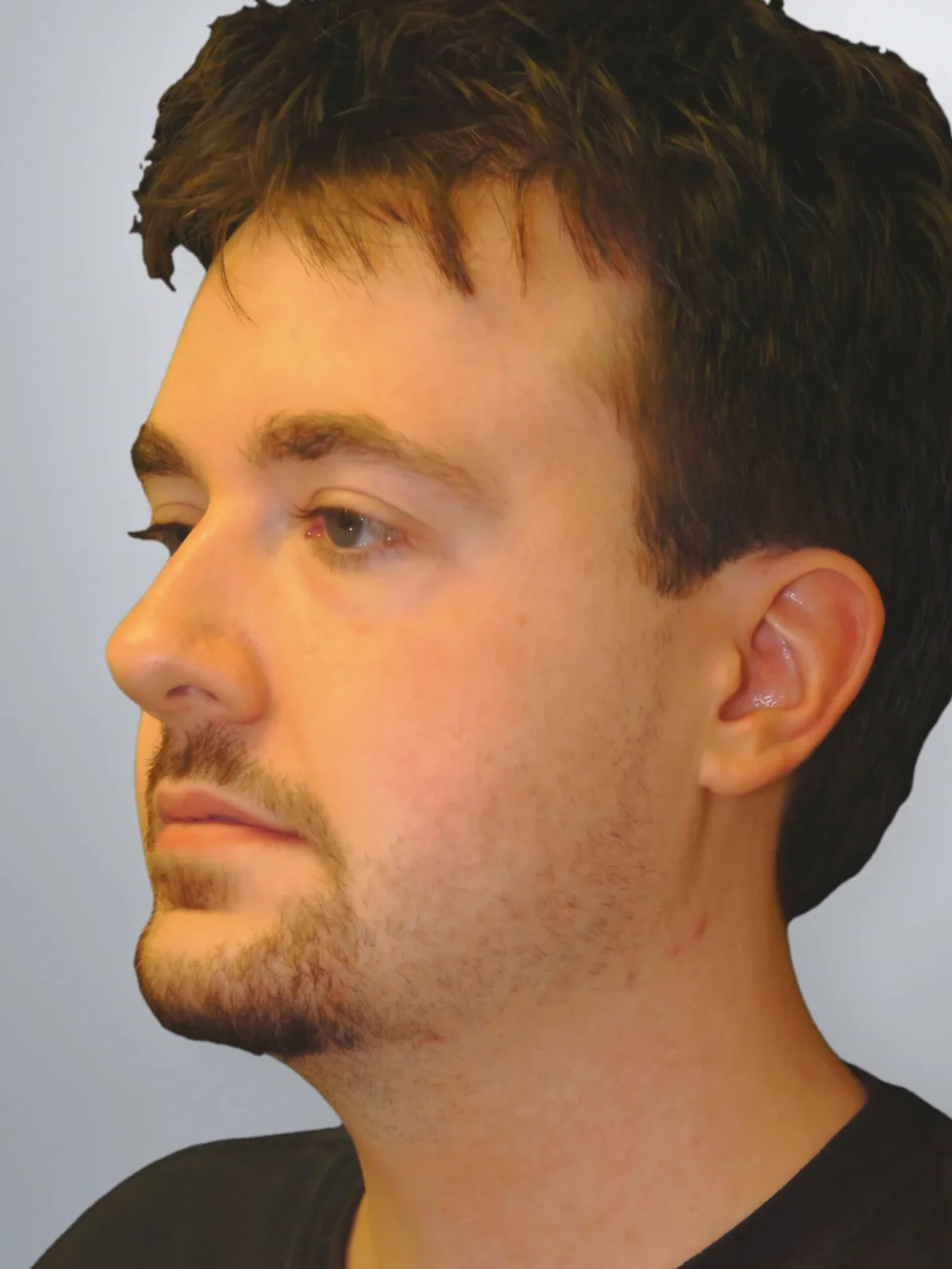
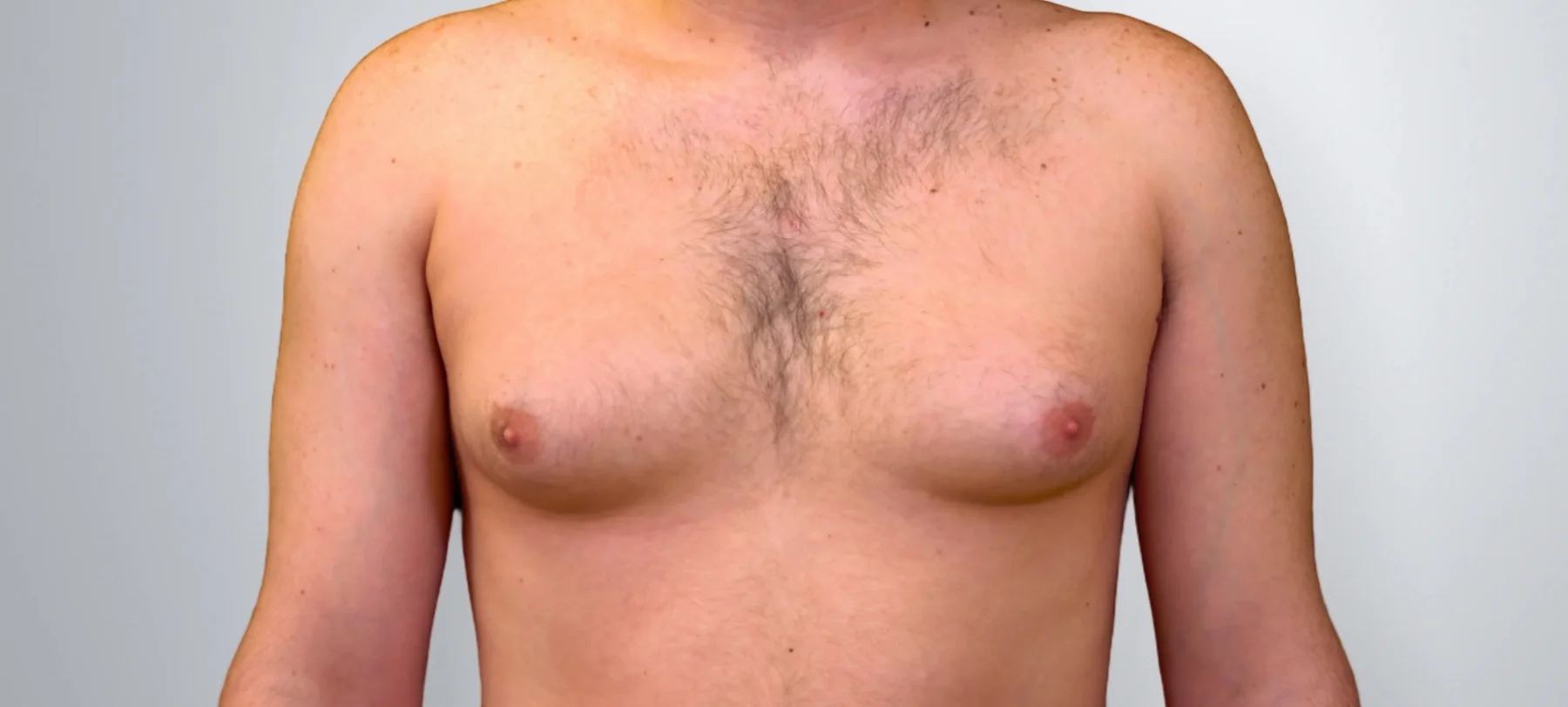
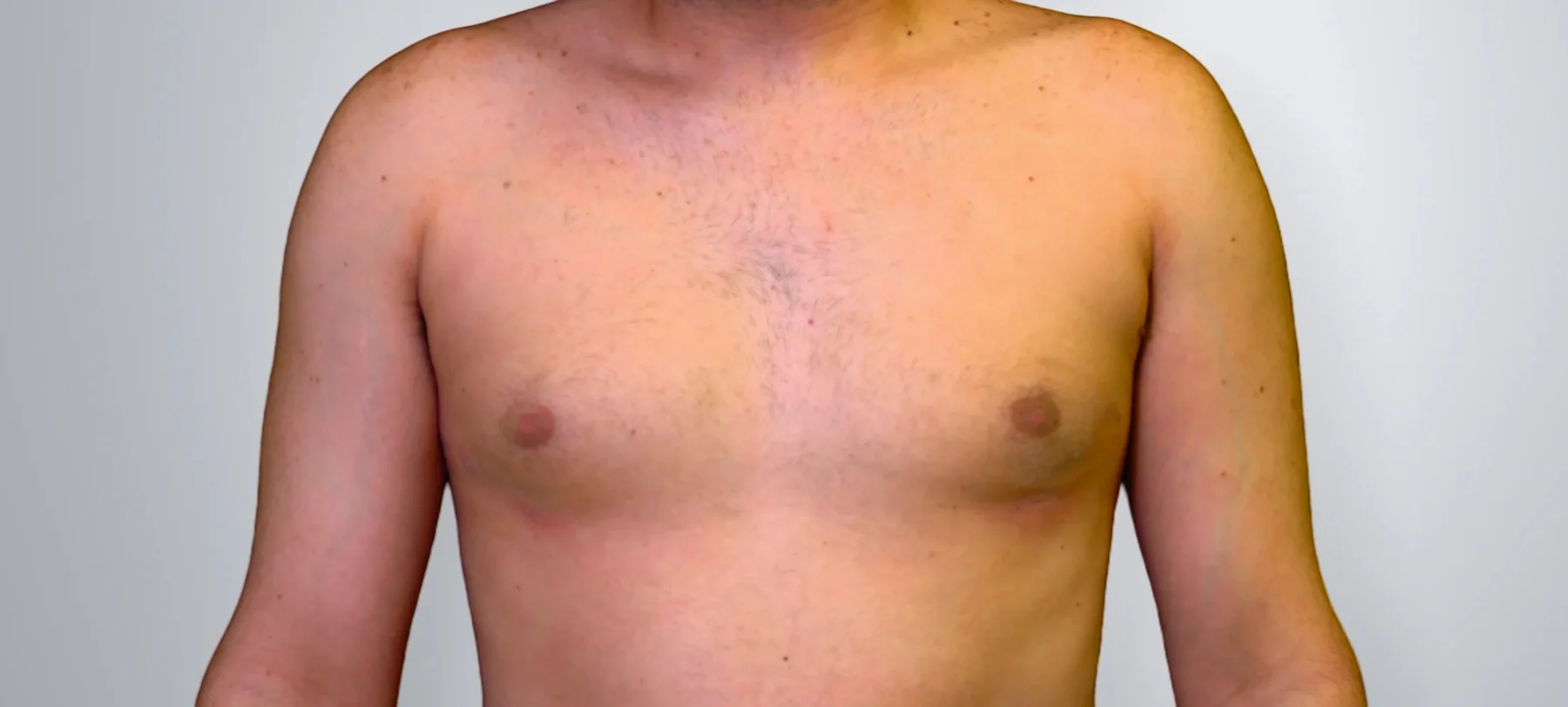
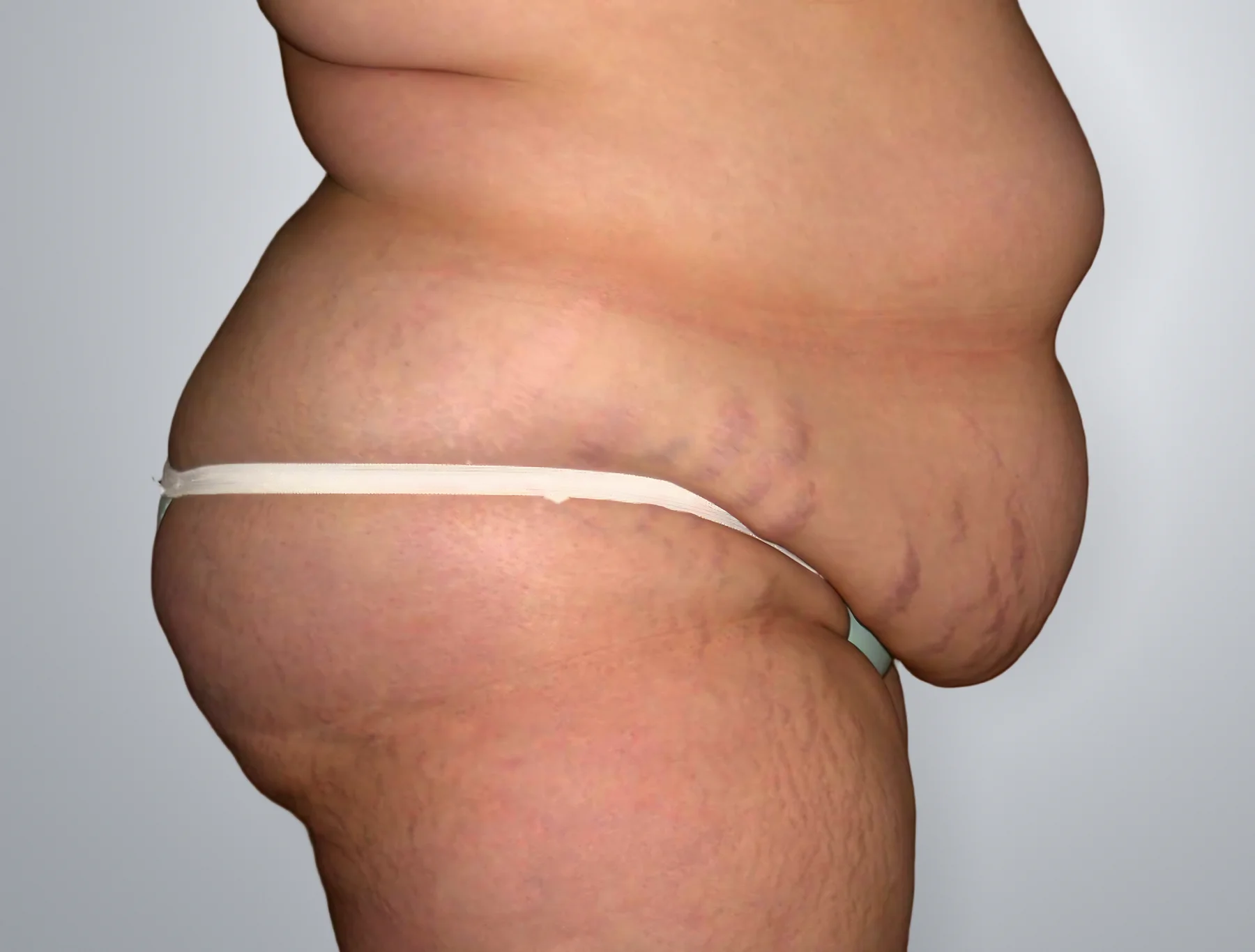
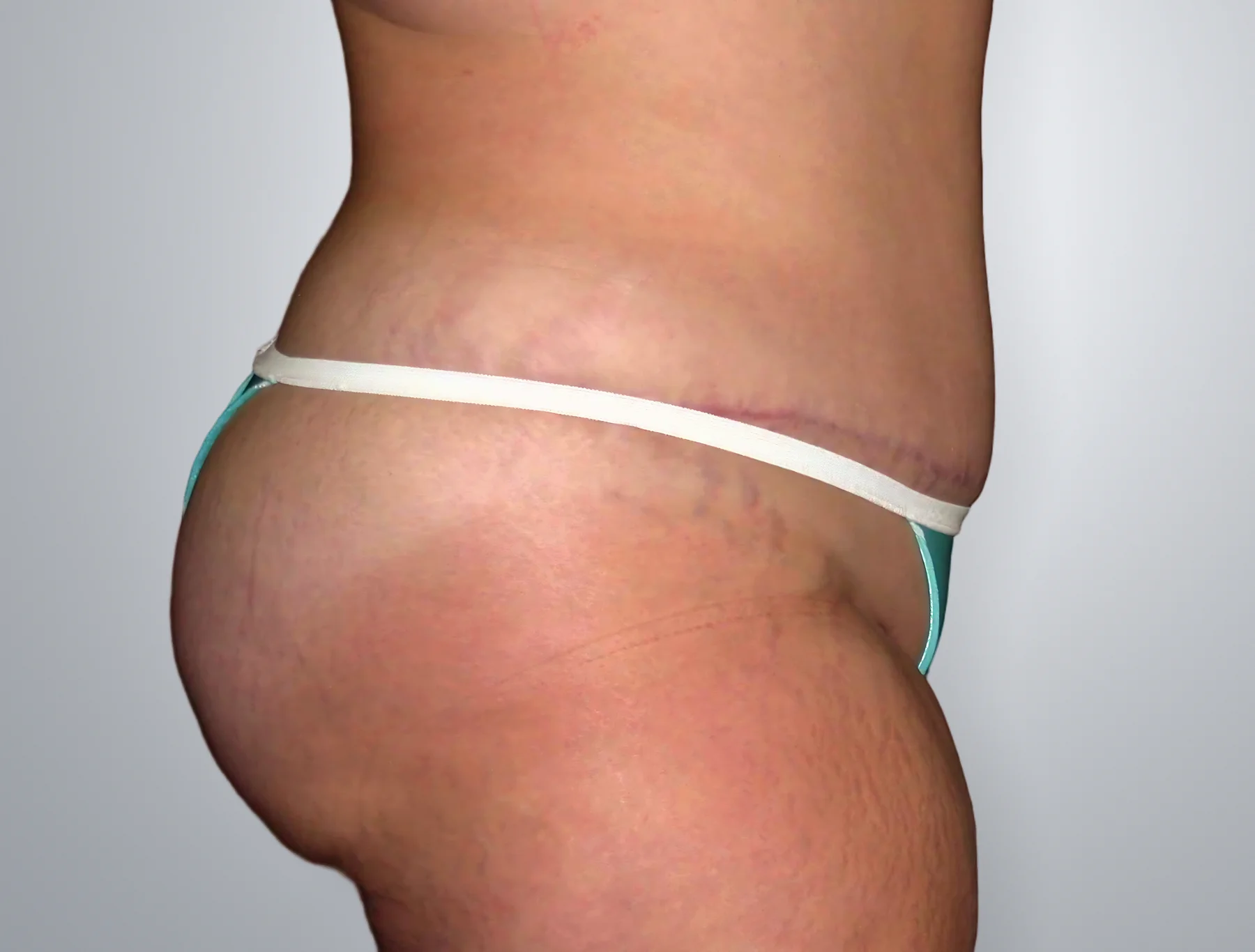
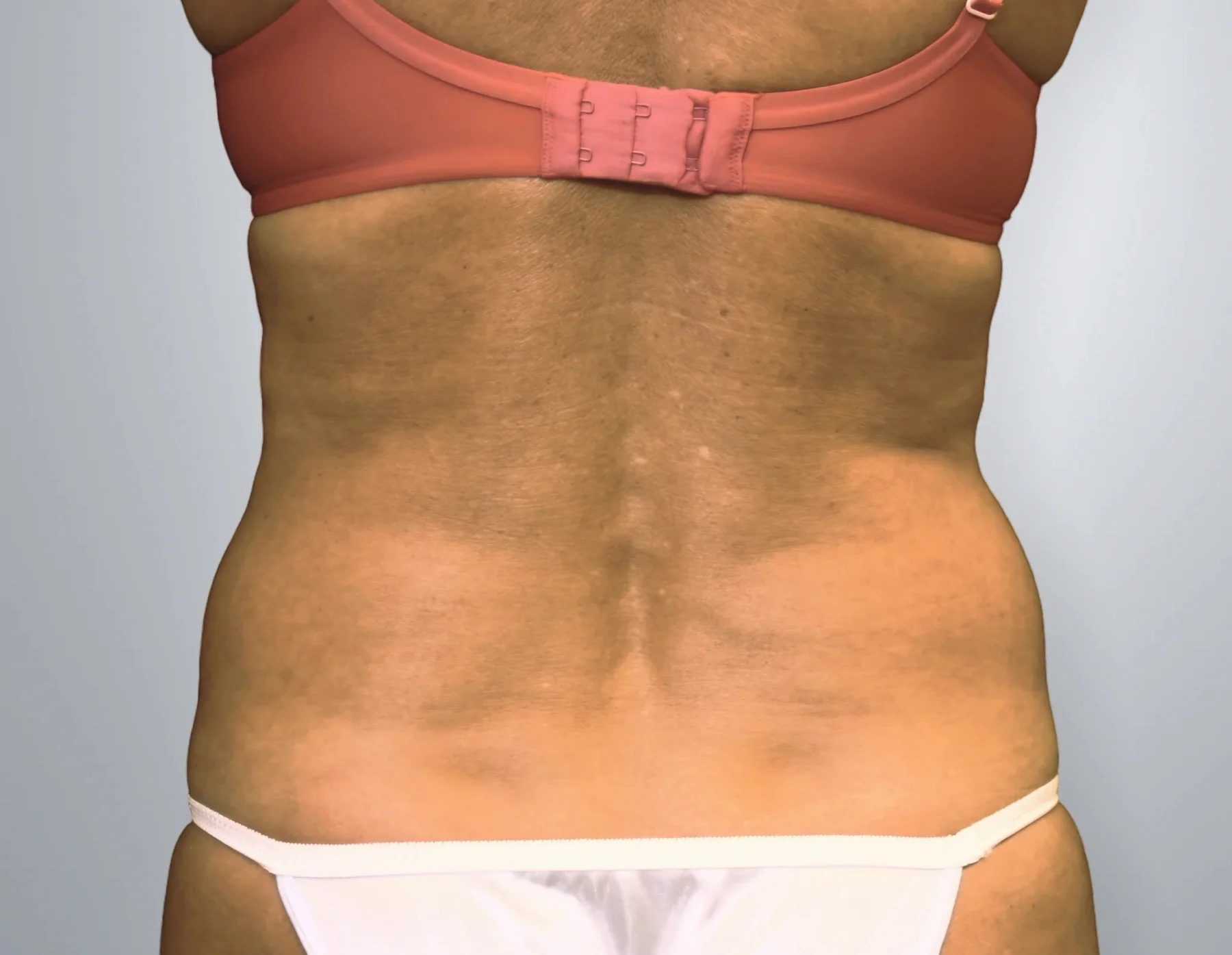
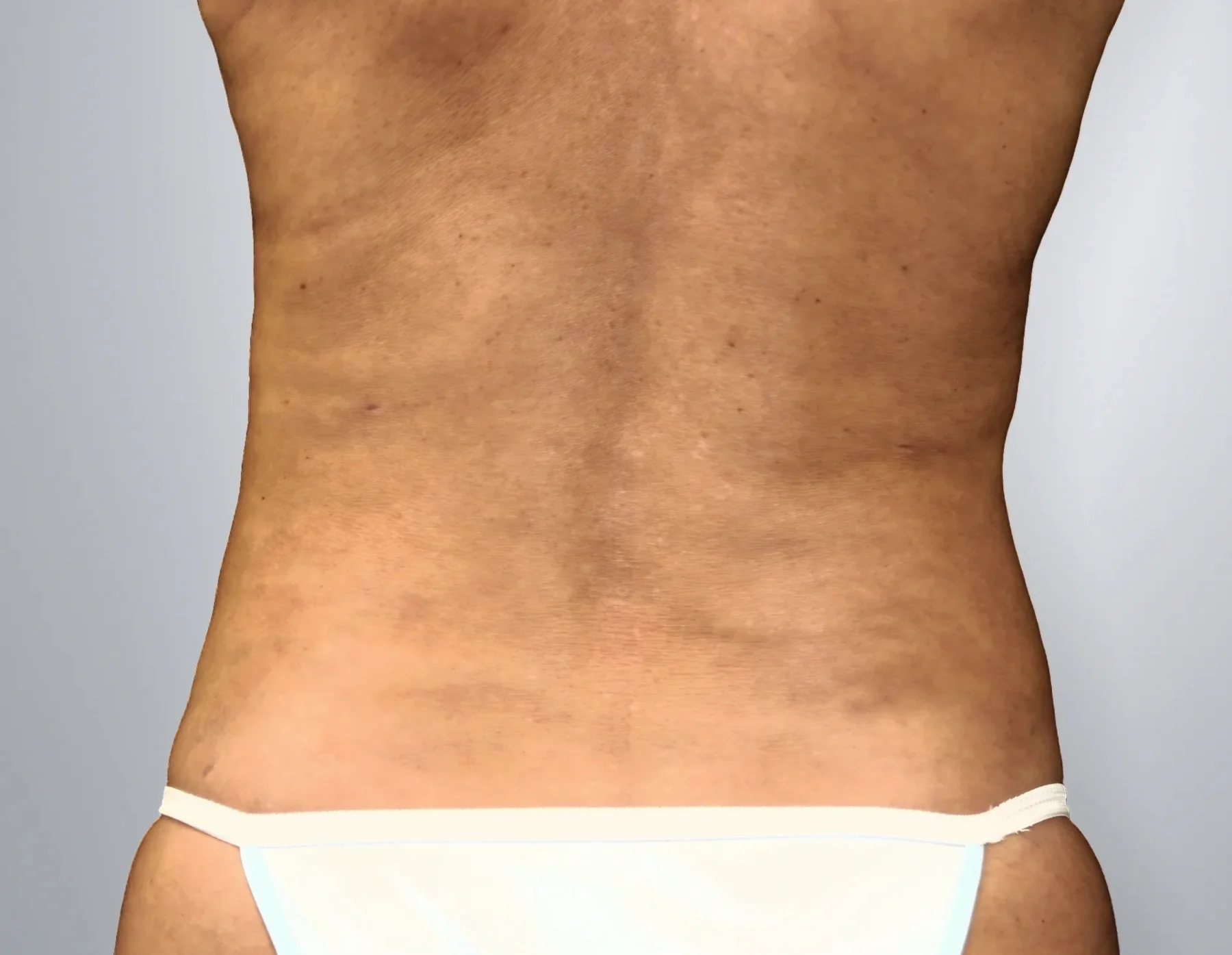
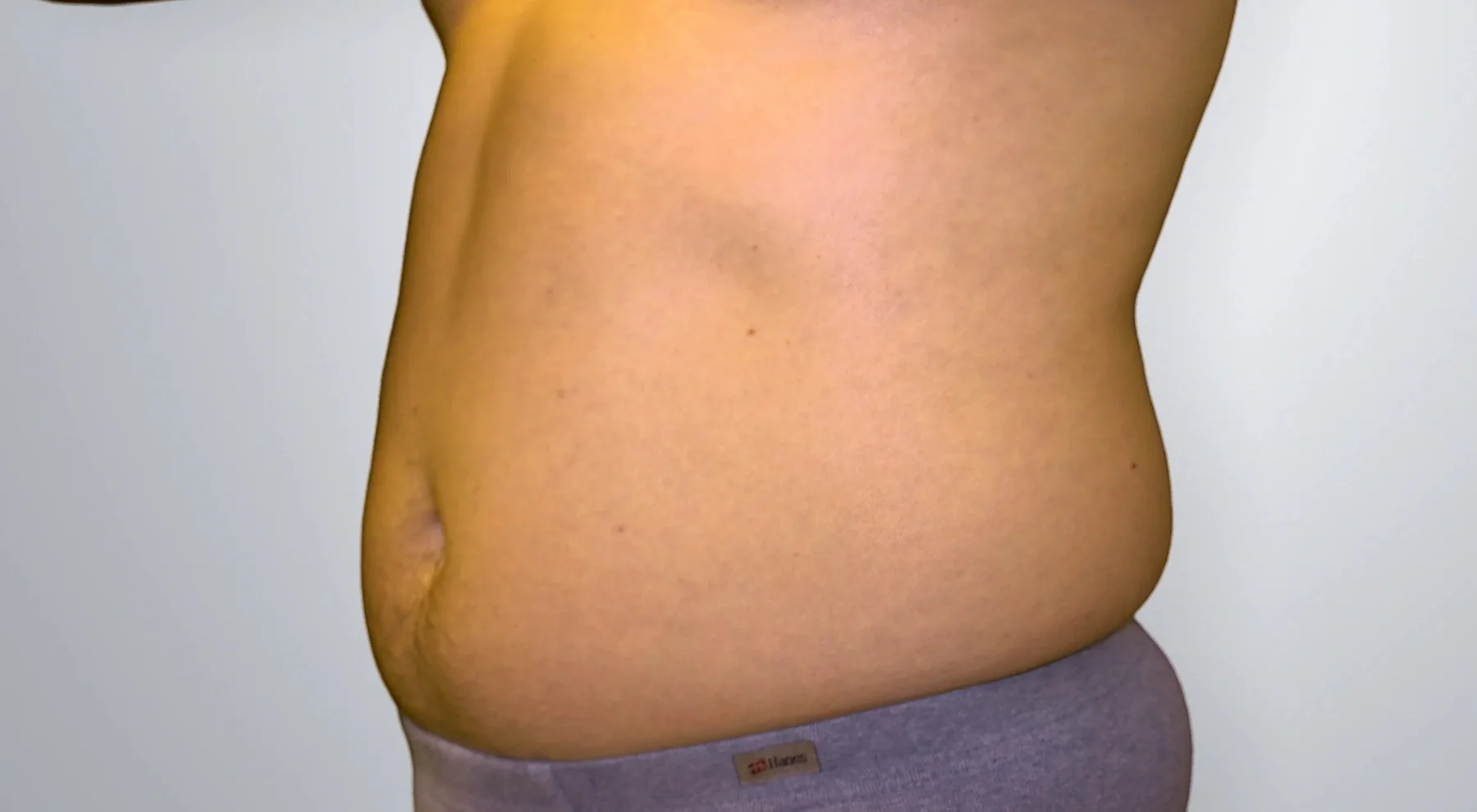
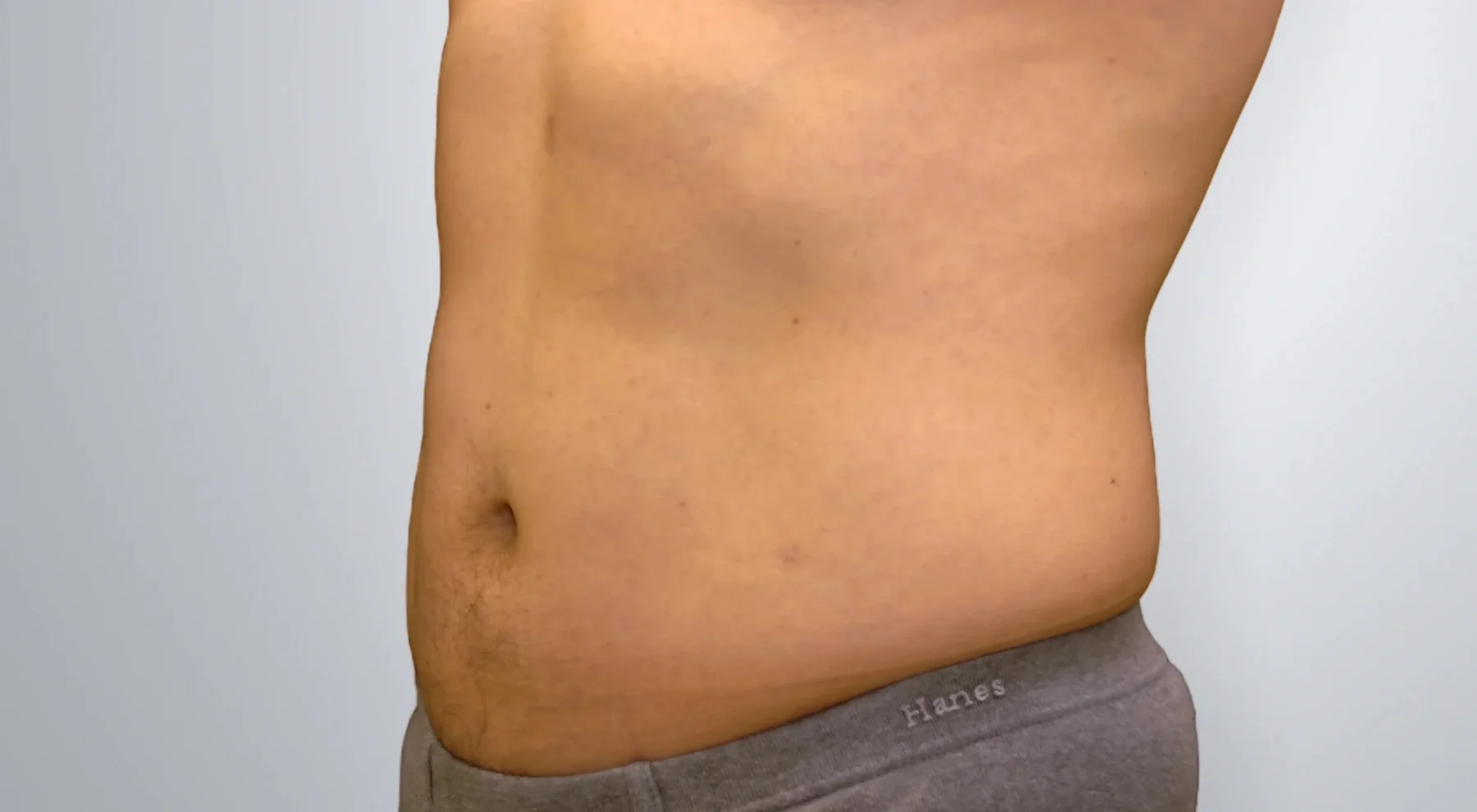
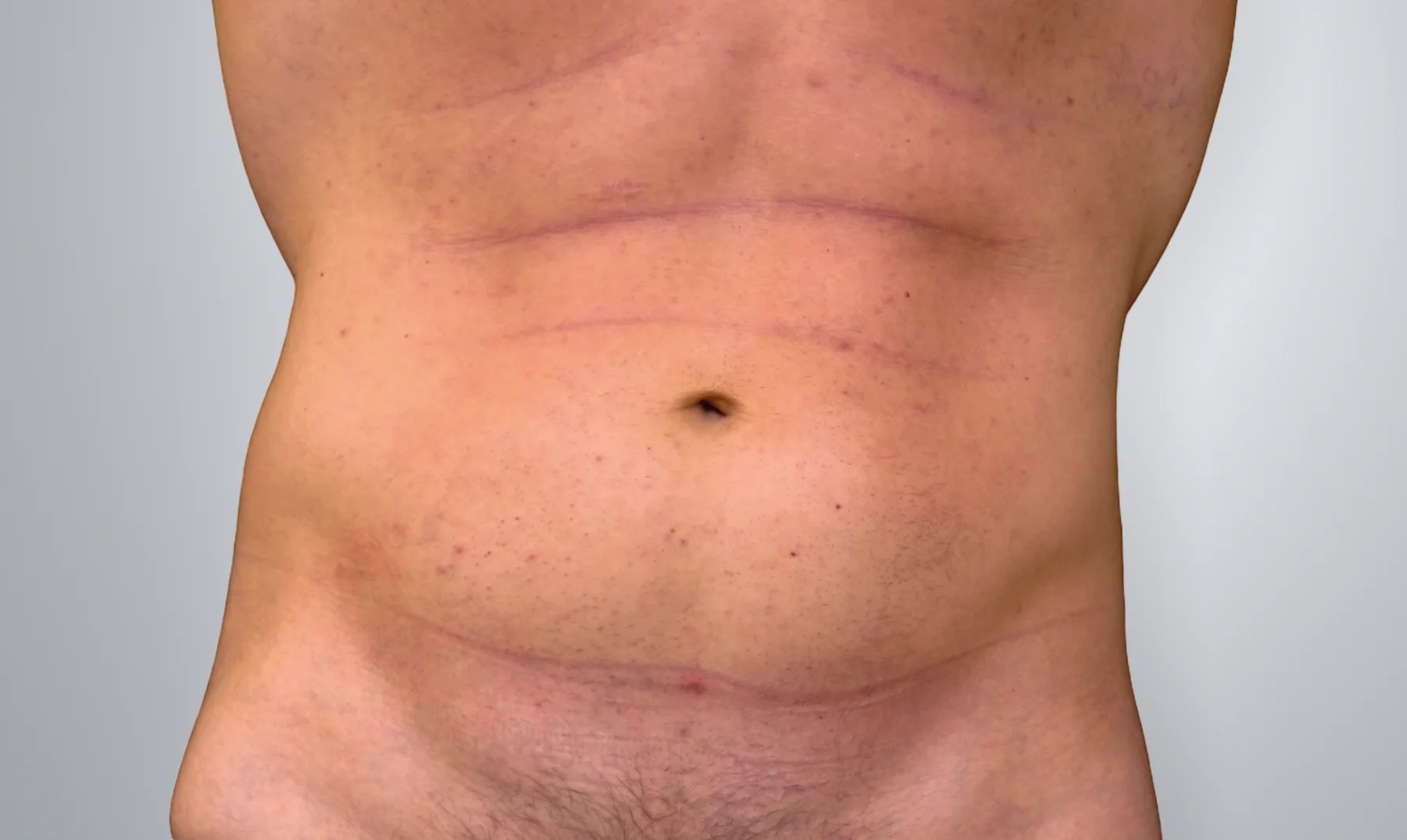
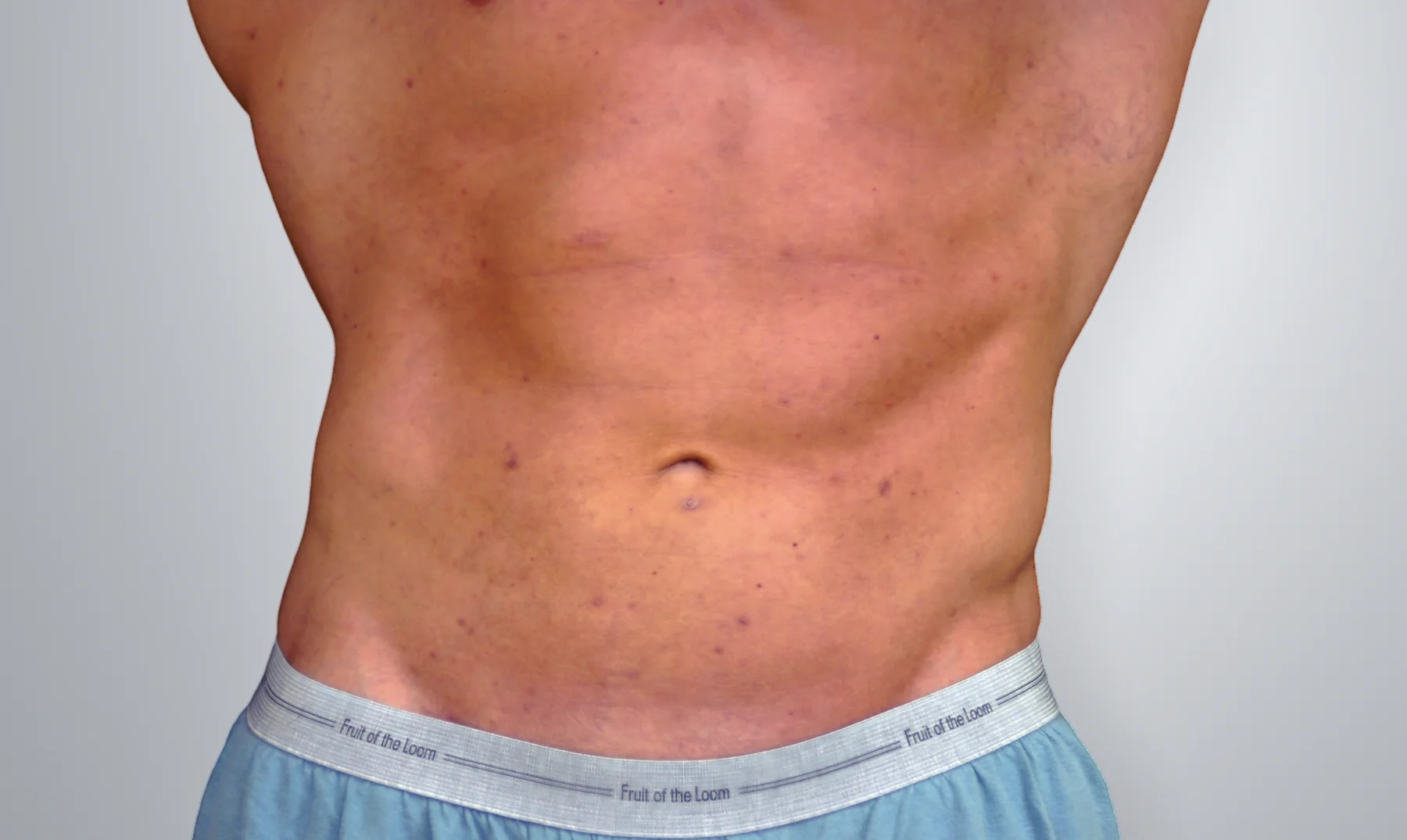
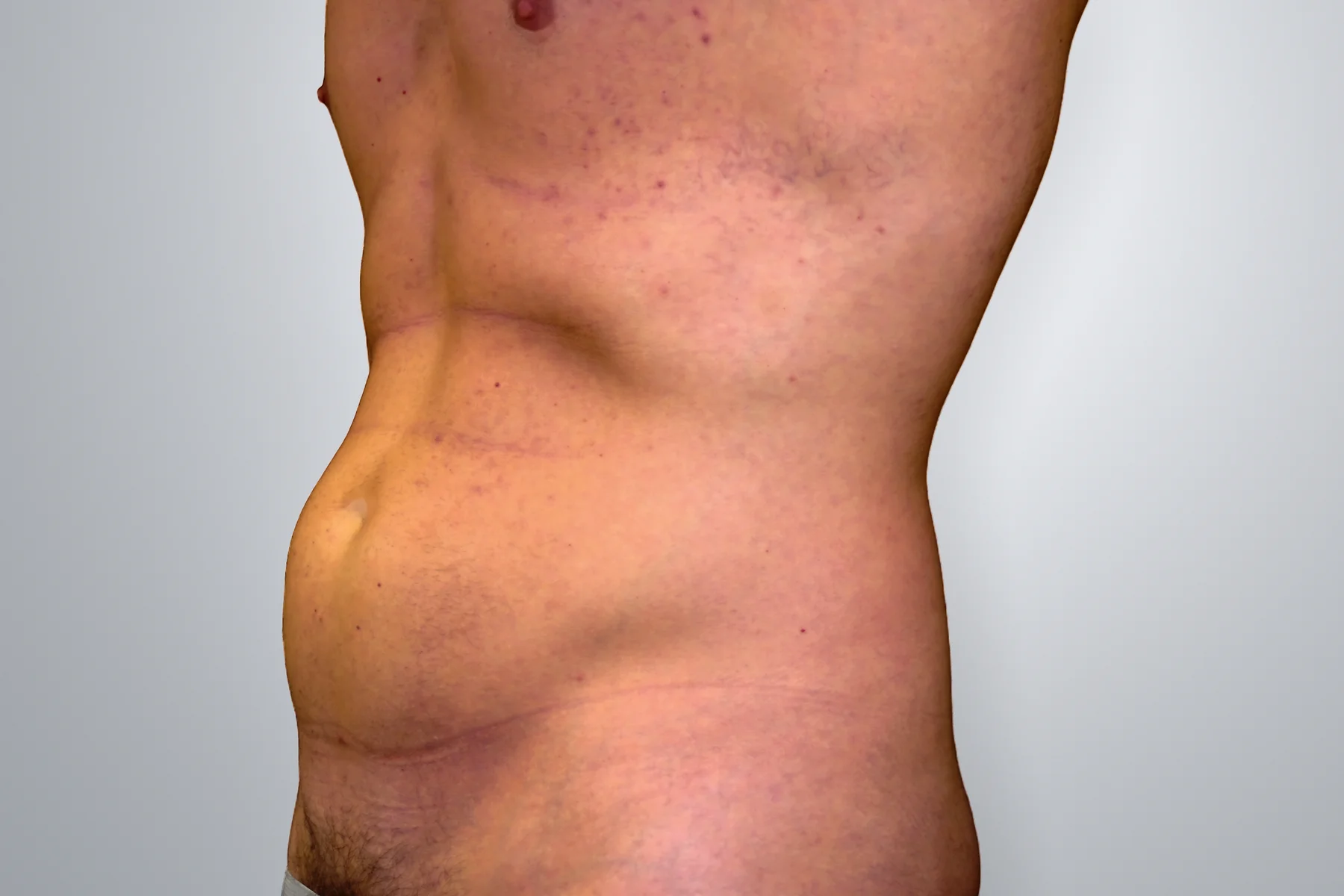
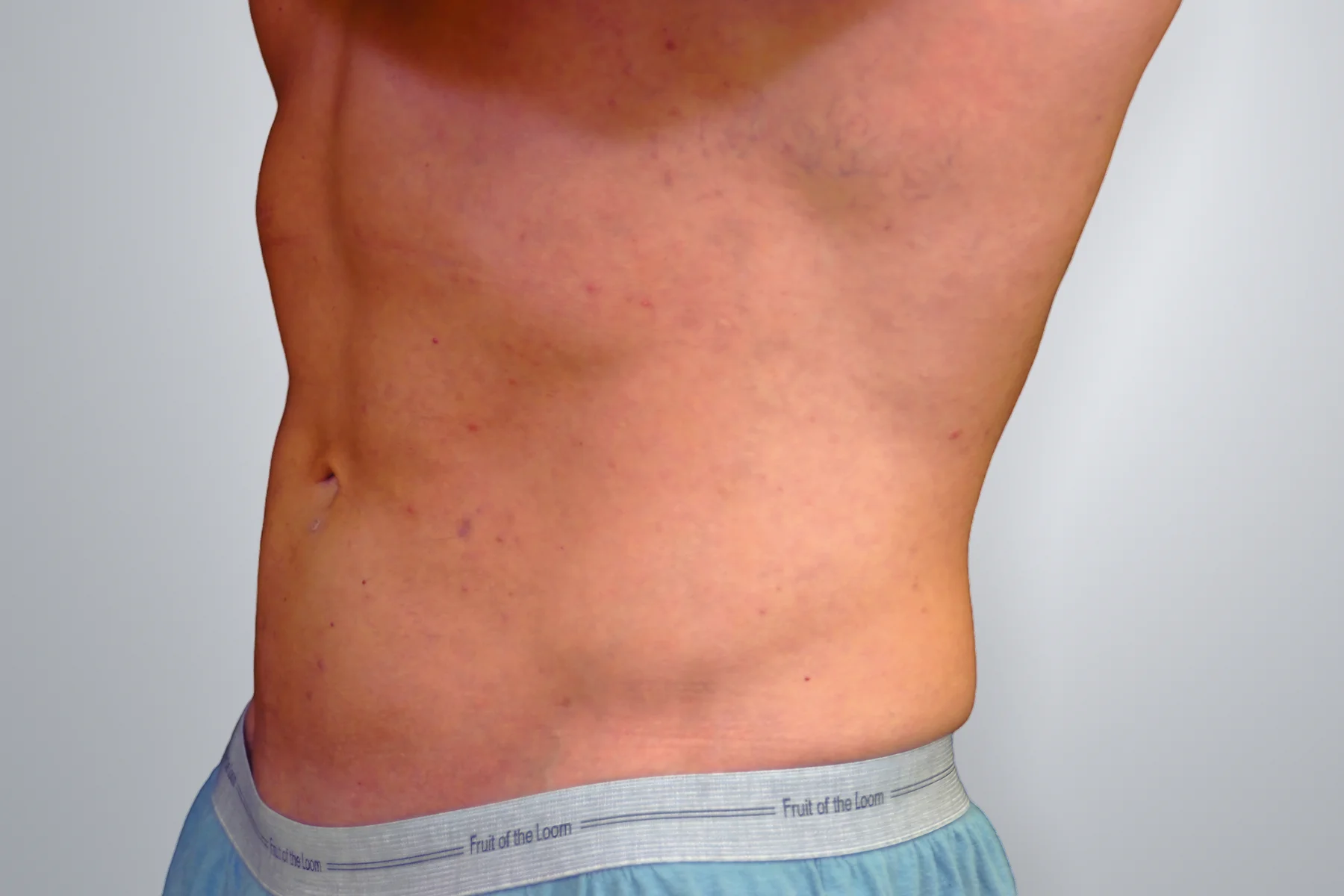
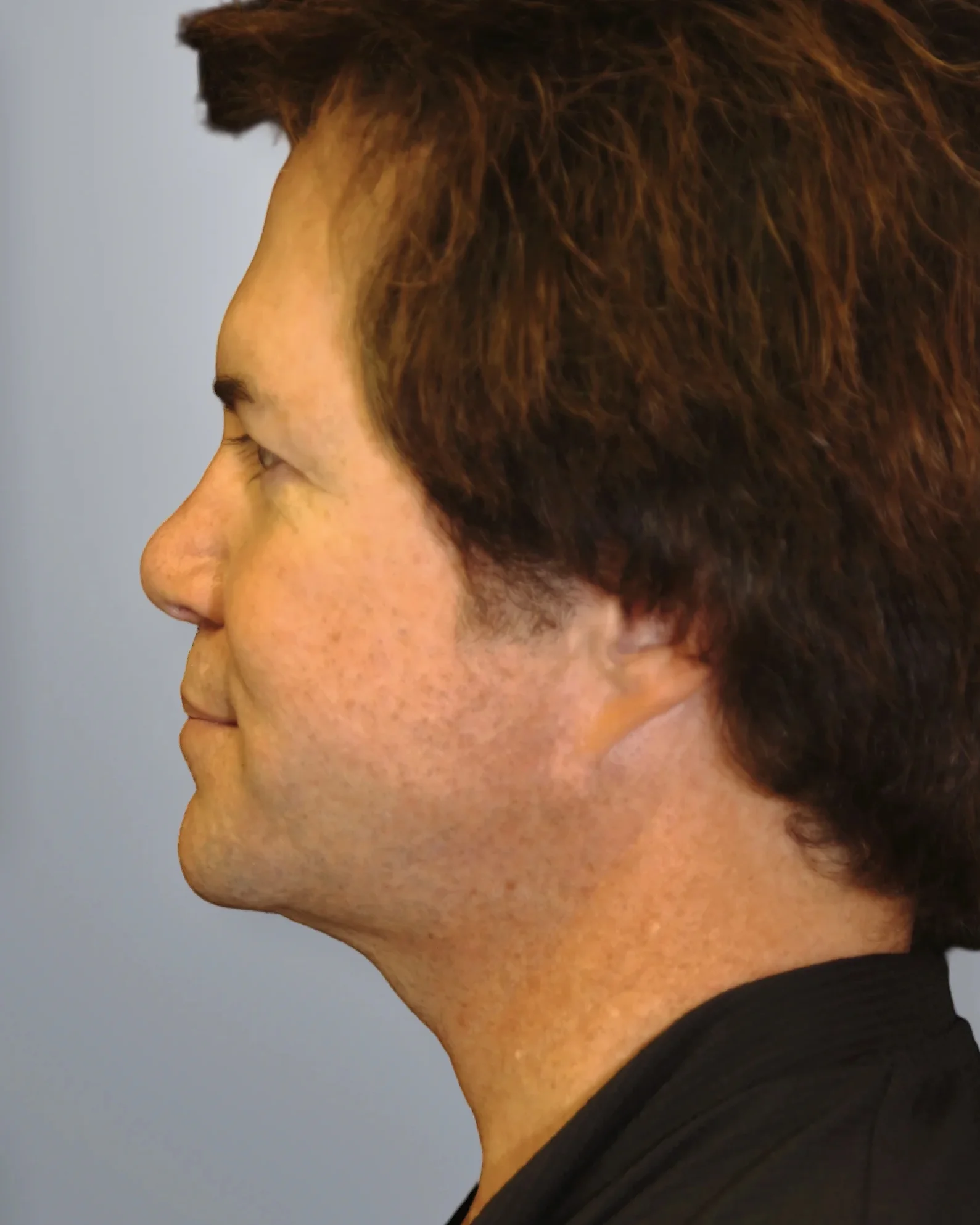
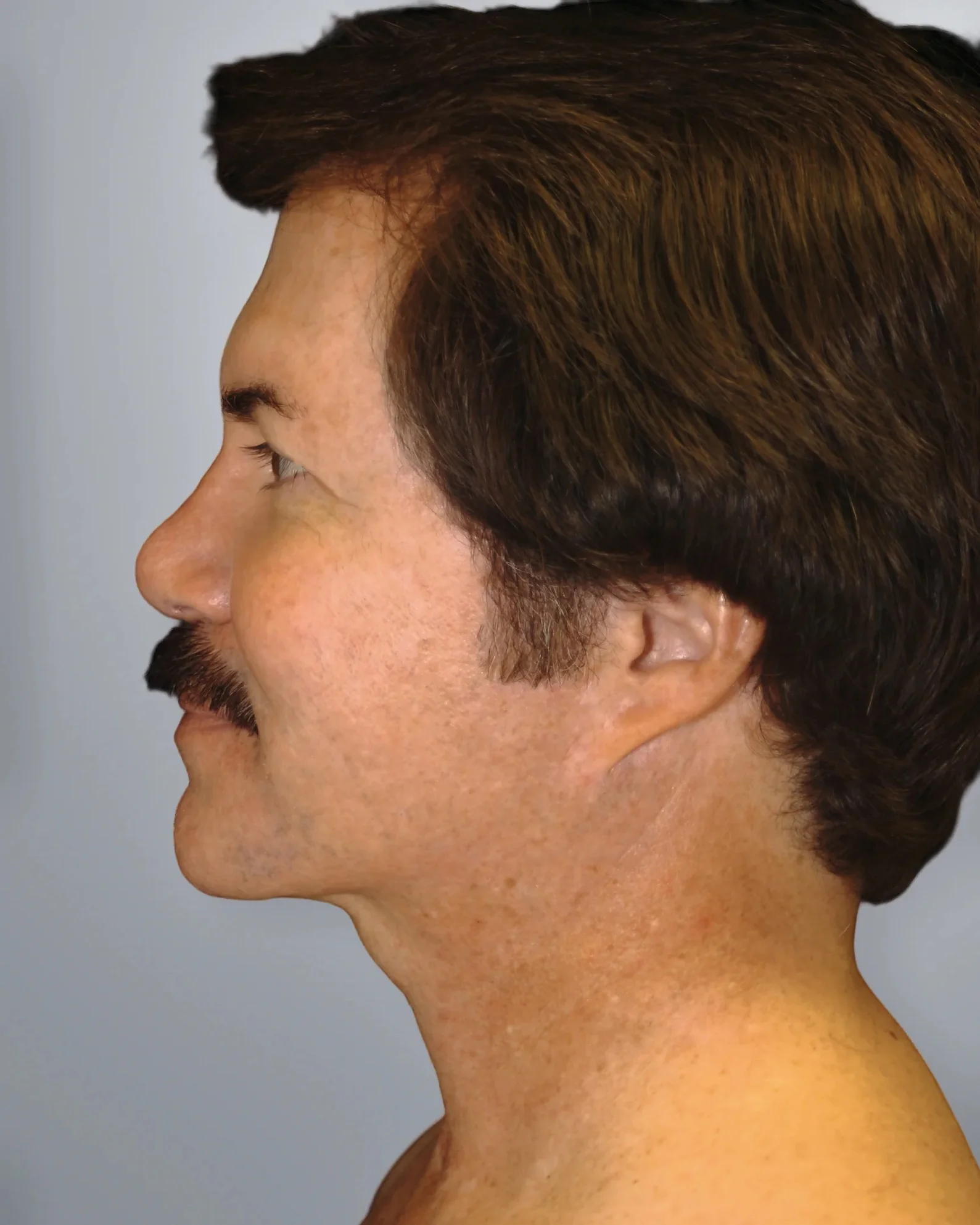
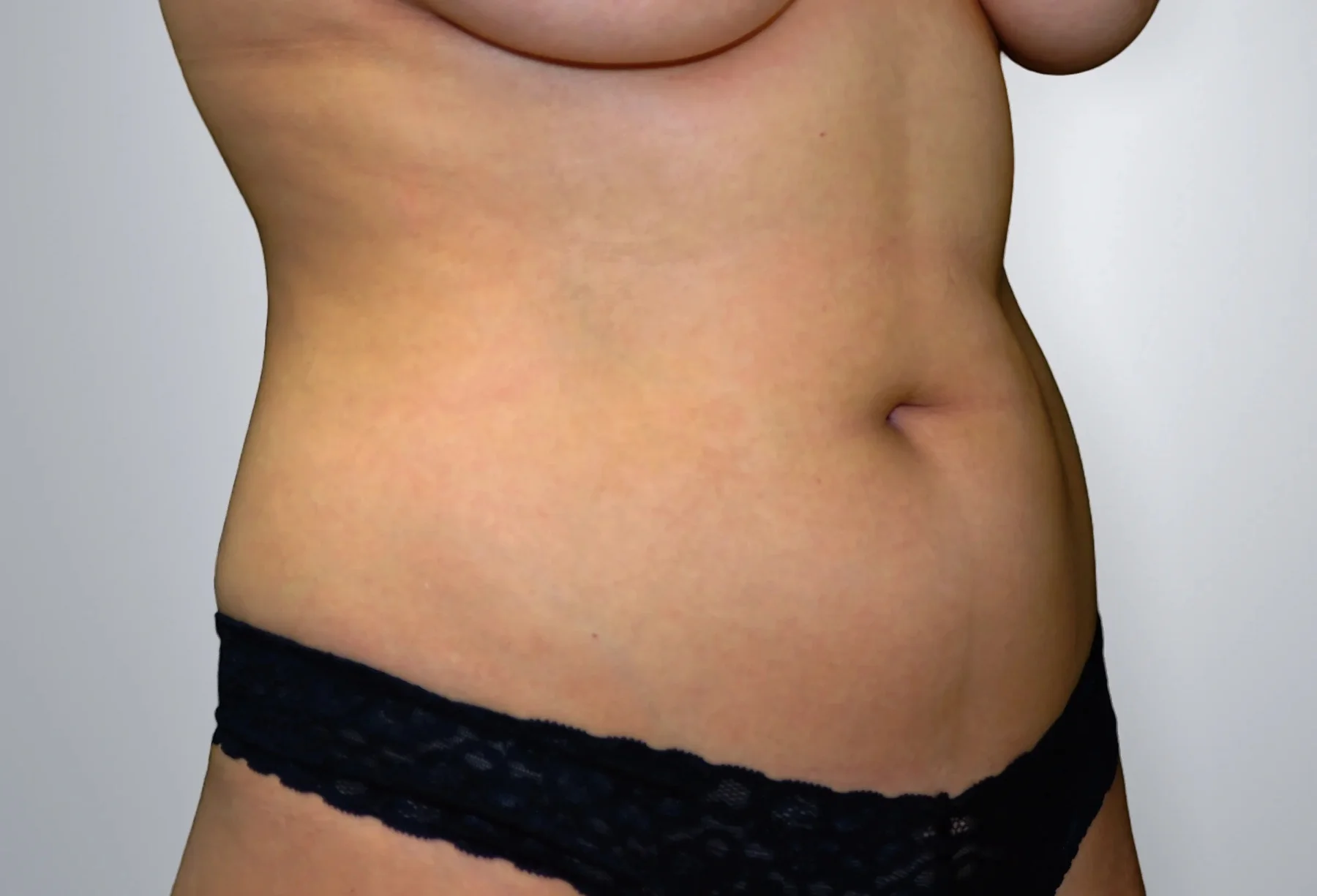
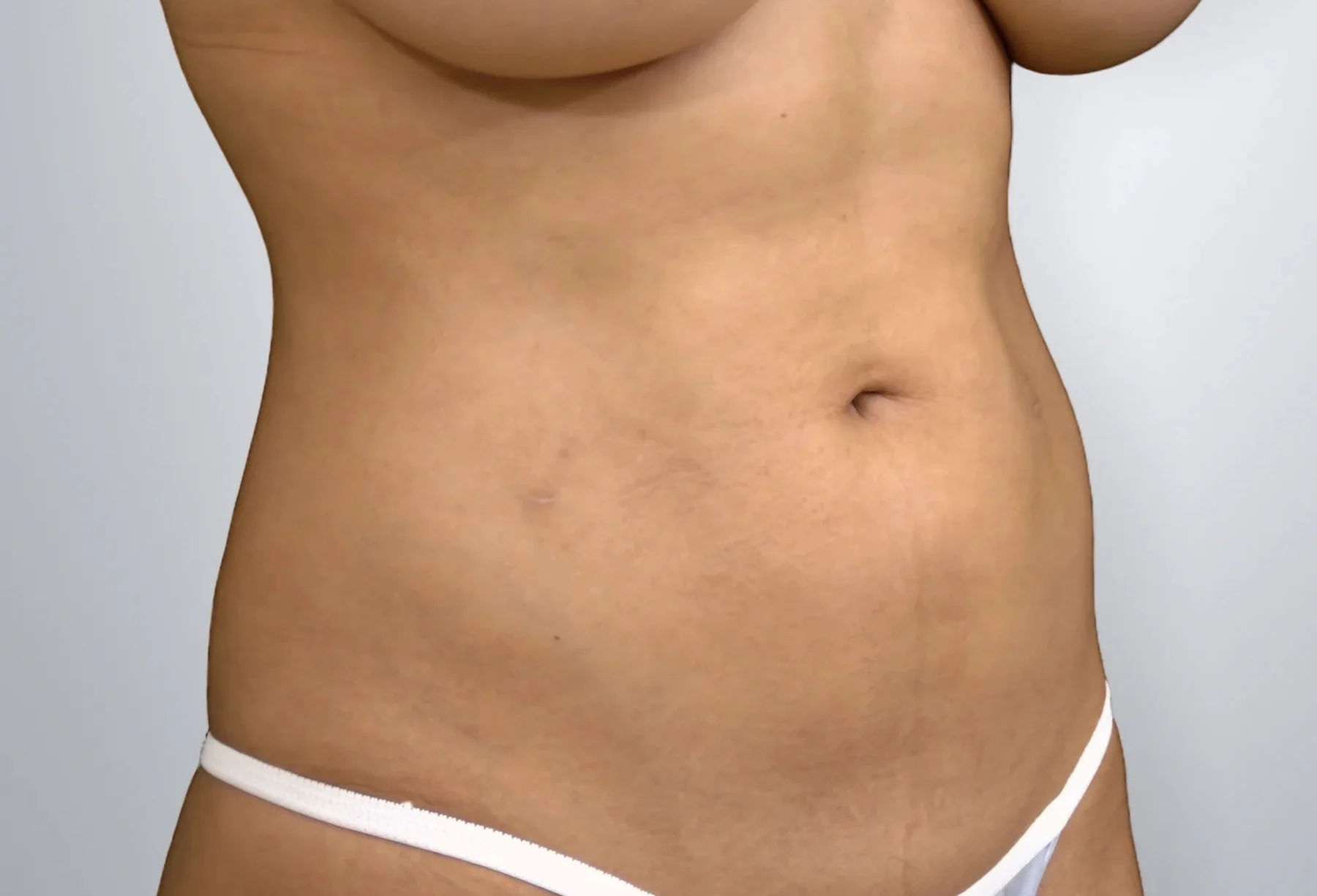
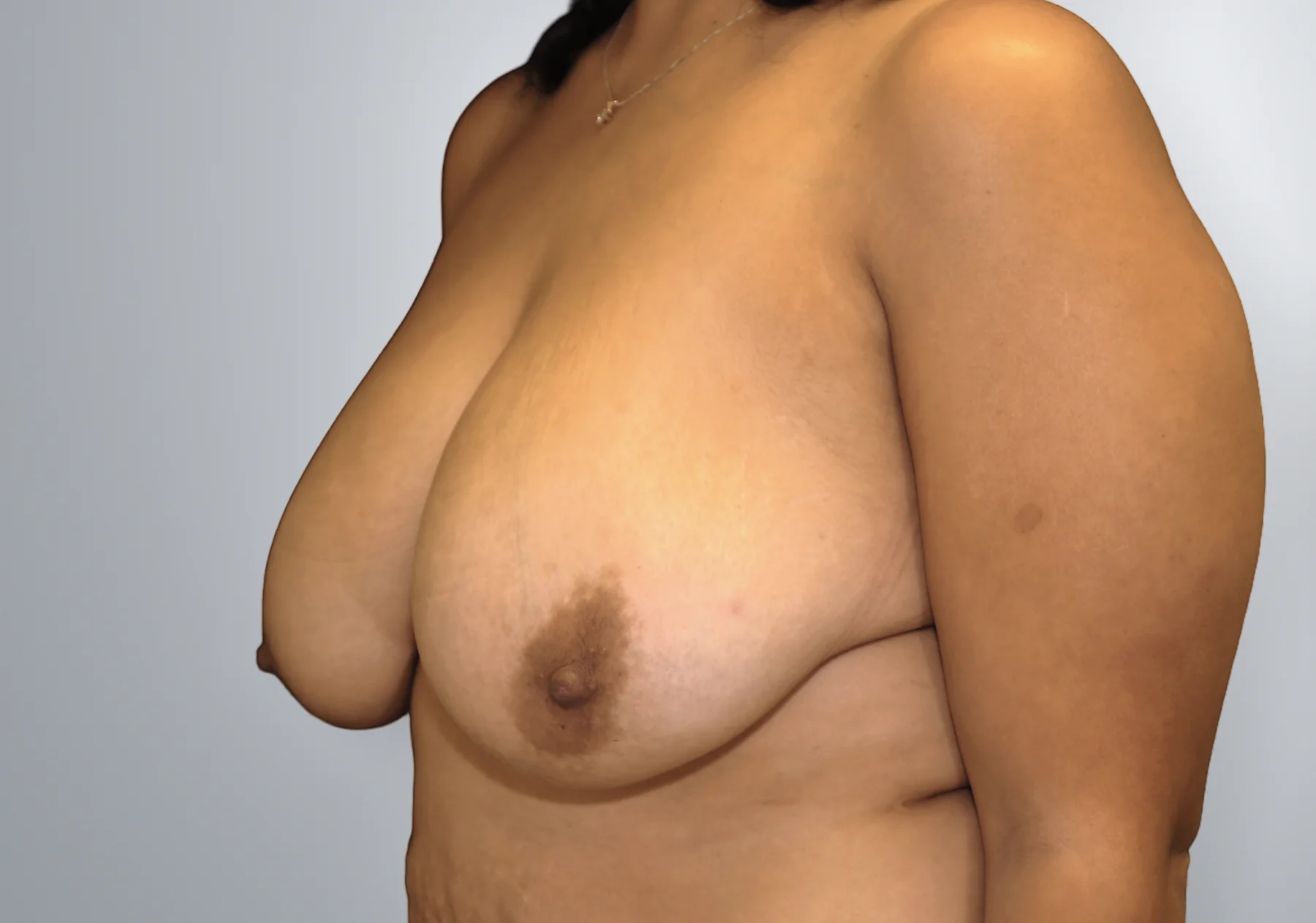
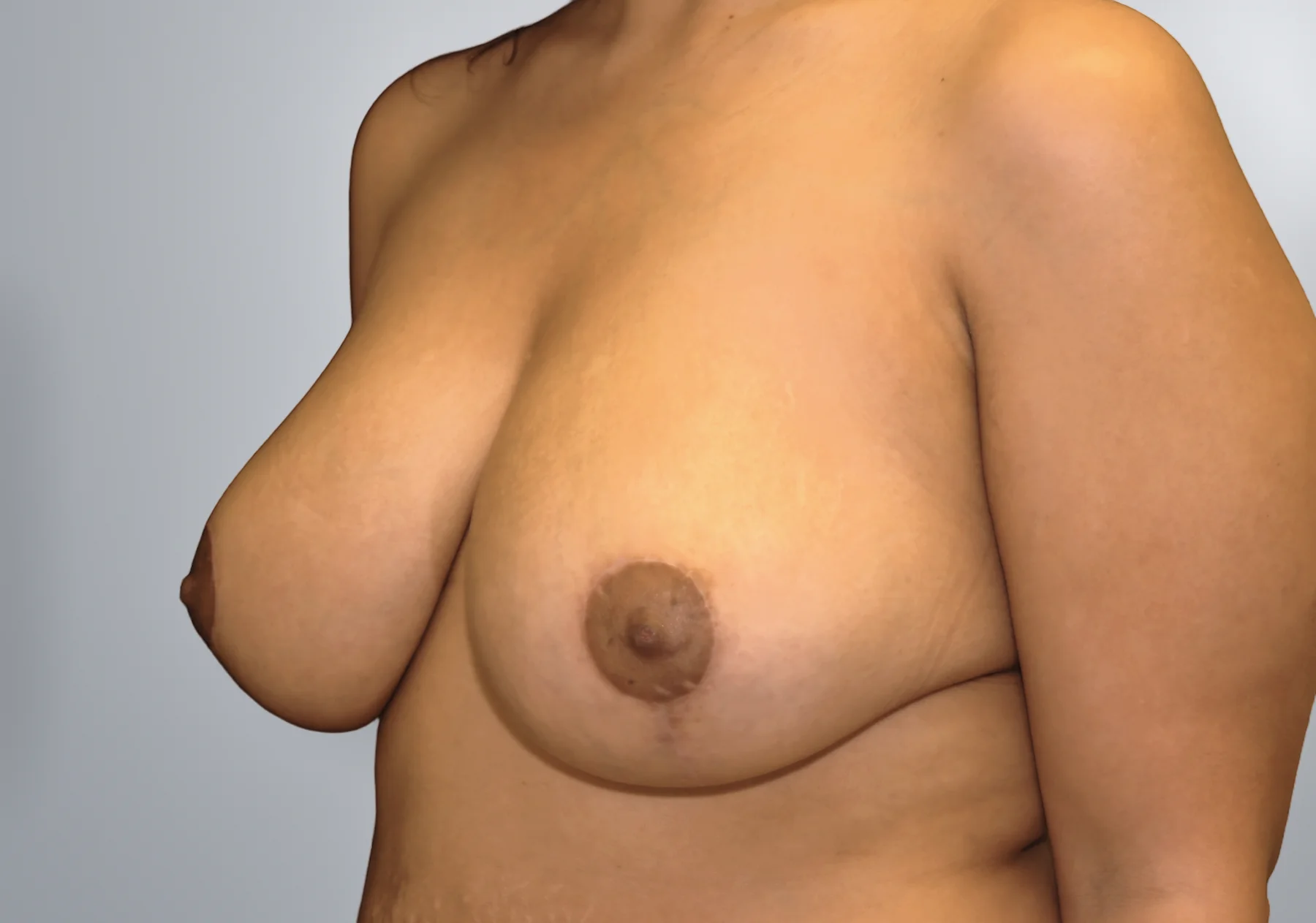
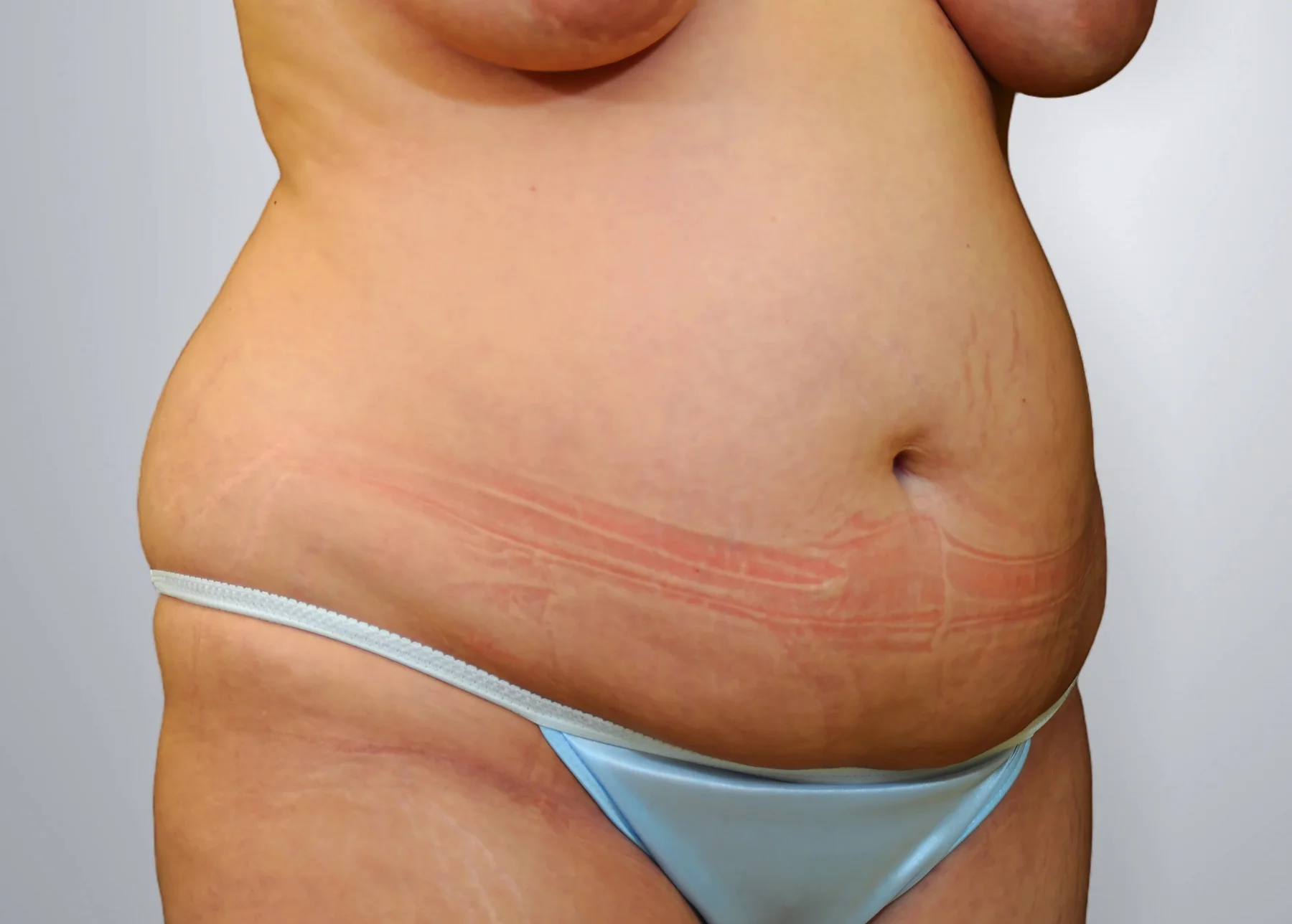
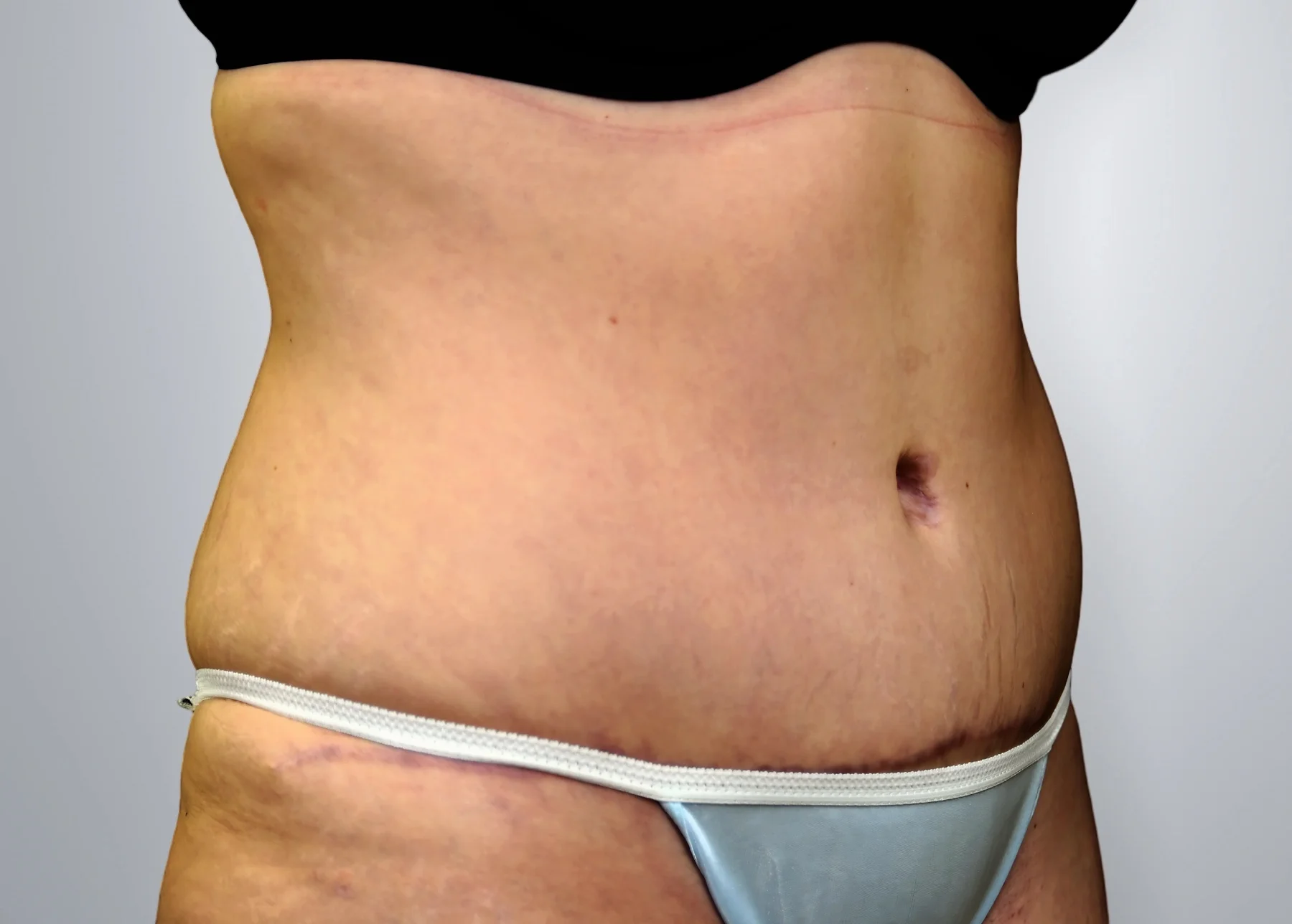
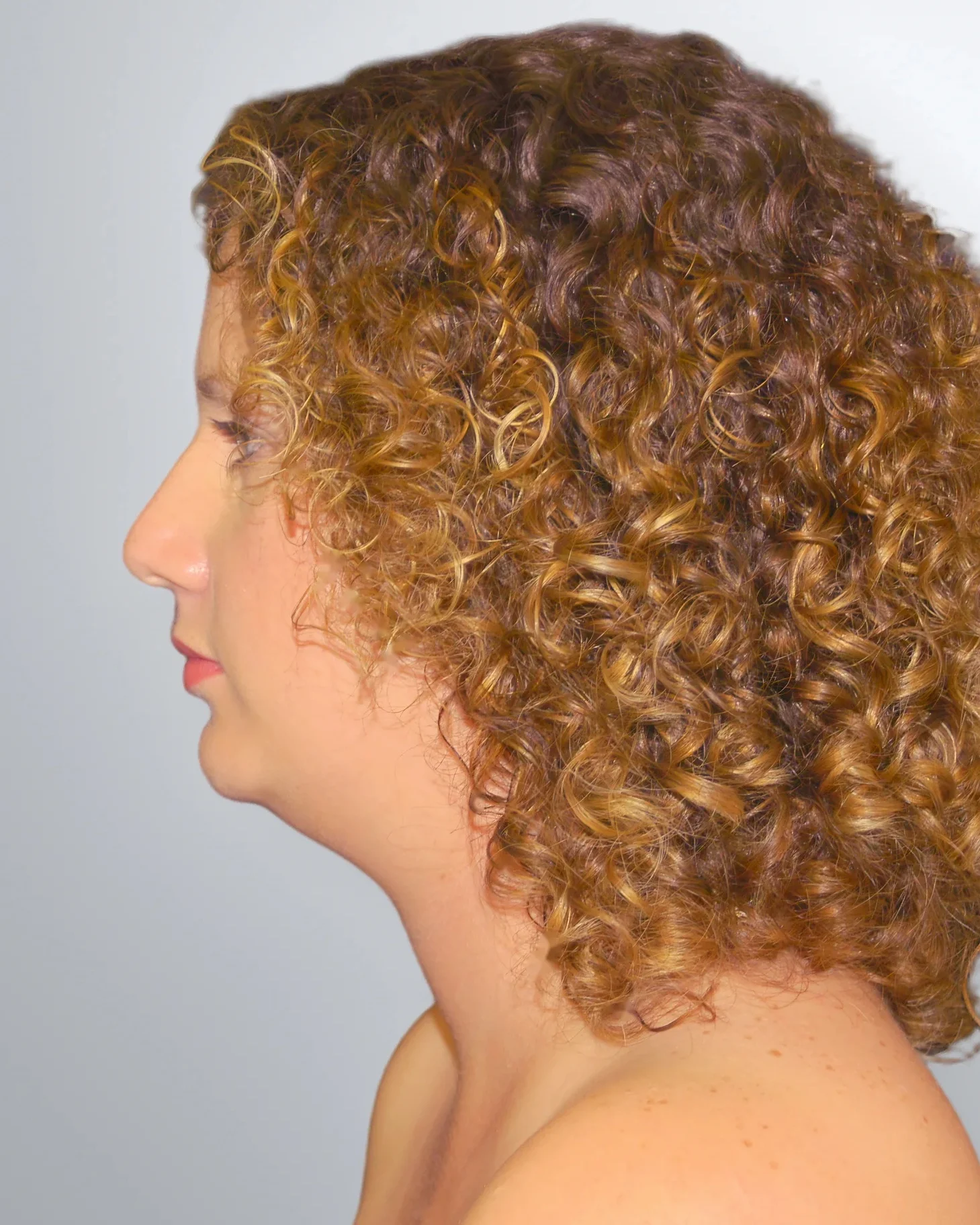
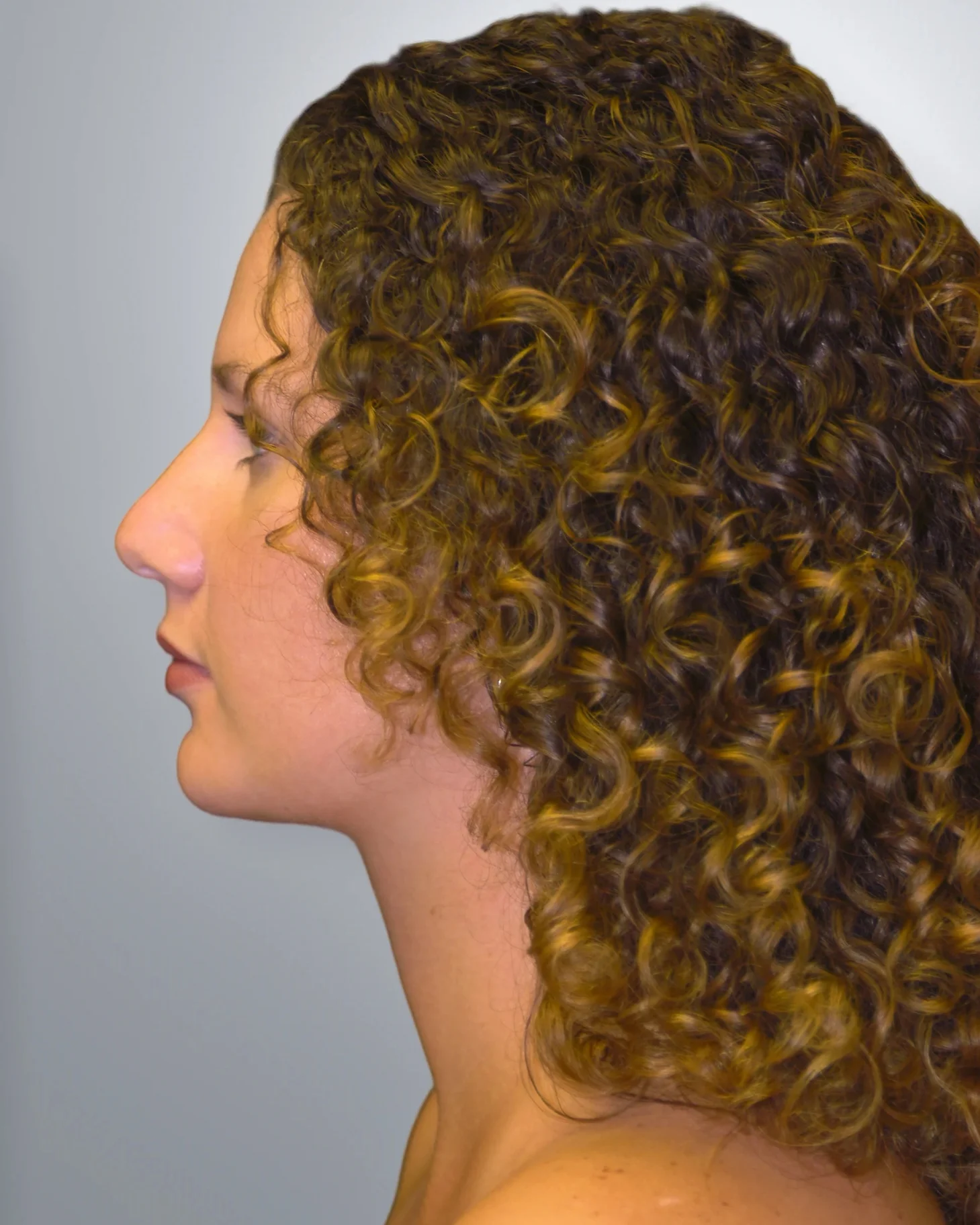
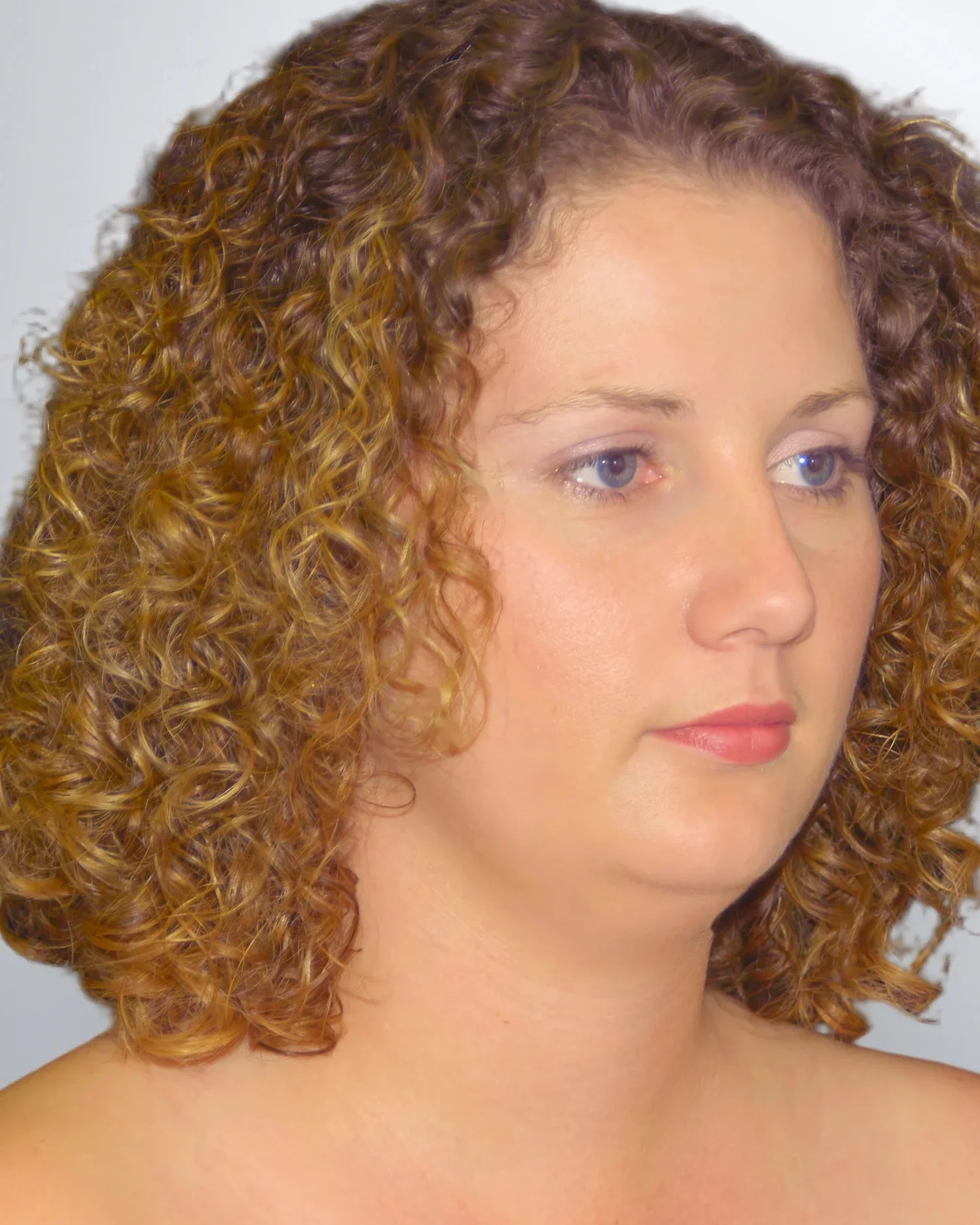
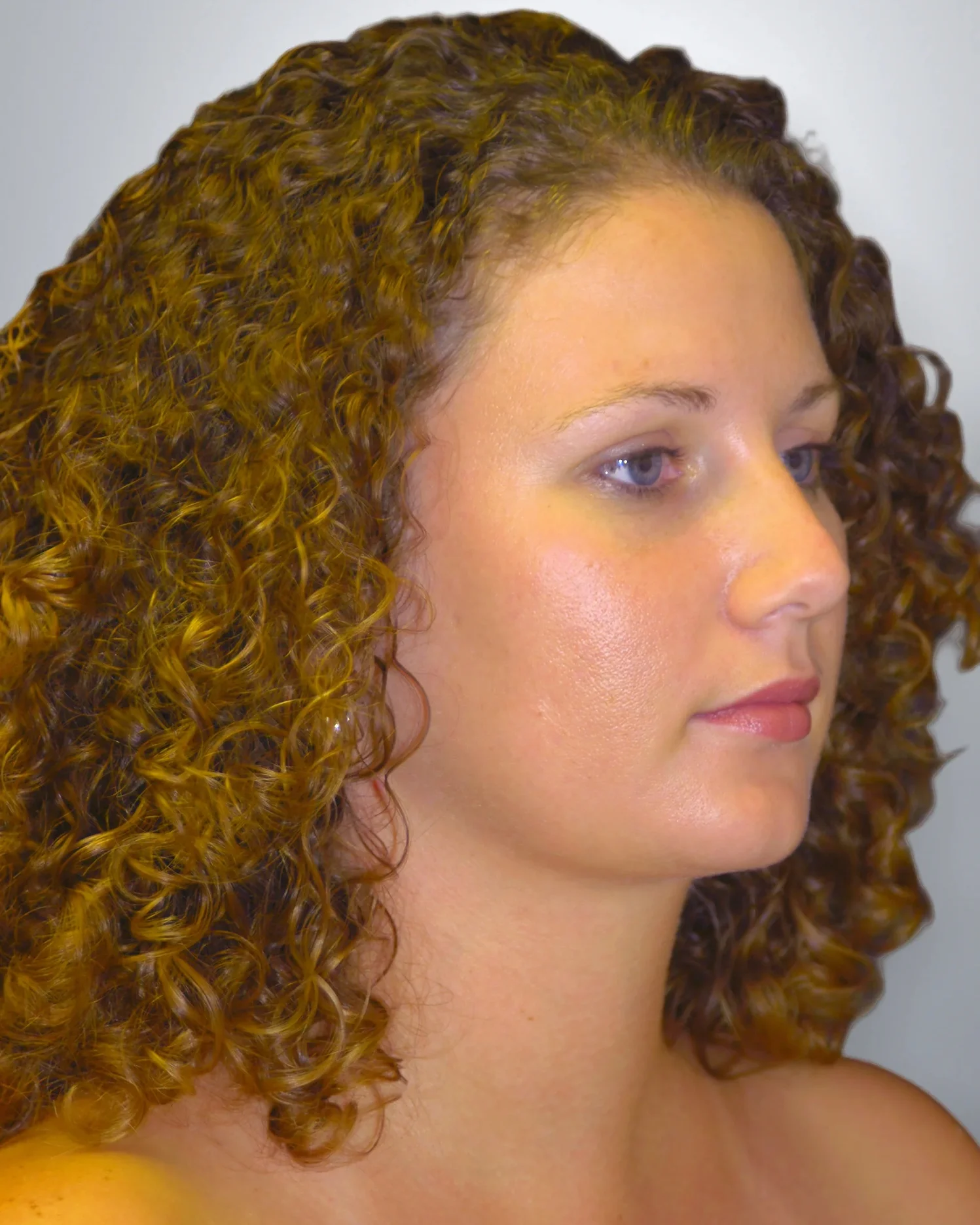
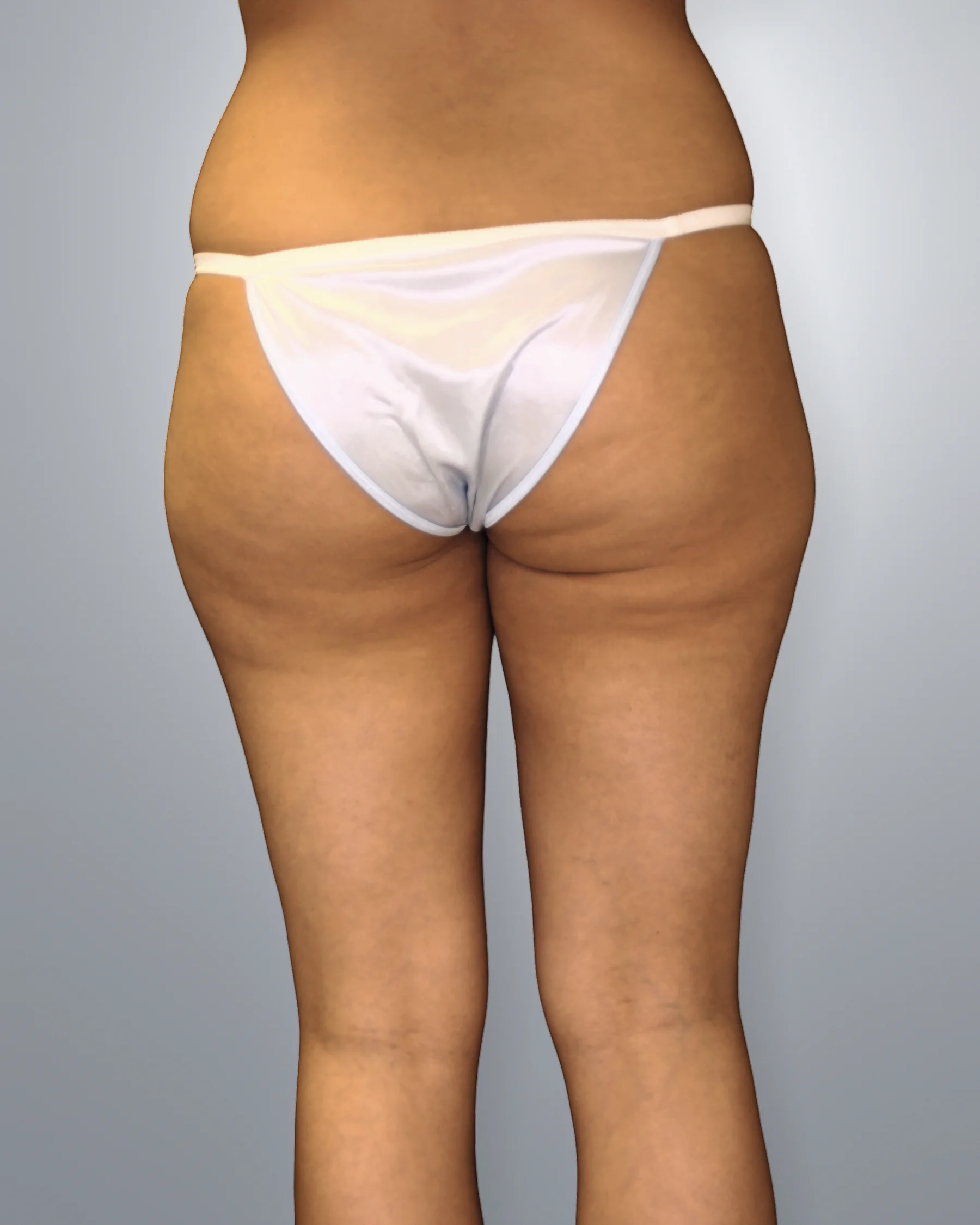
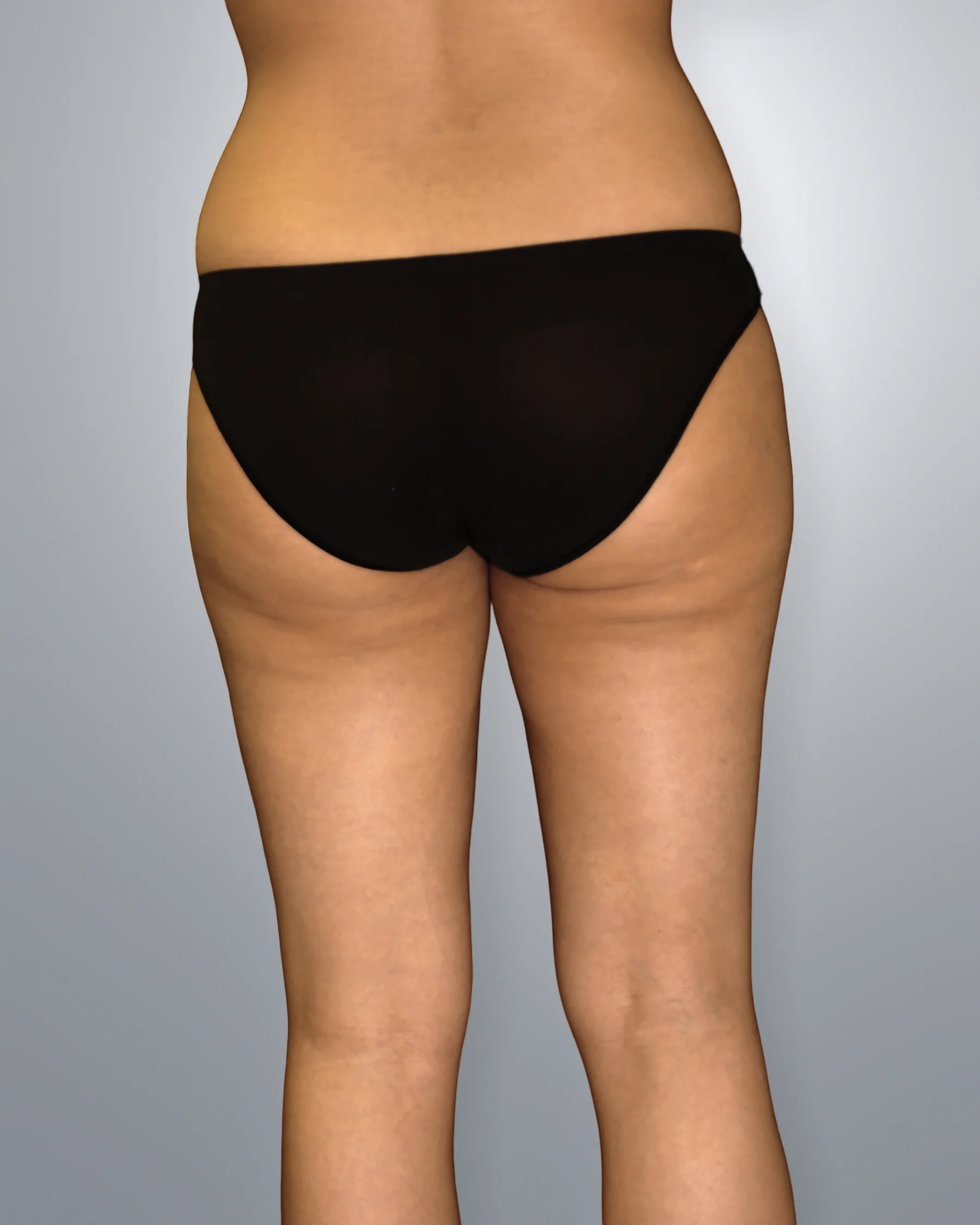
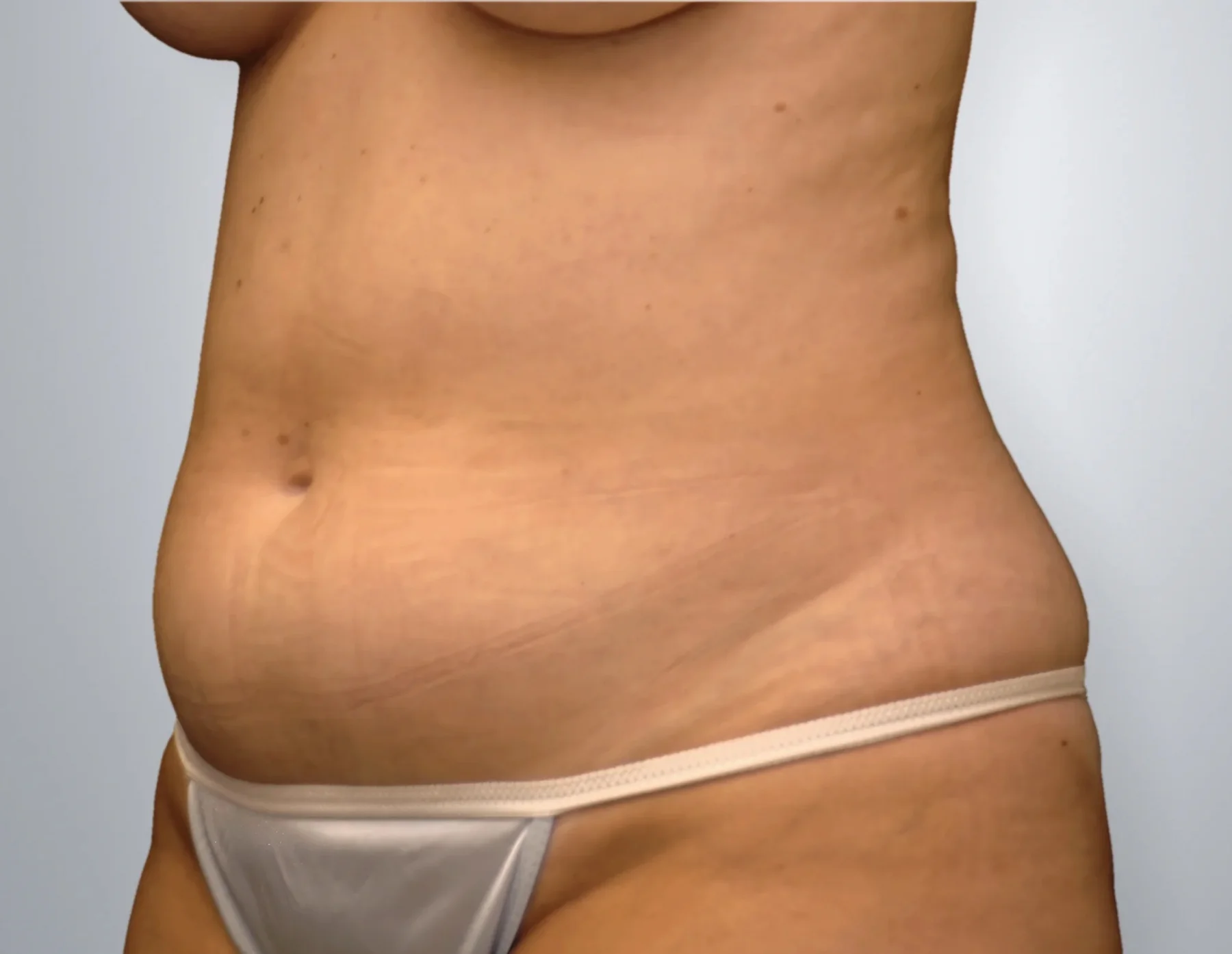
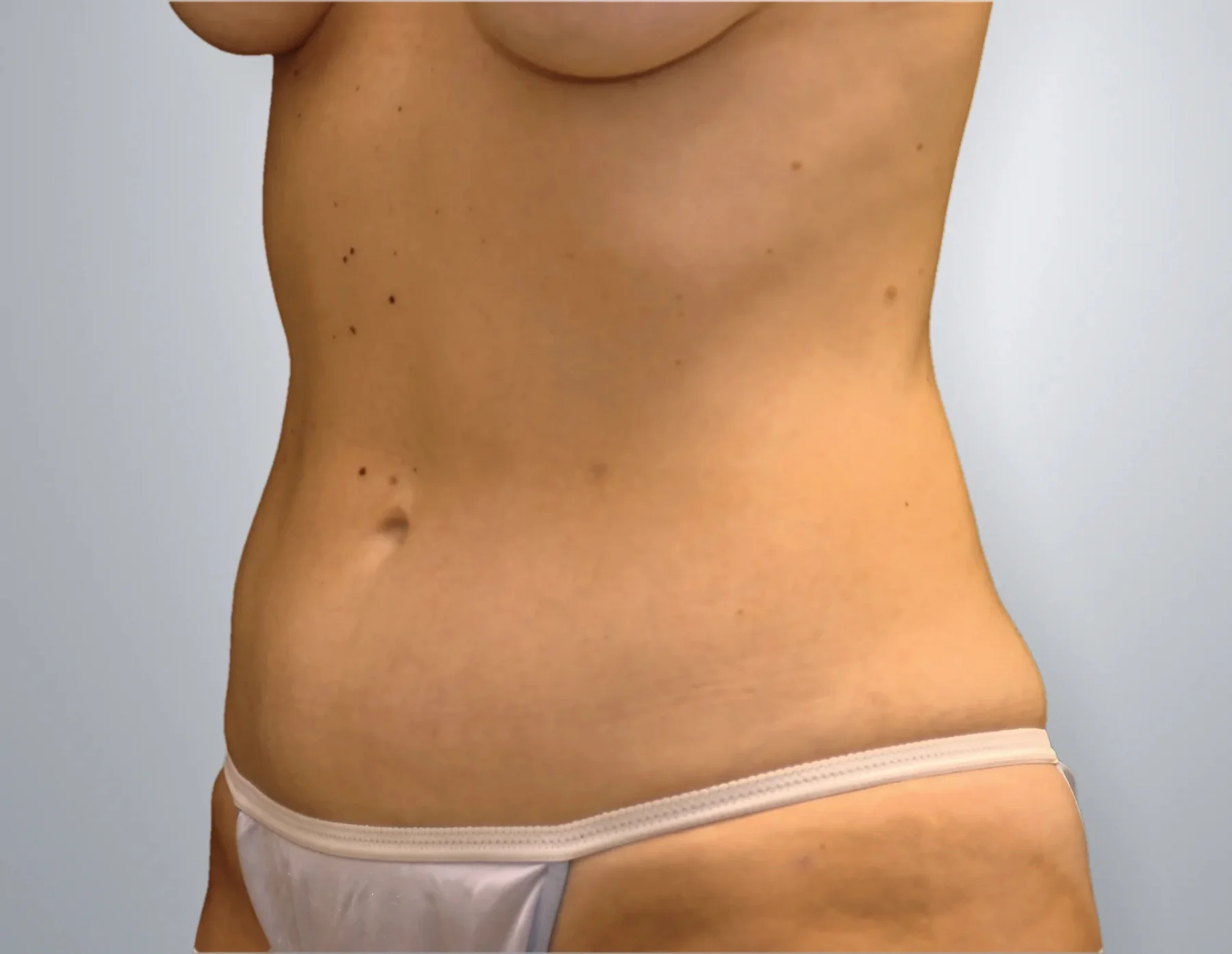
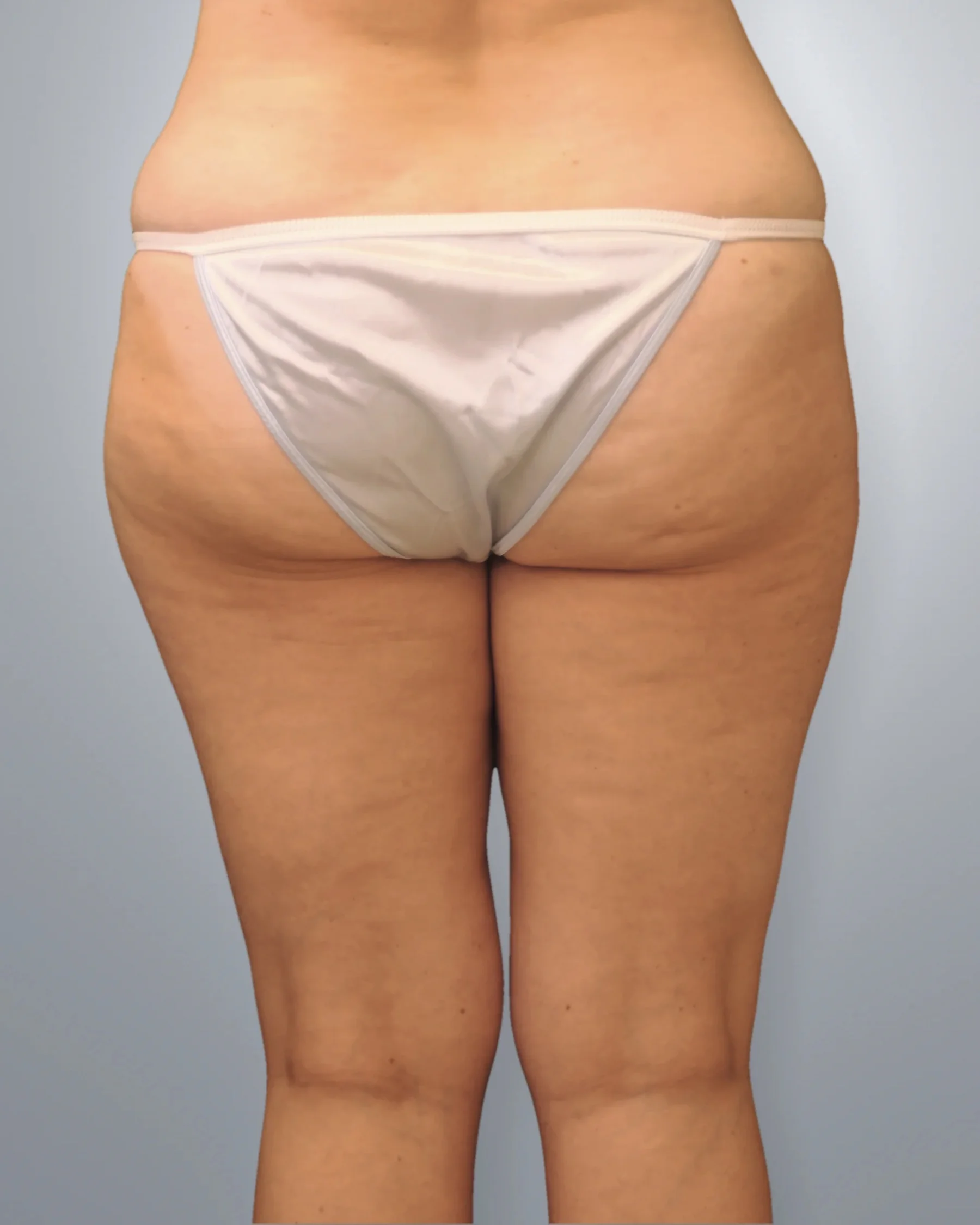
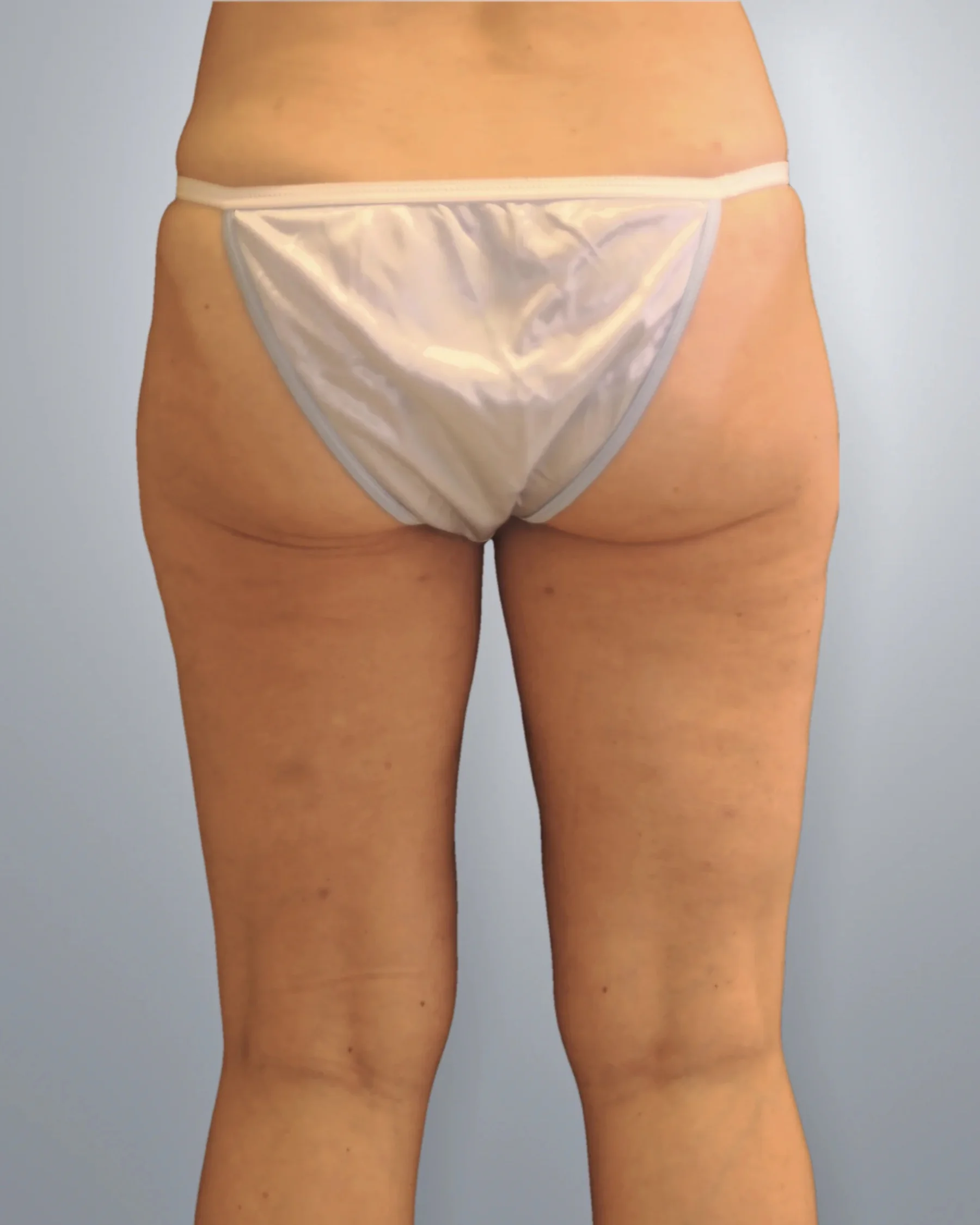
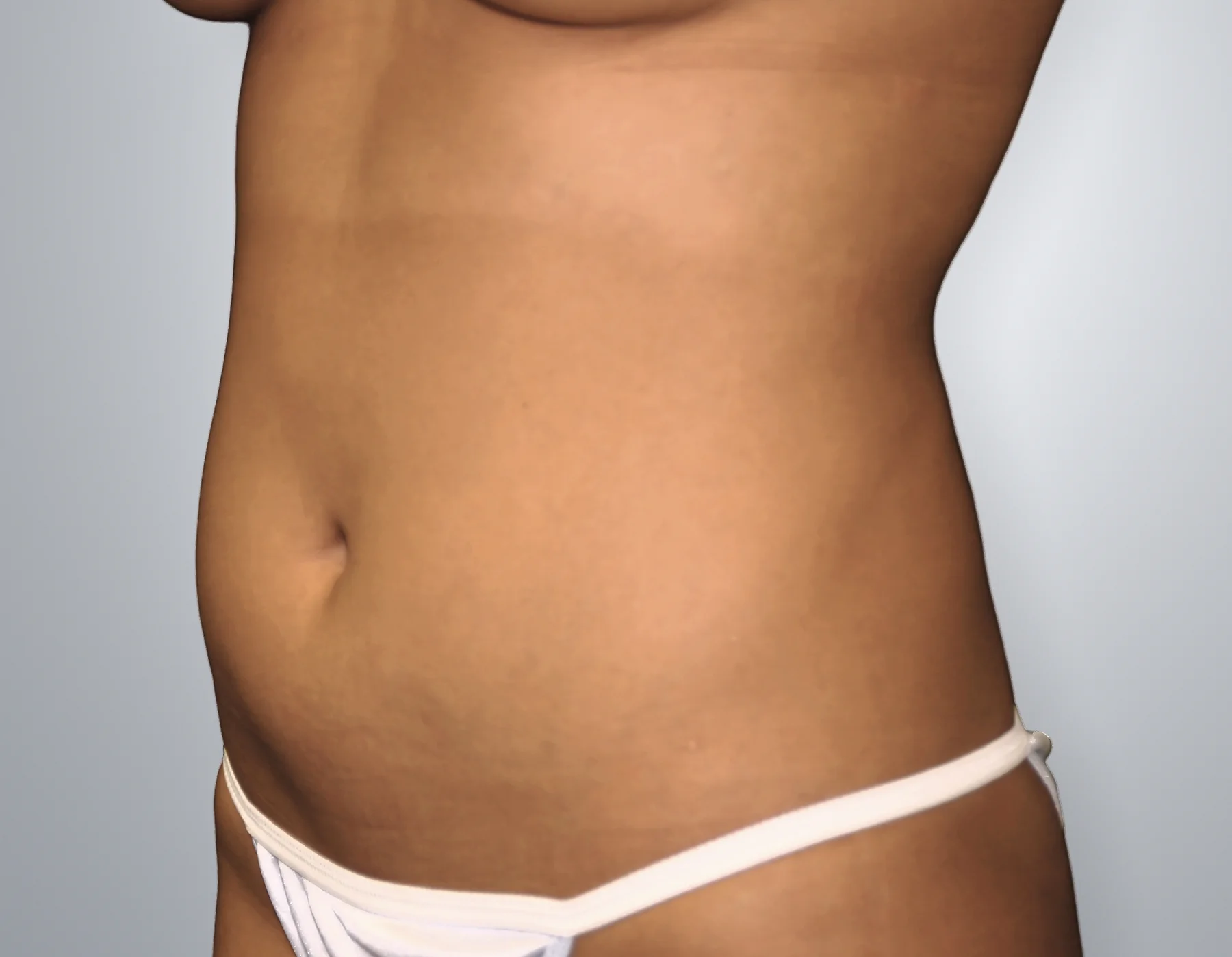
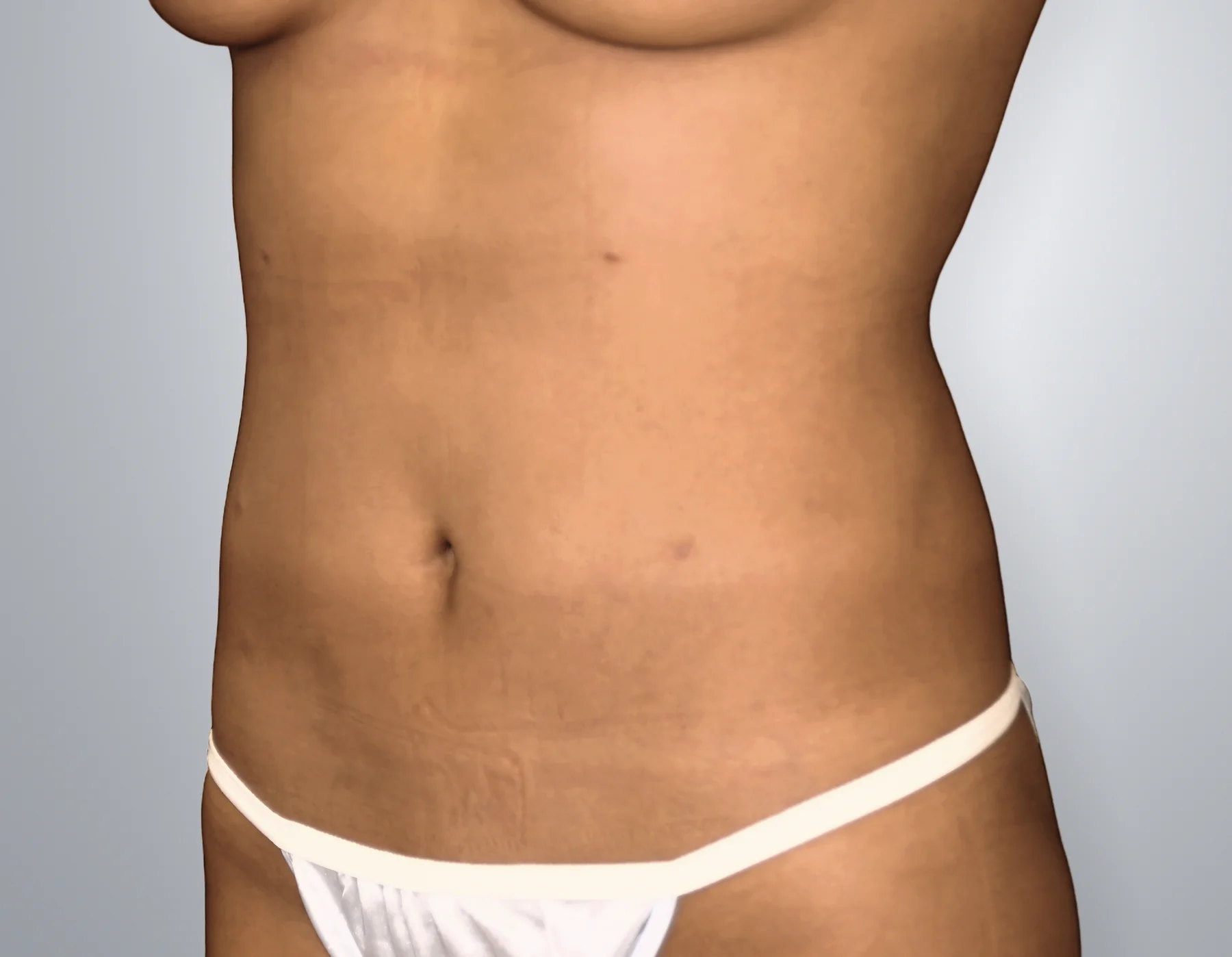
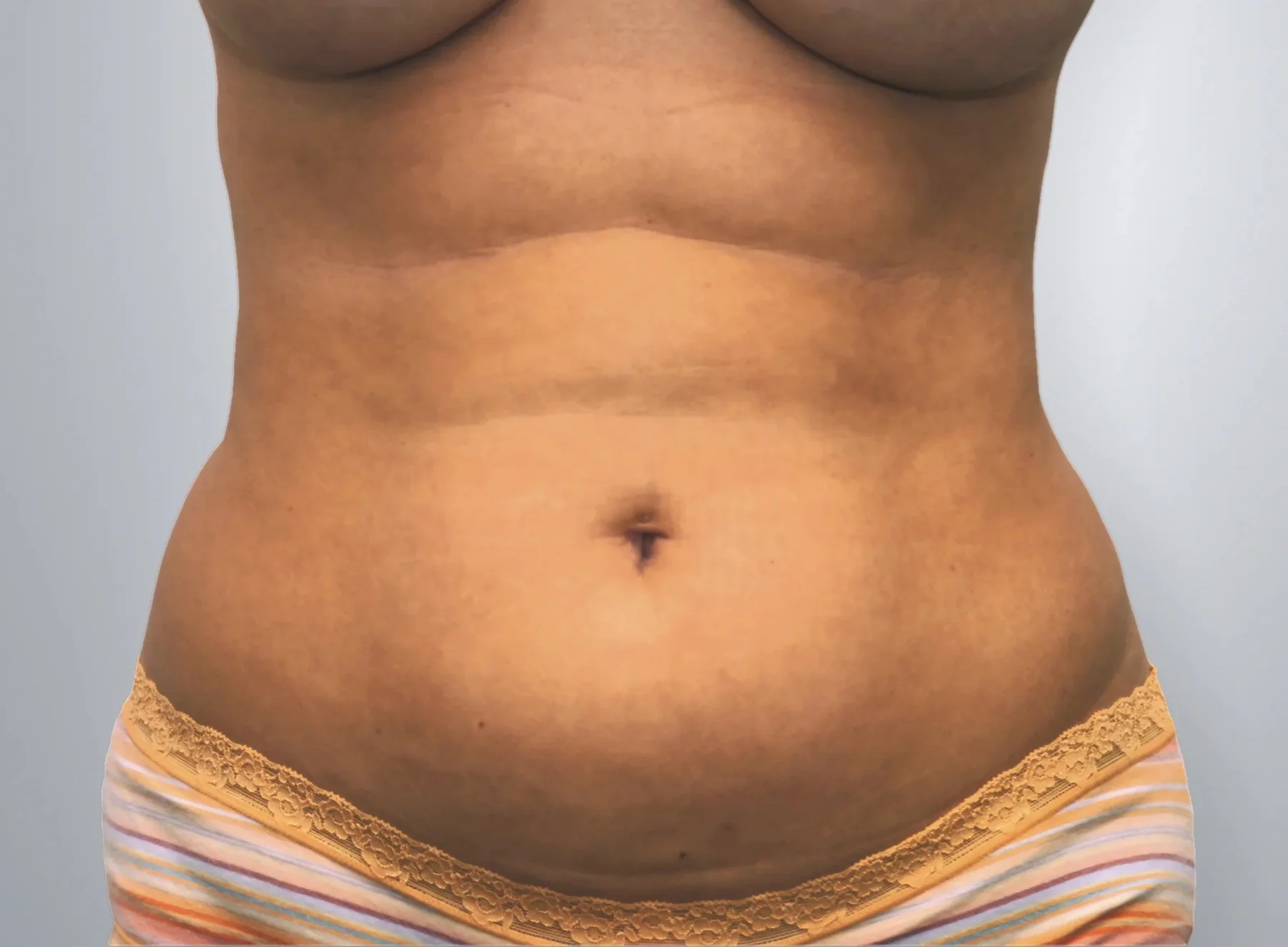
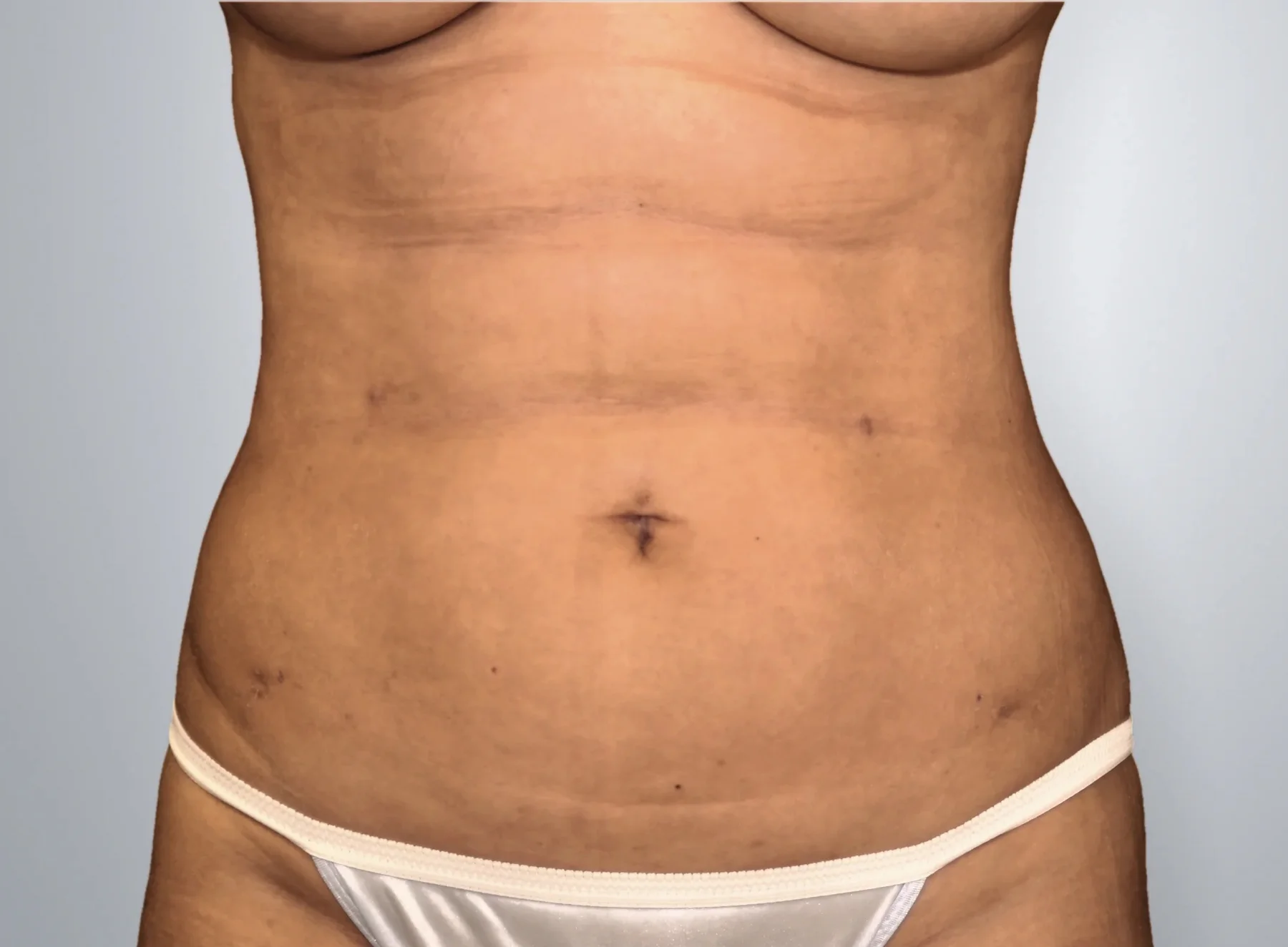
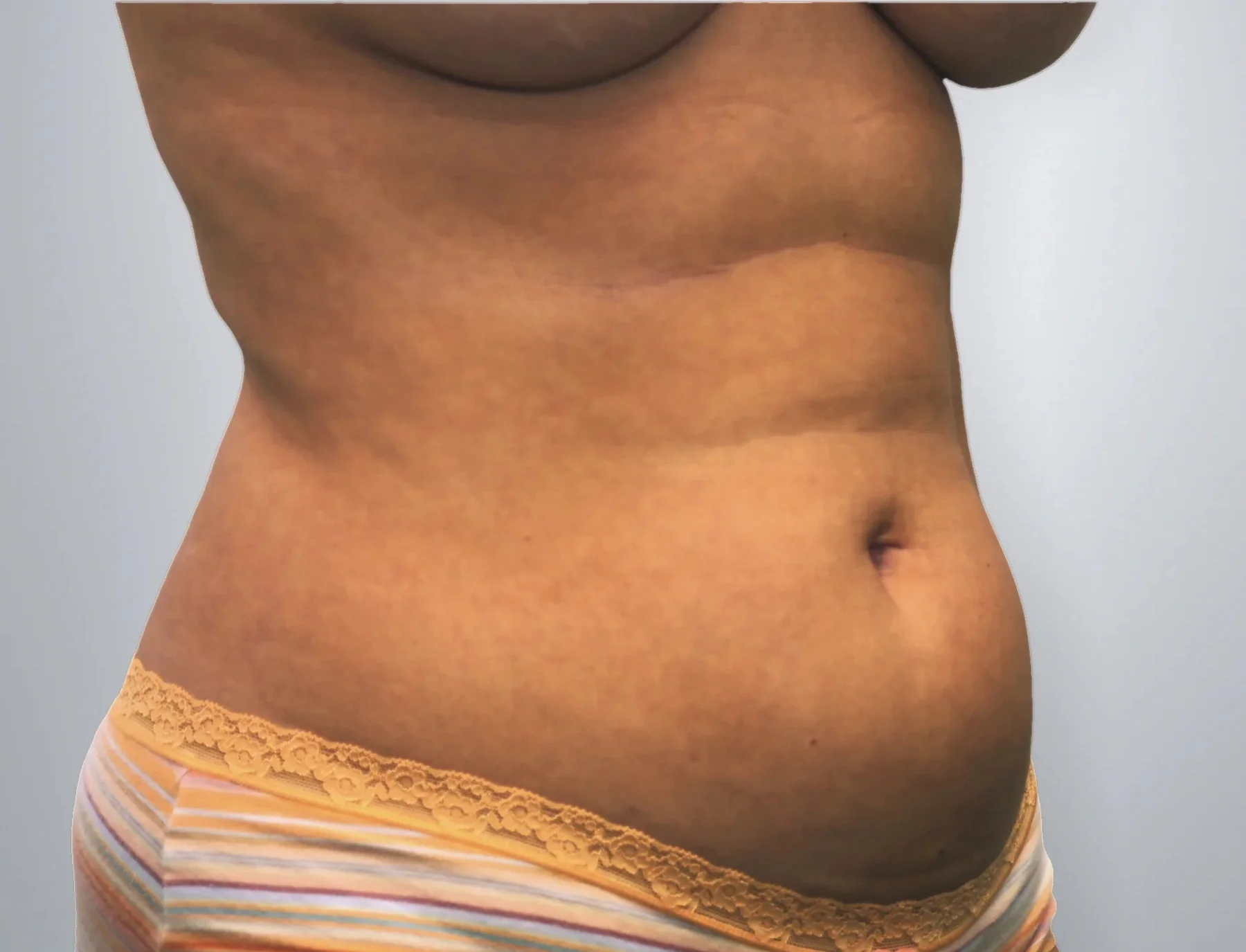
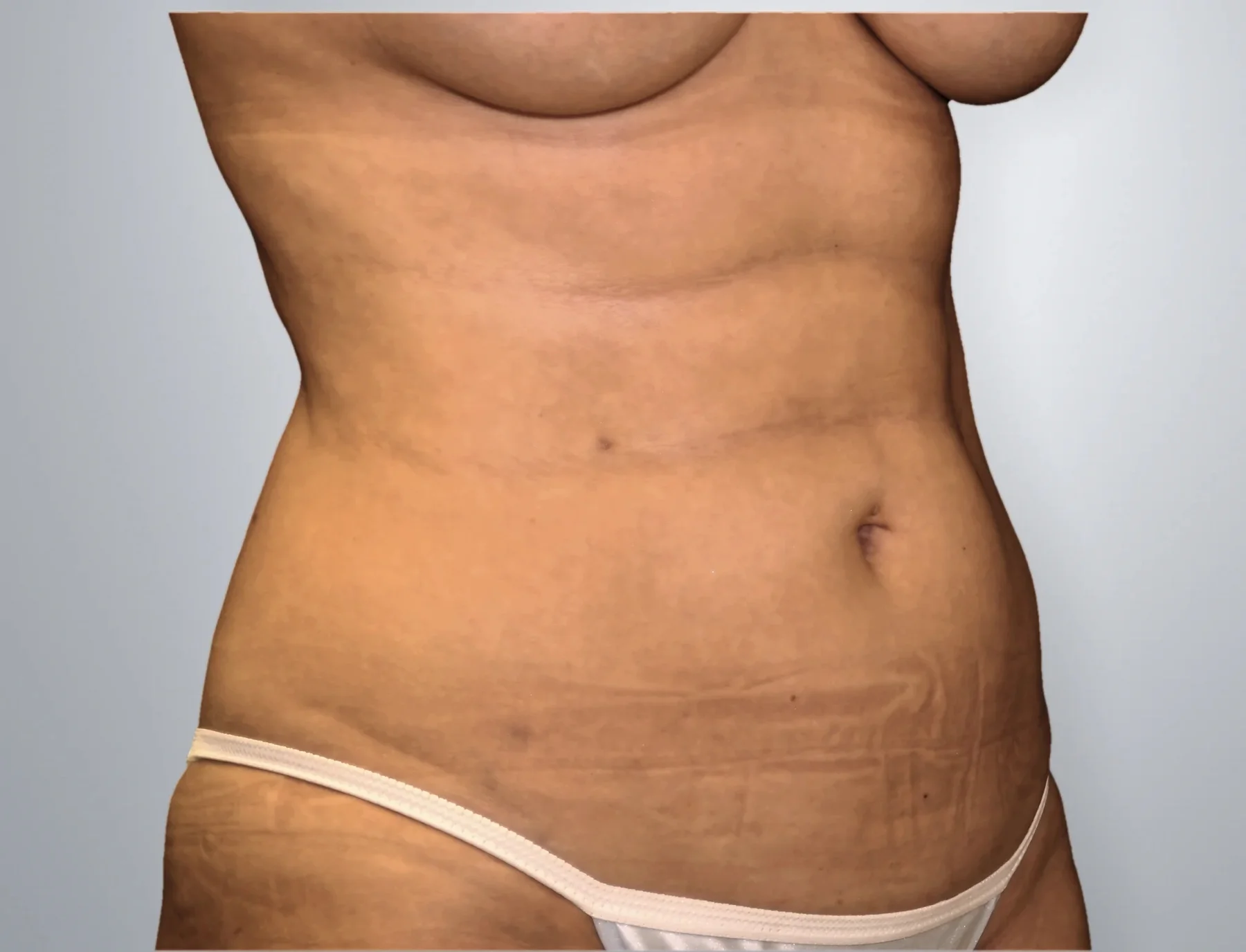
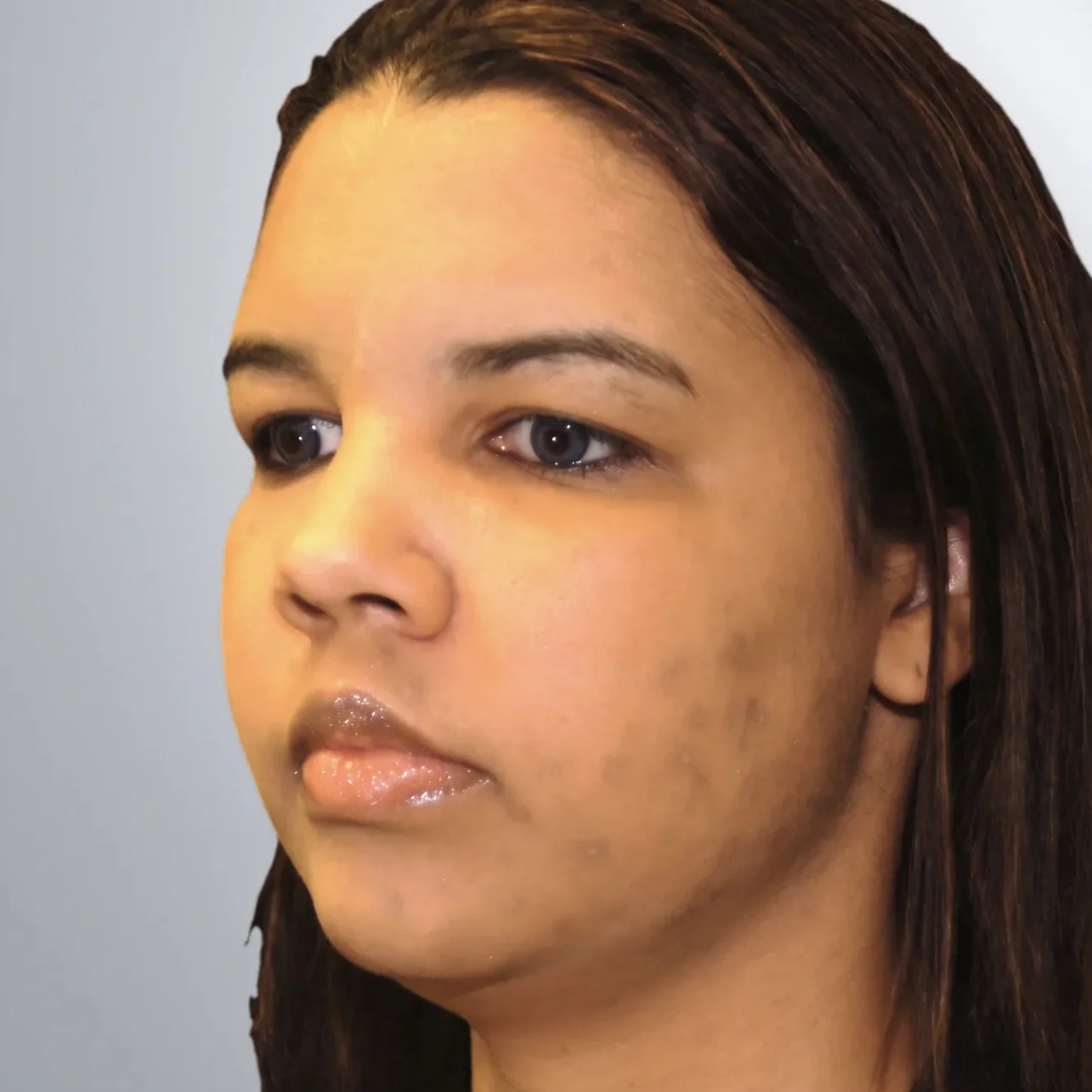
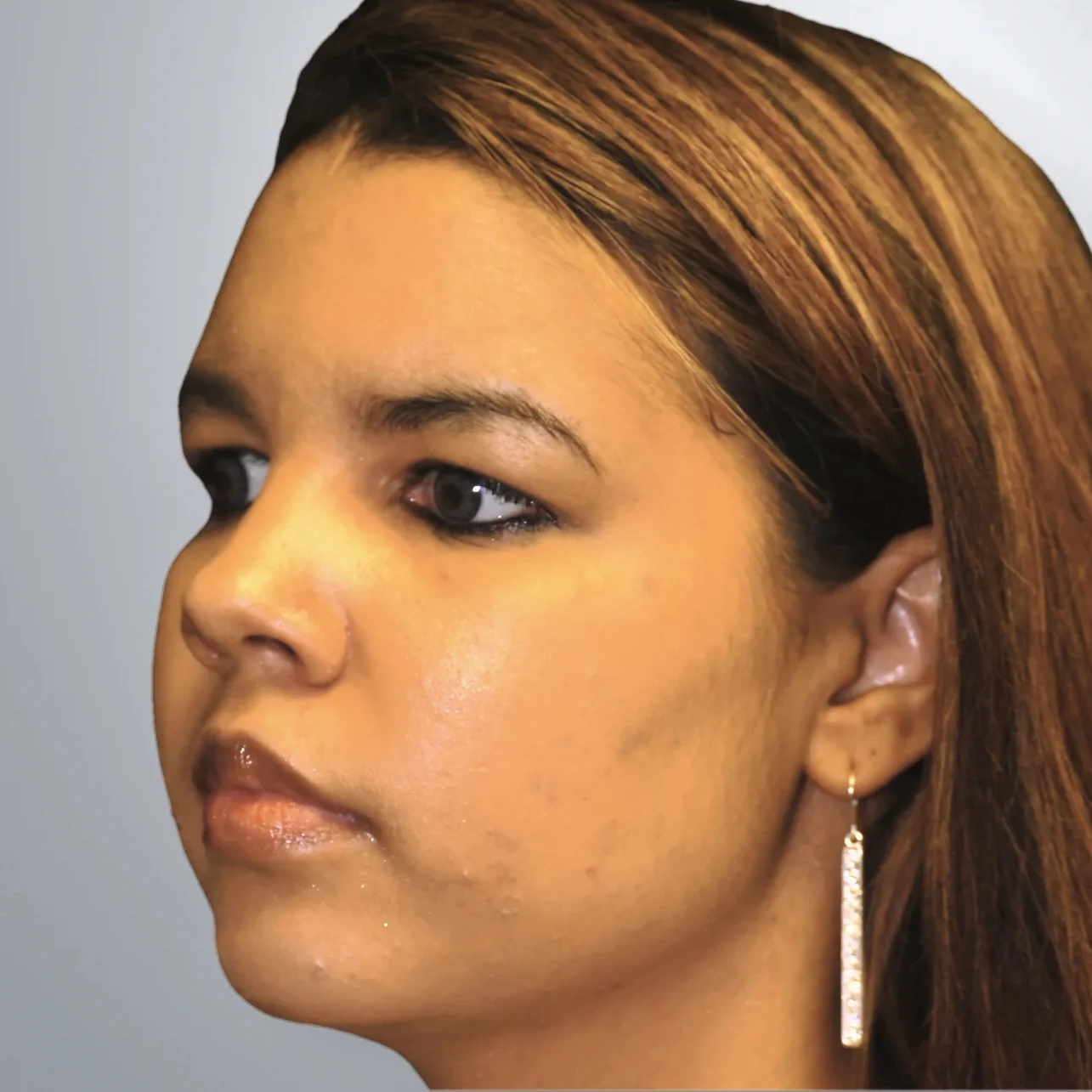
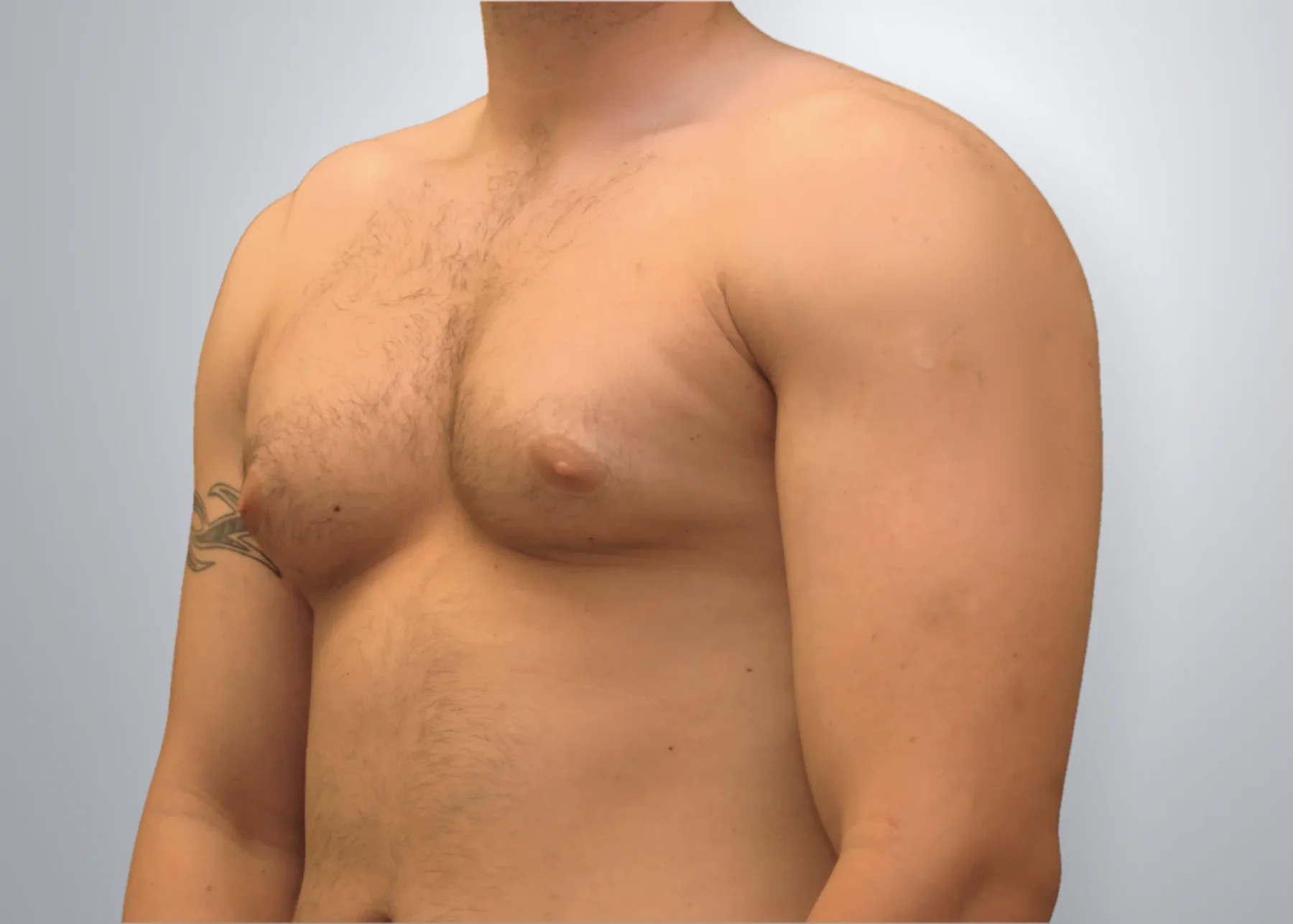
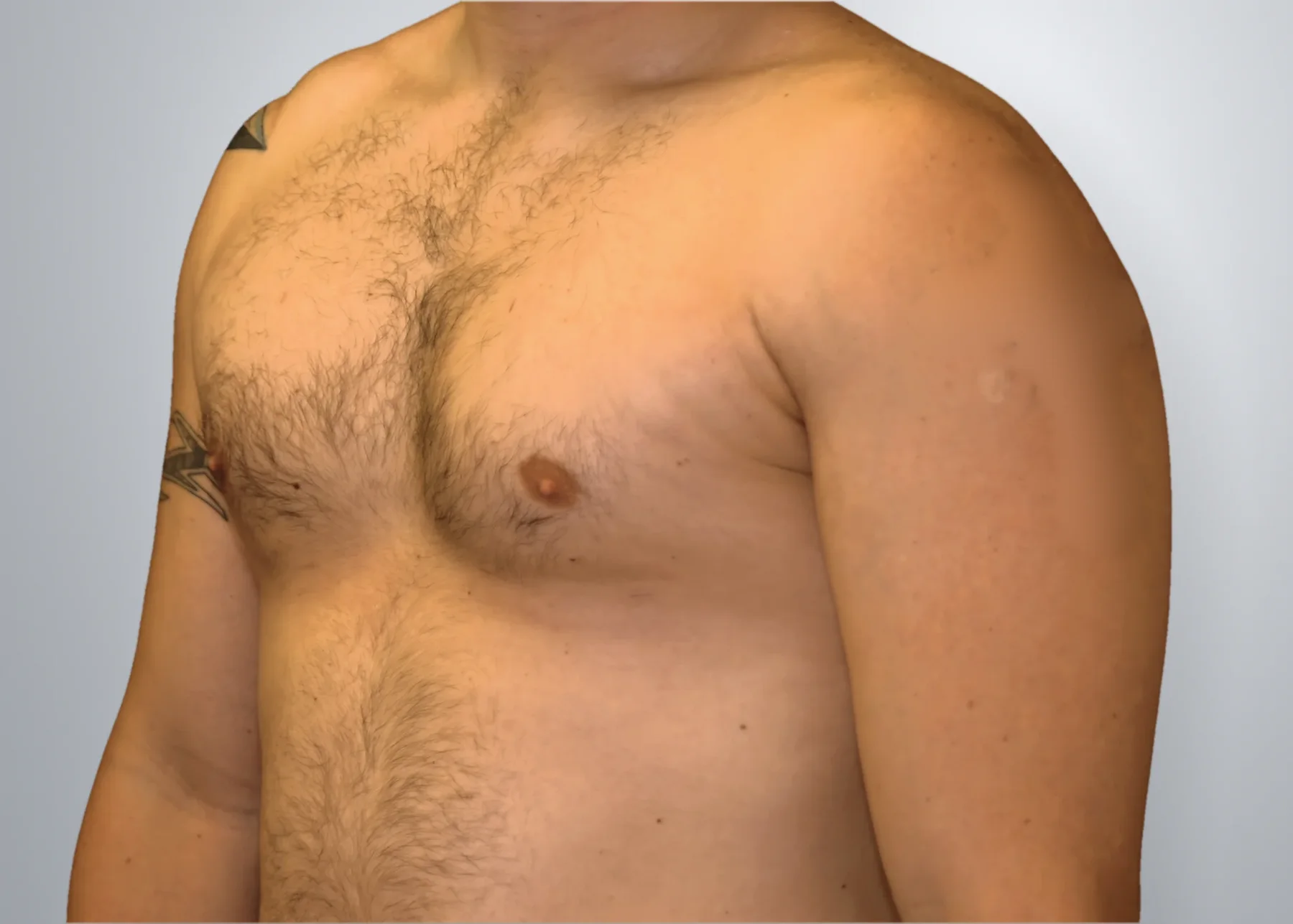
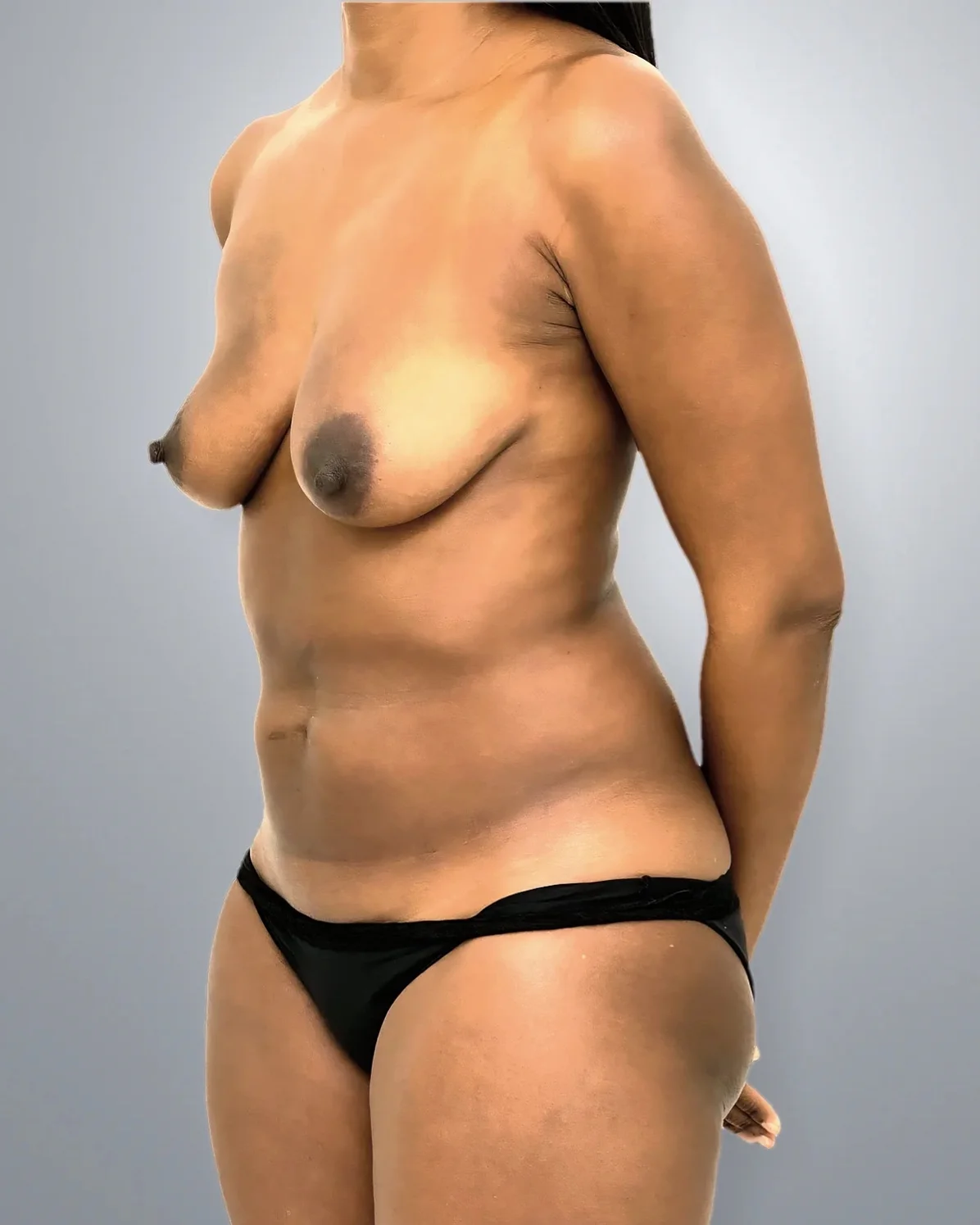
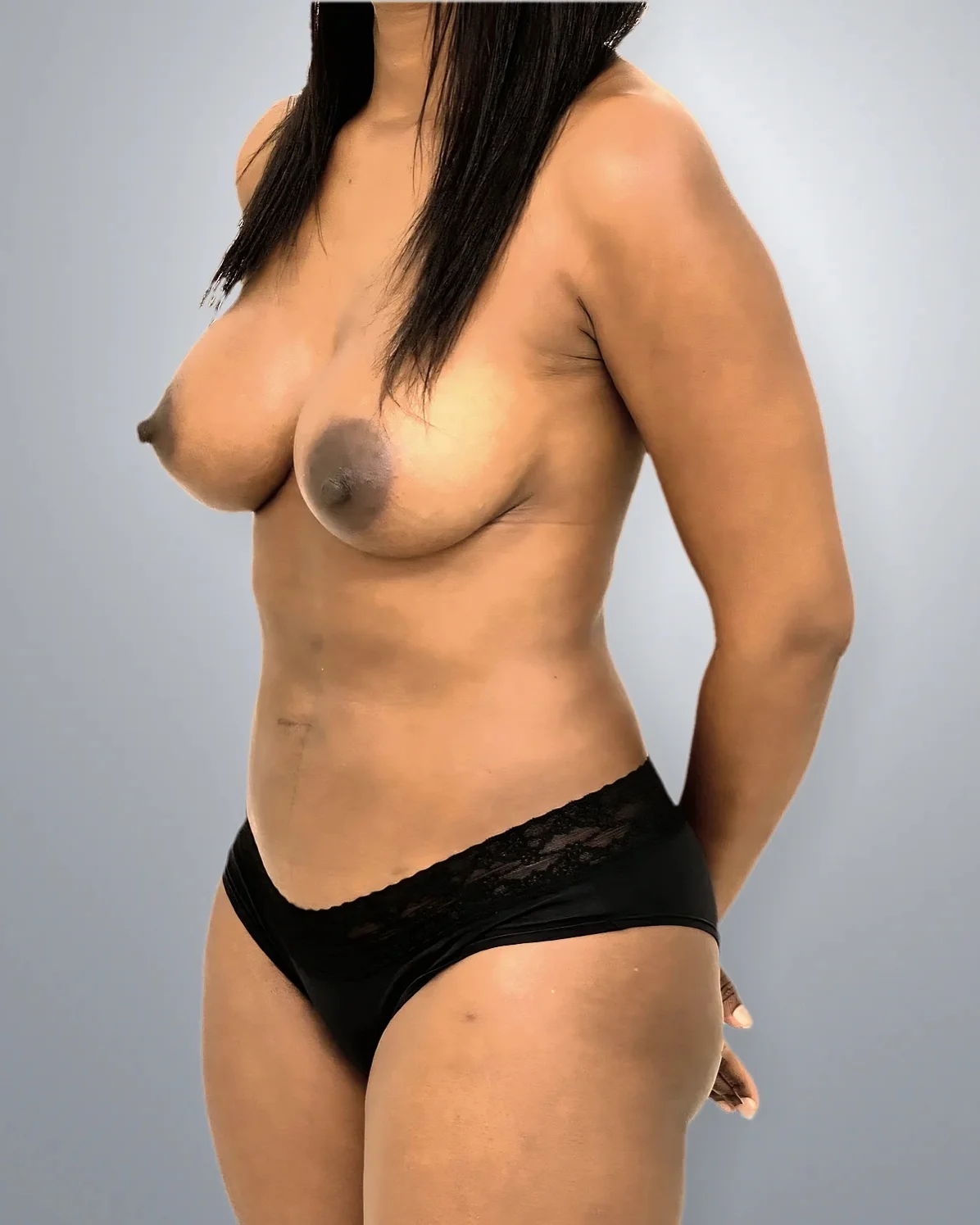
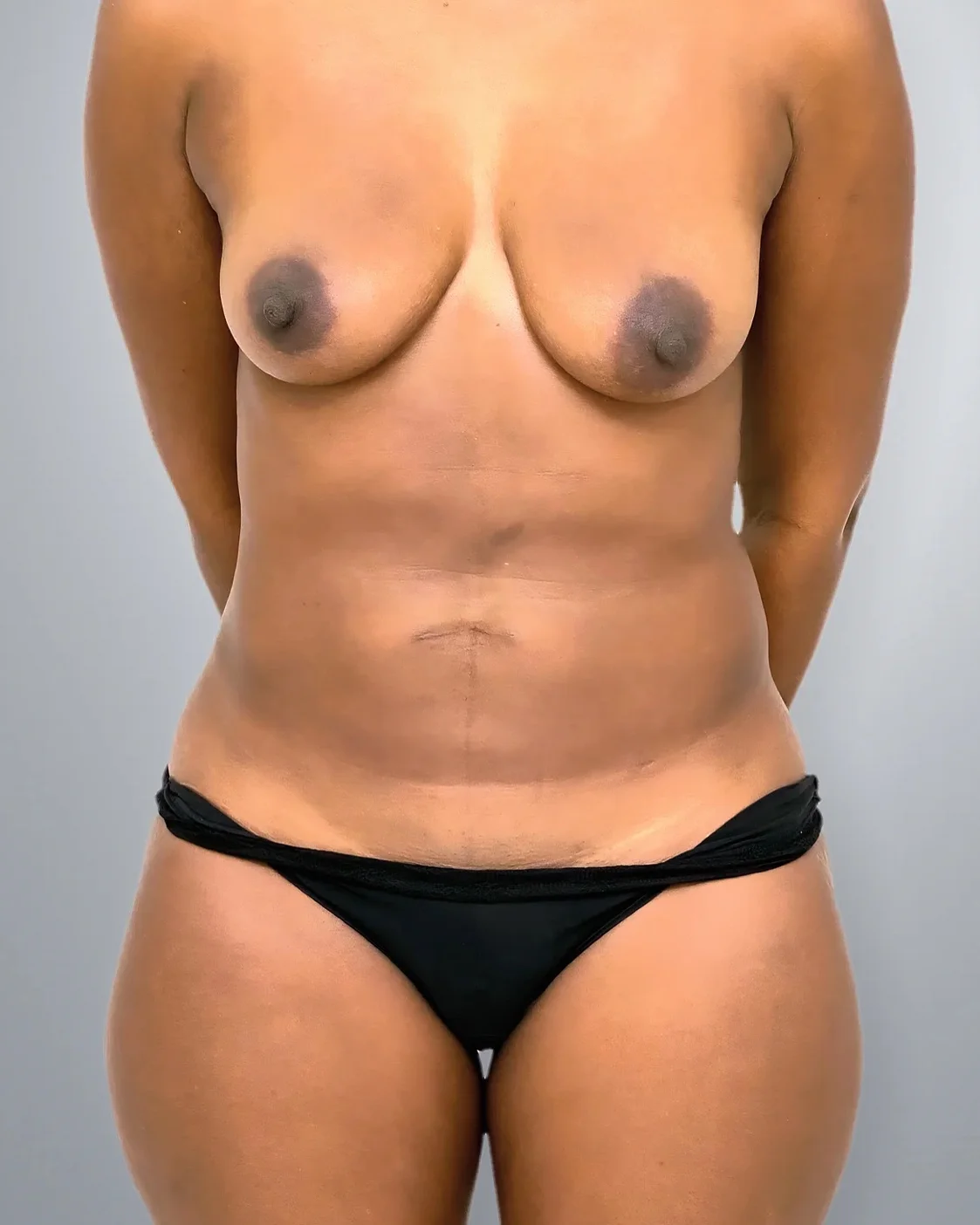
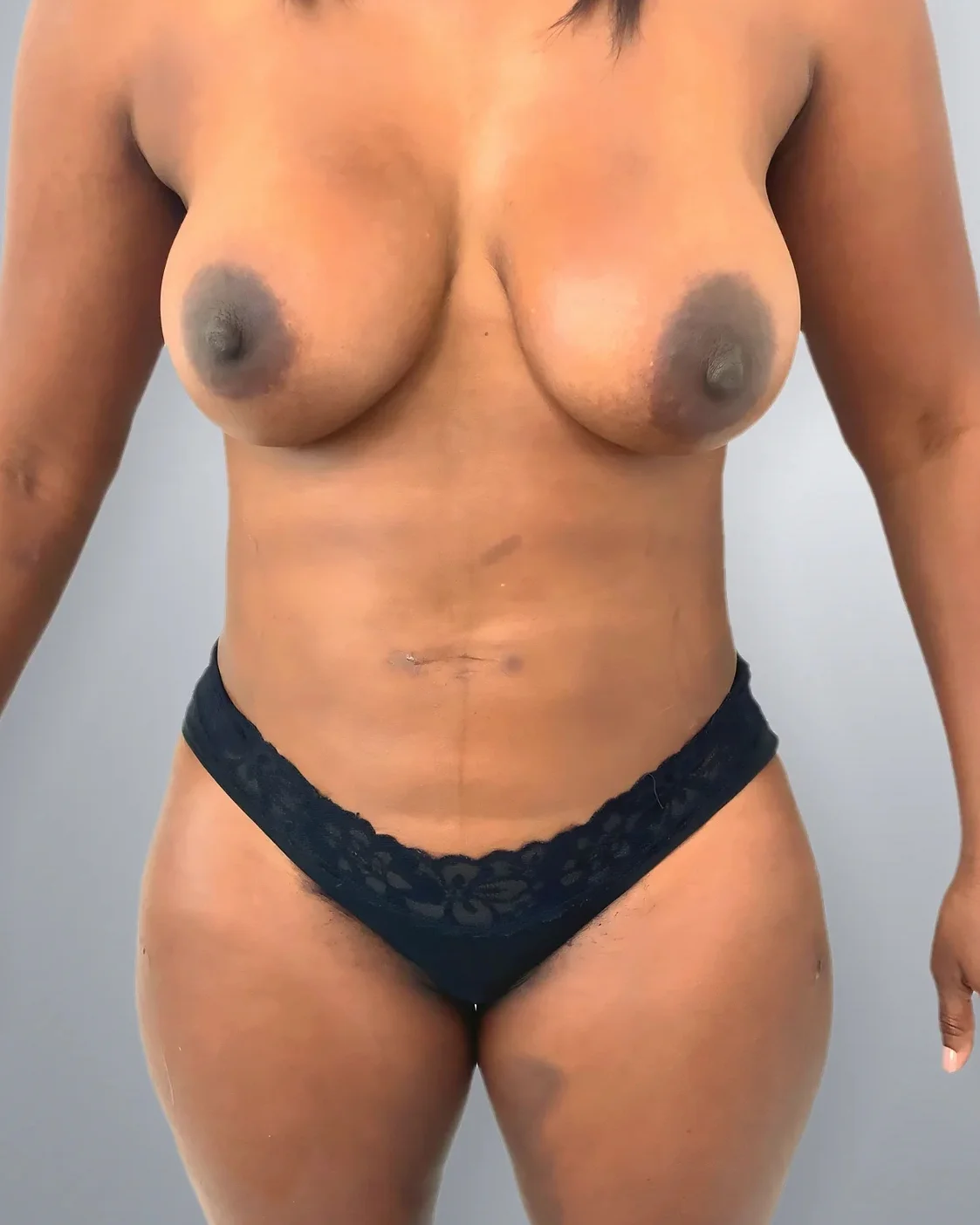
Non-clinical details in patient stories have been changed to protect privacy.
All photographs are of actual Edition Plastic Surgery patients. Individual results may vary.
Contouring Stories
What to Expect
Recovery from liposuction is relatively quick, but the final result takes patience: swelling goes down gradually over several months.
Your Consultation
Dr. Schwartz will look at where your fat is, the quality and elasticity of your skin, and your goals. He will tell you which areas will improve most, and honestly where liposuction alone will be enough and where skin may also need to be removed. You leave with a clear, specific surgical plan.
Surgery Day
Liposuction is typically performed under general anesthesia as an outpatient procedure. Operative time varies based on the number and extent of areas treated, from one to four hours. Small, inconspicuous incisions are placed in natural skin creases. You are discharged the same day wearing a compression garment.
Early Recovery
Swelling, bruising, and temporary numbness in treated areas are normal and expected. The compression garment is worn continuously. Most patients are comfortably mobile within 24–48 hours, though activity is limited. Your first follow-up visit is usually the next day.
Return to Activity
Desk work typically resumes within 3 to 5 days. Light exercise at two to three weeks. The compression garment is worn for three to six weeks to minimize swelling and support contour. Early results show through the remaining swelling.
Final Results
The final contour emerges gradually as swelling fully resolves over three to six months. The result is permanent in the treated areas, because fat cells that are removed do not grow back. Keeping your weight stable keeps the result.
Why Choose
Dr. Schwartz
Liposuction is technically straightforward. The result depends on the surgeon's judgment: knowing where to remove fat, where to leave it, and how to make the result look natural from every angle.
Full Credentials →Plastic Surgeon
Performed
Practice
Rate
Is This Right for Me?
Liposuction changes your shape, not your weight. It works best when you have specific goals and realistic expectations.
Common Reasons
Patients Choose This
- You are at a stable weight, but pockets of fat stay put however disciplined your diet and exercise, and they frustrate you.
- Your skin is elastic. Liposuction removes fat; it does not tighten loose or sagging skin.
- You have realistic expectations about what removing fat can and can't change.
- You have specific areas that bother you, rather than a wish to lose weight overall.
- You are in good general health and do not smoke.
- You want natural-looking contours rather than an obviously operated look.
Things to Consider
Before Proceeding
- You plan to lose a lot of weight. Dr. Schwartz recommends reaching your goal weight first, so the result is stable.
- Your skin is very loose. Dr. Schwartz may suggest a procedure that removes skin instead.
- You smoke. Smoking significantly affects healing, and Dr. Schwartz requires you to stop completely for a set period before and after surgery.
- You are hoping to lose weight. Liposuction changes shape, not overall weight.
- You are pregnant or have a medical condition that is not under control. Surgery will be postponed until it is safe.
Dr. Schwartz will tell you honestly what liposuction can do for you, and whether a procedure that removes skin would serve you better.
Frequently Asked
Answers to the questions Dr. Schwartz hears most often from liposuction patients.
Liposuction is a good option for men and women at a healthy, stable weight who have stubborn fat that diet and exercise don't shift. Dr. Schwartz looks for good skin elasticity, because liposuction removes fat; it does not tighten loose skin. It is a way to contour the body, not a treatment for weight loss.
He uses the VASER ultrasonic system to liquefy the fat, then Vibrasat Pro power-assisted cannulas to remove it. Together they remove fat more evenly and gently than traditional methods, with significantly less trauma to the surrounding tissues, and help bring out your natural muscle definition.
Most patients return to desk work within 3 to 5 days and can drive within a week. You may shower two days after surgery. You wear a compression garment for three to six weeks to control swelling and help the skin settle smoothly over the new contours. Light activity is encouraged early, but Dr. Schwartz recommends waiting three weeks before returning to your full exercise routine.
You will see a change in your shape immediately, and it keeps improving as swelling goes down. Patients typically see about 75% of their final result at one month and 90% by the second month. The fat cells removed are gone permanently, but keeping your weight stable keeps the result.
Discomfort after surgery is usually mild to moderate, similar to the soreness after a strenuous workout. Because the VASER and Vibrasat tools Dr. Schwartz uses need less force than traditional instruments, there is usually less bruising and swelling, and strong painkillers are rarely needed.
This is a common point of confusion. Liposuction removes fat but does not treat loose skin or separated abdominal muscles (diastasis recti). If your skin is elastic, liposuction alone may give a good result. If the skin is loose or the muscles are separated, you need a tummy tuck, which Dr. Schwartz often combines with liposuction, to get a flat, firm abdomen.
The cost depends on how many areas are treated and on your anatomy. After your private consultation Dr. Schwartz gives you a surgical plan and a definitive fee quote. Financing is available.
Recovery & Concierge Care
You go home the same day, wearing your compression garment. Dr. Schwartz sees you the next day, then typically at one week, three weeks, two months, four months and six months, adjusted to how you are healing. He does almost all follow-up visits himself, and at each one he gives you a specific plan for the weeks ahead. The small incisions are closed with dissolving stitches, so there are none to remove.
The office can be reached 24 hours a day. After-hours calls from patients recovering from surgery go directly to Dr. Schwartz, so an important question never waits until morning. The recovery is planned so that any responsible adult can look after you at home. If you would rather have a nurse caring for you at home or in a hotel, we can arrange it.