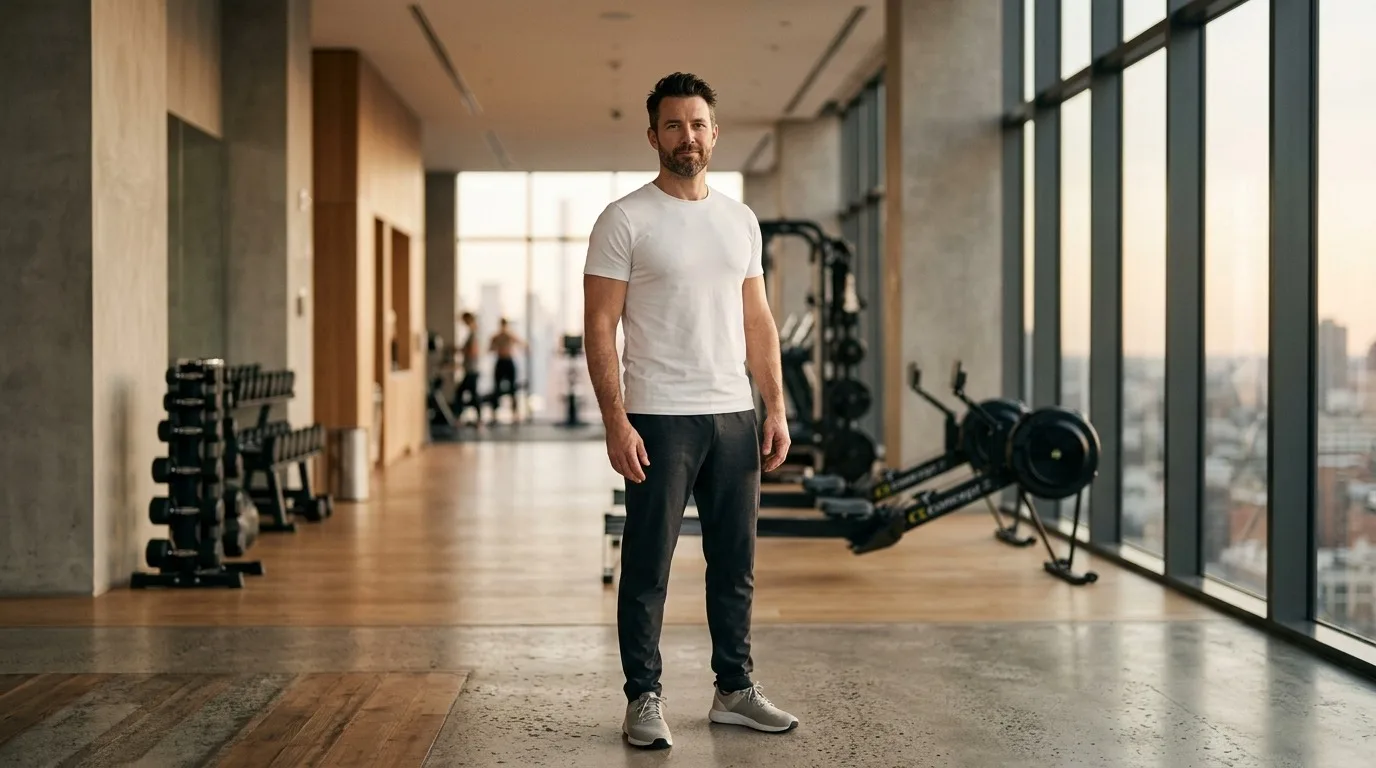
Gynecomastiain Dallas
Removes excess breast gland and fat in men, with liposuction and excision, for a flatter chest.
Gland and Fat,
Removed.
Gynecomastia, the growth of extra breast tissue in men, affects a significant percentage of men, yet many never seek help because of the stigma. It can come from genetics, weight changes or hormones. Many of the men Dr. Schwartz sees eat well and exercise, and their chest still won't flatten, which leaves them self-conscious about it. Diet and exercise alone can't remove this tissue.
Surgery removes the extra tissue and leaves a flat chest, and the result is permanent. Dr. Schwartz first works out how much of the enlargement is gland and how much is fat. By combining Vaser ultrasonic liposuction with power-assisted liposuction, he can often remove dense glandular tissue and shape the chest through very small incisions. This often lets him avoid the traditional, more visible incisions around the areola, which gives a smoother, more muscular chest wall, less trauma to the tissue and a more predictable recovery. Where firm gland tissue remains, he cuts it out directly.
The Procedure
Gynecomastia is the medical term for enlarged breast tissue in men, often caused by genetics, weight changes or hormones. Dr. Schwartz recommends surgery for healthy men at a stable weight who want a flatter, more masculine chest that diet and exercise alone can't give them. At your consultation he grades the condition and works out whether it is mainly fat, mainly gland, or both.
Dr. Schwartz uses a combination of VASER ultrasound-assisted and power-assisted liposuction. It works particularly well on the fibrous tissue of the male chest, removing fat thoroughly through small incisions.
True glandular tissue (the firm disc beneath the nipple) can't be removed by liposuction alone and has to be cut out. When that is necessary, Dr. Schwartz places the incision along the lower border of the areola, where the natural change in skin color hides the scar. In many cases VASER lets him do this through even smaller access points.
Gynecomastia surgery is usually done under general anesthesia. Smaller cases, where only a limited amount of tissue is removed, can sometimes be done under local anesthesia.
Most patients are ready to return to work within 4 to 5 days. Dr. Schwartz recommends waiting at least three weeks before strenuous exercise. Right after surgery you wear a medical compression garment to limit swelling and support the chest. The improvement in shape is visible at once; minor bruising and swelling settle over the first few weeks.
If there is a lot of loose skin, most often after major weight loss, some skin may need to be removed as well as the tissue underneath. Dr. Schwartz uses the least invasive approach that will give you a flat, firm chest.
Gynecomastia Portfolio
Drag the handle to compare.
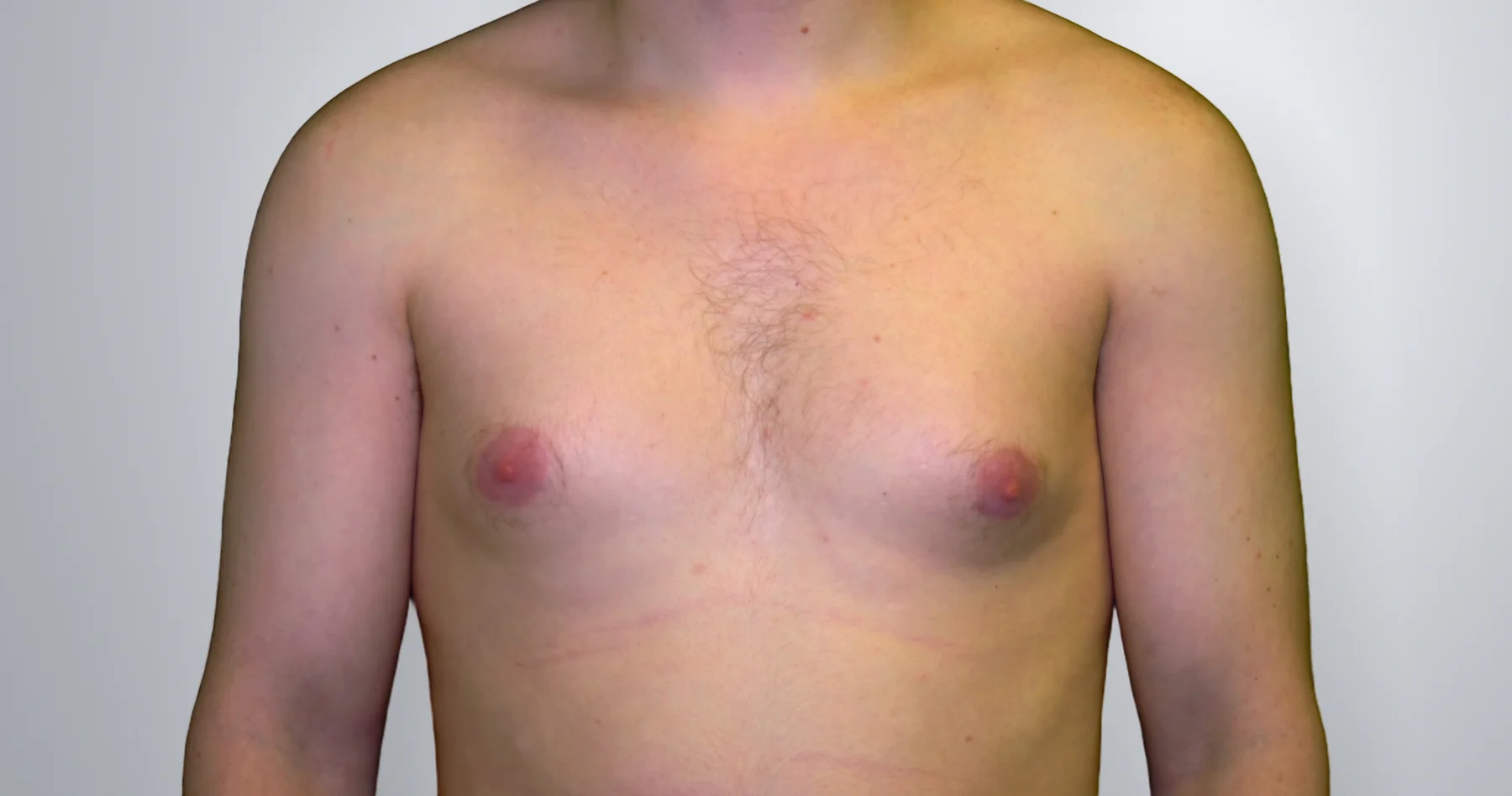
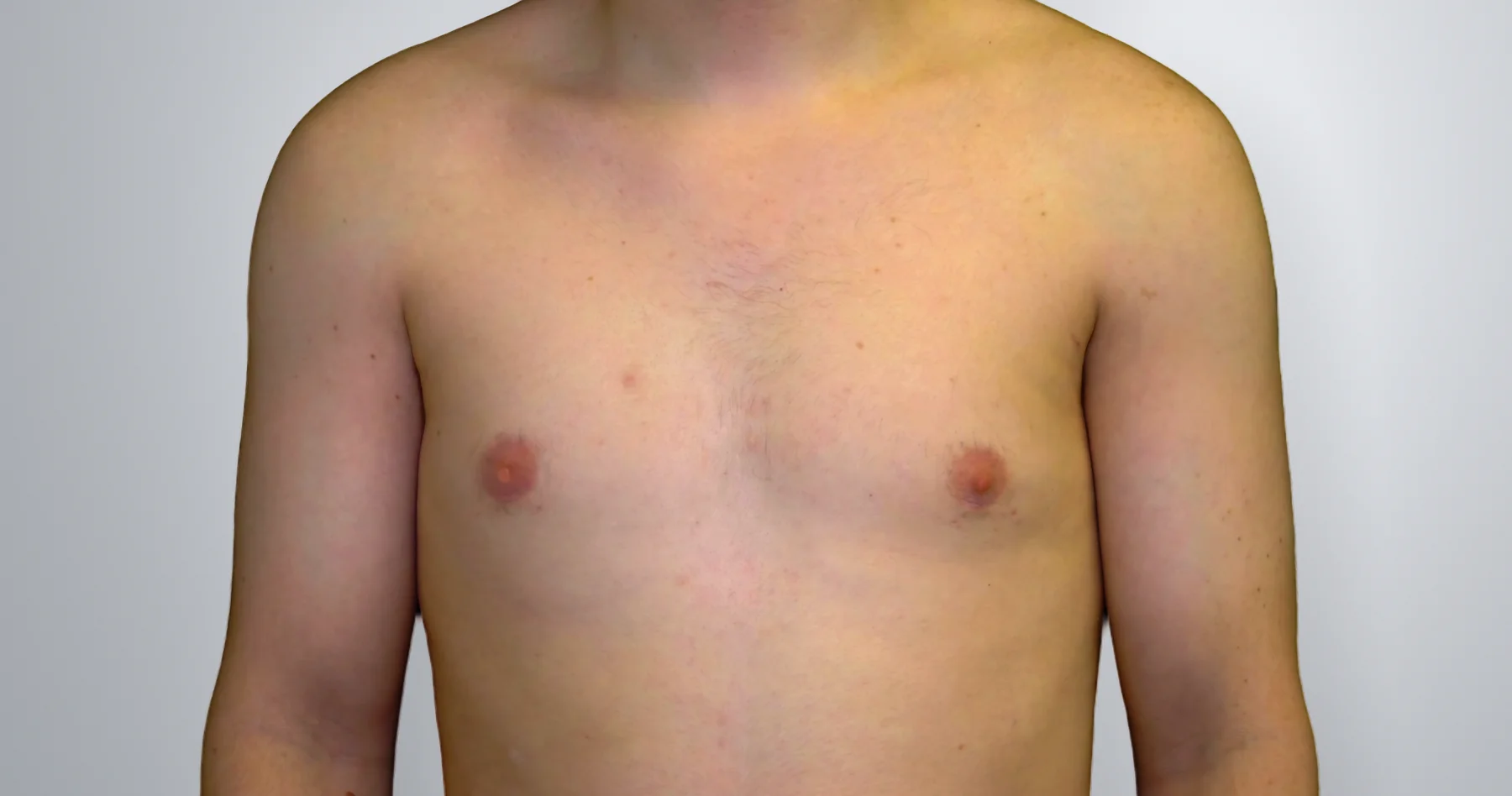
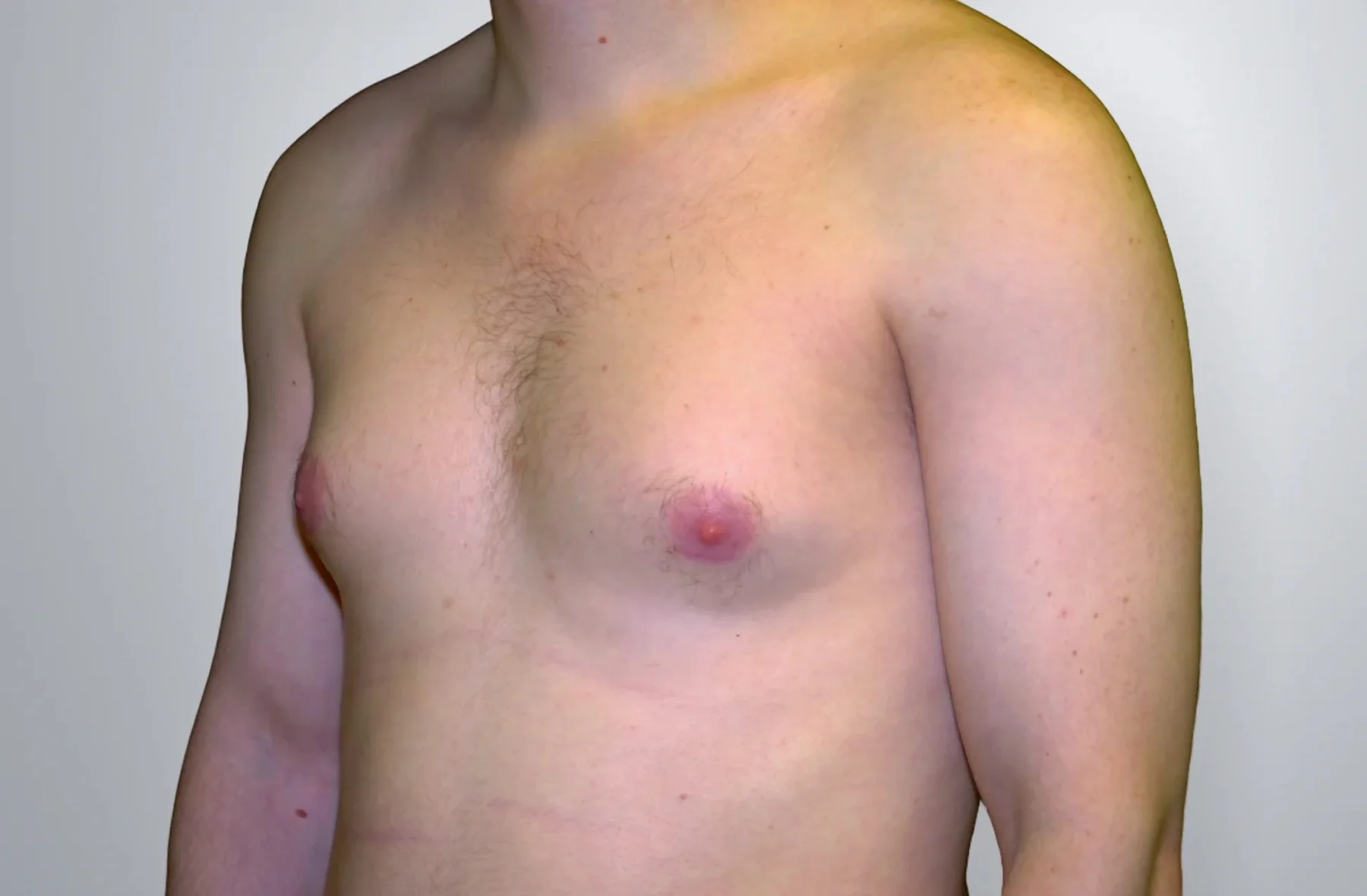
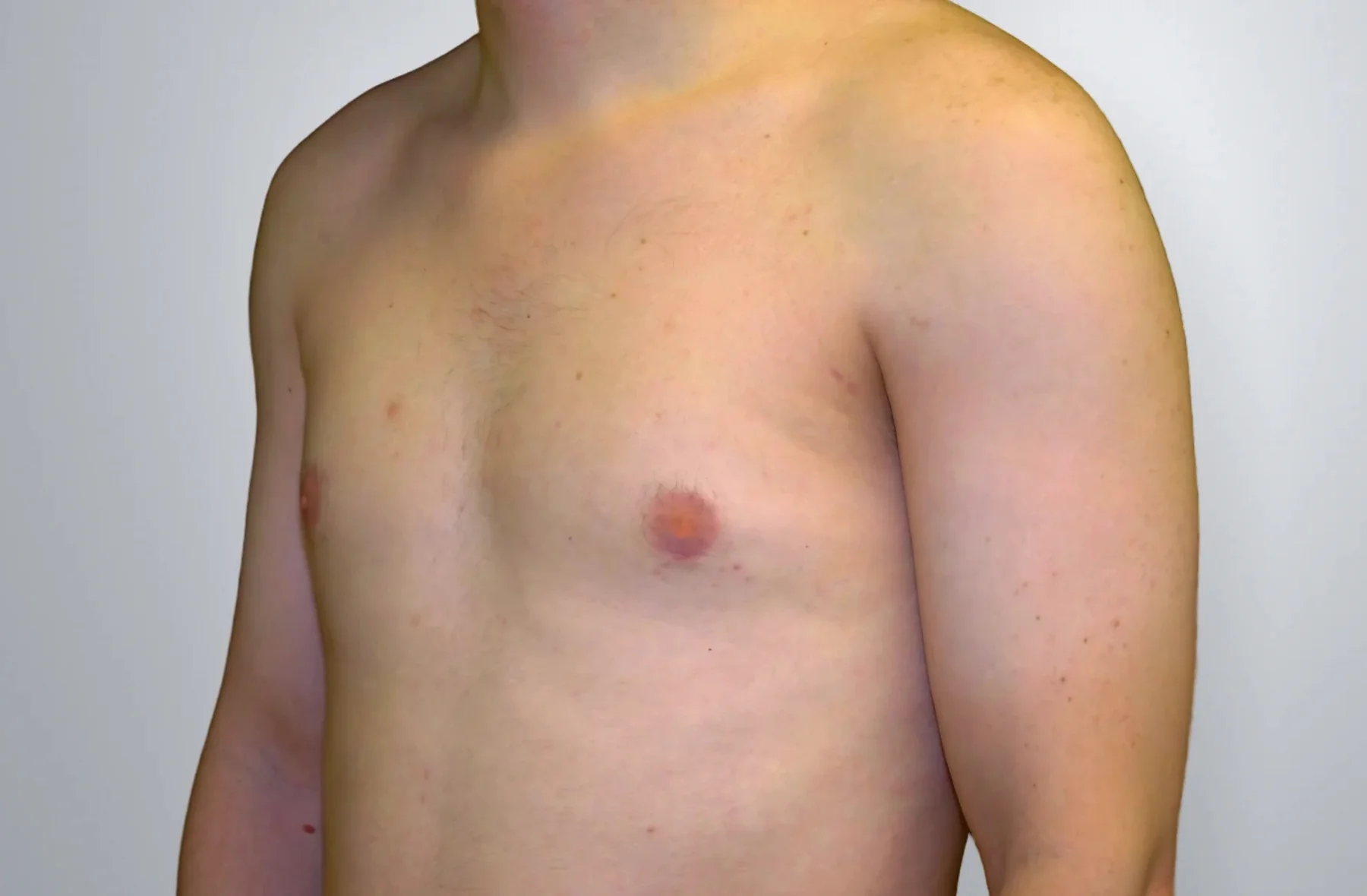
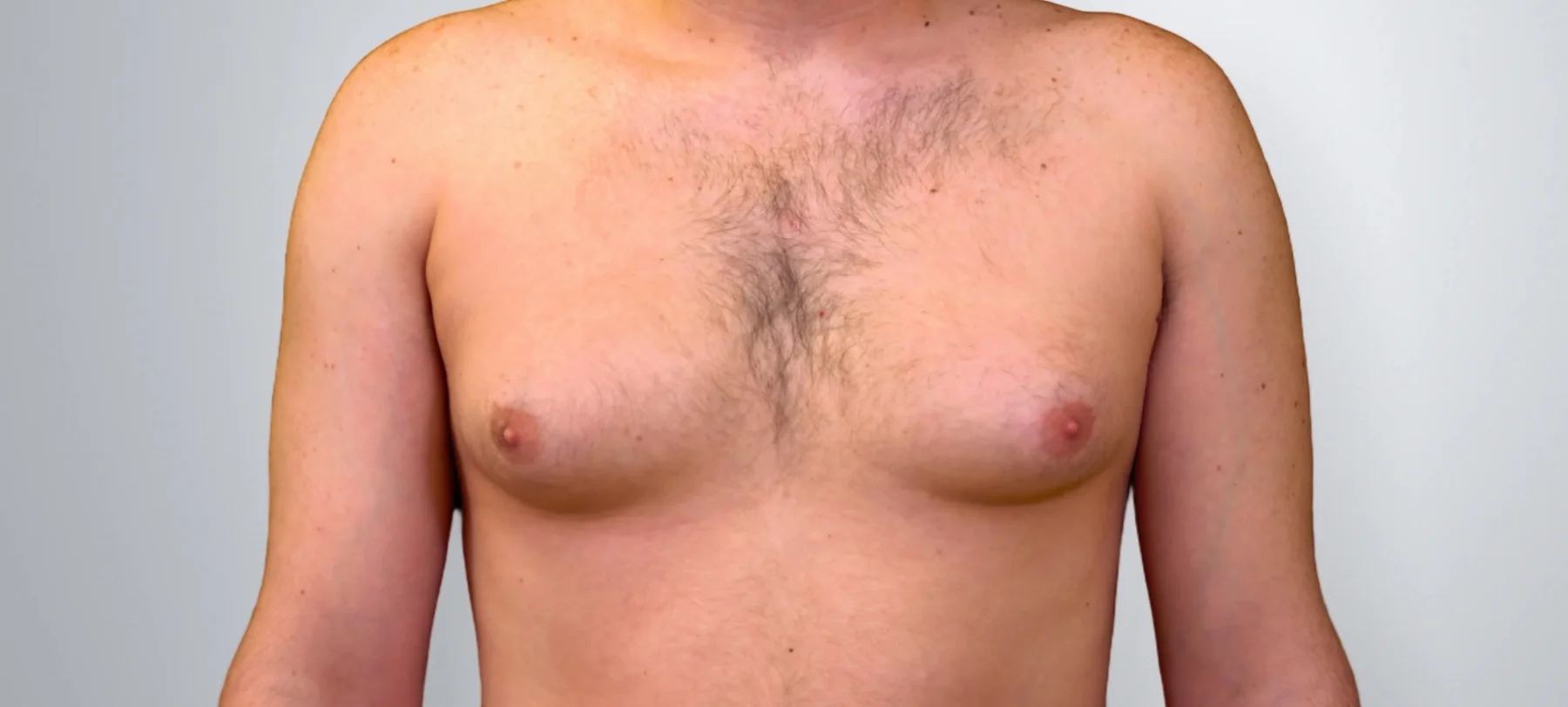
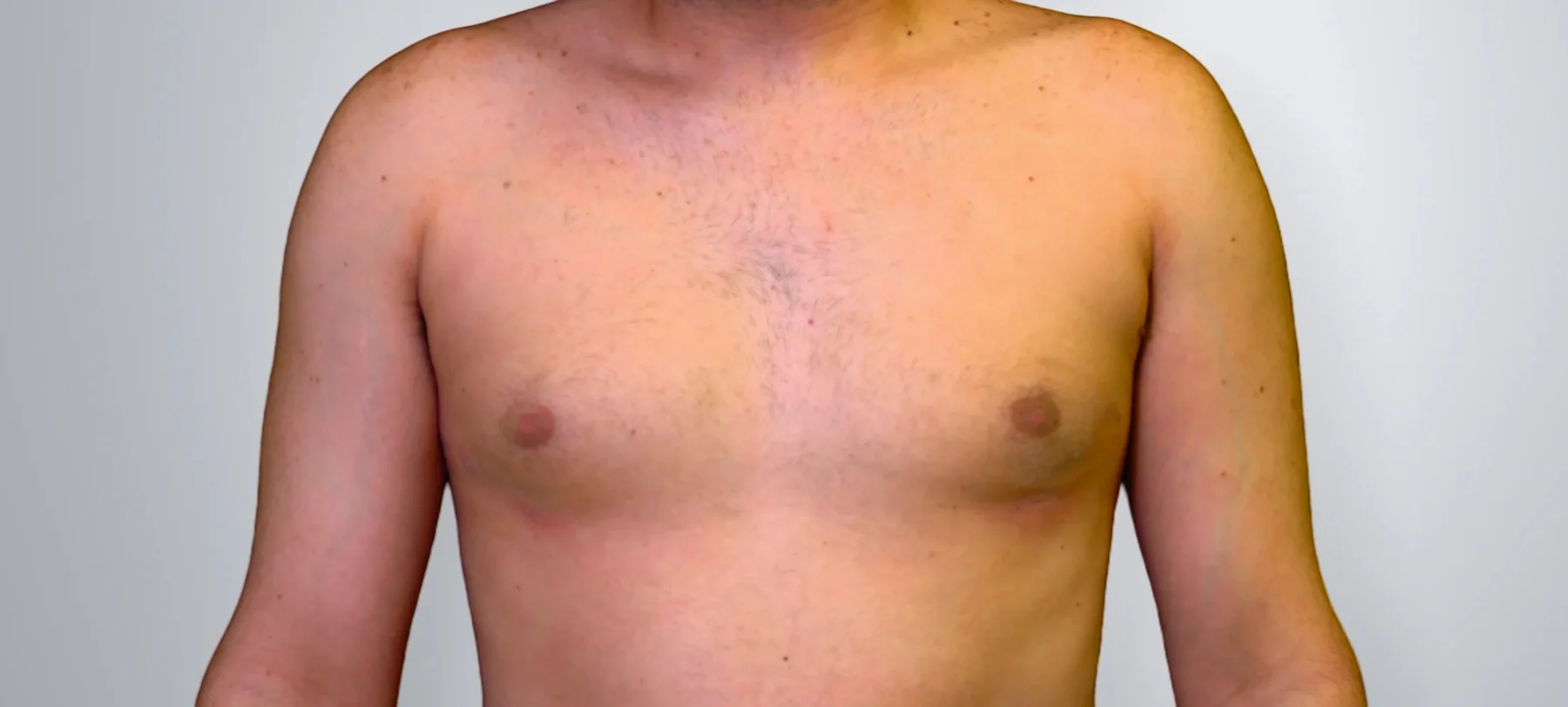
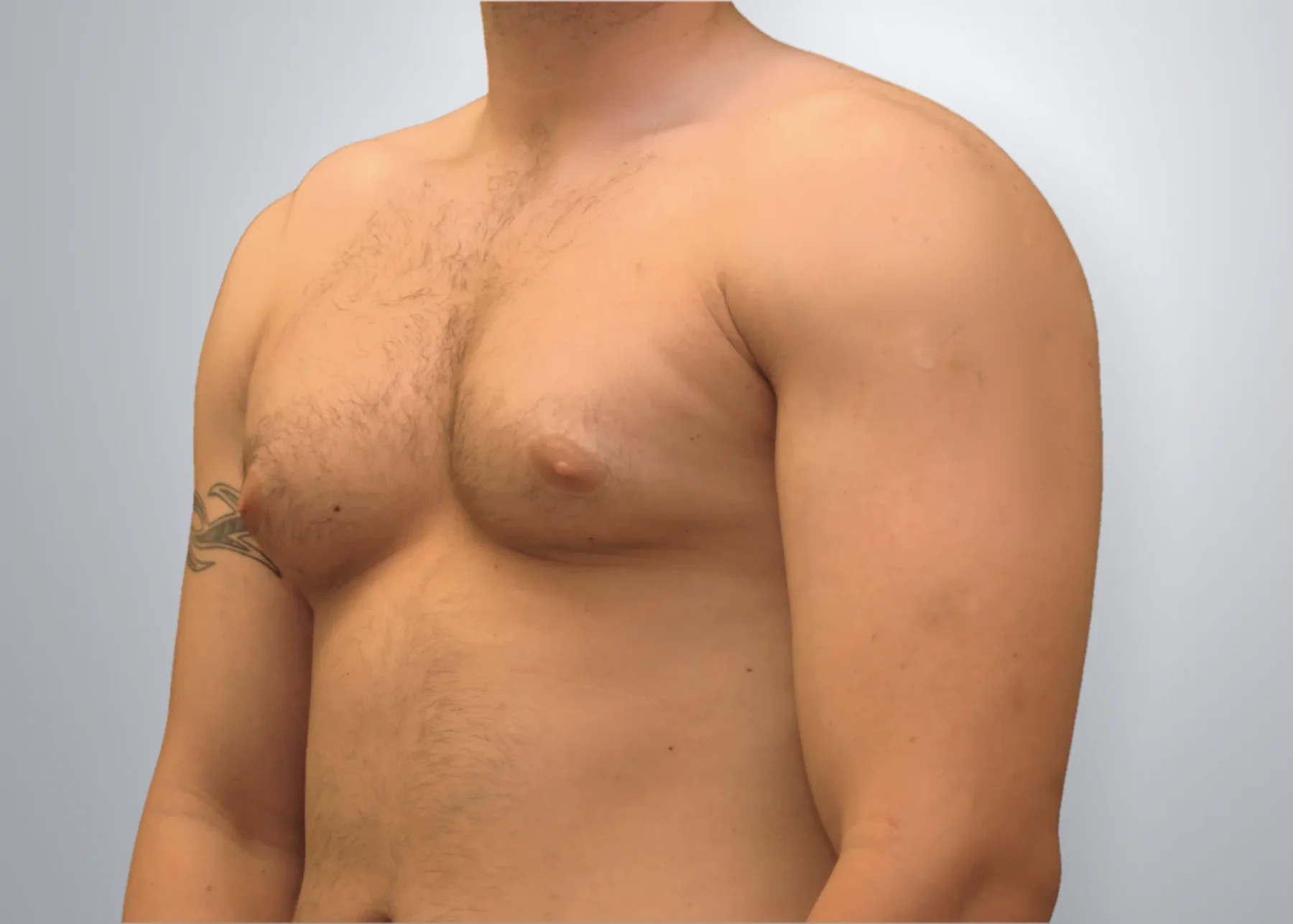
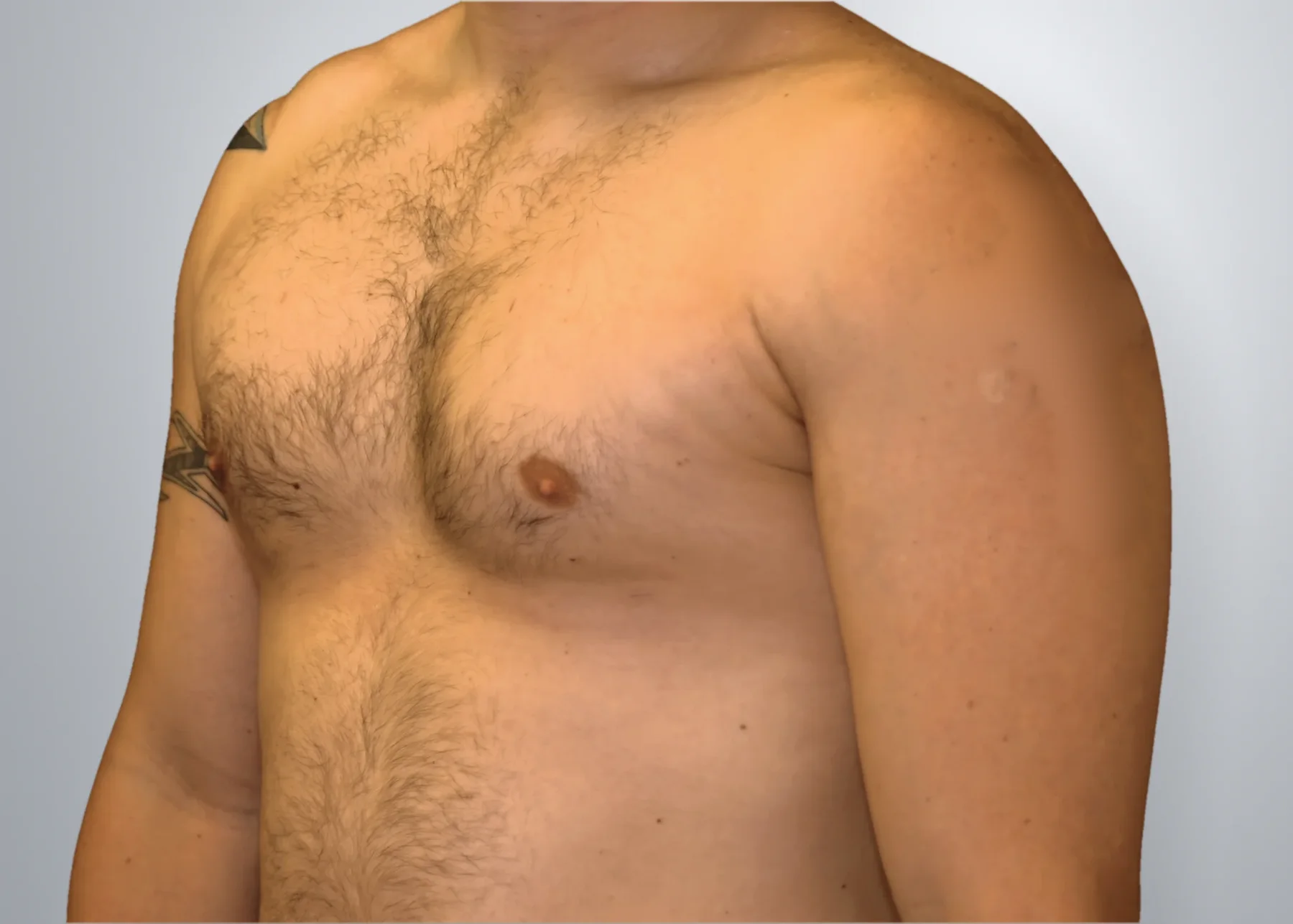
Non-clinical details in patient stories have been changed to protect privacy.
All photographs are of actual Edition Plastic Surgery patients. Individual results may vary.
Patient Stories
What to Expect
The change is visible right away, and most patients are back at a desk job in 4 to 5 days.
Your Consultation
Dr. Schwartz examines your chest, grades the gynecomastia, works out what it is made of, and decides on the surgical approach. He tells you whether liposuction alone will do or whether gland tissue also needs to be cut out, what to expect from the shape of your chest and the scars, and answers every question directly.
Surgery Day
Gynecomastia surgery is performed under general anesthesia as an outpatient procedure, typically taking one to two hours. You are discharged the same day wearing a compression vest with all post-operative supplies, incision care instructions, and a follow-up visit, usually the next day.
Early Recovery
Soreness and swelling are normal and well-managed with prescribed medication. The compression vest is worn continuously. Most patients are up and moving comfortably within 24 hours. The improvement in the shape of the chest is visible from the first days, even through the swelling.
Return to Activity
Desk work resumes within 4 to 5 days. Light exercise at two to three weeks. The compression vest is worn for four to six weeks.
Final Results
The final chest contour emerges as swelling fully resolves over three to six months. Glandular tissue removed surgically is permanently gone. Maintaining a stable weight and avoiding anabolic steroids protects the result long-term.
Why Routine Expertise
Matters Here
Gynecomastia is one of those procedures where the difference between a surgeon who treats it routinely and one who does so only occasionally shows clearly in the outcome. Dr. Schwartz shapes the chest so it looks masculine as well as flatter, and he handles the consultation discreetly and directly.
Full Credentials →Plastic Surgeon
Performed
Practice
Rate
Is This Right for Me?
Gynecomastia affects men of all ages and body types. Surgery is worth considering whenever the breast tissue makes you self-conscious or limits your quality of life, whatever the degree.
Common Reasons
Patients Choose This
- You have visible extra breast tissue or fat that hasn't gone with a healthy diet and regular exercise, and it makes you self-conscious.
- You have had it for over a year without it improving on its own.
- You are at or near a stable weight. Surgery reshapes the chest; it is not a way to lose weight.
- You are in good general health and will stay off nicotine before and after surgery.
- You have realistic expectations of what surgery can do for your chest.
- Your breast development has stabilized. Dr. Schwartz treats adolescents, but surgery works best after that point.
Things to Consider
Before Proceeding
- You may have an underlying medical condition or hormonal imbalance. It needs to be identified and treated before surgery.
- You use anabolic steroids or medications known to cause gynecomastia. Dr. Schwartz requires you to stop, so the result lasts.
- You still plan to lose a significant amount of weight. Losing fat may improve your chest on its own, so Dr. Schwartz recommends reaching your goal first.
- You have recently started or stopped a medication that affects breast tissue. It is worth waiting to see if the condition goes away on its own.
- You smoke. You will need to stop completely before surgery.
If gynecomastia affects your confidence or quality of life, a consultation is the right first step. Dr. Schwartz treats the condition with complete discretion, and he knows it matters.
Frequently Asked
Answers to the questions Dr. Schwartz hears most often from gynecomastia patients.
A good candidate is a man at a stable, healthy weight with extra breast tissue that hasn't responded to diet or exercise, whether it comes from hormonal changes, genetics or a medication taken in the past. At the consultation Dr. Schwartz works out how much of the tissue is gland and how much is fat, and chooses the surgical approach from that.
Dr. Schwartz uses Vaser ultrasonic liposuction and power-assisted liposuction, which break down fat and glandular tissue through very small incisions. This often lets him avoid the larger, traditional incisions used in the past, and leaves a more muscular shape with less trauma to the area.
Most patients return to desk work within 4 to 5 days. A medical compression vest is worn for four to six weeks to limit swelling and support the chest. Light exercise can often resume at two to three weeks, but Dr. Schwartz recommends waiting three weeks before heavy lifting or strenuous chest workouts.
With Vaser and power-assisted liposuction, Dr. Schwartz can often work through tiny access points, which usually fade to small marks that are hard to see. When gland tissue has to be cut out, he places the incision at the lower border of the areola, where the natural change in skin color hides it. After surgery our team gives you a scar-care plan.
Most patients report soreness or tightness, like the feeling after an intense chest workout, rather than sharp pain. Dr. Schwartz is gentle with the surrounding tissue, and the early discomfort is usually well controlled with standard medication. The improvement is visible right away.
Yes. Once glandular tissue and fat cells are removed, they do not grow back, so the improvement in your chest is permanent. To protect it, keep to a healthy lifestyle: significant weight gain, anabolic steroids or certain medications can cause new tissue to grow and undo part of the result.
The cost depends on the grade of the condition and whether you need liposuction alone or liposuction plus removal of gland tissue. Dr. Schwartz gives you a fee quote after examining you. Financing is available.
Recovery & Concierge Care
You go home the same day, wearing a compression vest, with your supplies and incision care instructions. Dr. Schwartz sees you the next day, then typically at one week, three weeks, two months, four months and six months, adjusted to how you are healing. He does almost all follow-up visits himself, and at each one he gives you a specific plan for the weeks ahead.
The office can be reached 24 hours a day. After-hours calls from patients recovering from surgery go directly to Dr. Schwartz, so an important question never waits until morning. The recovery is planned so that any responsible adult can look after you at home. If you would rather have a nurse caring for you at home or in a hotel, we can arrange it.