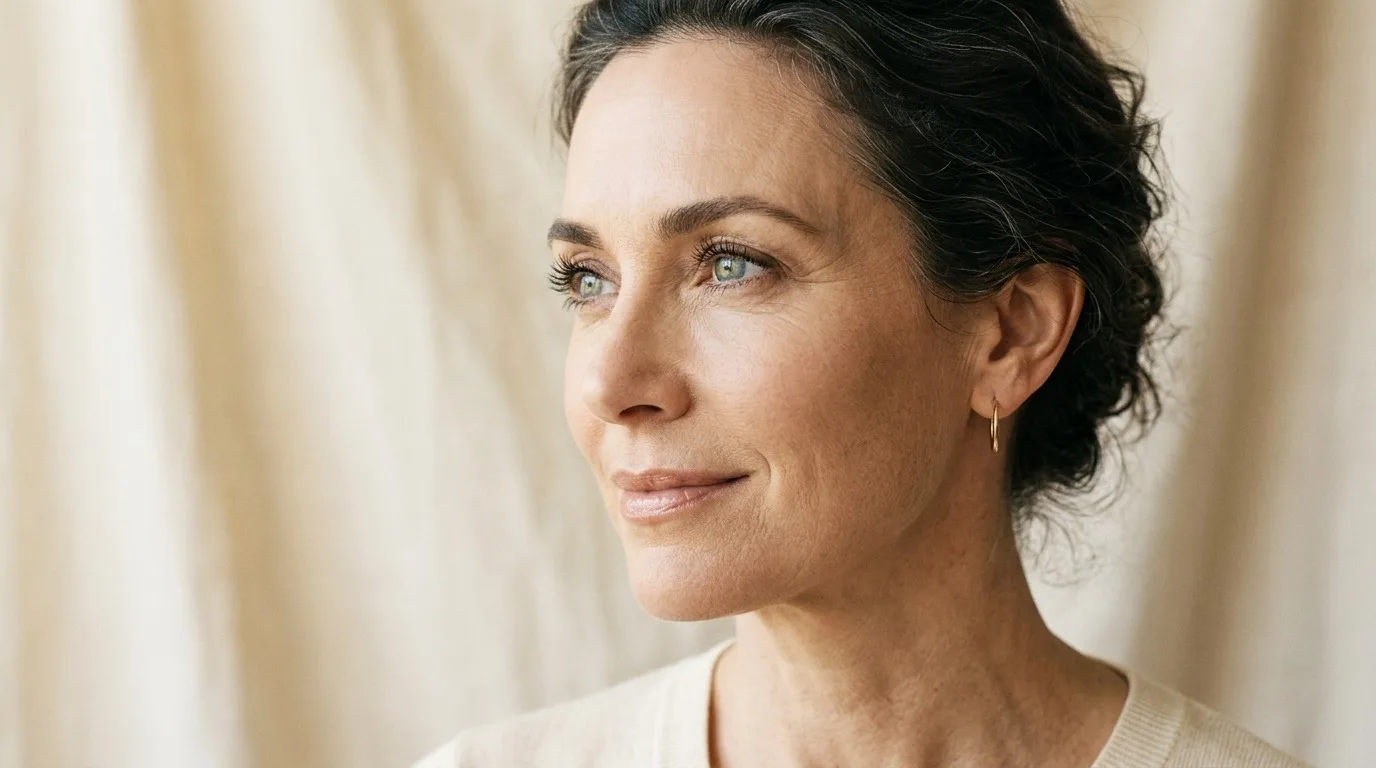
Blepharoplastyin Dallas
Upper and lower eyelid surgery to remove hooding and under-eye bags.
Eyes That Look
Rested Again.
The eyes are the first place others look, and often the first place aging shows. Extra skin on the upper lids makes the eyes look smaller, heavier and more tired, and bags and hollows under the lower lids cast shadows that concealer can't fully hide. You can look tired after a full night's sleep. For some people the extra skin also starts to weigh down the lid and get in the way of their vision.
Upper blepharoplasty removes the extra skin; lower blepharoplasty smooths the under-eye bags. Dr. Schwartz places the incisions in the natural contours of the lids, where they are hard to see once healed, and he removes tissue conservatively, because taking too much skin or fat leaves the eyes looking hollow. The aim is to make the eyes look rested without looking operated on, keeping their natural shape.
The Procedure
Dr. Schwartz places the incision in the natural eyelid crease, where it is usually very hard to see once healed. He removes only the excess skin that causes the hooding and heaviness, which opens up the eye and leaves its natural shape and the way it works unchanged.
For patients with good skin quality, Dr. Schwartz uses a transconjunctival approach: the incision is inside the lid, so the under-eye bags are treated with no external scar. If there is significant extra skin, he uses a subciliary incision just below the lash line, which lets him treat the fat and tighten the skin.
Removing fat alone can leave the eyes looking hollow or 'skeletonized'. Dr. Schwartz prefers to move the fat into the tear trough, the hollow that creates the dark shadow under the eye. That restores volume and gives a smooth transition from the eyelid to the cheek.
A low brow often pushes skin onto the upper lid, so the lid seems to have extra skin when the problem isn't really the eyelid. At your consultation, Dr. Schwartz checks your brow position to decide whether blepharoplasty alone is enough or a combination is needed.
Most procedures are done under general anesthesia or IV sedation. Most patients return to work within 7 to 10 days, and Dr. Schwartz recommends avoiding strenuous exercise for three weeks.
Surgery doesn't change skin color or texture. Dr. Schwartz may suggest laser treatment for discoloration or filler to restore lost volume.
Blepharoplasty Portfolio
Drag the handle to compare.
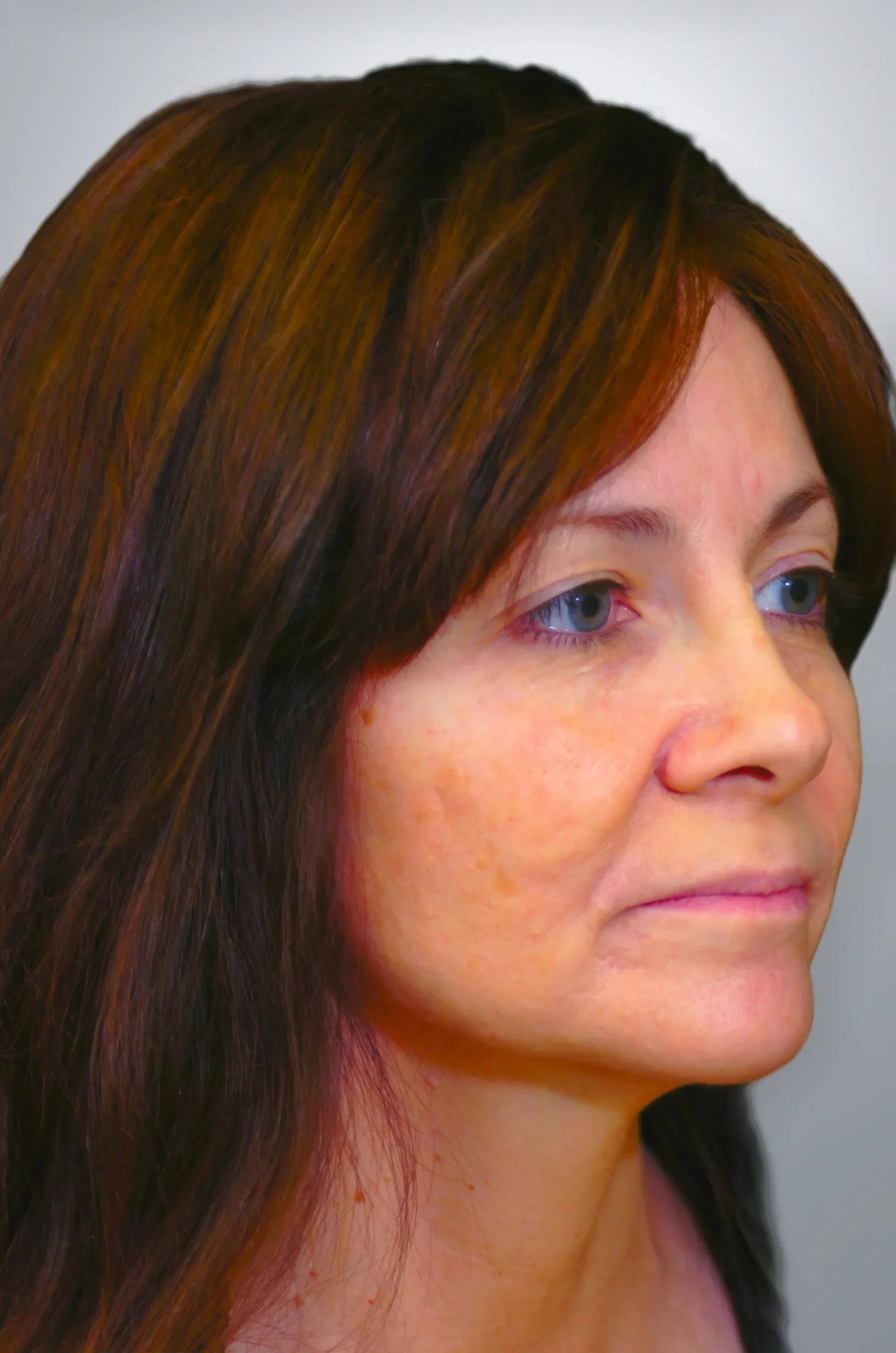
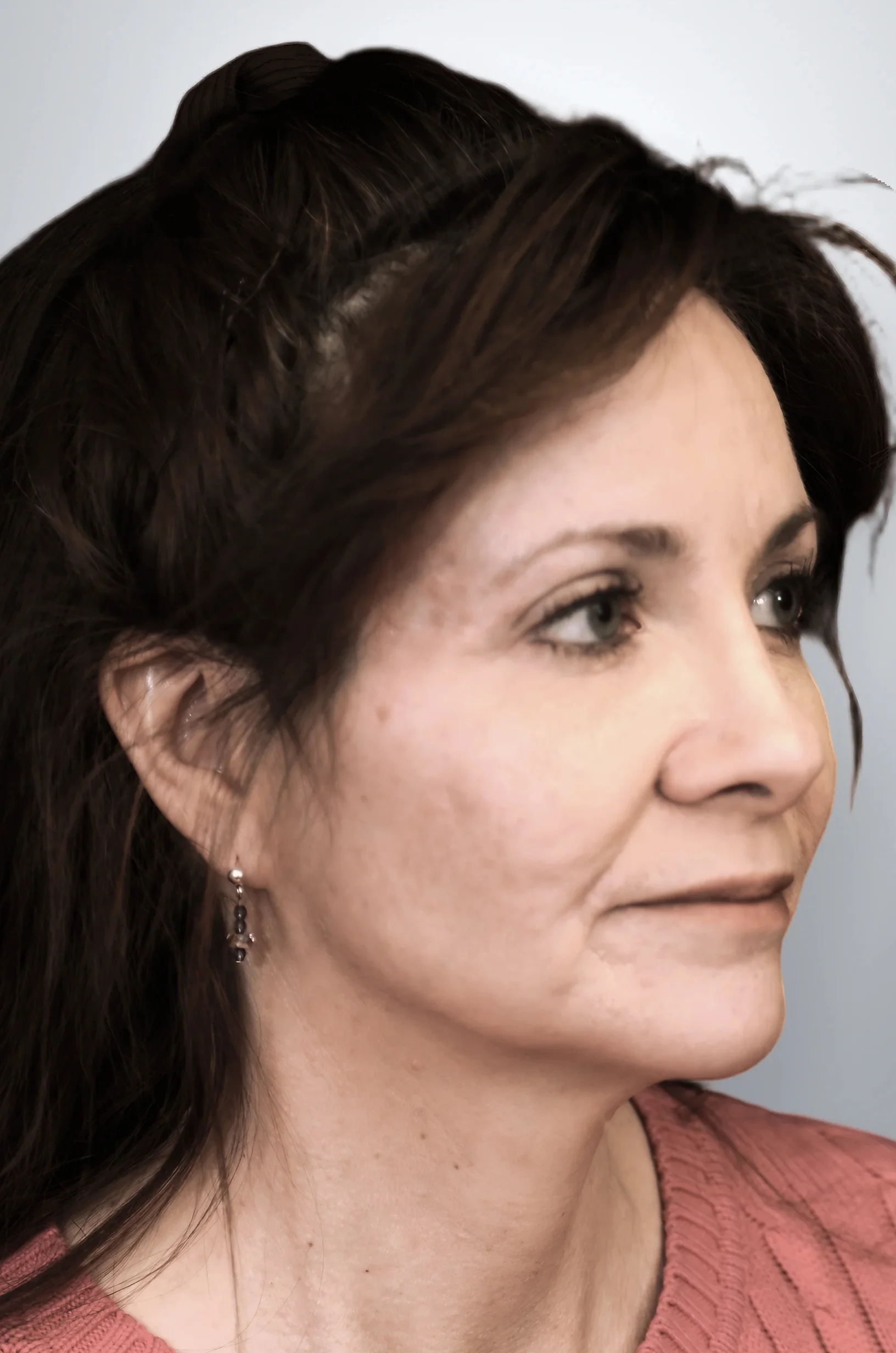
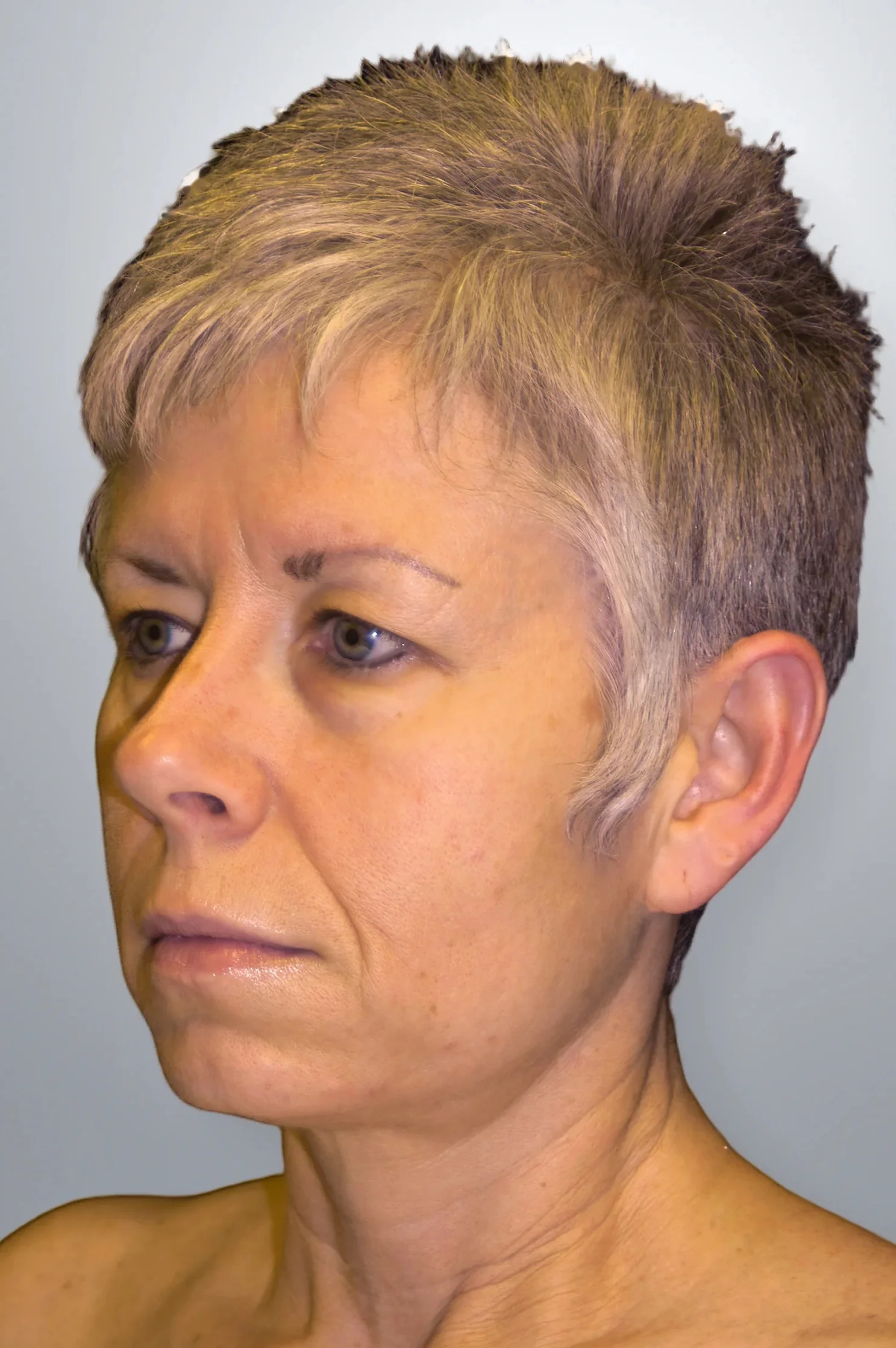
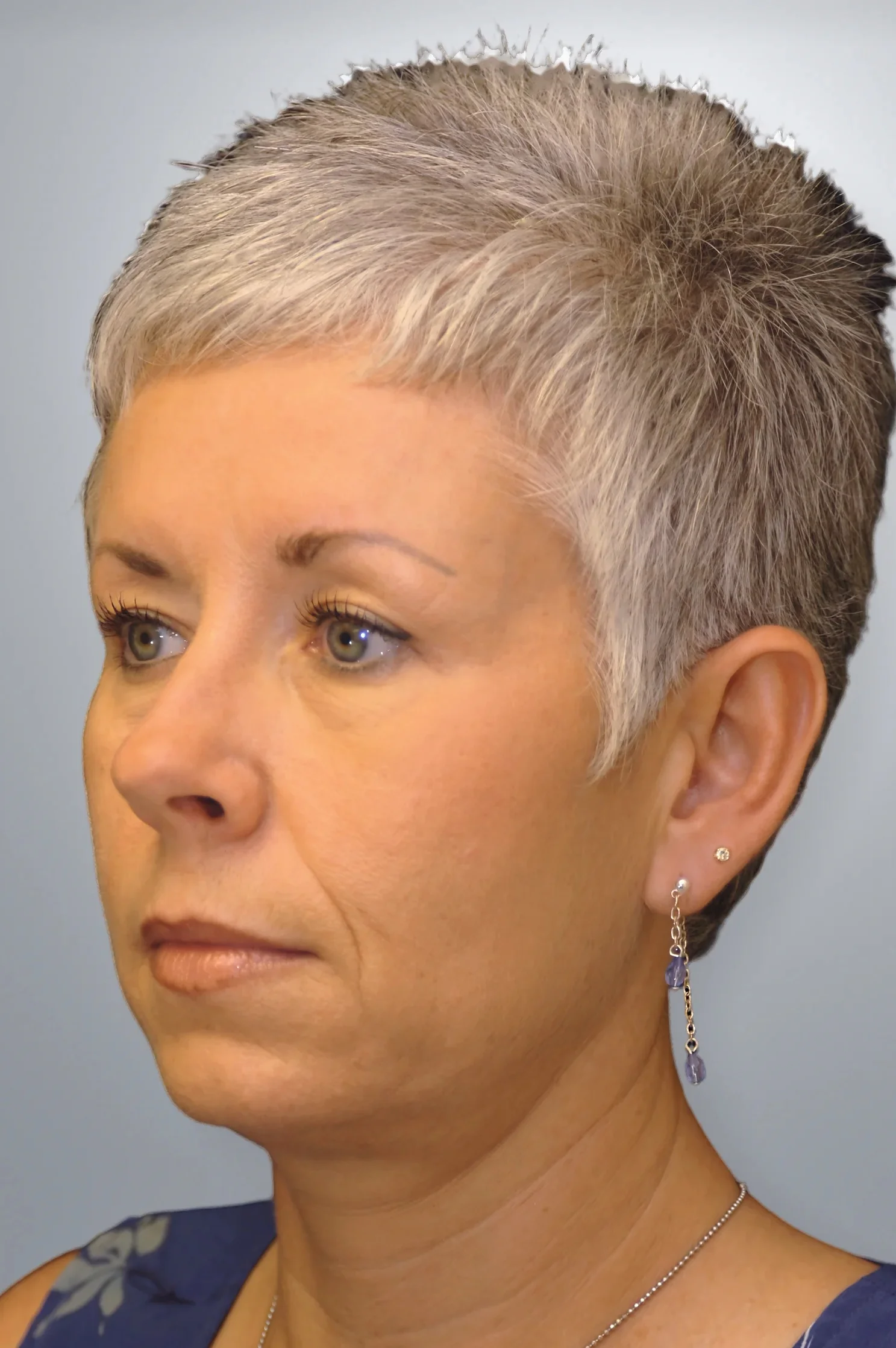
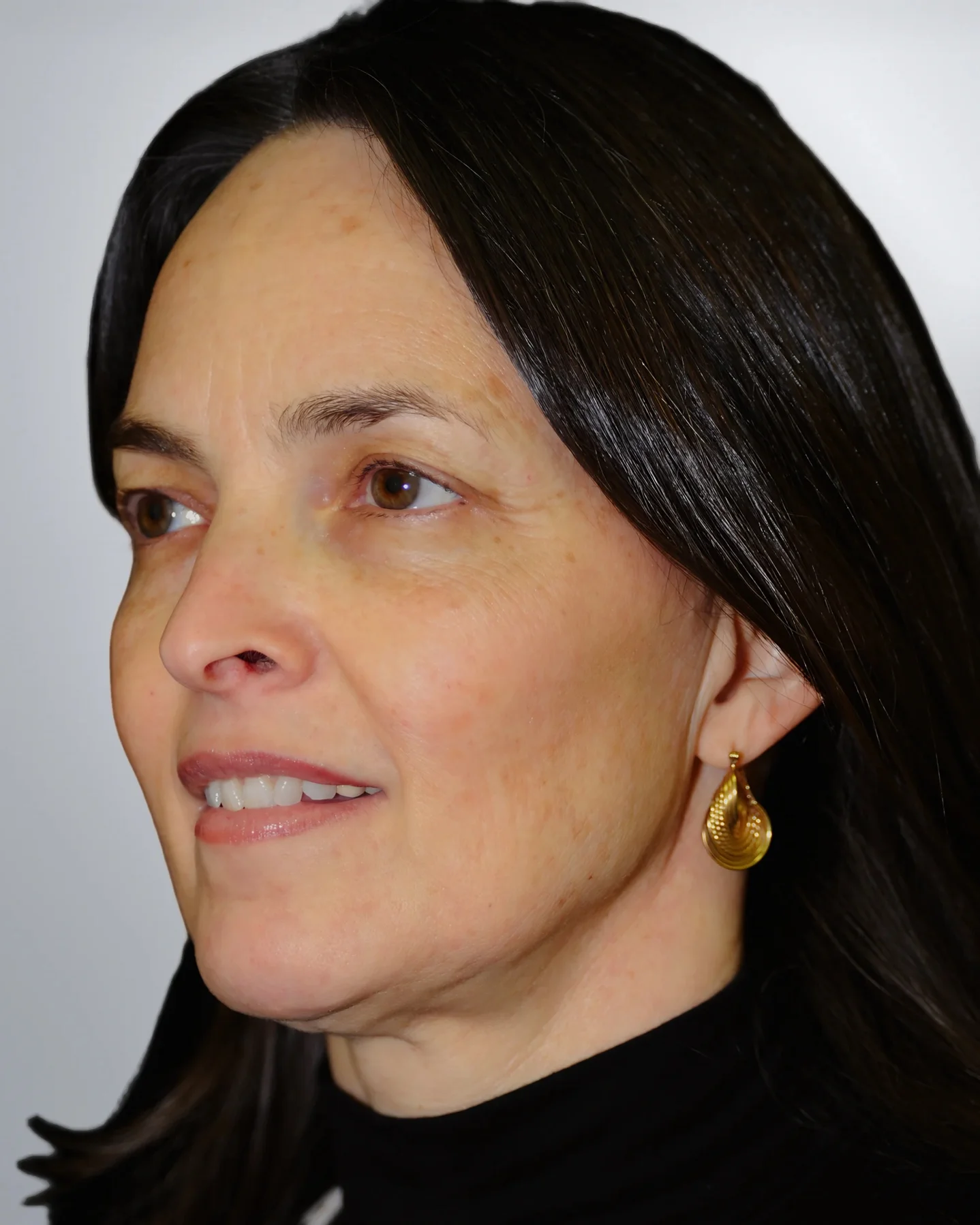
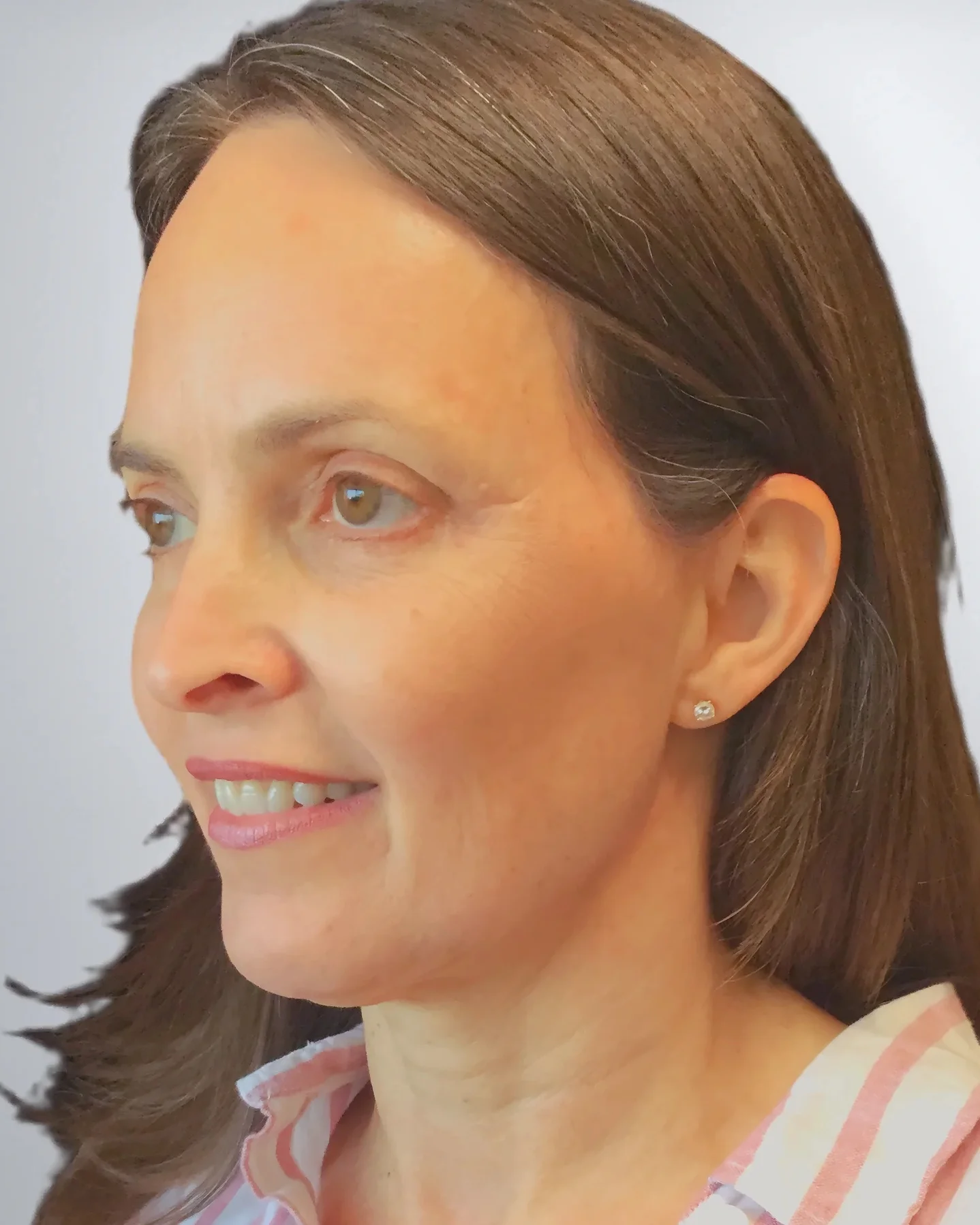
Non-clinical details in patient stories have been changed to protect privacy.
All photographs are of actual Edition Plastic Surgery patients. Individual results may vary.
Blepharoplasty Stories
What to Expect
The improvement is visible almost immediately, and the recovery is manageable.
Your Consultation
Dr. Schwartz examines the upper and lower eyelids and your brow position, and checks the tone of the lower lid with a snap test. He then decides which procedure, or combination, suits your anatomy and goals. He will tell you realistically how much can change, and whether another procedure would make a real difference to the overall result.
Surgery Day
Blepharoplasty is typically performed under IV sedation or general anesthesia as an outpatient procedure, taking one to two hours depending on whether upper lids, lower lids, or both are addressed. When combined with a facelift or brow lift, it is done in the same session. You go home the same day with cold compress instructions and a follow-up visit, usually the next day.
Early Recovery
Swelling and bruising around the eyes are expected and most pronounced during the first three to four days. Cold compresses and keeping your head raised reduce both significantly. The eyes may feel tight and dry, so you use lubricating eye drops regularly.
Presentable in Public
Most patients are comfortable in public within seven to ten days, with sunglasses, and makeup over any remaining bruising. Stitches that don't dissolve are removed within five to seven days. You can read and use screens as comfort allows. Strenuous exercise is restricted for three weeks.
Final Results
Remaining swelling, especially in the lower lids, resolves over three to six months. The upper lid scars in the crease are usually very hard to see once healed. The eyes look rested and more open.
Little Room
for Error
Eyelid surgery leaves little room for error: the result is always on display, and small differences are easy to see. Dr. Schwartz's approach is conservative and grounded in a detailed knowledge of the anatomy around the eyes, with the aim of a result that looks rested and natural.
Full Credentials →Plastic Surgeon
Performed
Practice
Rate
Is This Right for Me?
Blepharoplasty suits people whose eyes look tired, heavy or older than they feel, and who want them to look rested while still looking like their own.
Common Reasons
Patients Choose This
- You have extra skin on your upper eyelids that makes them look hooded or may get in the way of your vision.
- You have under-eye bags or puffiness that topical treatments haven't fixed.
- Your eyes look tired because of loose skin or bags, from age or from your genes.
- You are in good general health and want a natural, rested result that still looks like you.
- You understand that surgery gives a refreshed look but doesn't stop aging.
- You have realistic expectations.
Things to Consider
Before Proceeding
- Your concern may be better treated without surgery, with volume restoration or skin treatments. Dr. Schwartz will assess this at your consultation.
- You have significant dry eye. Dr. Schwartz chooses his technique carefully to protect your eyes.
- You have a drooping upper lid (ptosis) or a loose lower lid. These need a different, more specialized operation.
- You have thyroid eye disease or another condition around the eye. It must be stable and cleared before surgery.
- Your dark circles come from skin pigmentation. Surgery doesn't treat these; they usually need dermatological treatment.
- You smoke. Dr. Schwartz requires you to stop well before surgery so you heal safely.
Dr. Schwartz will examine the area around your eyes, including your brow position, the tone of your lids and any dry eye, to decide which procedure or combination will safely do what you want.
Frequently Asked
Answers to the questions Dr. Schwartz hears most often from blepharoplasty patients.
If sagging upper eyelids make you look tired, or you have under-eye bags that don't go away with rest, you are likely a good candidate. Many patients also come in because extra skin is beginning to weigh down the lid and may block part of their vision. At your consultation, Dr. Schwartz examines your anatomy and brow position to confirm that eyelid surgery is the right step for how you want to look and see.
A well-performed blepharoplasty should make you look rested and refreshed, not different. Dr. Schwartz removes what makes the eyes look tired or older and keeps their natural shape. He avoids removing too much skin or fat, which can make the eyes look hollow and unnatural.
Plan to rest and use cold compresses for the first several days. Swelling and bruising are worst during the first 72 hours. Most patients return to work within 7 to 10 days and are 'socially ready' with makeup or sunglasses by day ten. Dr. Schwartz advises waiting three weeks before resuming strenuous exercise.
Upper blepharoplasty scars sit in the natural eyelid crease and are usually very hard to see once healed. For the lower lid, Dr. Schwartz most often uses a transconjunctival approach, with the incision hidden inside the eyelid and no external scar at all. If skin needs to be removed from the lower lid, a subciliary incision is placed just below the lash line, and it usually becomes hard to notice within a few months.
Aging continues, but the improvement from a blepharoplasty is meant to last many years, and many patients find the result permanent for their upper lids. Surgery doesn't change the skin itself, so Dr. Schwartz often recommends laser treatment or medical-grade skincare for the skin around the eyes.
Many patients with upper eyelid concerns actually have a low brow as the main cause. A low brow pushes skin onto the upper lid, so the lid seems to have extra skin that isn't really eyelid skin. At your consultation, Dr. Schwartz looks at how your brow and eyelid relate to each other to decide which procedure, or which combination, will treat the actual cause of the heaviness.
Blepharoplasty is a common procedure. Like any surgery it has risks, such as temporary dryness, bruising or swelling. Dr. Schwartz reviews your medical history at the consultation, and you go home with detailed aftercare instructions.
The fee depends on whether the upper lids, lower lids, or both are treated, and whether fat repositioning is needed. Upper blepharoplasty may be partly covered by insurance if significant blocking of your field of vision is documented. You receive a fee quote and information on financing after your consultation with Dr. Schwartz.
Recovery & Concierge Care
You go home the same day. Dr. Schwartz sees you the next day, then typically at one week, three weeks, two months, four months and six months, adjusted to how you are healing. He does almost all follow-up visits himself, and at each one he gives you a specific plan for the weeks ahead. Our patient concierge team gives you instructions for cold compresses and lubricating eye drops and schedules your follow-up visits.
The office can be reached 24 hours a day. After-hours calls from patients recovering from surgery go directly to Dr. Schwartz, so an important question never waits until morning. The recovery is planned so that any responsible adult can look after you at home. If you would rather have a nurse caring for you at home or in a hotel, we can arrange it.