
Faceliftin Dallas
A facelift that repositions the deeper tissues of the face and neck, not just the skin.
Estimate your costLooking Like Yourself,
Only Younger.
With age, the cheeks slide down, the midface flattens, the jawline blurs into jowls and the neck loosens. You see it in the mirror as a face that looks more tired than you feel. Many of the patients Dr. Schwartz sees are in their forties to sixties, and some are younger. Stretching the skin tighter doesn't fix this, because the skin isn't what has moved. The deeper tissues have.
Older facelift techniques pull the skin back toward the ears, which is what gives some faces a pulled look. Dr. Schwartz lifts vertically instead: he releases the deeper tissues where they attach and moves them back up to where they started. That treats the jowls and the flattened midface at their source. He moves the fat that has slid down back onto the upper cheekbones, which restores fullness without large amounts of filler, and he hides the incisions in the hairline and around the ears. Because the deeper tissues carry the lift, the skin is laid back without tension, so it doesn't look pulled or windswept.
The Procedure
A facelift that relies on pulling the skin tight produces the "wind-tunnel" look. Dr. Schwartz offers two techniques that work on the deeper layer of the face, the SMAS, instead, lifting it vertically so the skin can be closed without tension. In an SMAS facelift he lifts and tightens that layer. In a deep plane facelift he works beneath it and releases the retaining ligaments, so the cheek fat (the malar fat pad) and the deeper structures move back together to where they sat when you were younger. Each technique has its own pros and cons. At your consultation he walks you through them and plans the technique that best matches your anatomy and goals.
The midface is where hollowing and sagging first show, and this technique can treat it. By releasing the zygomatic and masseteric ligaments, Dr. Schwartz lifts the malar fat pad. That softens the nasolabial folds and puts volume back on the upper cheekbones by lifting the tissue, not by pulling the skin.
Dr. Schwartz treats the neck in the same operation, tightening the platysma muscle and sharpening the angle between the jaw and neck. Treating the face and neck together gives a defined jawline and a smooth neck that match the rest of the face.
Dr. Schwartz places incisions within the hairline and along the contours of the ear, where they are hard to see. They usually fade to fine lines over the first year. Placed this way, they leave the hairline at the temple and the shape of the ear unchanged.
Dr. Schwartz usually uses general anesthesia. For some patients, local anesthesia with sedation is an option, and he will go through the choice with you.
Discomfort after surgery is usually mild and managed with prescription, non-narcotic pain medication. Plan on 4 to 7 days before you go back to office work, and 3 to 4 weeks before an important social or business event. Light walking is encouraged almost immediately, and more strenuous exercise is typically allowed after three to four weeks.
Dr. Schwartz often pairs a facelift with eyelid surgery, a brow lift, or fat grafting to restore lost volume. At your consultation, he will recommend the combination that would make the most difference for you.
Facelift Portfolio
Drag the handle to compare.
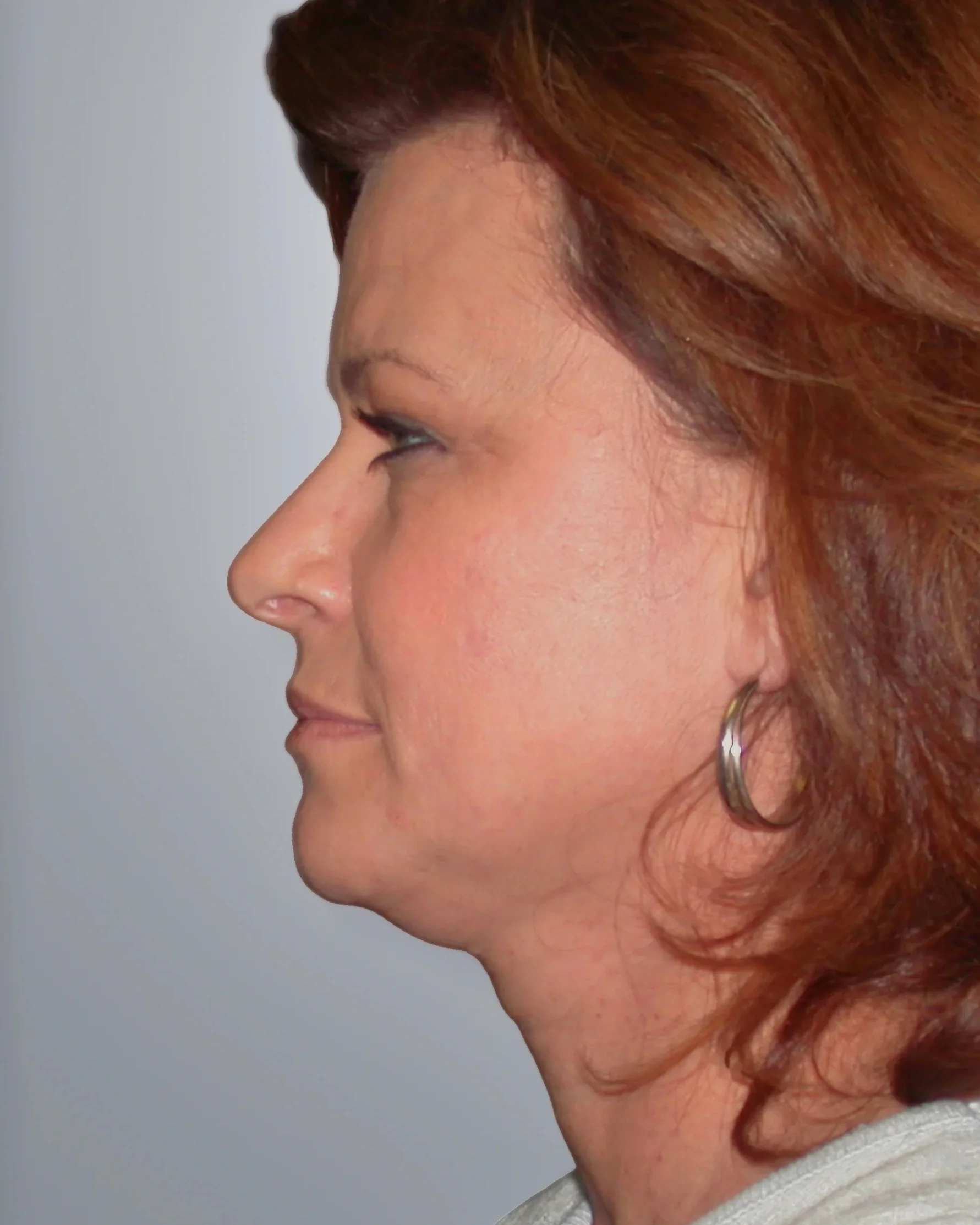
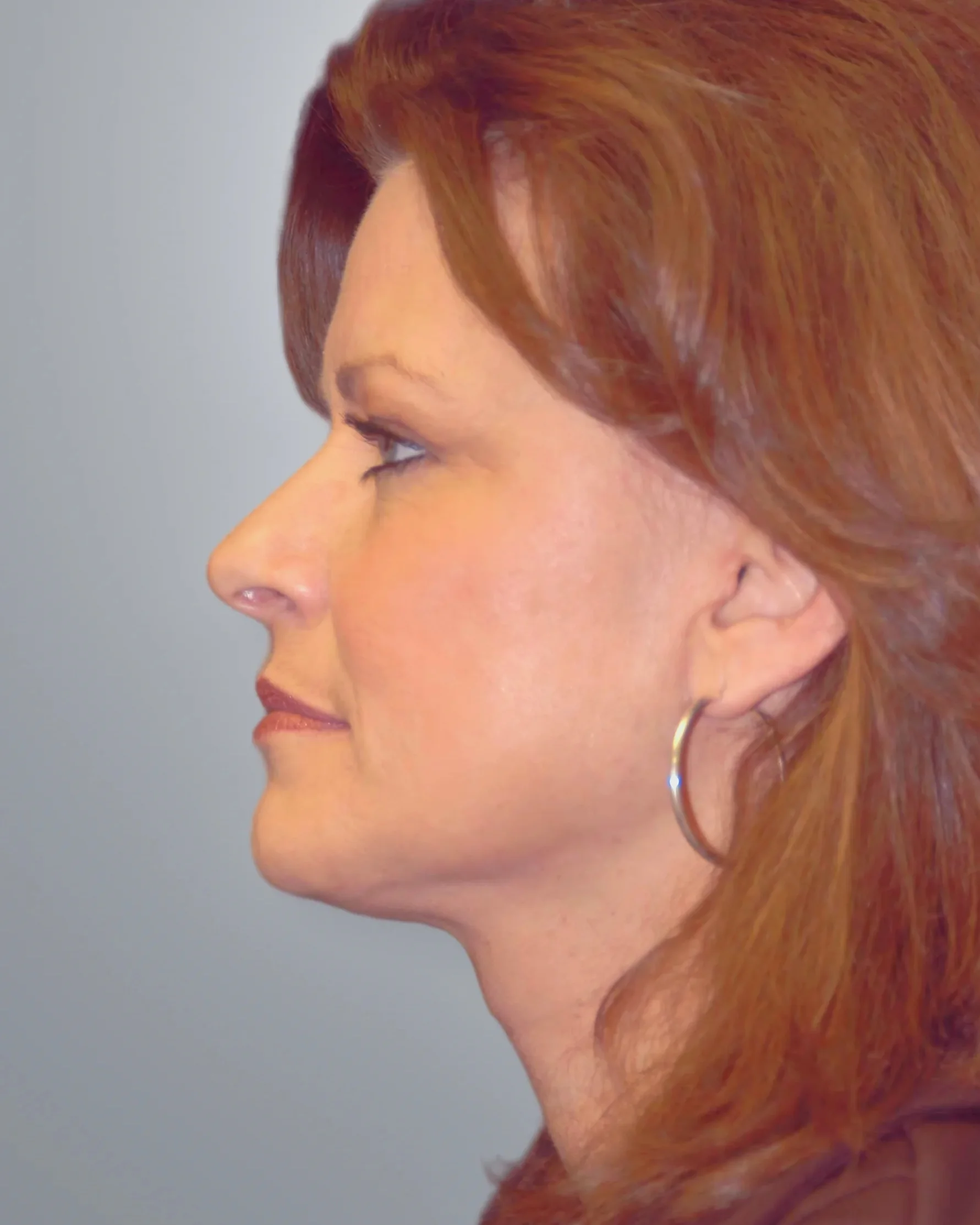
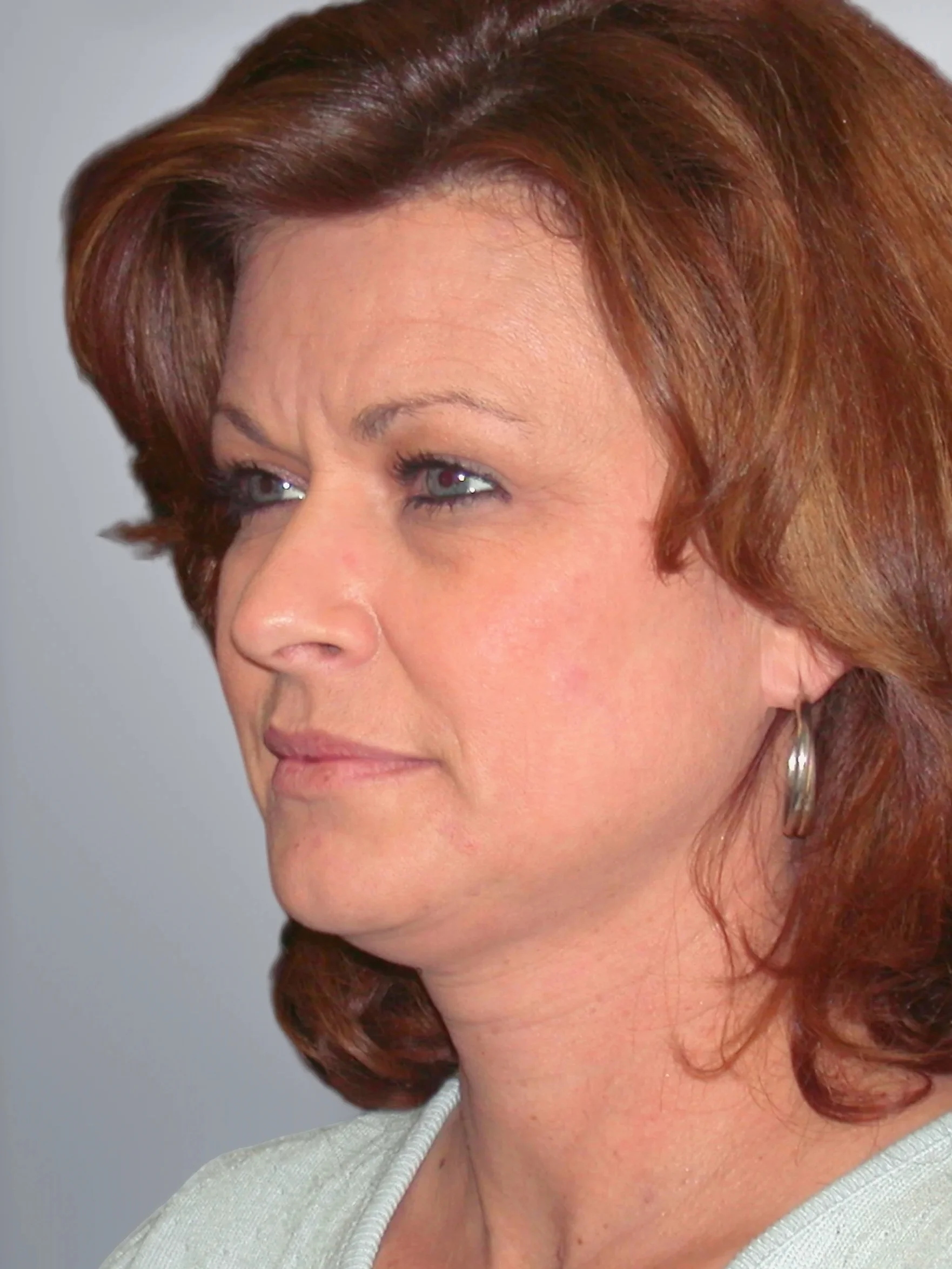
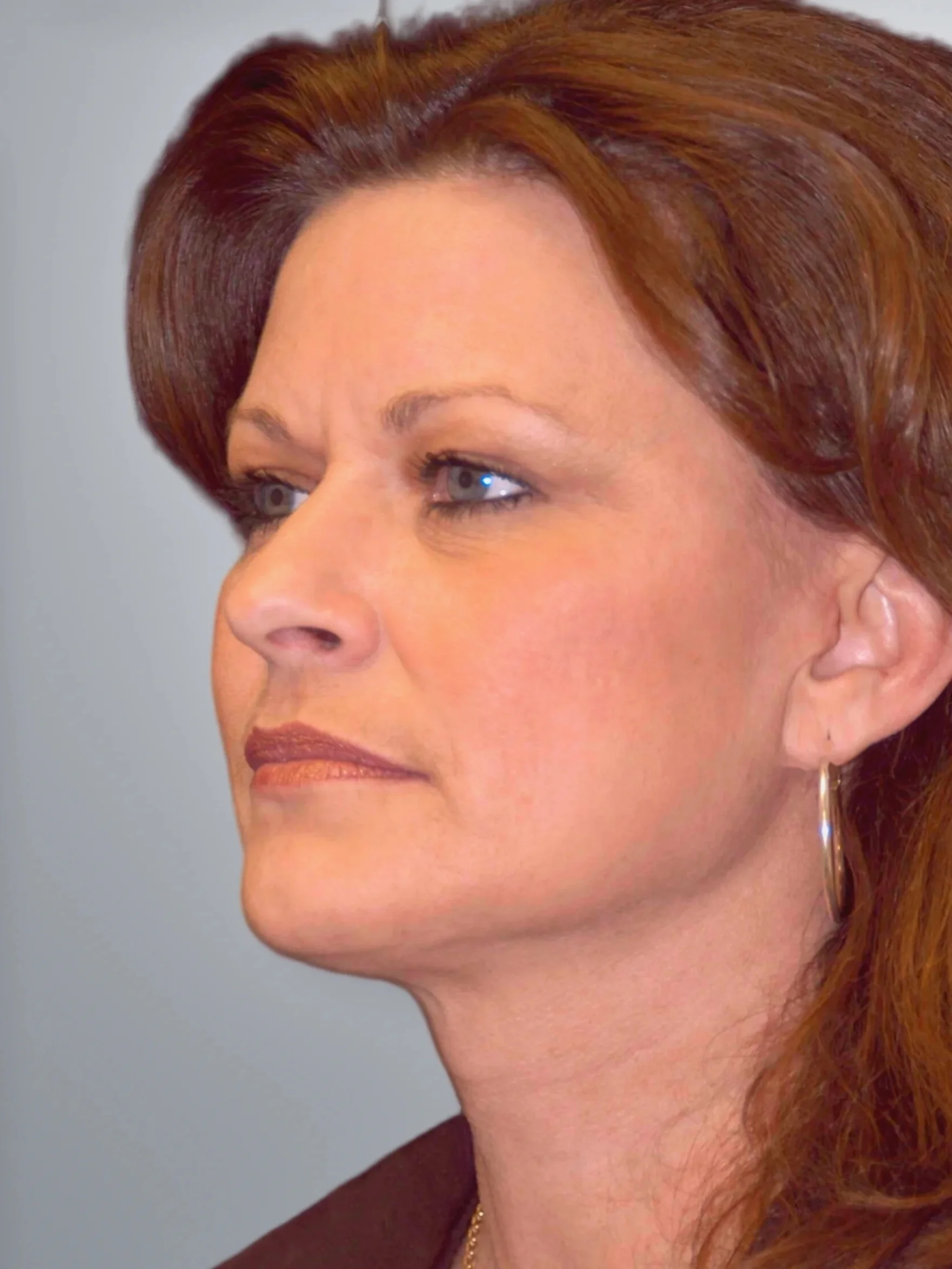
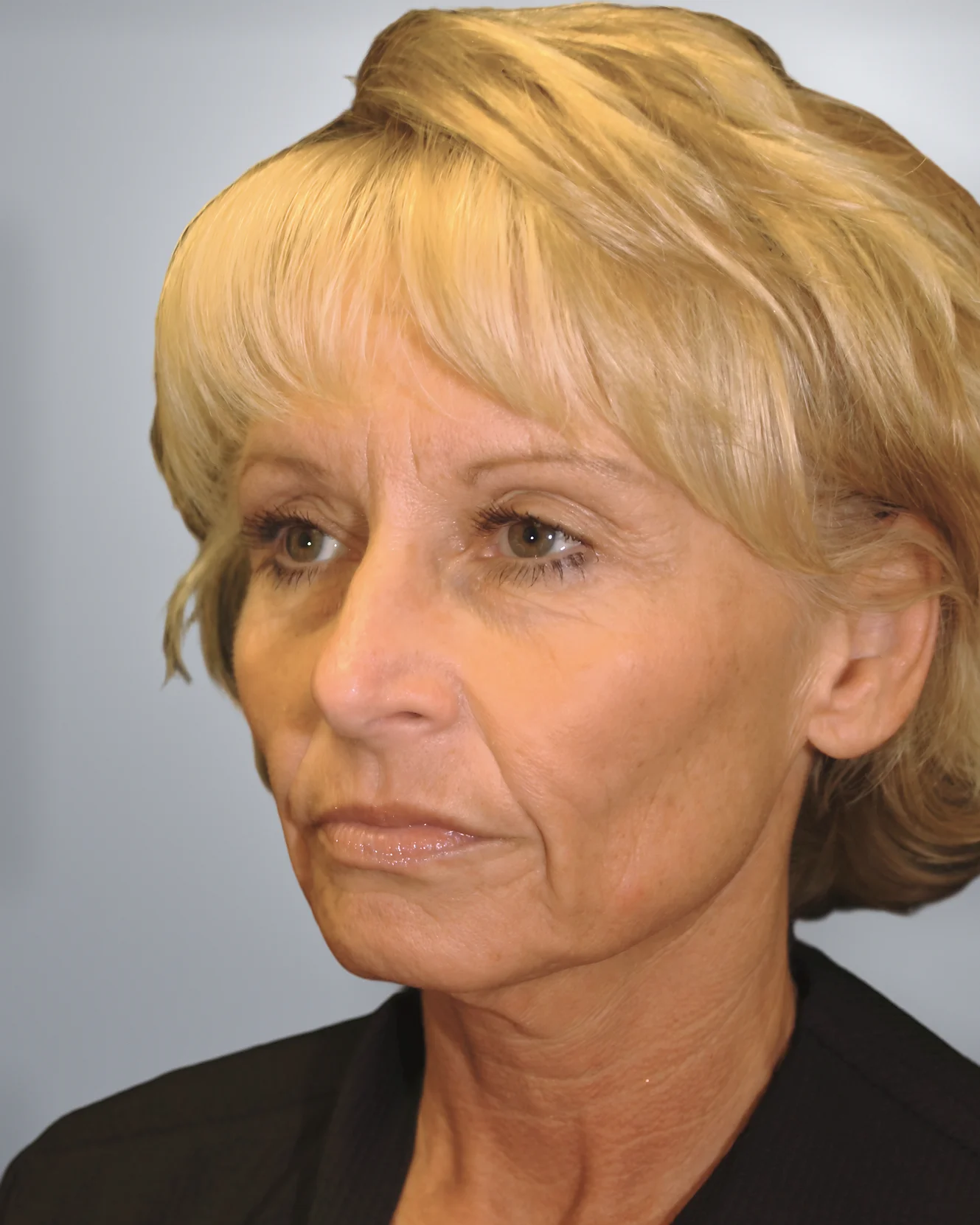
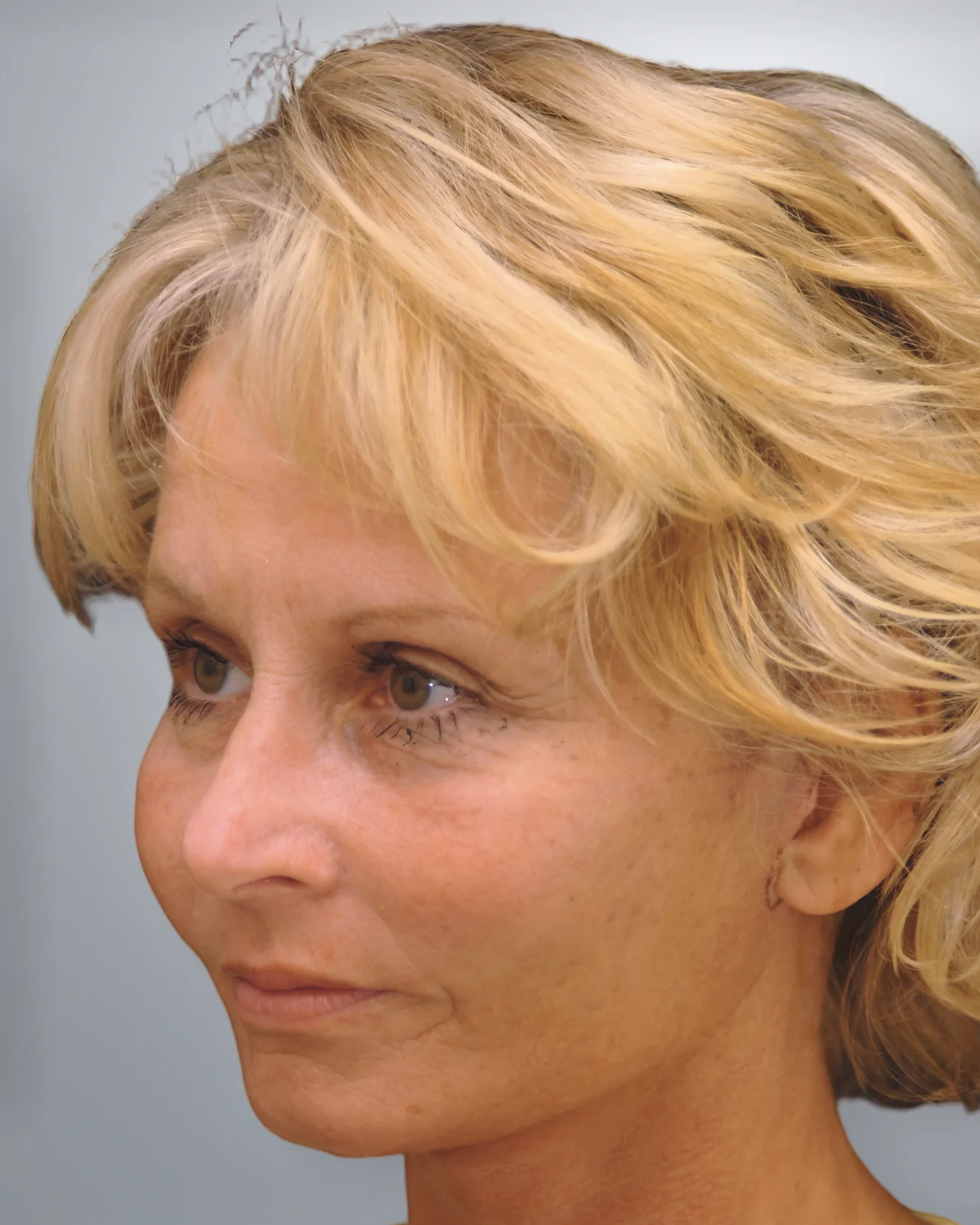
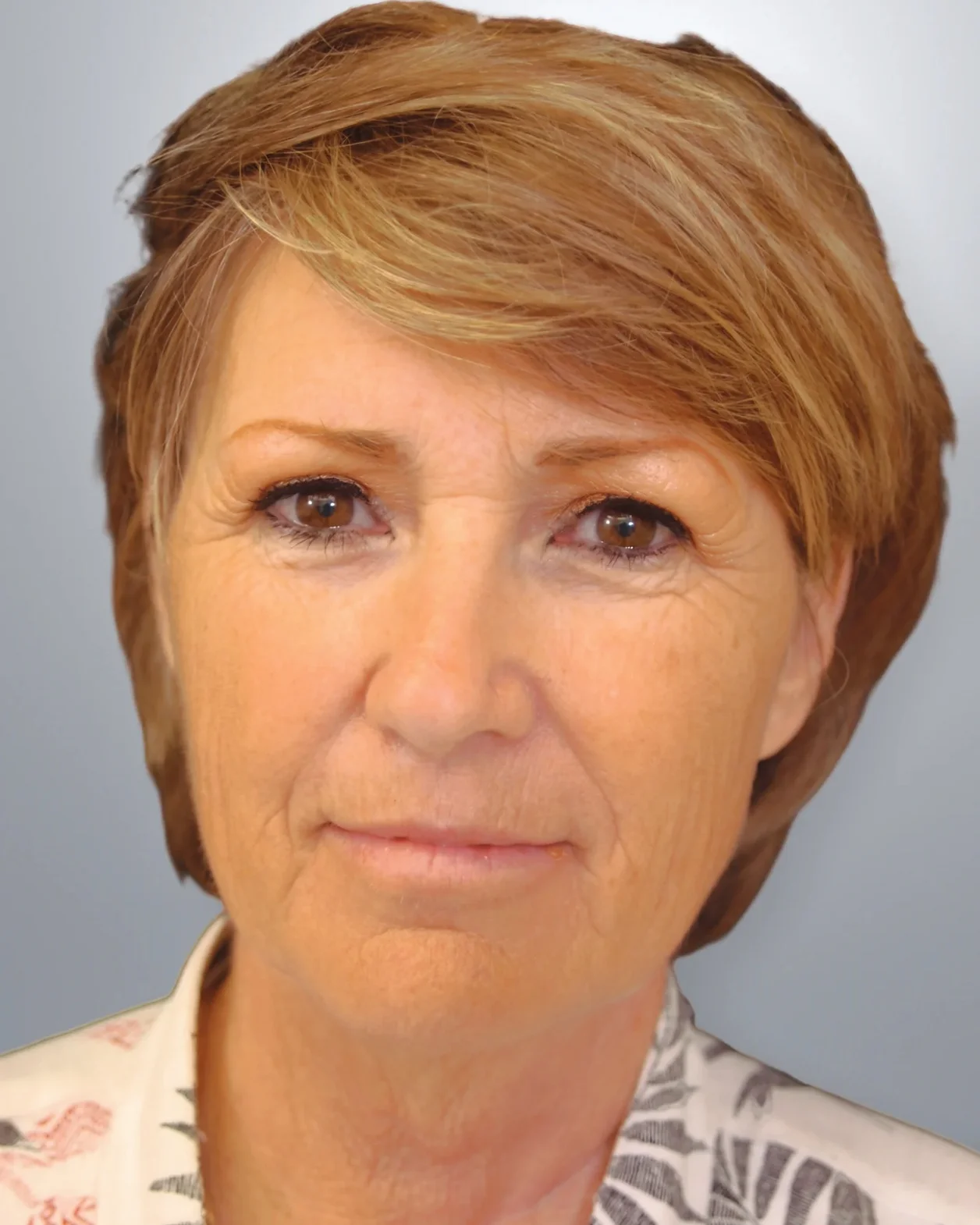
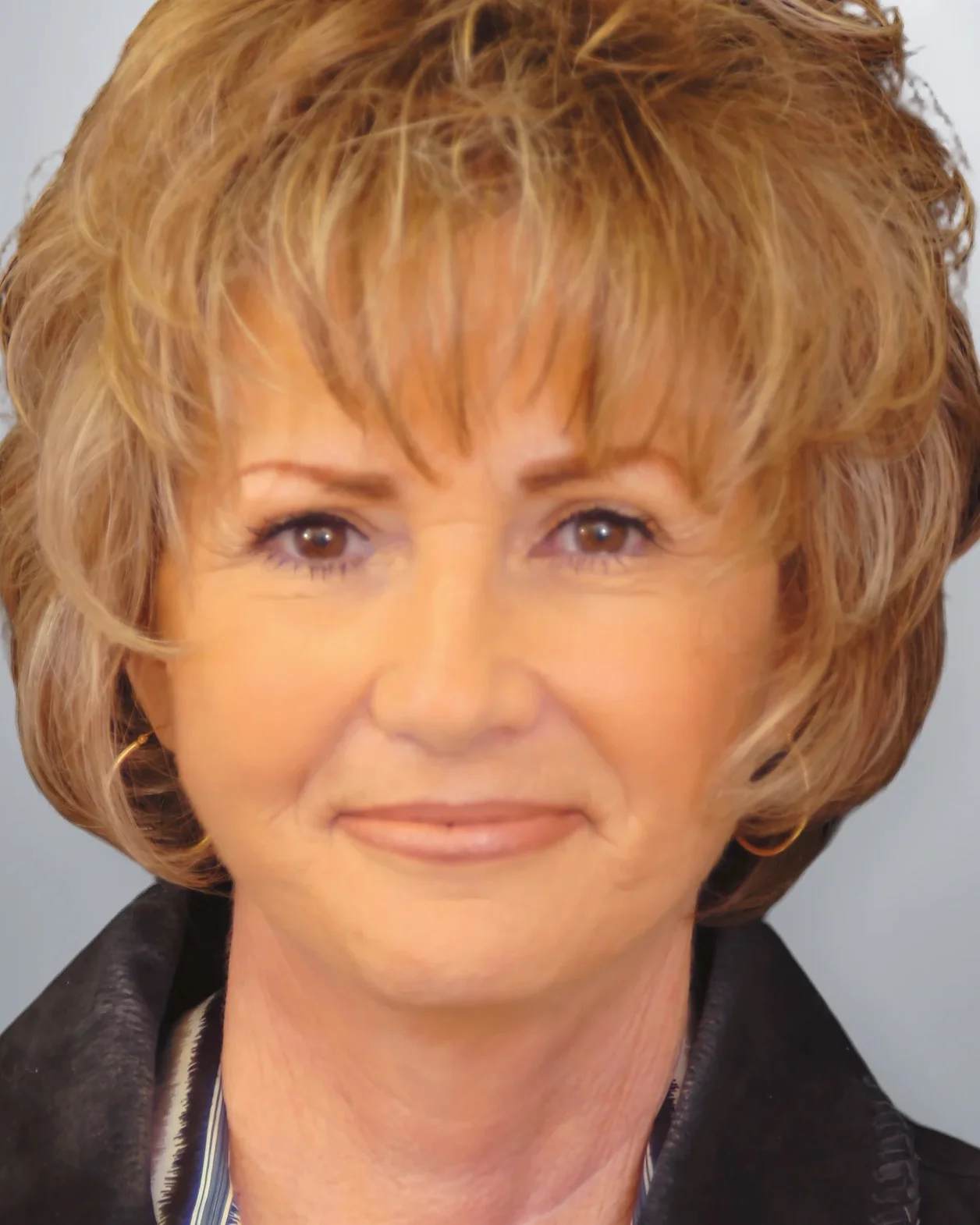
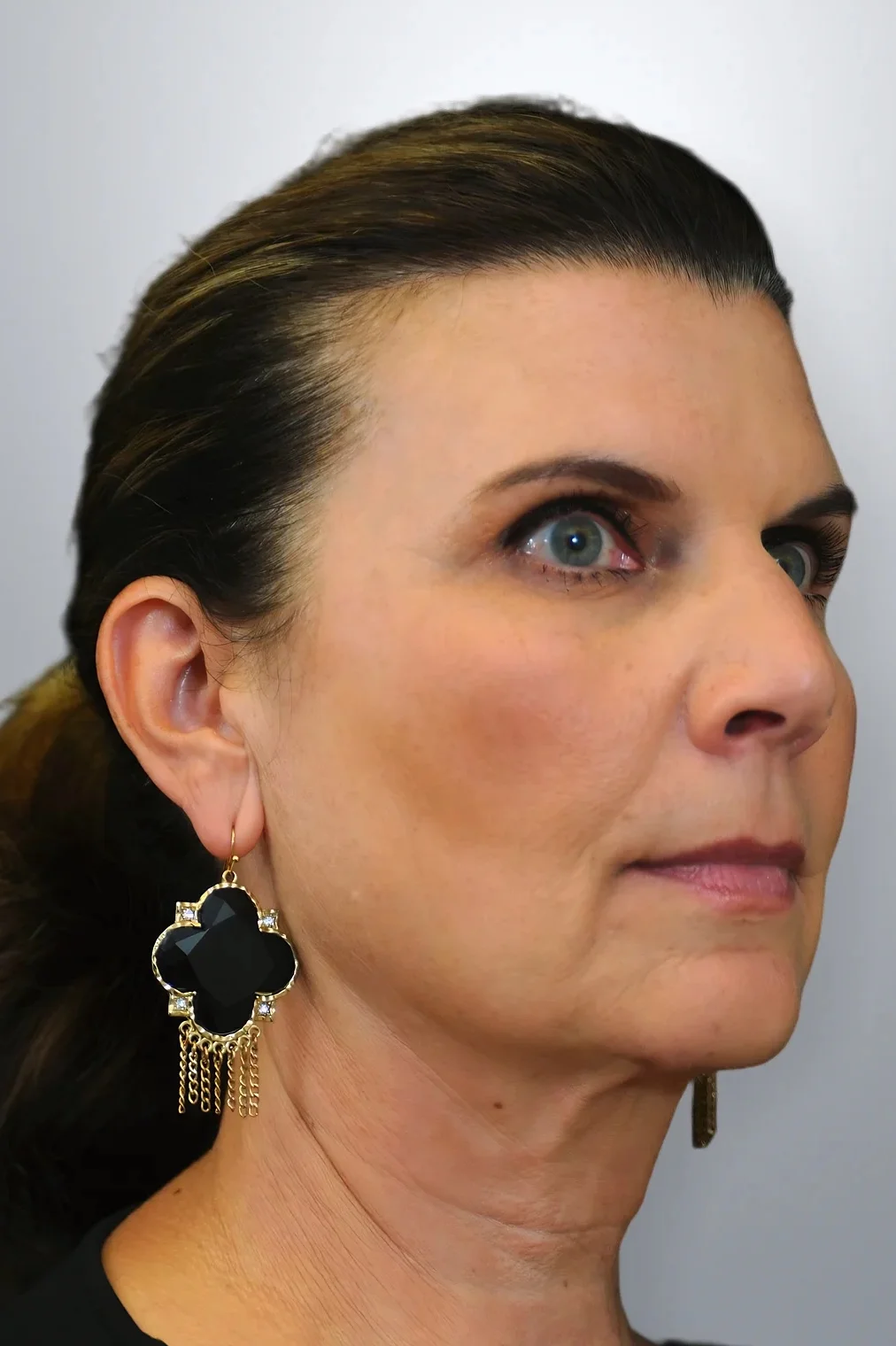
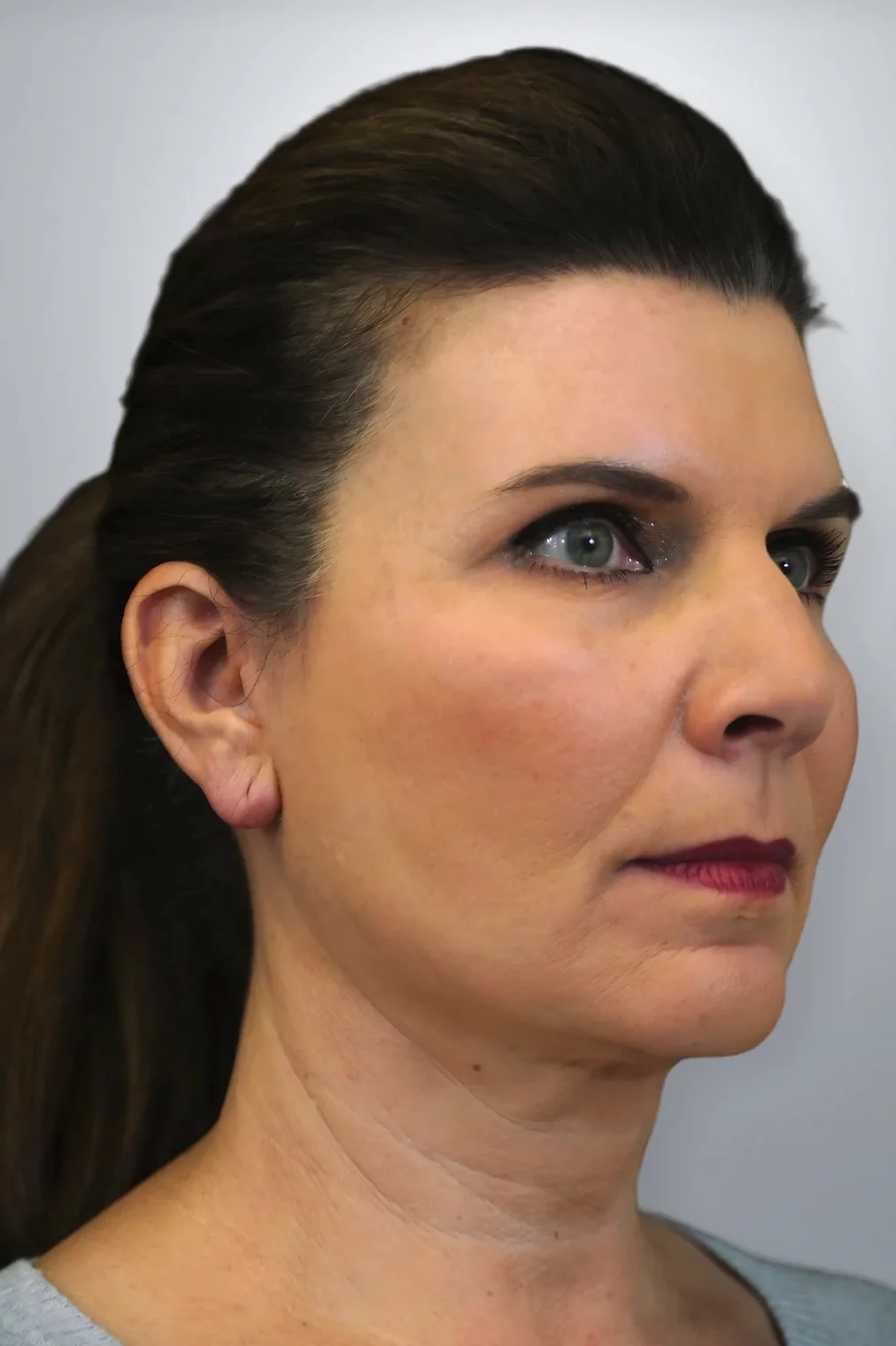
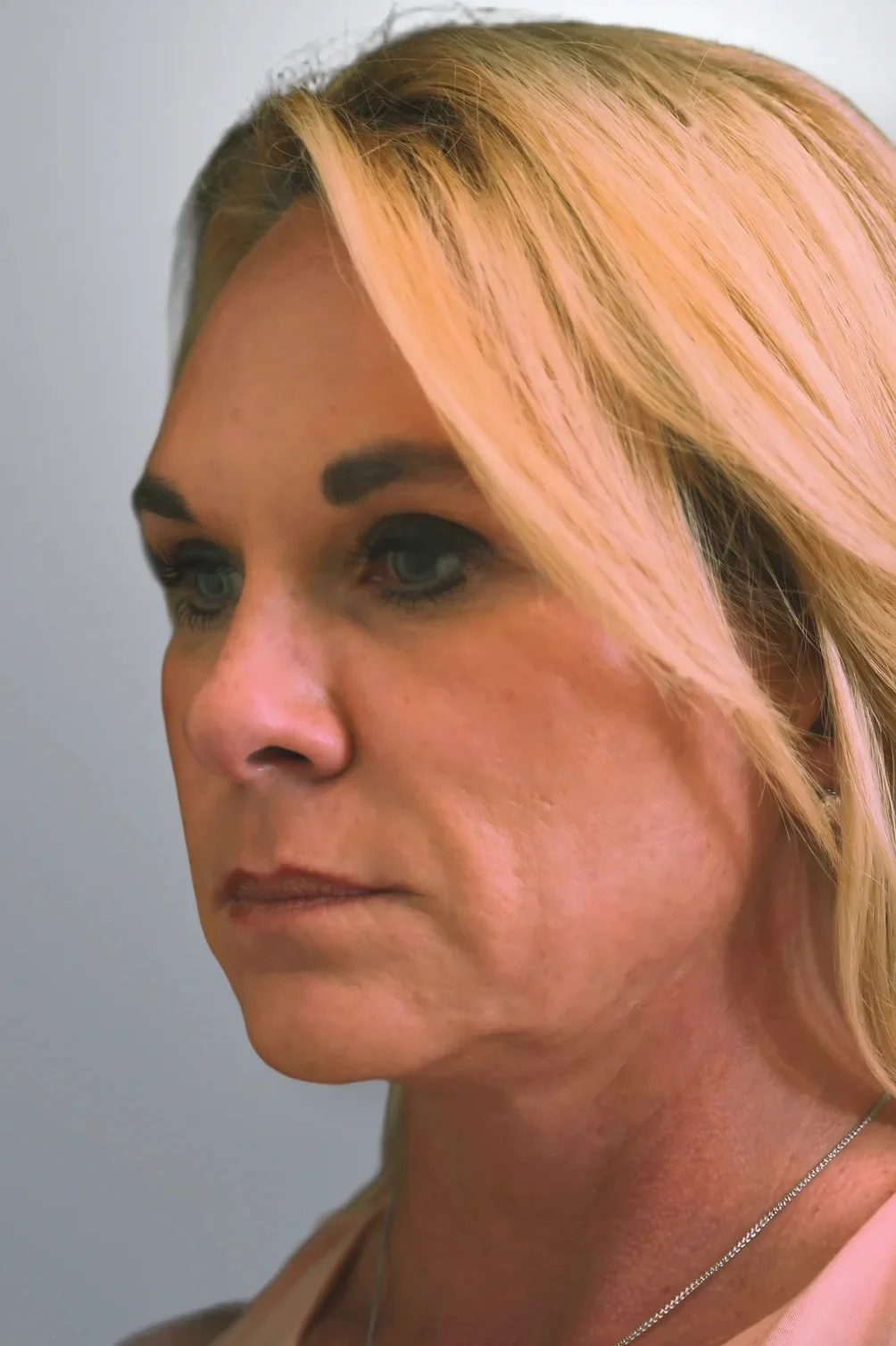
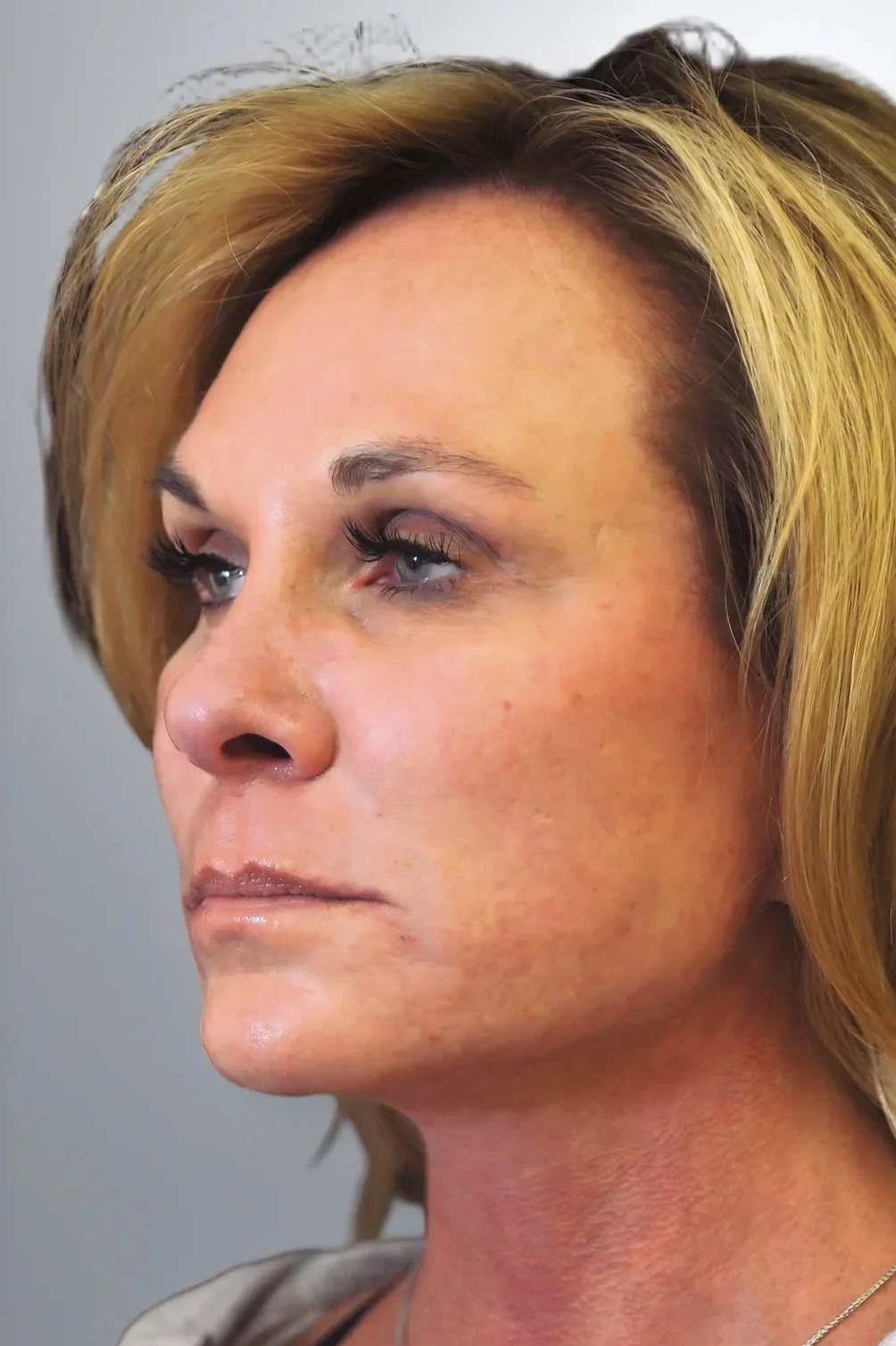
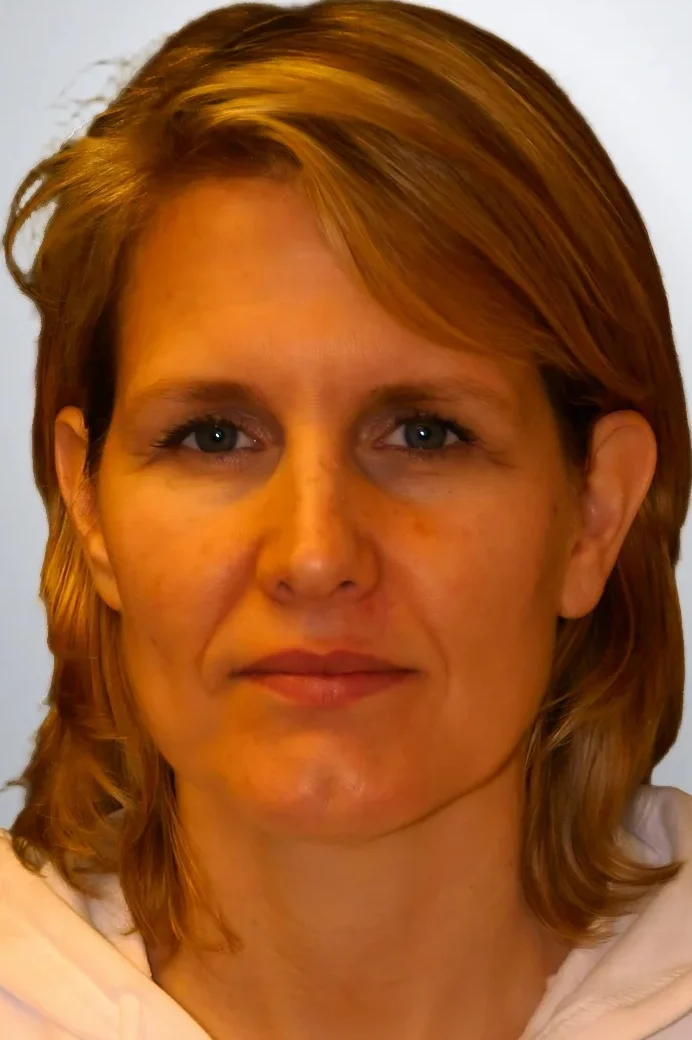
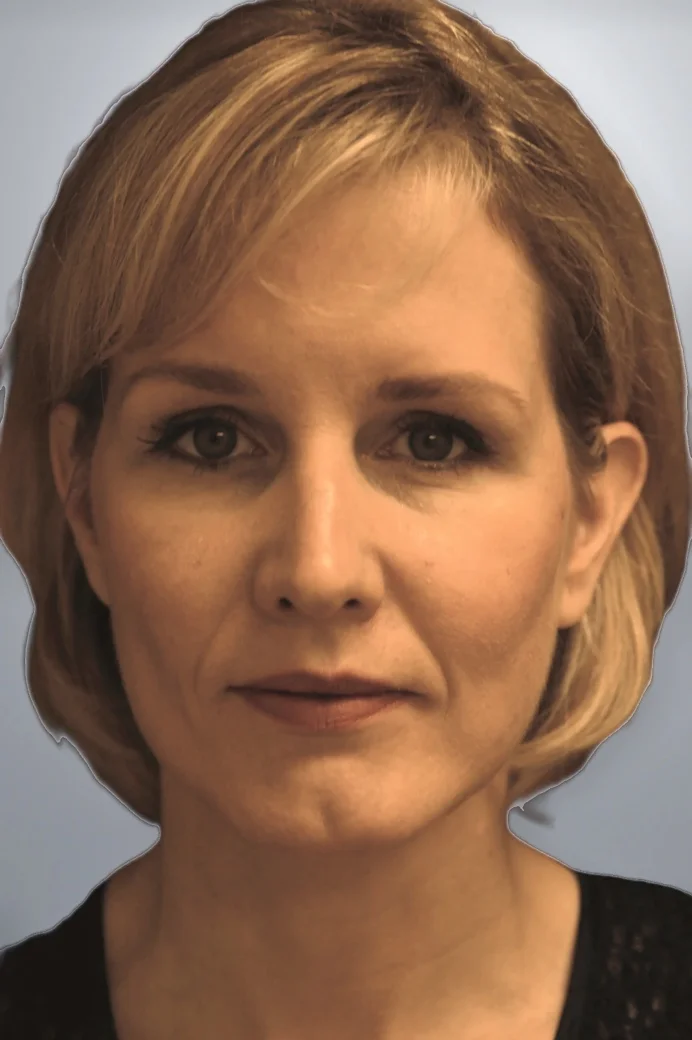
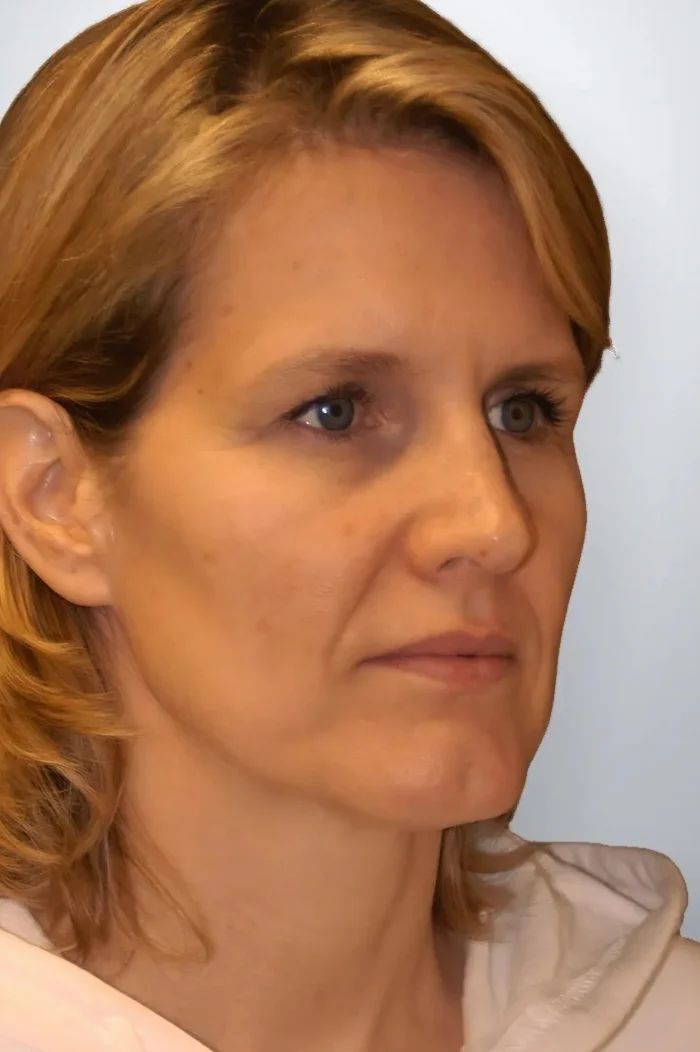
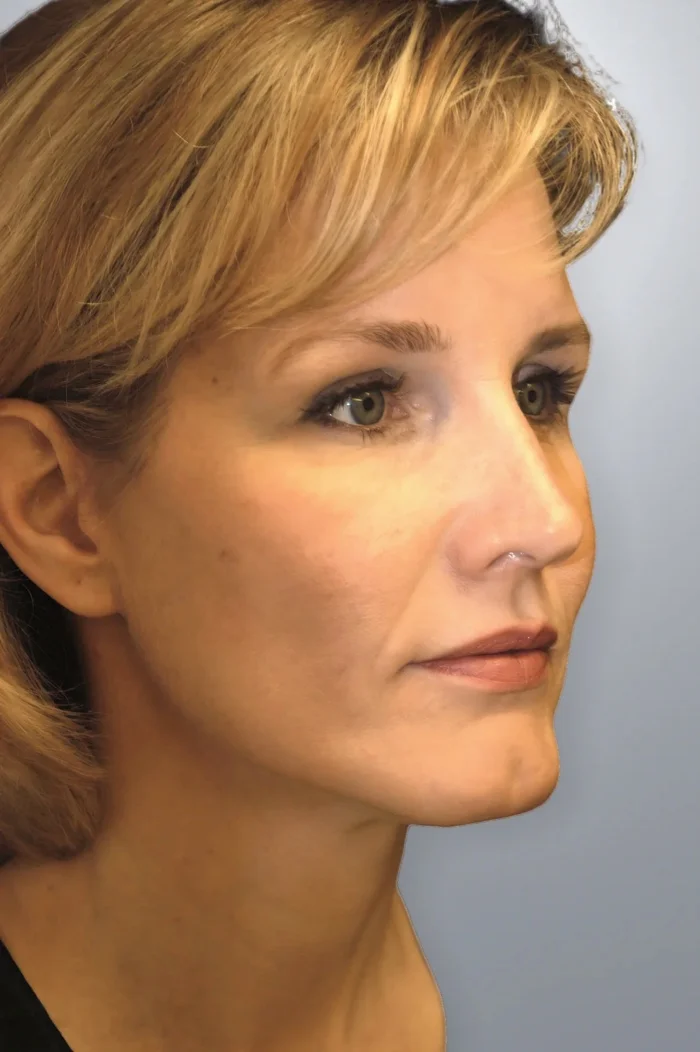
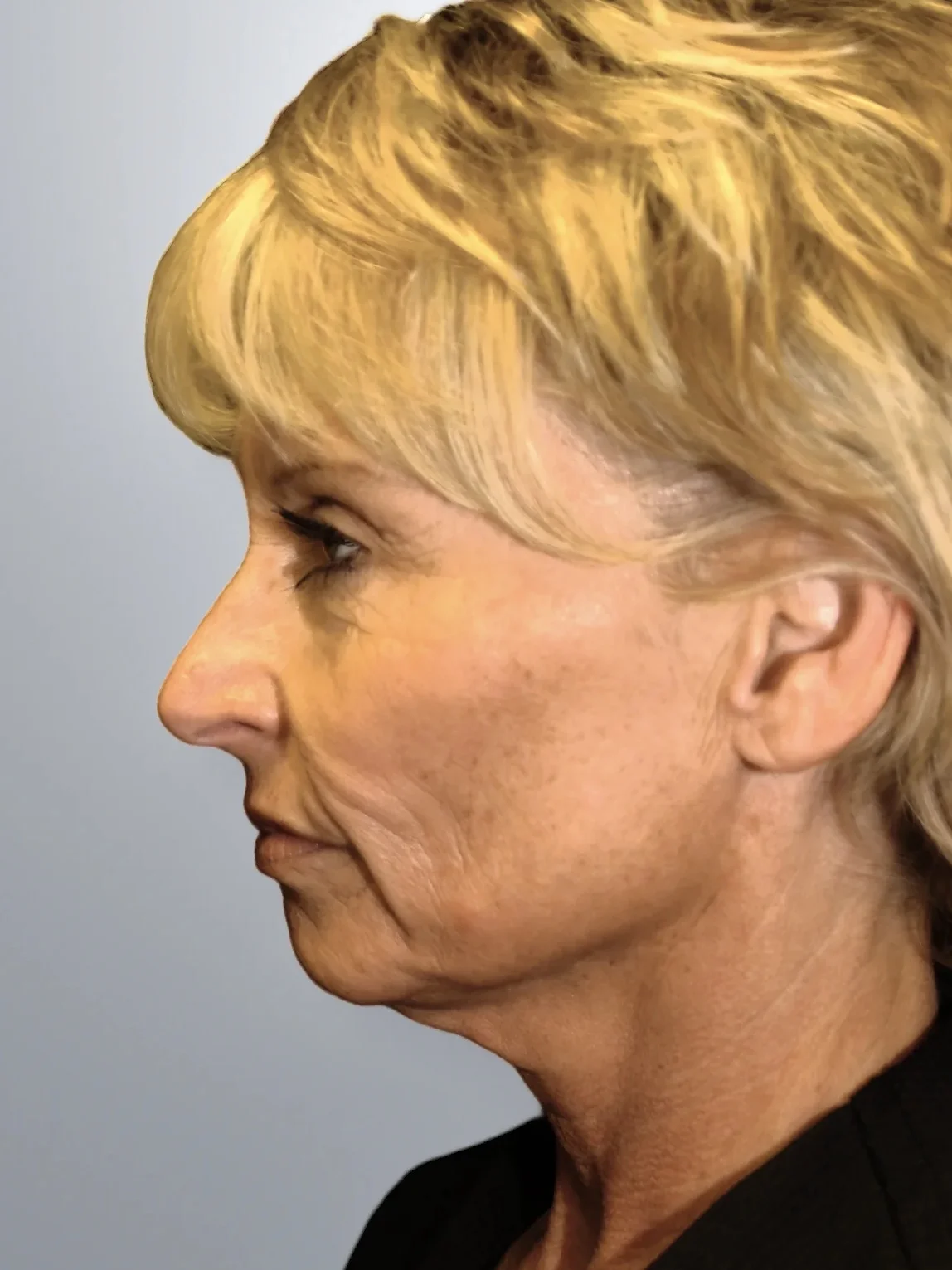
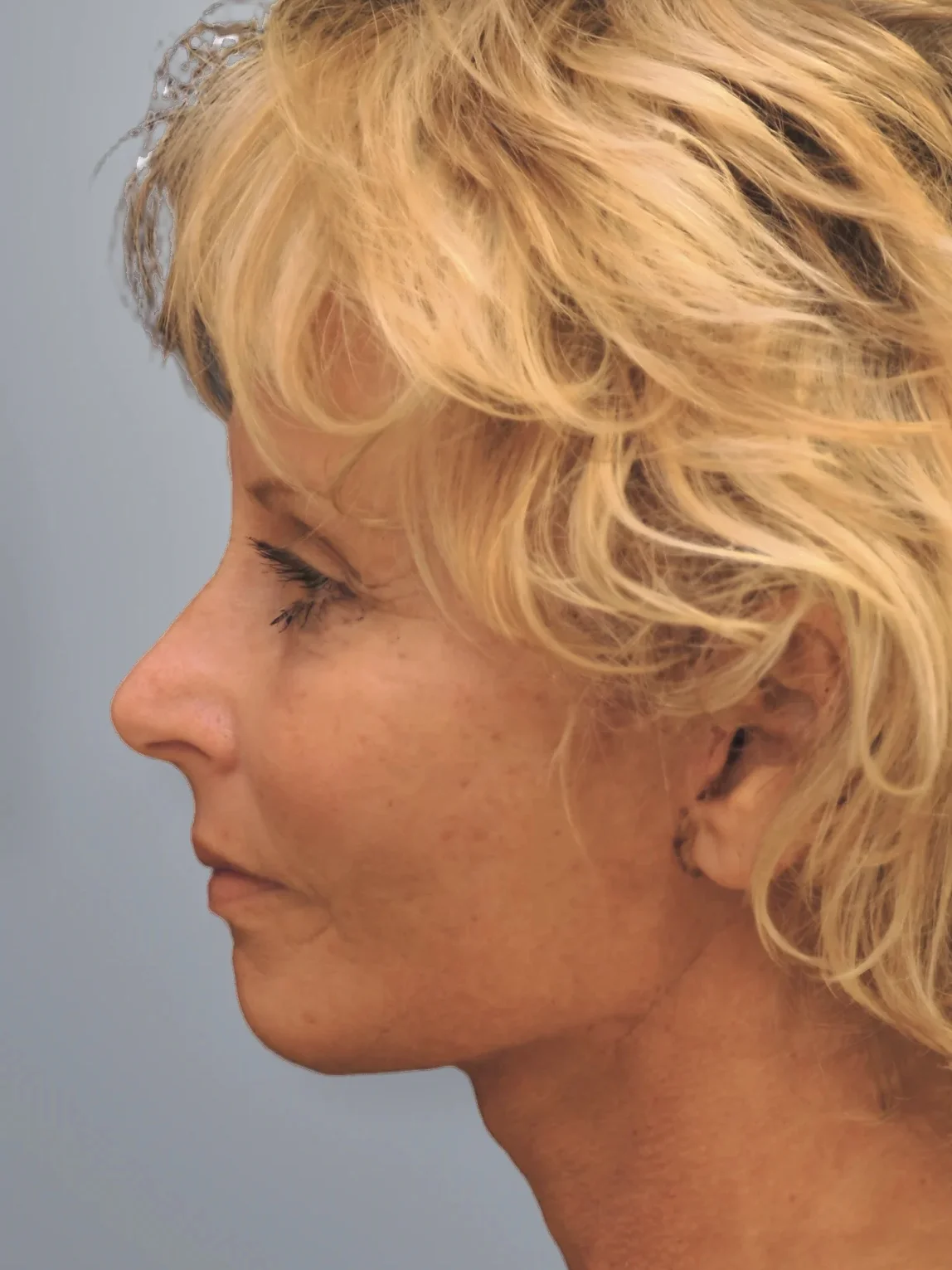
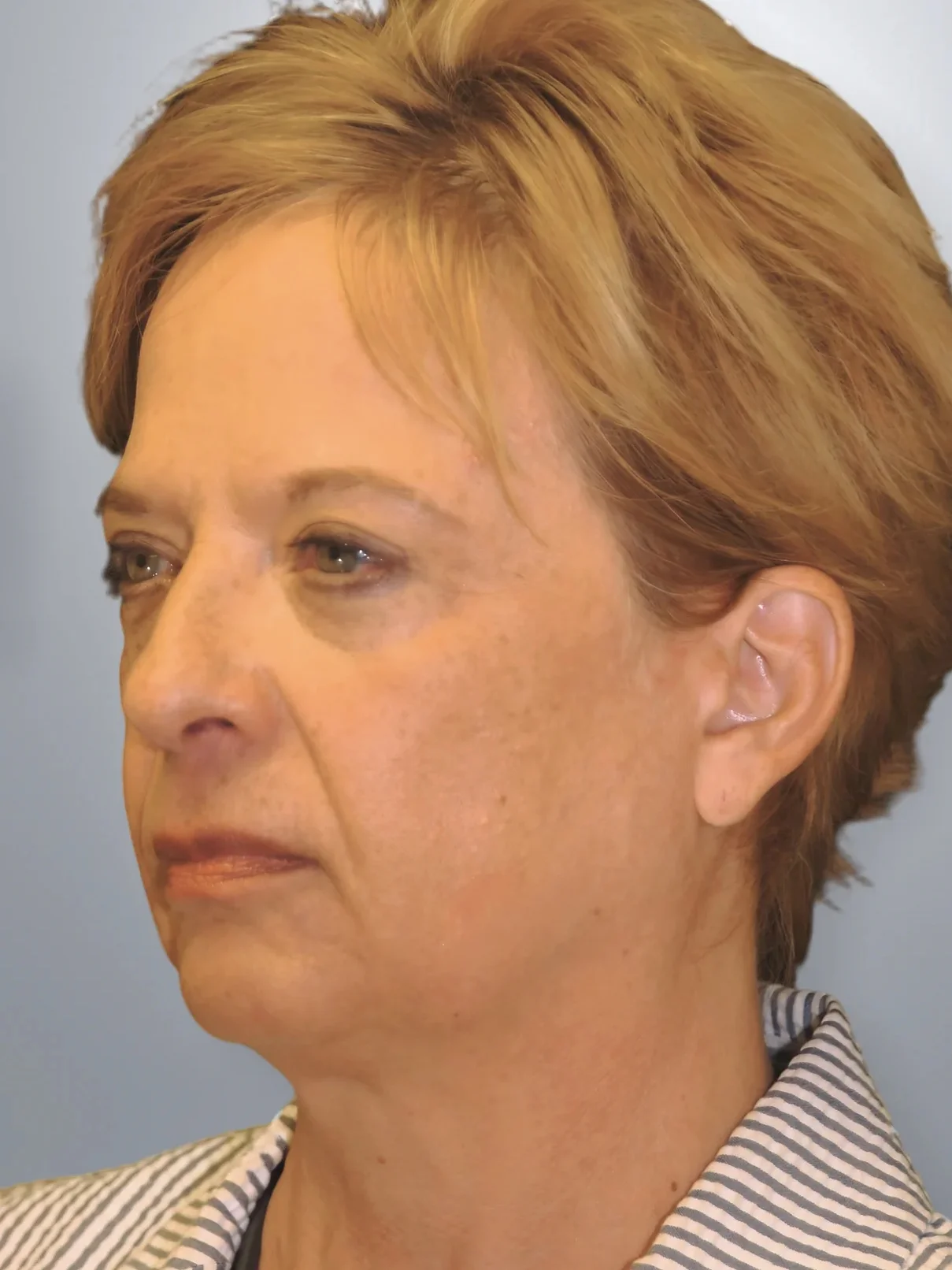
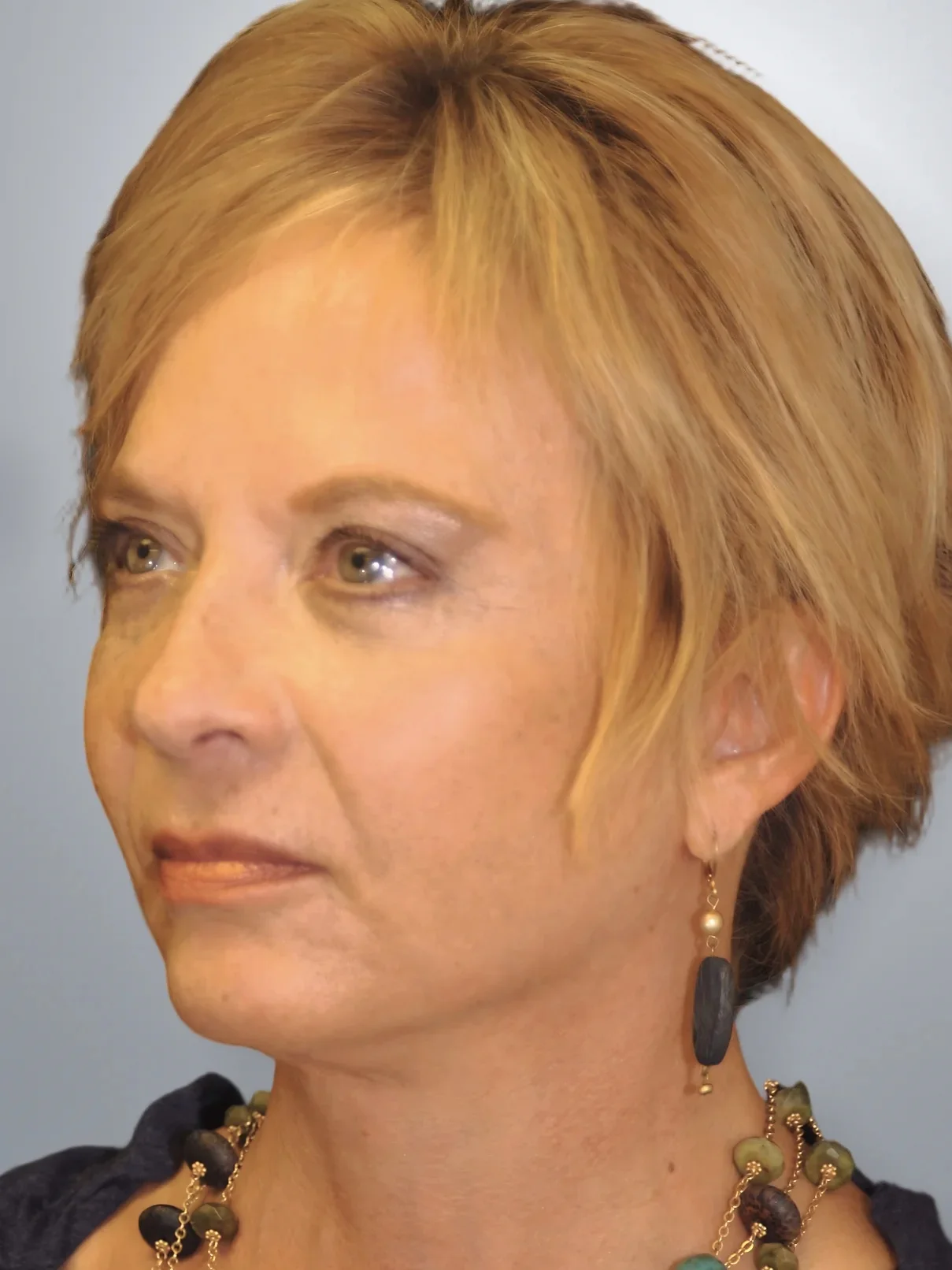
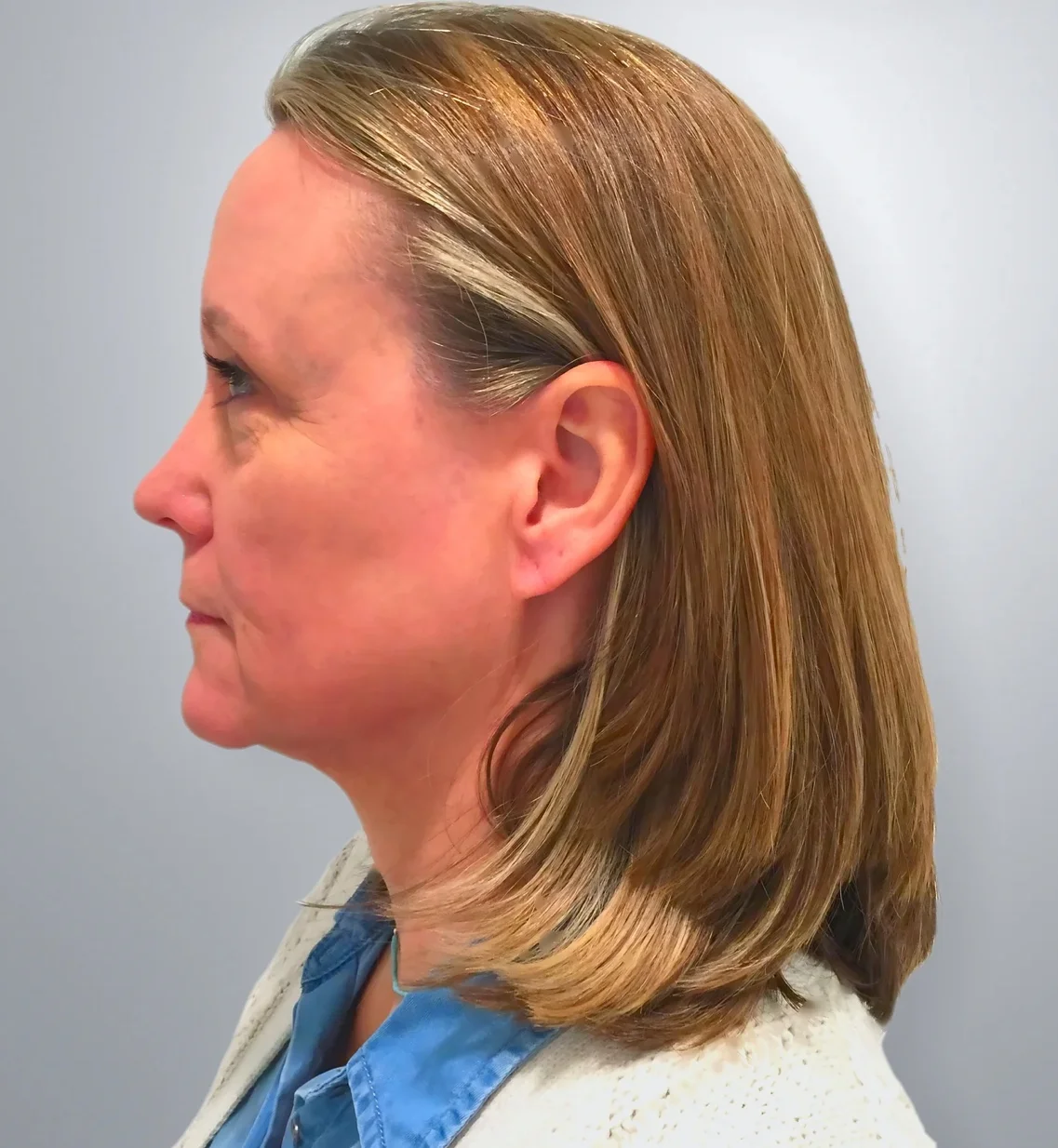
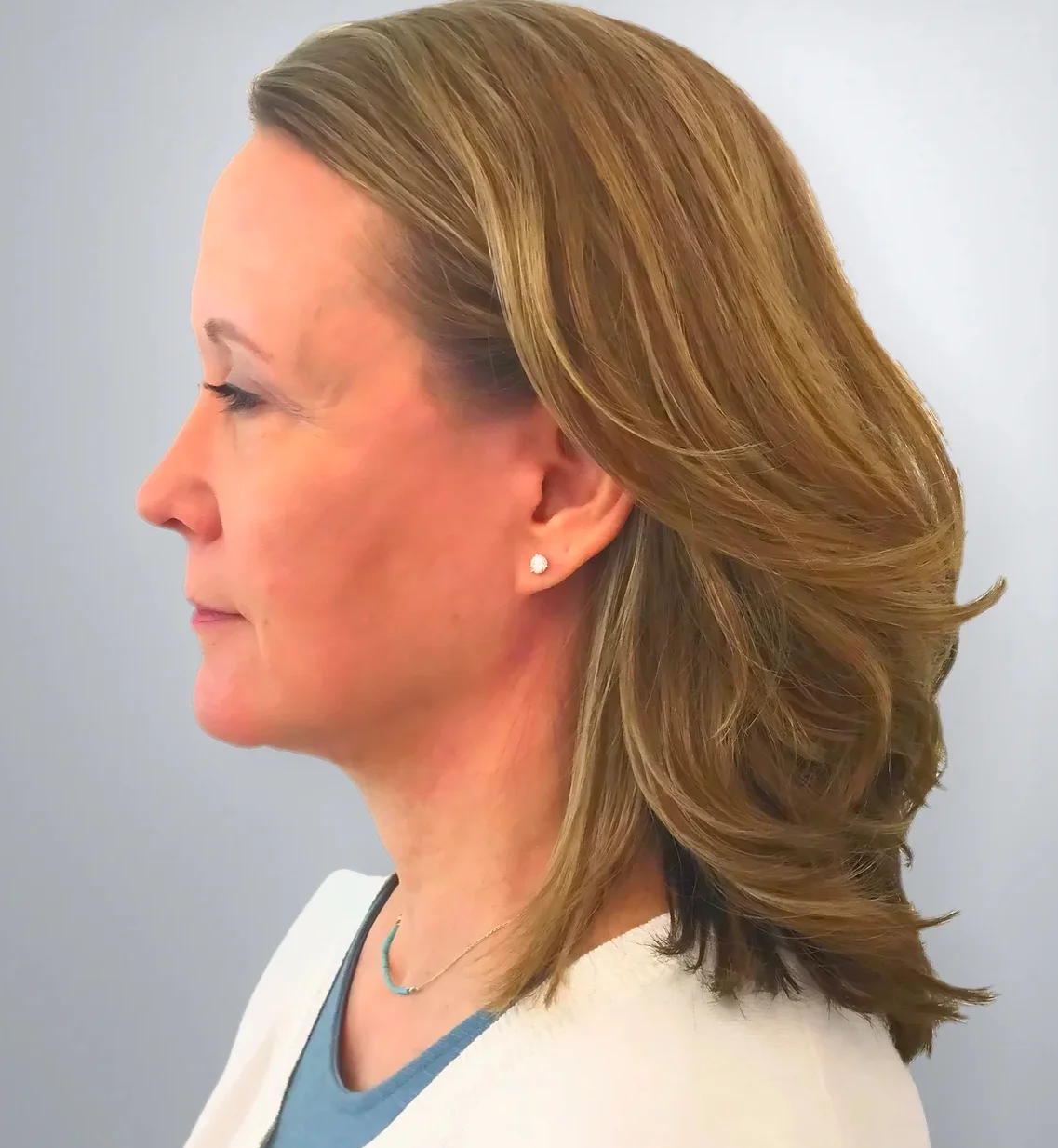
Non-clinical details in patient stories have been changed to protect privacy.
All photographs are of actual Edition Plastic Surgery patients. Individual results may vary.
Facelift Stories
What to Expect
A facelift is a major operation, and the recovery takes patience. The result keeps improving for months after the first healing.
Your Consultation
Dr. Schwartz examines your face: how far the tissues have descended, your skin quality, your bone structure and any loss of volume. He then plans the operation for your anatomy. He will tell you whether a brow lift or blepharoplasty would make a real difference, and he will be straightforward about timelines and realistic outcomes.
Pre-Operative Planning
Lab work, medical clearance, and changes to medications (particularly blood thinners and supplements) are arranged in advance. Our patient concierge handles the logistics and gives you a detailed preparation guide, so surgery day is calm and organized.
Surgery Day
A facelift is performed under general anesthesia and typically takes four to six hours, depending on how much is done and whether other procedures are combined. Surgery is performed in our private surgical suite. You go home the same day.
Early Recovery
Swelling and bruising are significant during the first week and are a normal part of healing. Drains, if placed, are removed within the first two days. Keep your head raised and move gently. Tightness and pulling are more common than pain.
Presentable in Public
Most patients look recovered enough for most casual purposes by 10 to 14 days; allow 3 to 4 weeks before an important social or business event. Swelling keeps going down gradually. Strenuous exercise is restricted for three to four weeks. Each week brings visible improvement.
Final Results
The final result appears as the deeper tissues settle and the last of the swelling resolves over three to six months. The result typically lasts ten to fifteen years.
A Demanding
Operation
Facelift surgery is technically demanding. The anatomy is complex, and the difference between a natural result and an obvious one is small. Knowing when enough has been done matters as much as the technical skill to do it. Much of Dr. Schwartz's practice is facial surgery.
Full Credentials →Plastic Surgeon
Performed
Practice
Rate
Is This Right for Me?
A facelift suits people who are bothered by the aging they see in the mirror and want to go on looking like themselves.
Common Reasons
Patients Choose This
- Your jowls, sagging cheeks or loose neck bother you when you look in the mirror.
- You are in your forties to sixties, or younger and the deeper tissues of your face have already sagged noticeably.
- You want a natural result that doesn't look operated on.
- You have noticed fullness moving from your cheeks down toward your jawline, and you want definition back in your cheeks and neck.
- You are in good general health, you don't smoke, and your weight is stable.
- You have realistic expectations about what surgery can change.
Things to Consider
Before Proceeding
- You smoke. Dr. Schwartz requires you to stop before surgery, usually four weeks ahead, sometimes six with a long smoking history, for your safety and so you heal properly.
- Your signs of aging are mild. Dr. Schwartz may recommend non-surgical or less invasive treatment instead.
- You have significant medical conditions that are not under control and could make surgery or recovery unsafe.
- You want a drastic change or a tight, obviously lifted look. Both of the techniques Dr. Schwartz uses are designed to avoid one.
- You can't take the time off. Dr. Schwartz typically advises 4 to 7 days before you return to office work, and 3 to 4 weeks before an important social or business event.
Dr. Schwartz will give you an honest assessment, including whether surgery is premature for your anatomy or whether a smaller procedure would serve you equally well for now.
Frequently Asked
Answers to the questions Dr. Schwartz hears most often from facelift patients, especially about how natural the result looks and how long it lasts.
Both lift the deeper layer of the face, the SMAS, rather than pulling on the skin. In an SMAS facelift, that layer is lifted, tightened and secured without releasing the ligaments that hold the cheek tissues in place. In a deep plane facelift, the surgeon works beneath the SMAS and releases those ligaments, so the cheek and jowl tissues move back up together as one unit. Each has its own pros and cons. Dr. Schwartz offers both, and at your consultation he walks you through those trade-offs and plans the technique that best fits your anatomy and goals.
Many people assume you need to wait until your 60s or 70s. Dr. Schwartz sees many patients in their 40s, and occasionally their 30s, who are beginning to see the effects of gravity, such as a blurring jawline or sagging cheeks. Whether you are a candidate depends on your anatomy and how you feel about your appearance, not on your age.
The 'wind-tunnel' look usually comes from pulling the skin horizontally toward the ears. Dr. Schwartz lifts the deeper tissues and cheek volume upward instead, restoring the natural, heart-shaped contour your face had when you were younger.
A facelift typically lasts ten to fifteen years. Aging continues after surgery, but from a much younger starting point. Many patients need only minor maintenance procedures a decade or more after their facelift.
Most patients can go back to office work in 4 to 7 days. Expect significant swelling and bruising during the first week. The recovery is more demanding than after minor procedures, but the pain is usually mild and managed with prescription, non-narcotic pain medication. Most patients look recovered enough for most casual purposes by 10 to 14 days. Allow 3 to 4 weeks before an important social or business event. Dr. Schwartz recommends waiting three to four weeks before returning to strenuous exercise.
The incisions are placed within the hairline and in the natural creases in front of and behind the ear. They usually heal as fine, pale lines that are hard to see even up close.
Every surgery has risks. Dr. Schwartz reduces them through precise technique, modern anesthesia and careful patient selection. The most common problems after surgery are temporary swelling, tightness and minor bruising. At your consultation he reviews your medical history to check that you are healthy enough for the operation and the recovery.
Every face ages differently, so Dr. Schwartz plans each facelift around the patient’s bone structure and skin quality. The fee depends on how much needs to be done and whether other procedures, like a brow lift or fat grafting, are combined. You receive a detailed fee quote after your consultation. Financing is available.
Recovery & Concierge Care
Dr. Schwartz performs your facelift in our private surgical suite as an outpatient procedure. He sees you the next day, then typically at one week, three weeks, two months, four months and six months, adjusted to how you are healing. He does almost all follow-up visits himself, and at each one he gives you a specific plan for the weeks ahead. Our patient concierge team coordinates your care from surgery day through your last follow-up.
The office can be reached 24 hours a day. After-hours calls from patients recovering from surgery go directly to Dr. Schwartz, so an important question never waits until morning. The recovery is planned so that any responsible adult can look after you at home. If you would rather have a nurse caring for you at home or in a hotel, we can arrange it.