
Midface Liftin Dallas
Lifts the cheeks straight back up, through incisions hidden inside the mouth and in the hair.
Estimate your costWe Age Down,
Not Forward.
Dr. Schwartz thinks of the face in thirds. The upper third runs from the hairline to the eyes, the middle third from the lower eyelids to the upper lip, and the lower third from the mouth into the neck. In many faces the middle third ages first. The fullness that sat high on the cheekbone slowly slides down, so instead of a soft roundness over the cheekbone that tapers underneath, the face squares off. The laugh lines deepen, the corners of the mouth turn down a little, and the lower eyelid looks longer, which reads as tired.
A midface lift moves that tissue back up, straight up, the direction it fell. Nothing is added and the skin isn't pulled; your own cheek is put back where it was. It is one of Dr. Schwartz's favorite operations, because it treats the part of the face that is often aging fastest, and it does so without a visible scar on the face.

The Procedure
On each side, Dr. Schwartz makes an incision inside the mouth, high behind the upper lip against the gum, and lifts the cheek tissues off the cheekbone. Working right on the bone keeps him beneath the layer where the nerves and muscles that move your face lie. Through a second incision of about an inch, roughly an inch behind the hairline at the temple, he works down from above until the two areas meet at the cheekbone.
He then places a strong, slowly dissolving stitch in the cheek tissues and passes its ends up along the bone to the temple with a long needle, which needs less dissection than the usual tunnel. As he tightens the stitch, the cheek rises. When it reaches the height he wants, he ties the stitch into a tough layer deep in the scalp. Over the next two months the cheek heals down to the bone in its new position, and the stitch dissolves over about three to four months, once it is no longer needed. He uses a dissolving stitch rather than a permanent one so that nothing is left behind that could cause a problem years later.
The most obvious change is more fullness over the upper cheek and less below it. The laugh lines (nasolabial folds) soften. In most patients the corners of the mouth come up a little, which looks more relaxed. Because the cheek pulls the lower eyelid back up as it rises, the eyes often look younger even though the eyelids aren't touched. In some people the jawline tightens slightly as well.
The midface lift isn't just a treatment for facial aging. In many young women and men who already look youthful, it makes the face more attractive as well. The added fullness over the upper cheeks and the contouring it gives the lower cheeks make many people look more attractive, whatever their age.
What is usually called a facelift was poorly named when it was invented in the 1920s. At the time it was the only facelifting operation, so calling it a facelift made sense. It mostly addresses the lower third of the face, though: it corrects the lower cheeks, smooths the jawline, reduces jowls and tightens the neck. The midface lift works on the middle third. It restores fullness over the cheekbones, makes the lower eyelids look more youthful, softens the nasolabial creases and brings up the corners of the mouth.
Which of the two you need comes down to where your face has aged. If it is primarily in the upper cheeks, the midface lift is the right operation, and in most people this is also the part of the face that ages first. If the aging is mostly along the jawline and in the neck, a facelift makes more sense, although most people who have aged there have also aged in the middle third of the face. Doing both procedures at the same time is often the best approach.
On casual inspection a thread lift can sound like the same thing, but it isn't. The midface lift is a true surgical procedure that permanently lifts and suspends the cheek tissue. Threads are little barbed strands of suture inserted as a minimally invasive office procedure; they work by tugging on the fat below the skin to slide it slightly upward.
Because threading is minimally invasive, it is easier to perform. It is also minimally effective: in most cases the result is hard to discern, and it rarely lasts more than several months. Edition offers only procedures that work predictably, are safe and are worth their price (our approach), so for cheeks that have descended, Dr. Schwartz recommends the midface lift.
Many people who ask about cheek implants have good cheekbones; their cheeks have fallen. An implant over a cheekbone that is already adequate makes the face look bony, and bony faces look older, not younger. Dr. Schwartz sees about ten midface lift candidates for every patient who truly needs an implant. A useful test is a photo from ten or fifteen years ago: if your cheeks looked full then, the tissue needs to go back up. More on this in why you probably don't need cheek implants.
There are four incisions in all: one inside the mouth and one in the scalp on each side. None of them is on the face. No hair is shaved; it is braided out of the way during surgery. Your dentist and your hairstylist may notice the incisions, and nobody else should.
A midface lift is performed under general anesthesia in our private surgical suite, and you go home the same day.
Most patients rate the discomfort at five out of ten or less. The cheeks swell, and for a few weeks your smile will feel weak while the swelling settles. The nerve that gives feeling to the cheek and upper lip leaves the bone just below the eye, in the path of the lift. Dr. Schwartz moves it aside with a soft instrument rather than cutting near it, but it inevitably gets stretched, so numbness or tingling are common for a few months before they settle.
To protect the incisions inside your mouth, avoid hard or crunchy foods for the first two weeks. Most patients go back to office work in 4 to 7 days. In most patients the swelling has gone down enough by about 10 days that they are fine for most casual public activities, but allow 3 to 4 weeks before scheduling an important business or social event. Strenuous exercise can resume after about three weeks.
The result is permanent in one important sense: however many years go by, you will always look better than you would have without the midface lift. Your face keeps aging, but from a better starting point. In practice few midface lifts ever need to be repeated, and it would be unusual to consider one sooner than ten years after the first.
The most common pairing is liposuction of the neck, through an incision of about a quarter of an inch under the chin, using VASER ultrasound to soften the fat so it comes out evenly. A midface lift is also often combined with a facelift and neck lift, eyelid surgery, a brow lift or a chin implant. At your consultation Dr. Schwartz will recommend only what will make a real difference for you, and he is happy to price a plan with and without each addition so you can compare.
A midface lift on its own starts at $9,900, and with neck liposuction it starts at $12,200. Both figures include anesthesia and the operating room. Most practices won't give a price until after a consultation; the cost estimator on our pricing page shows a starting figure for any combination before you book, without asking for your name or contact details. Like a commissioned portrait, what you are paying for is one surgeon's judgment and eye applied to your face, which is why no two surgeons' results are alike. Your exact quote is set at your consultation, before you commit to anything. Financing is available.
Midface Lift Portfolio
Drag the handle to compare.
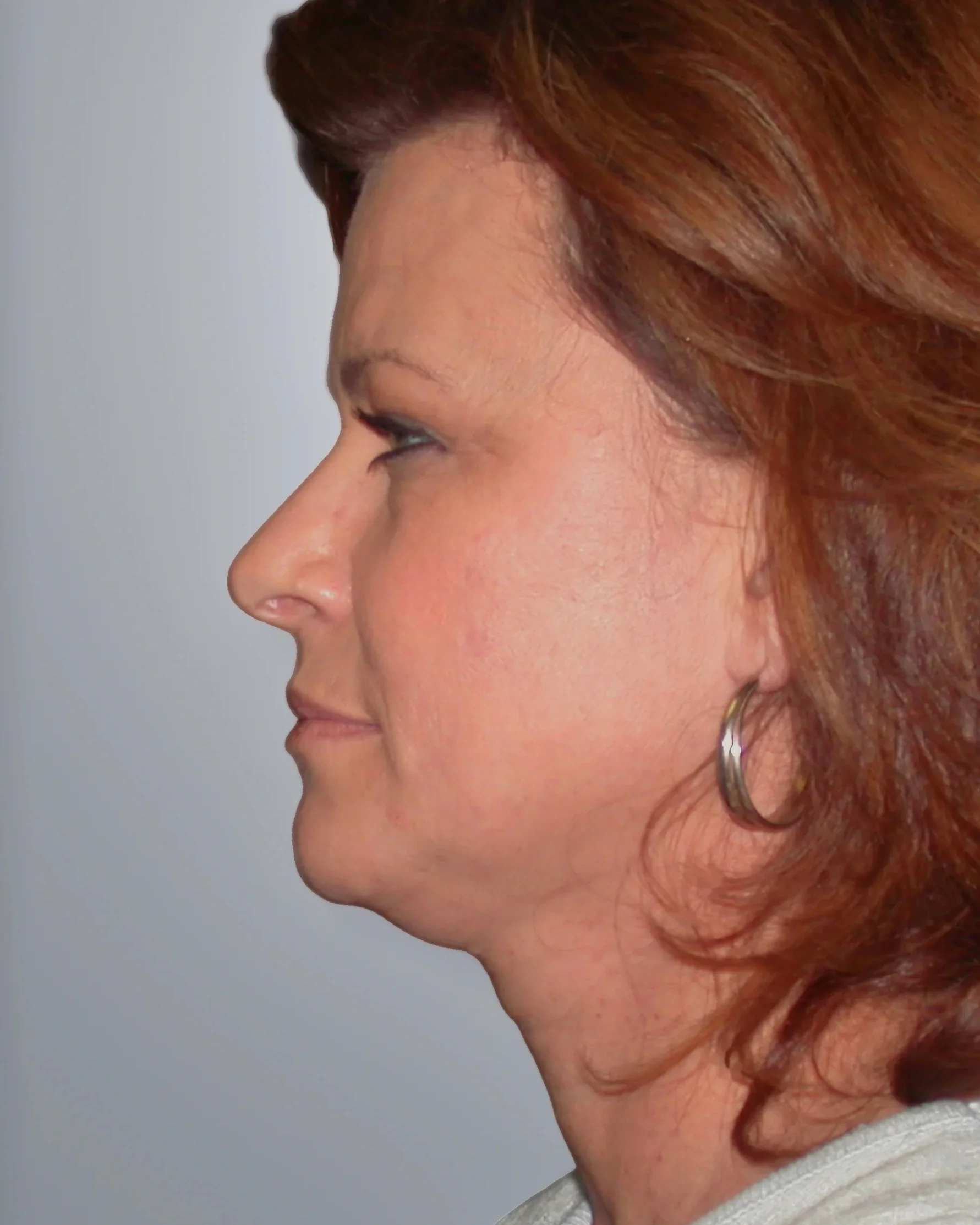
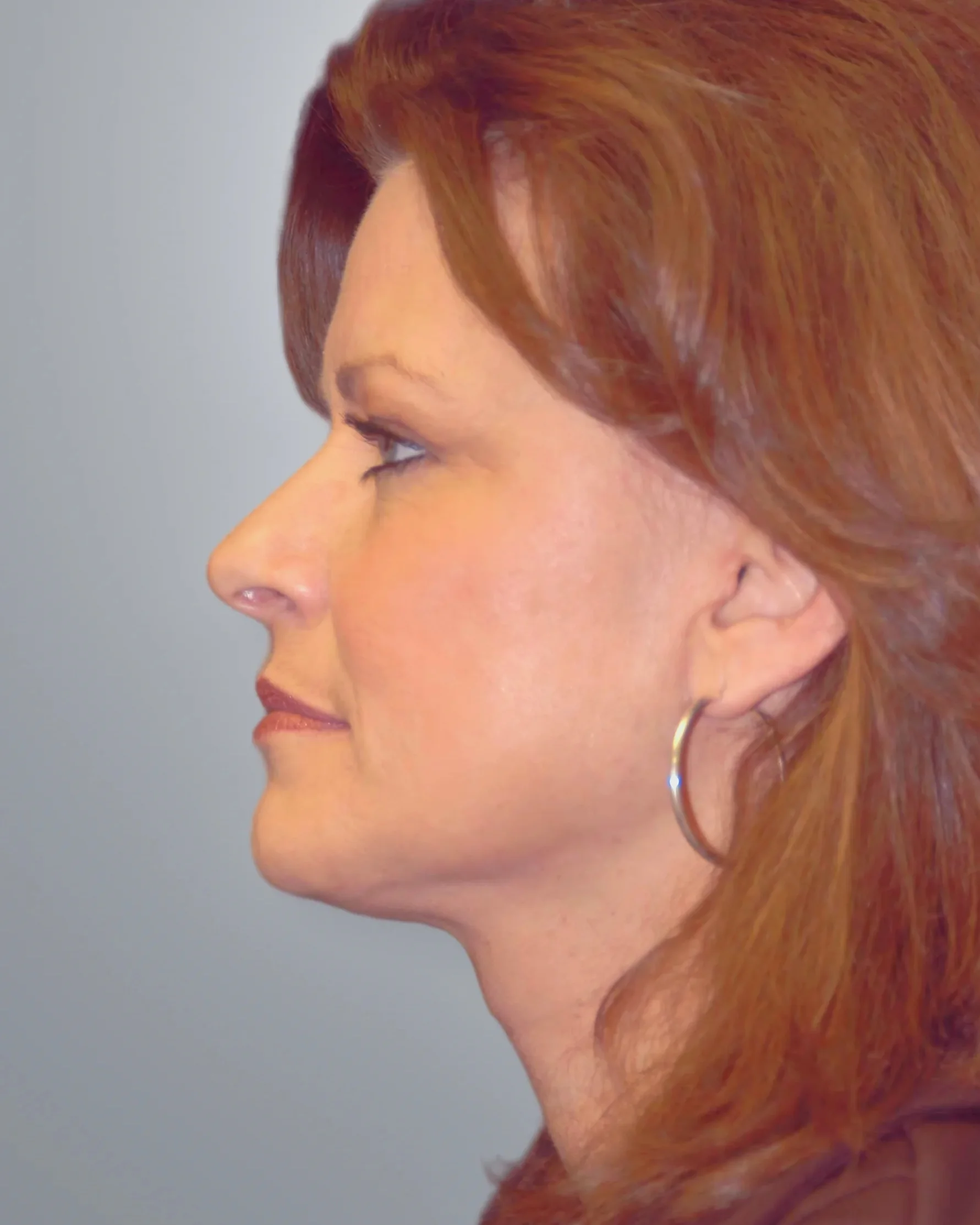
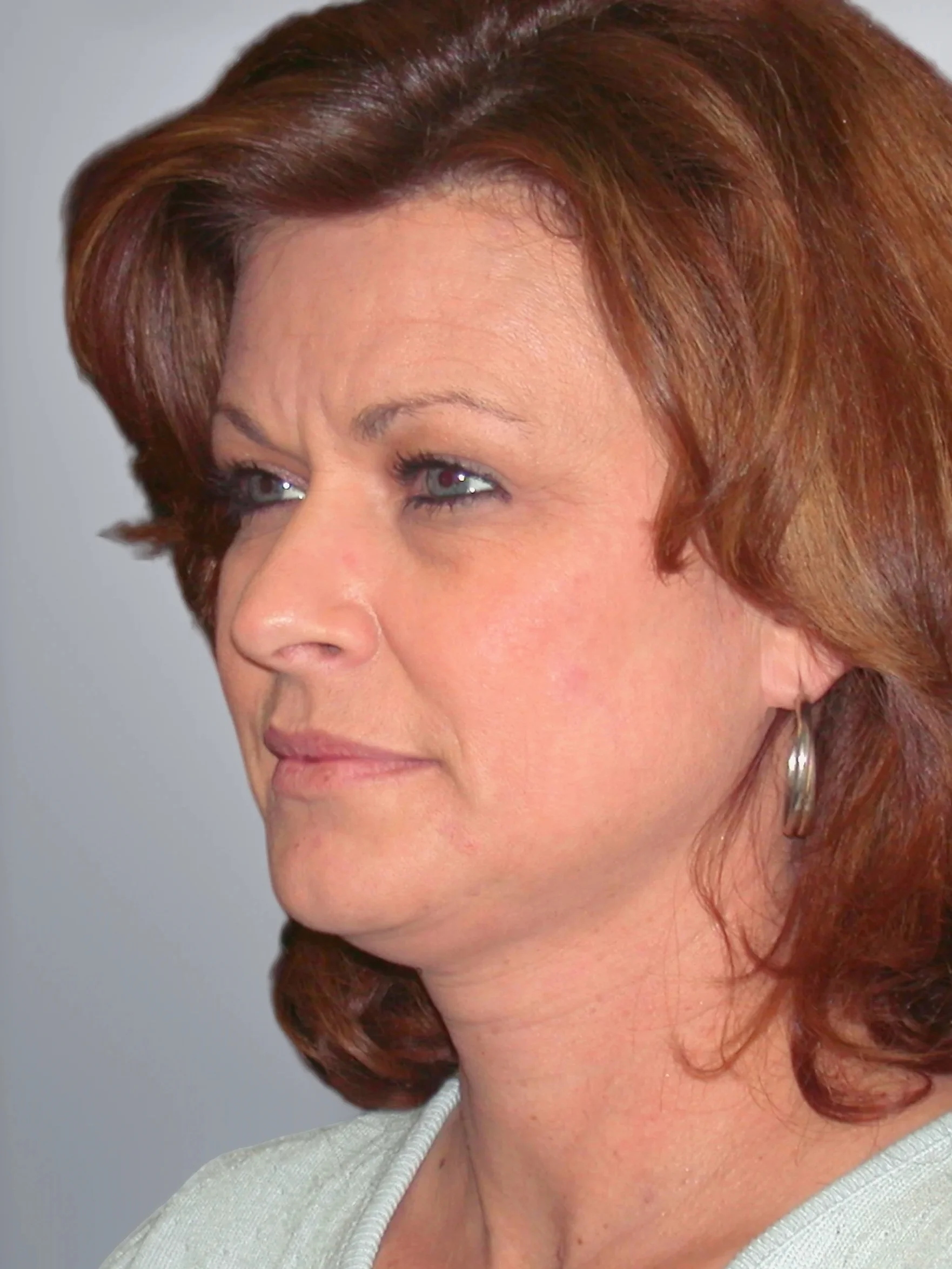
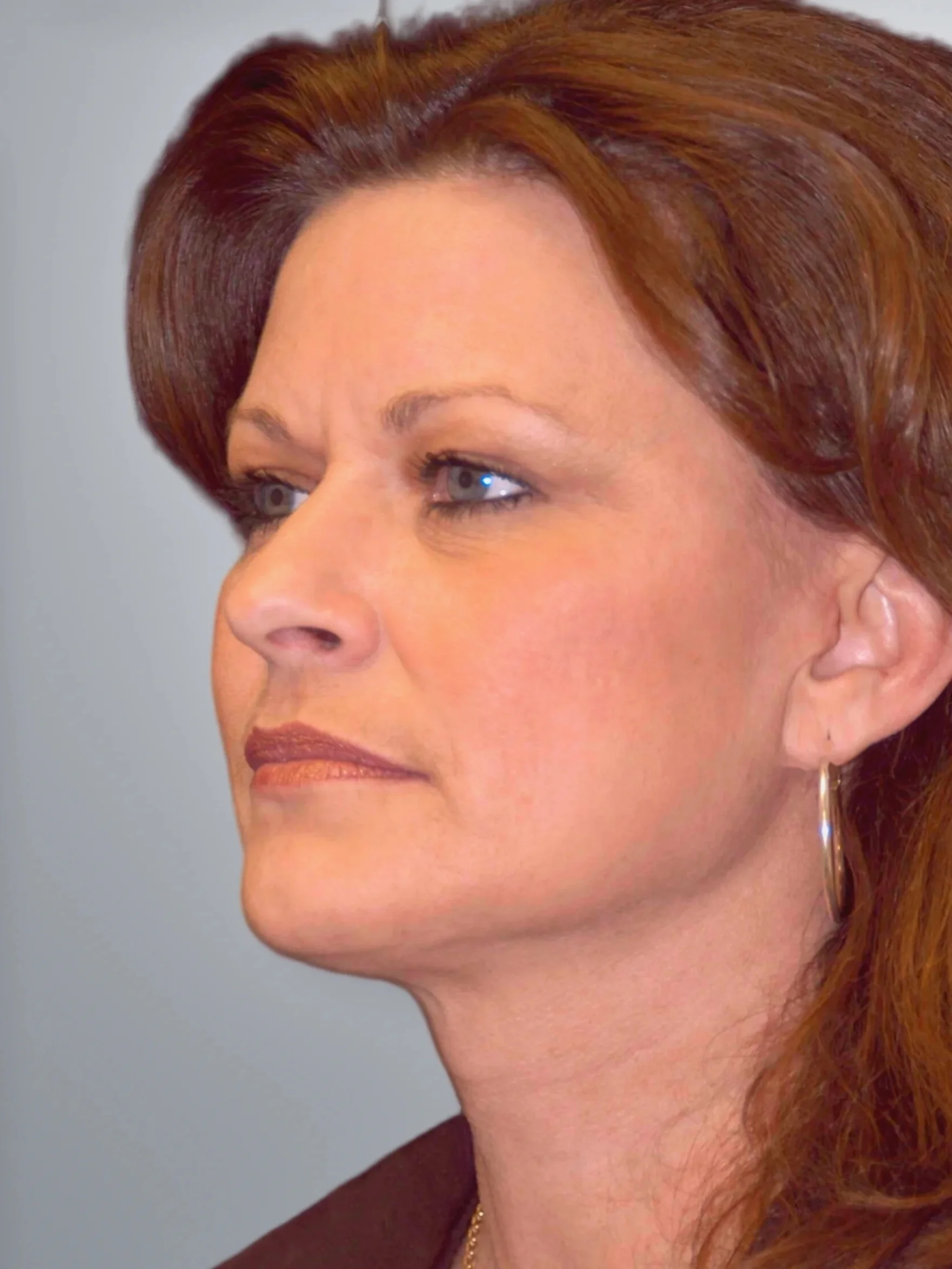
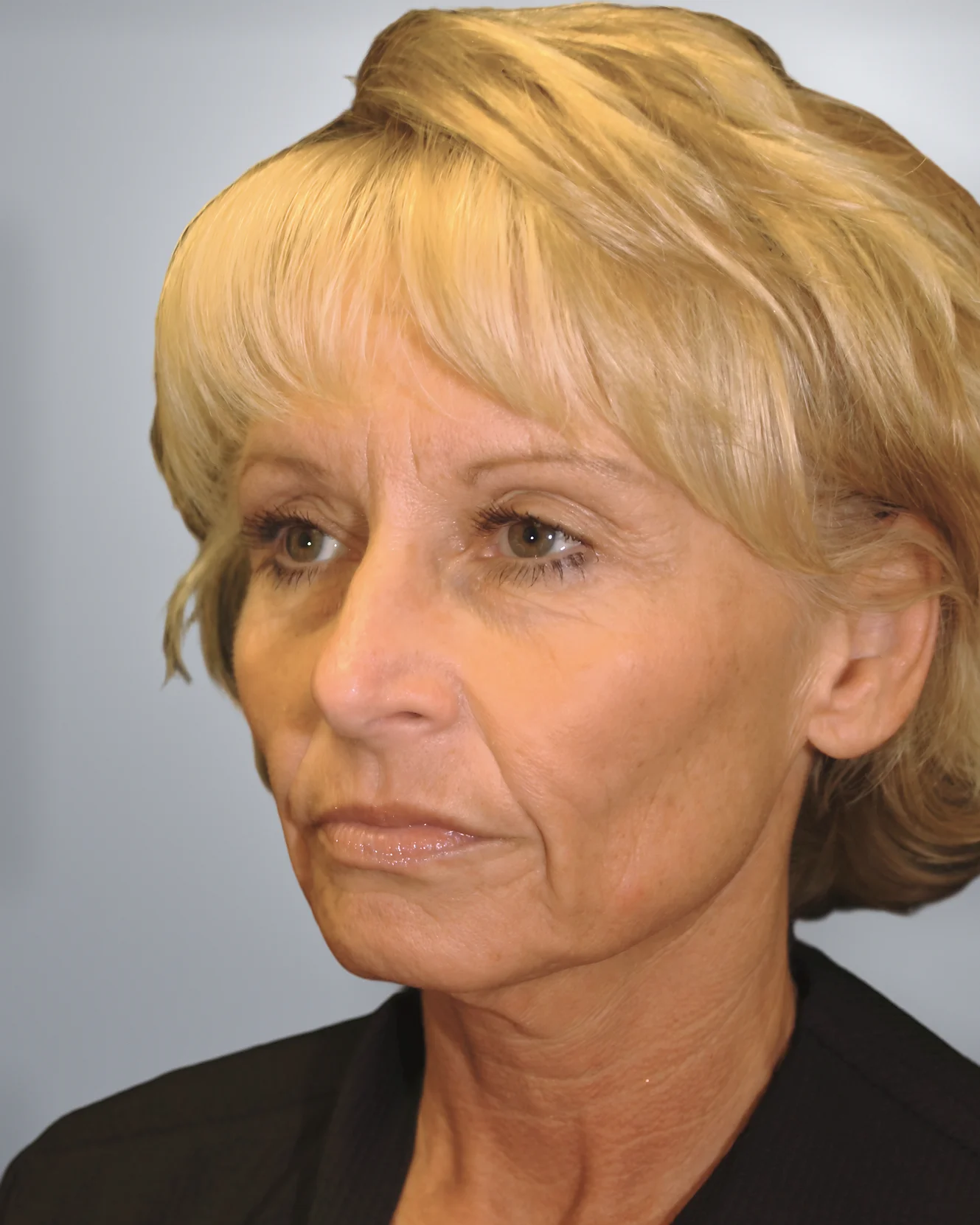
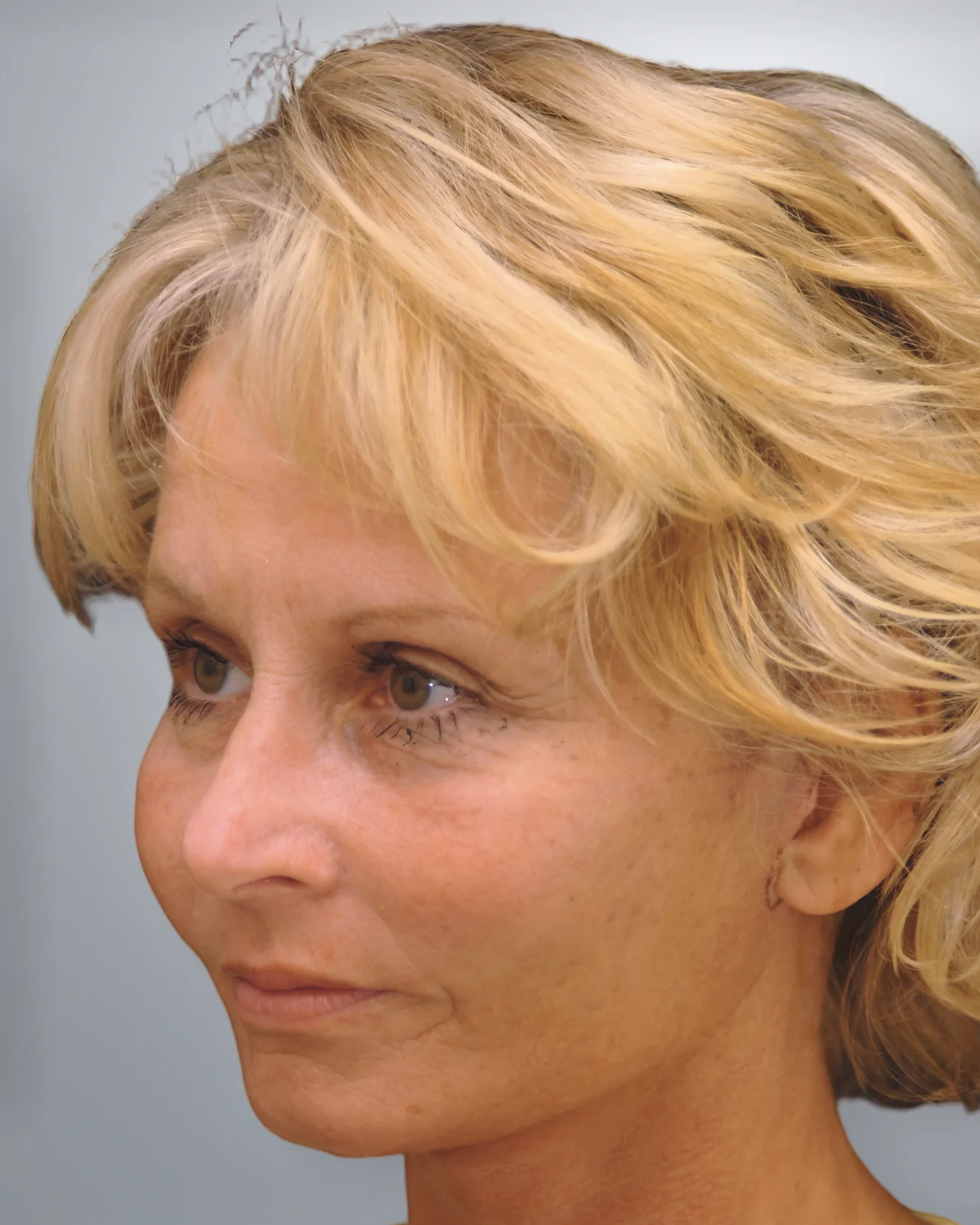
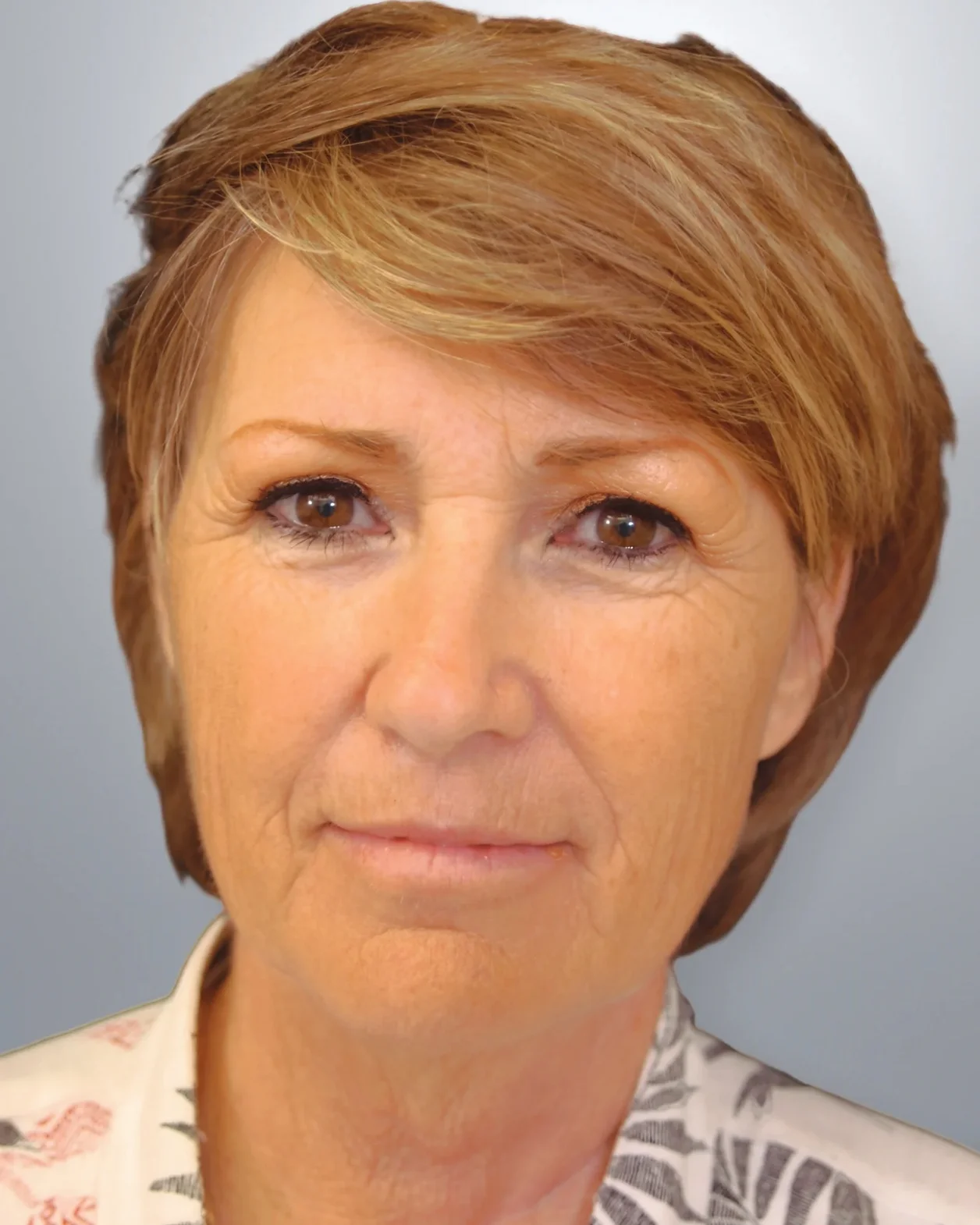
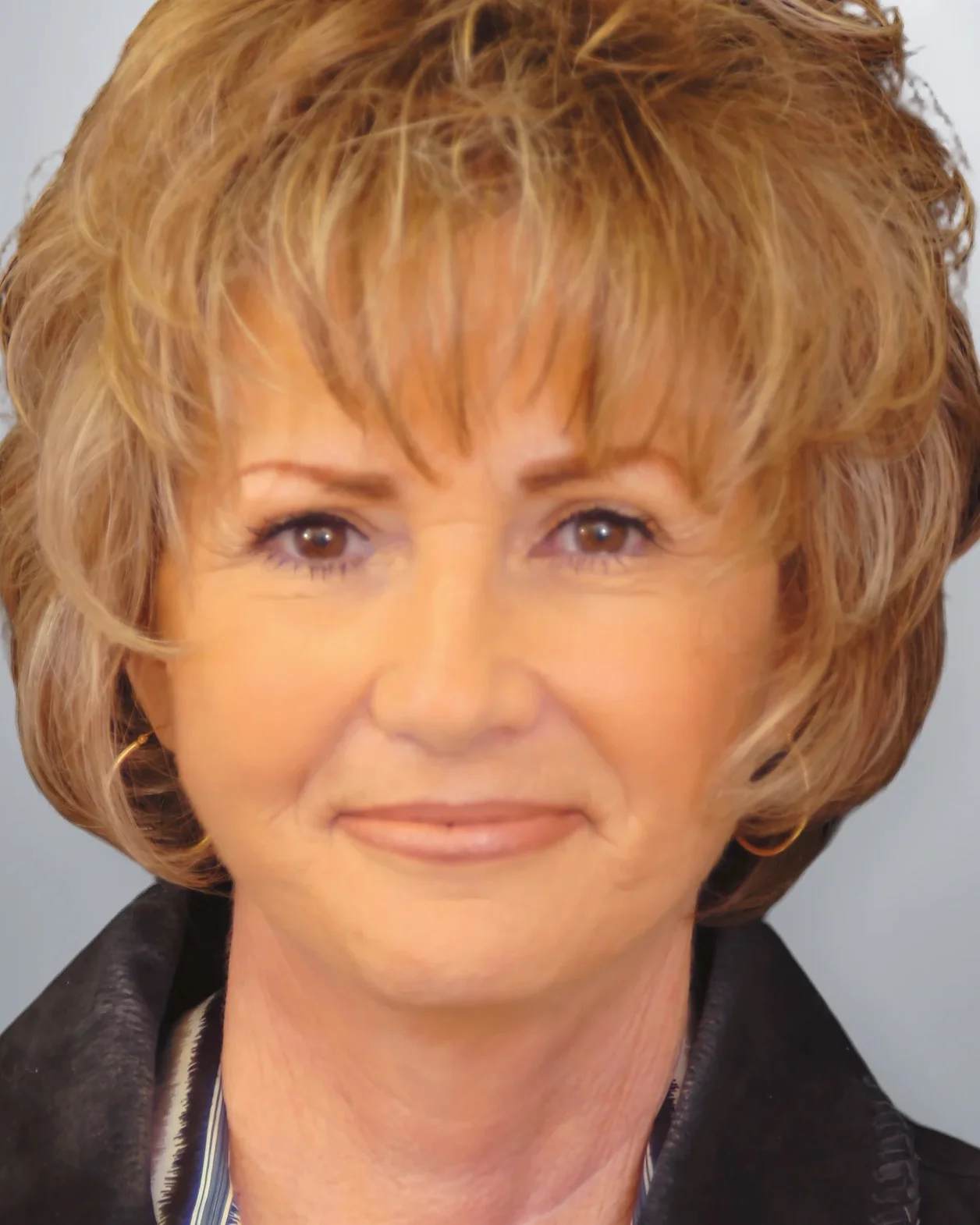
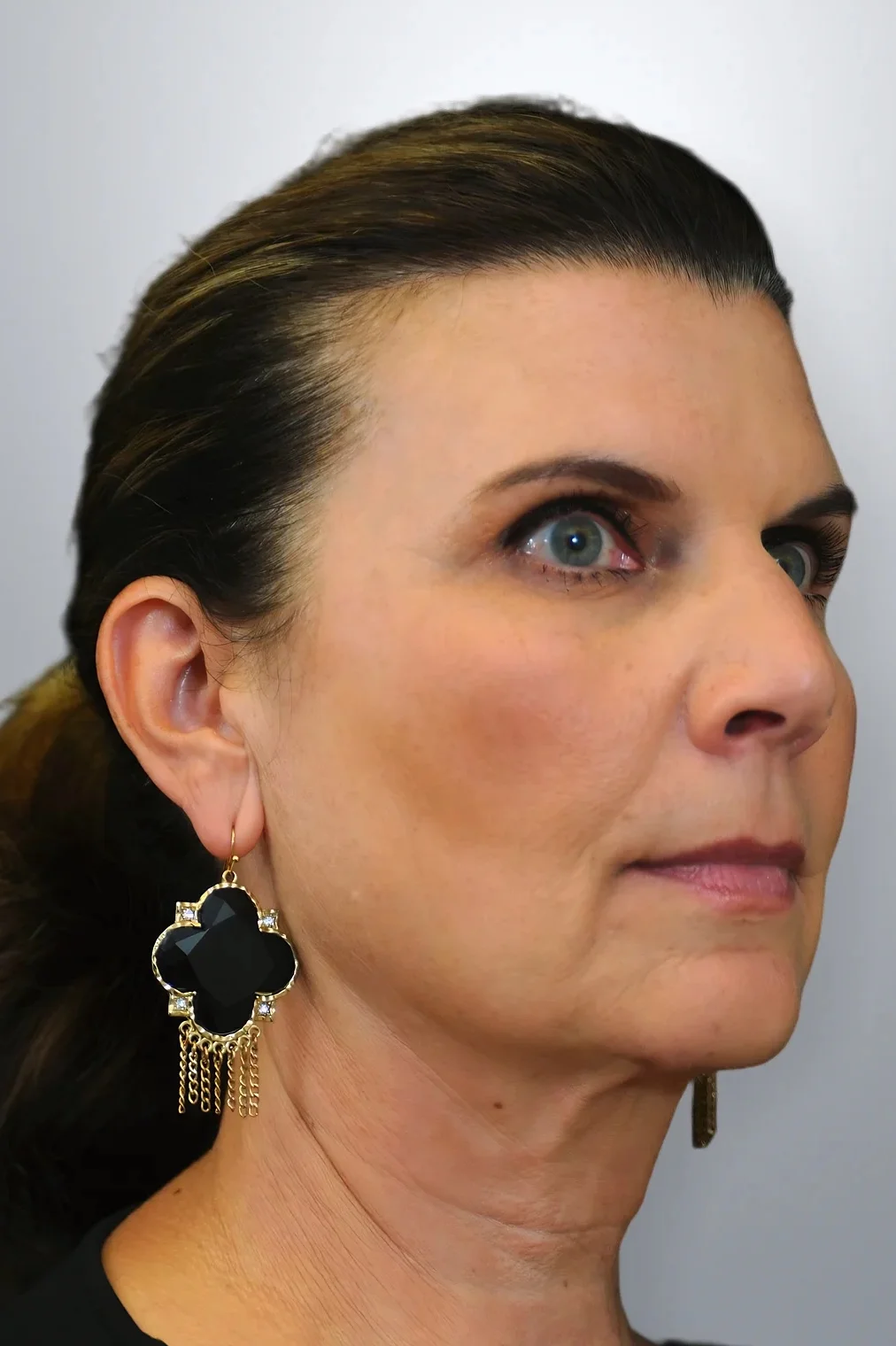
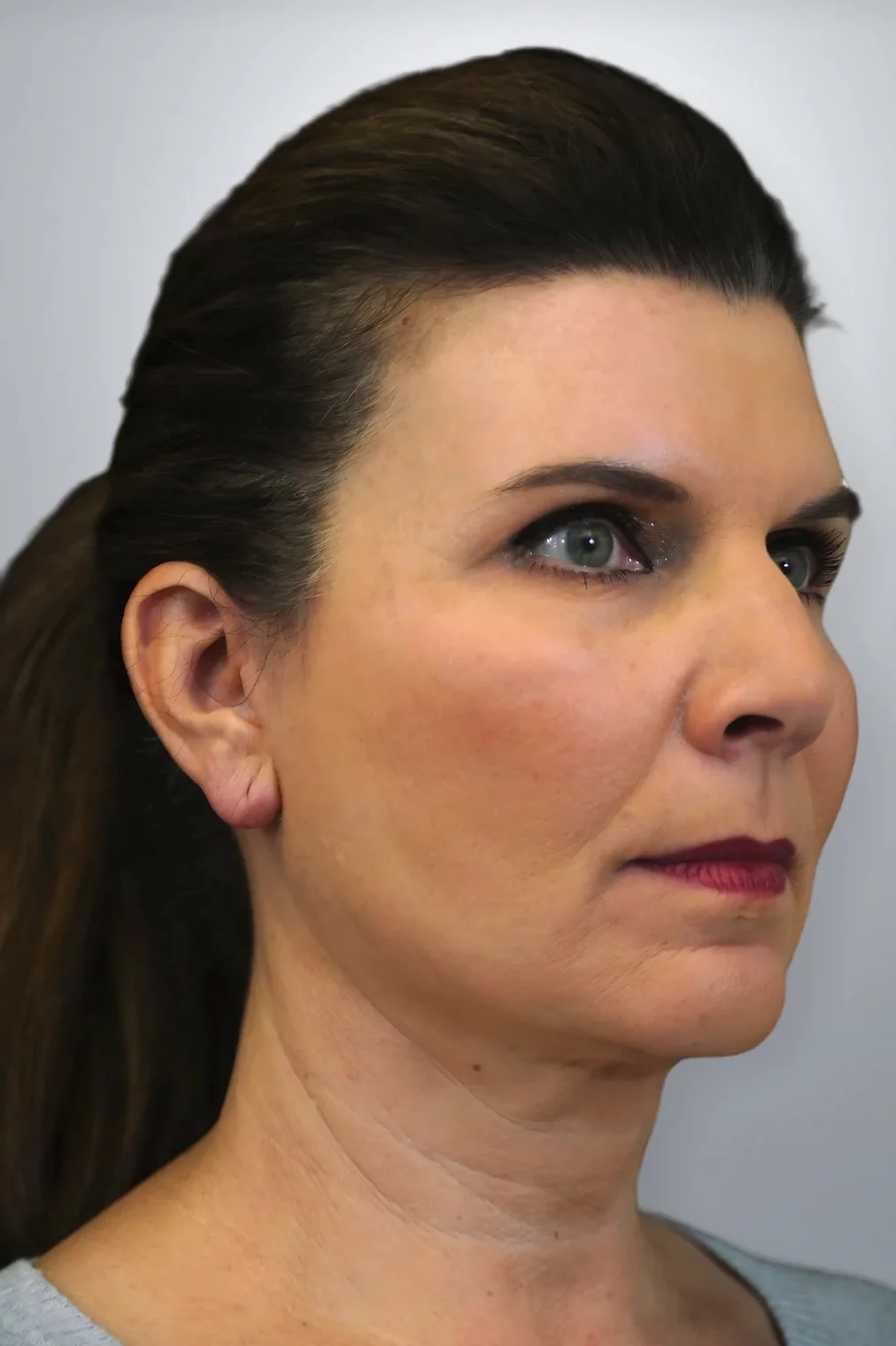
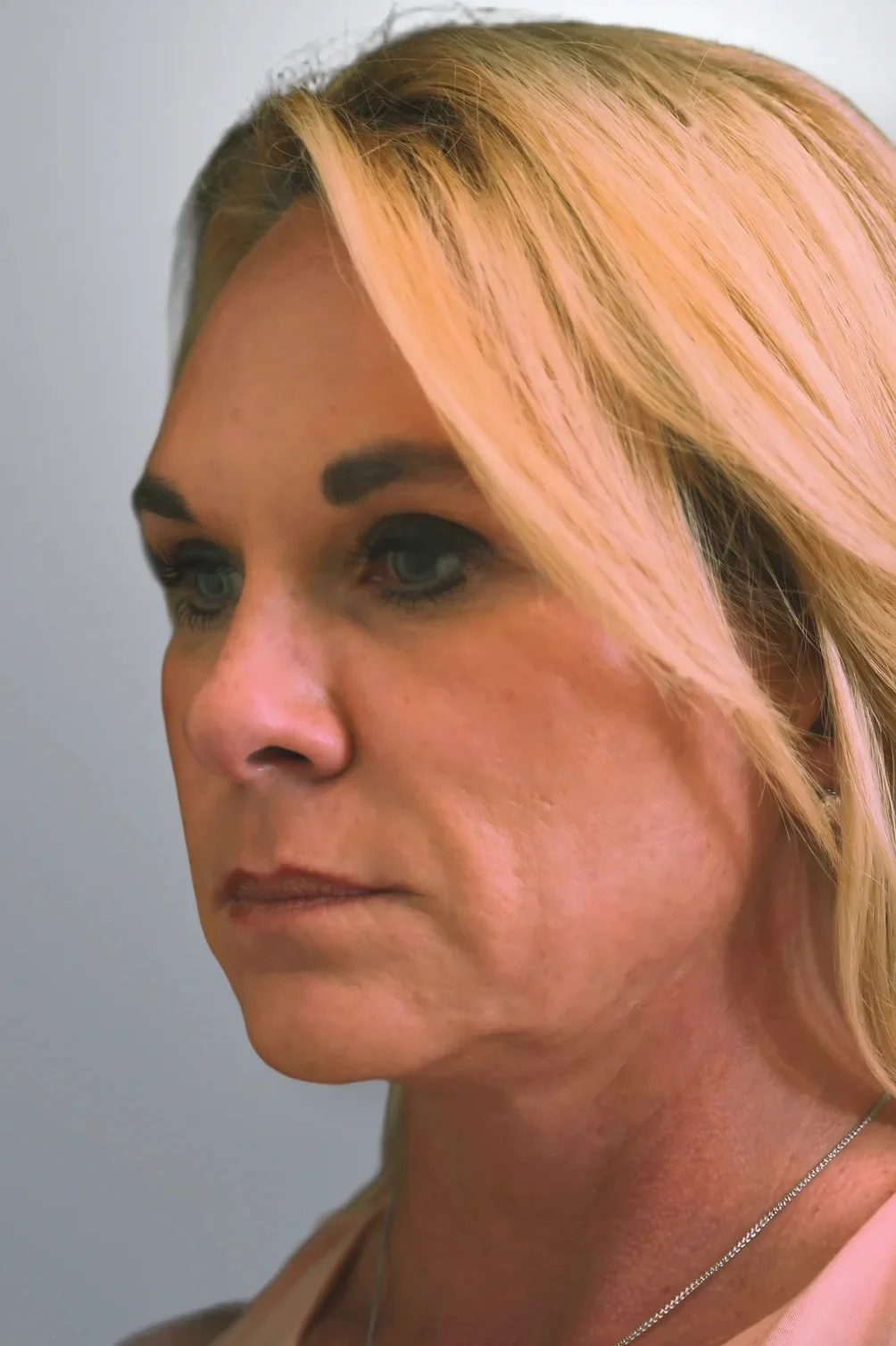
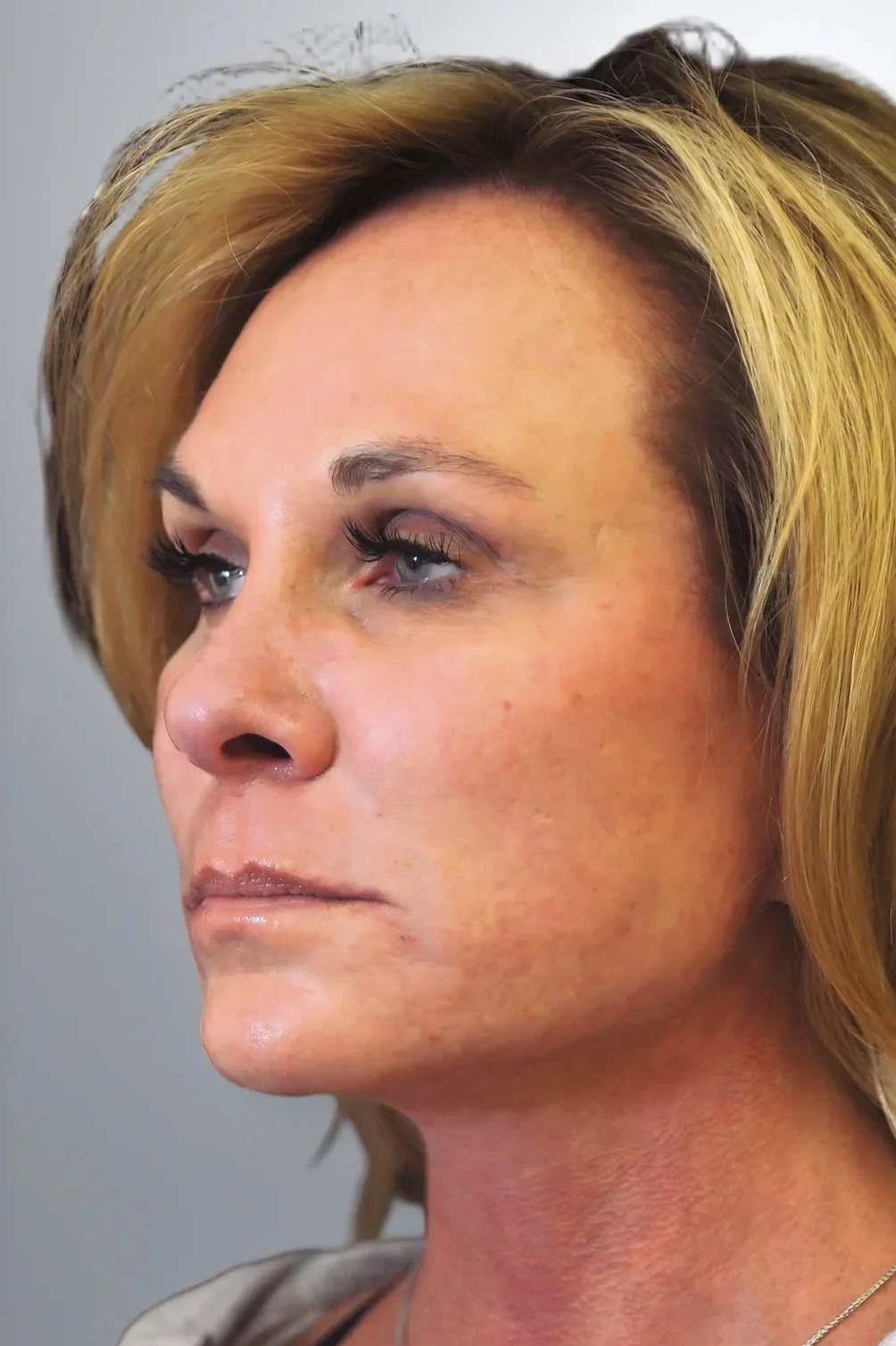
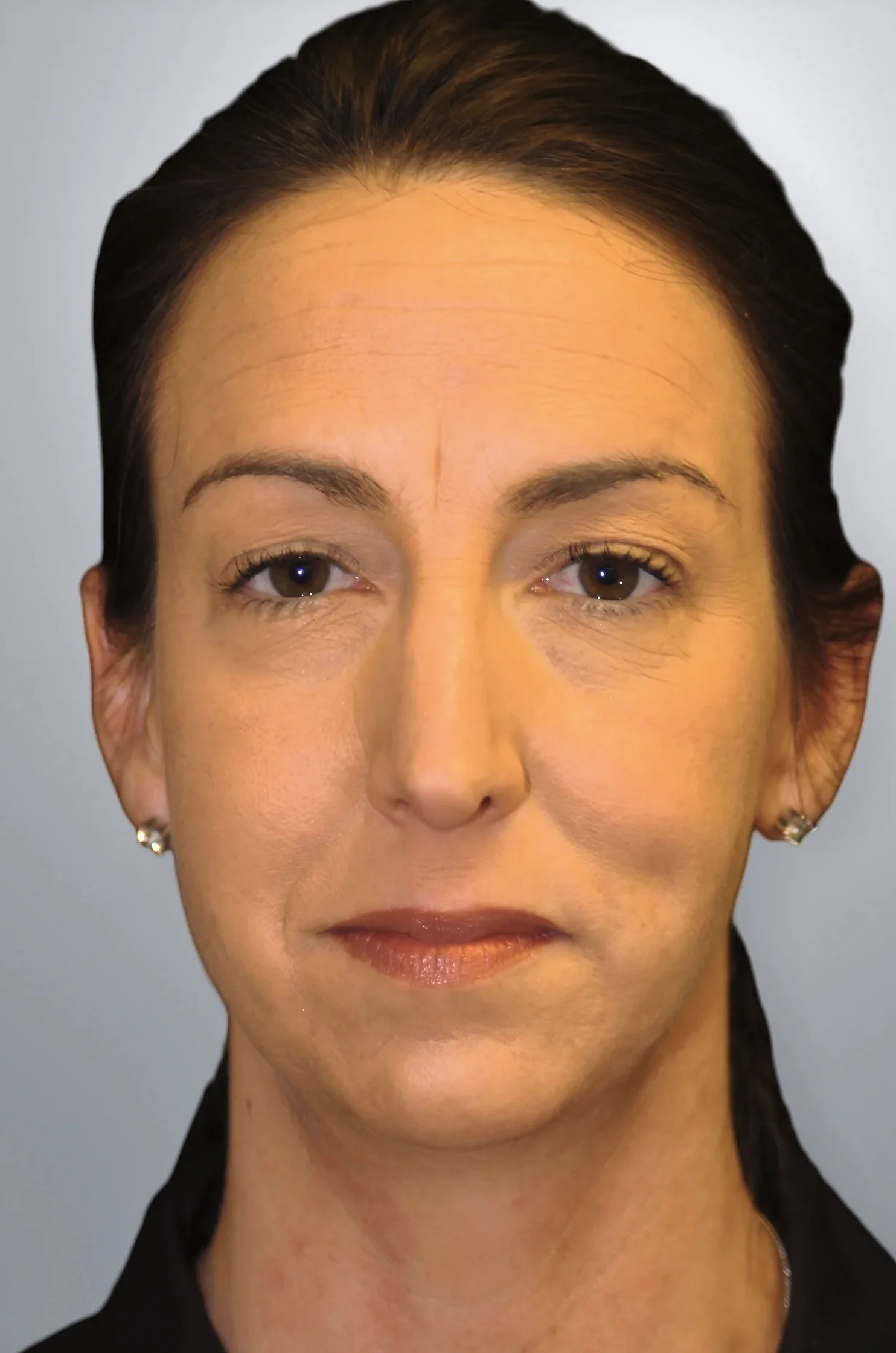
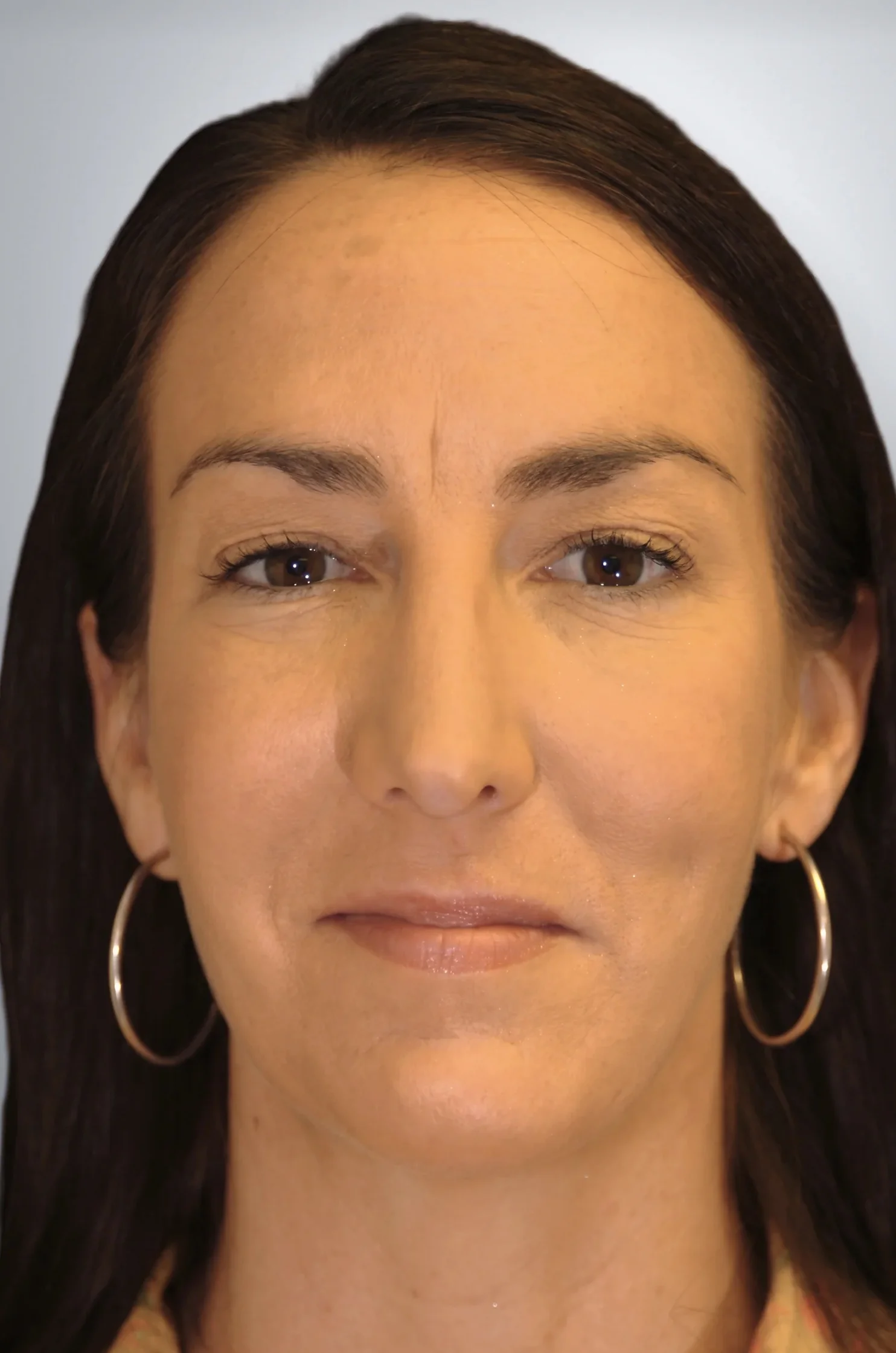
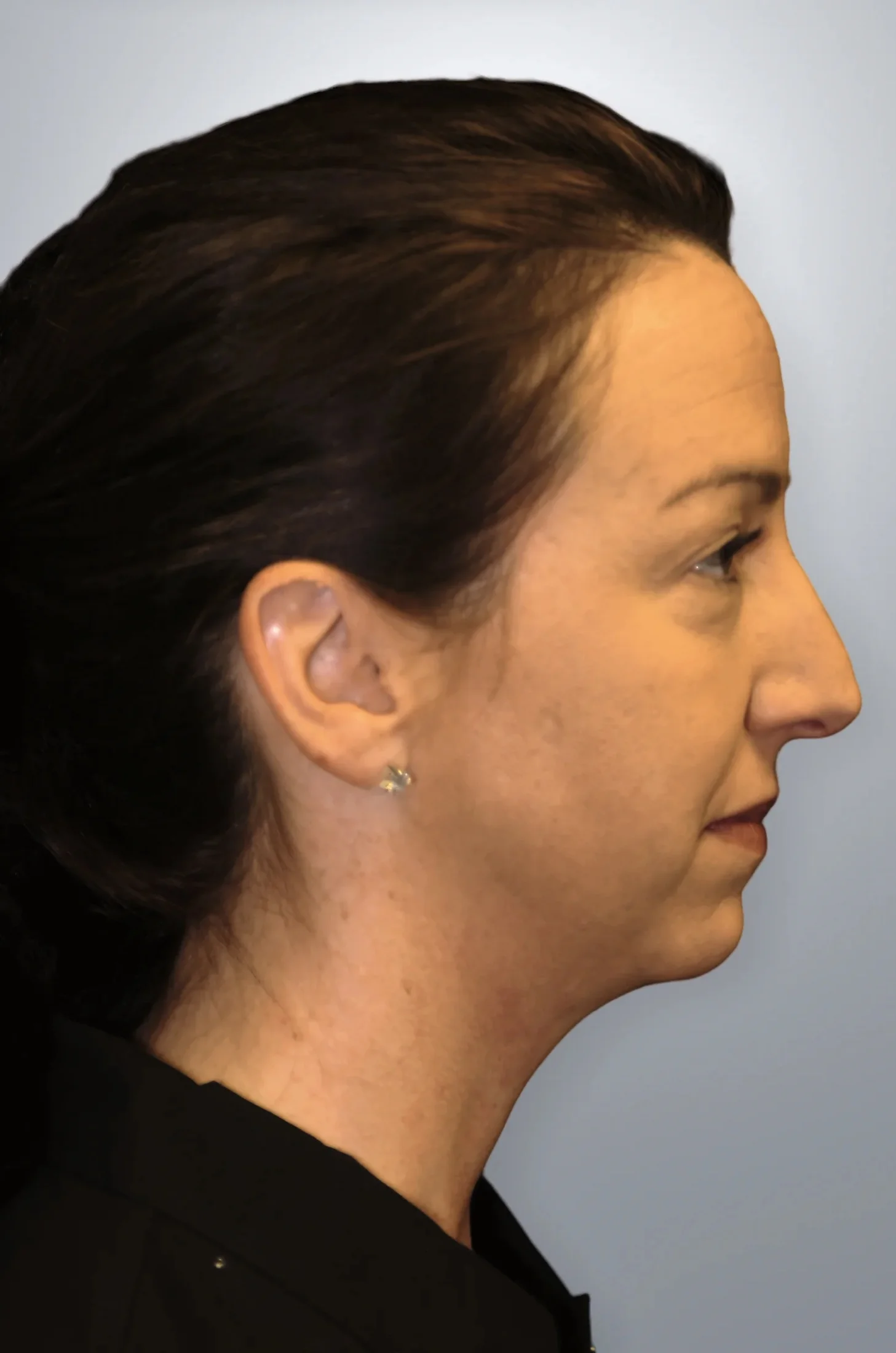
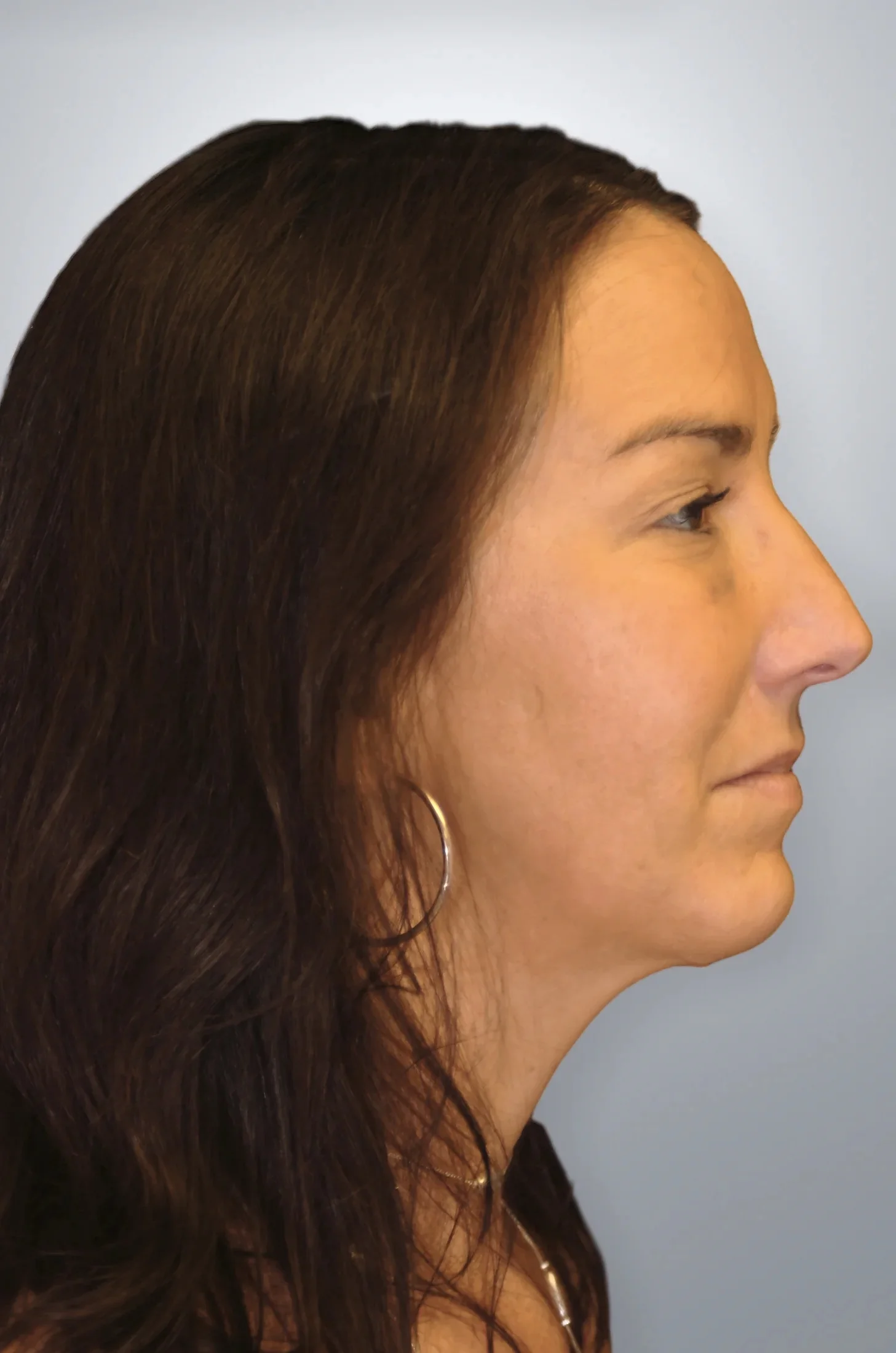
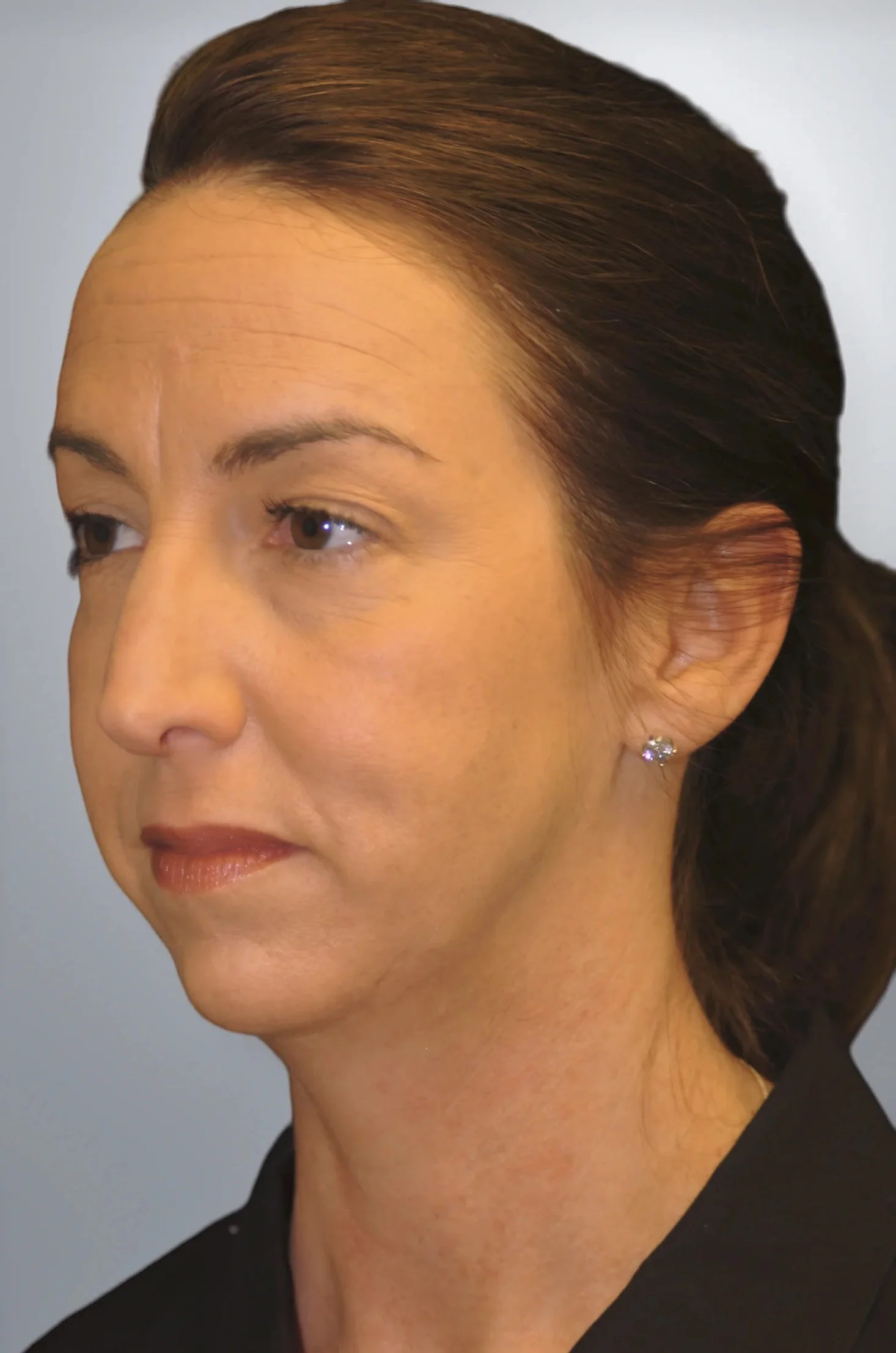
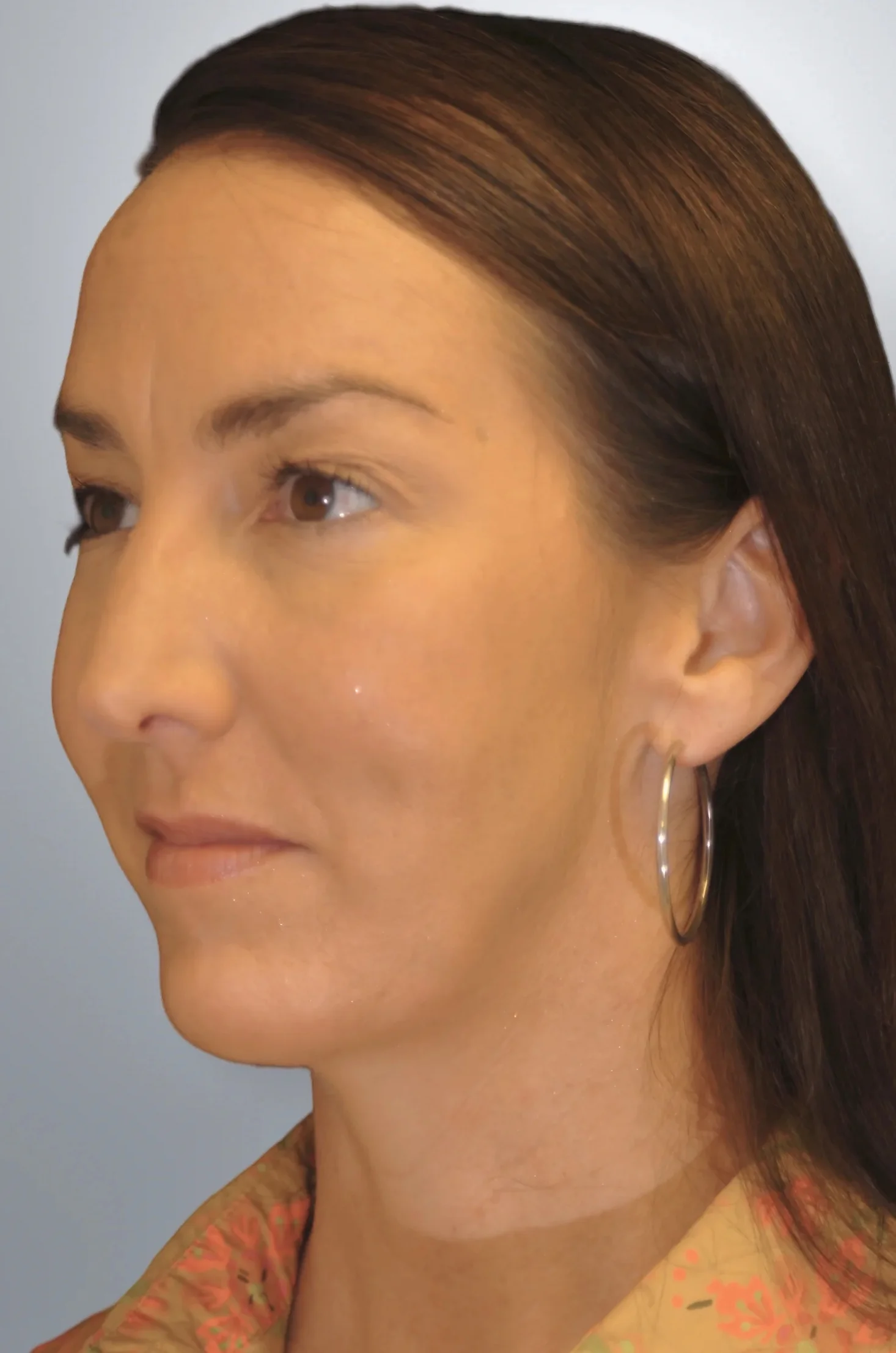
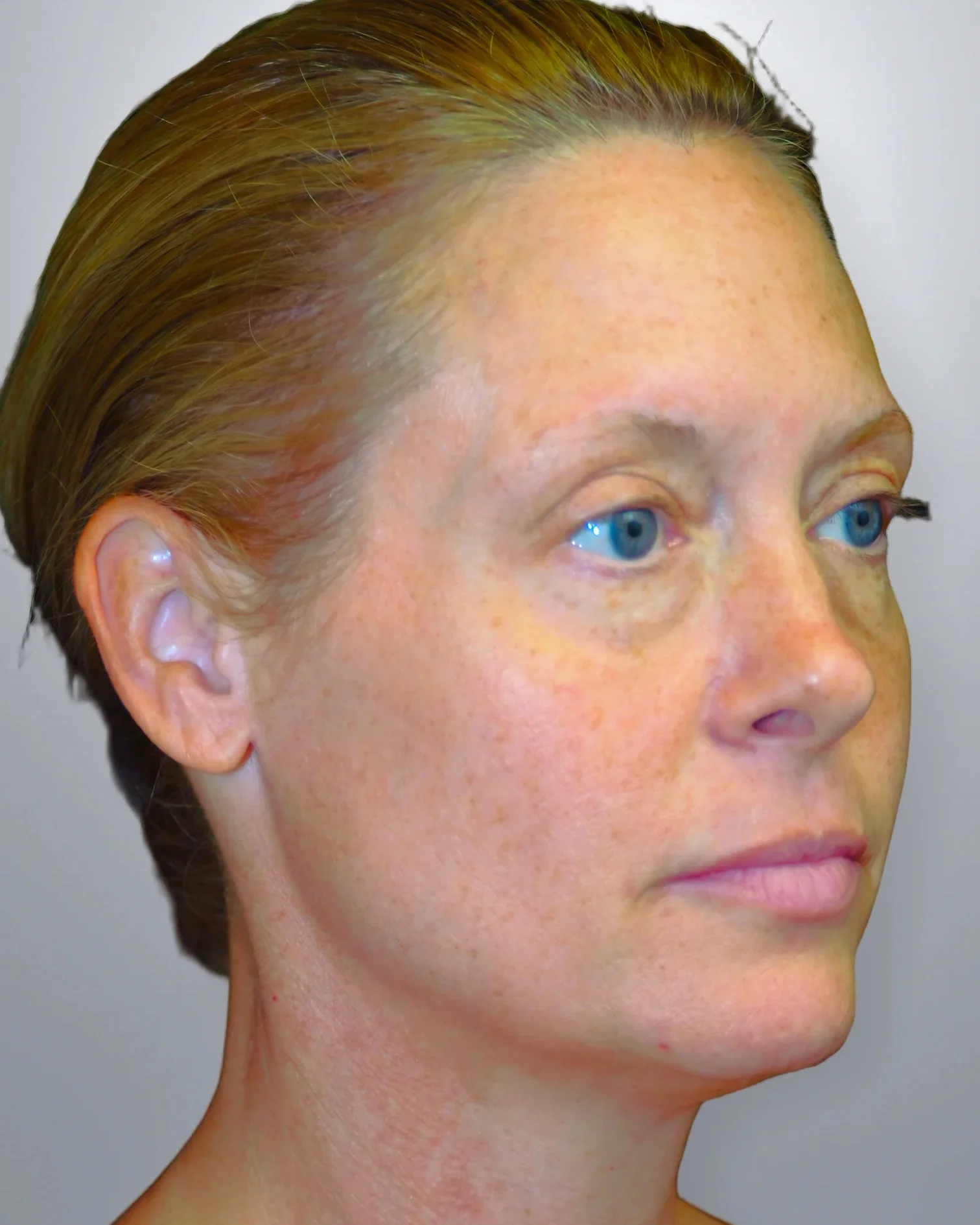
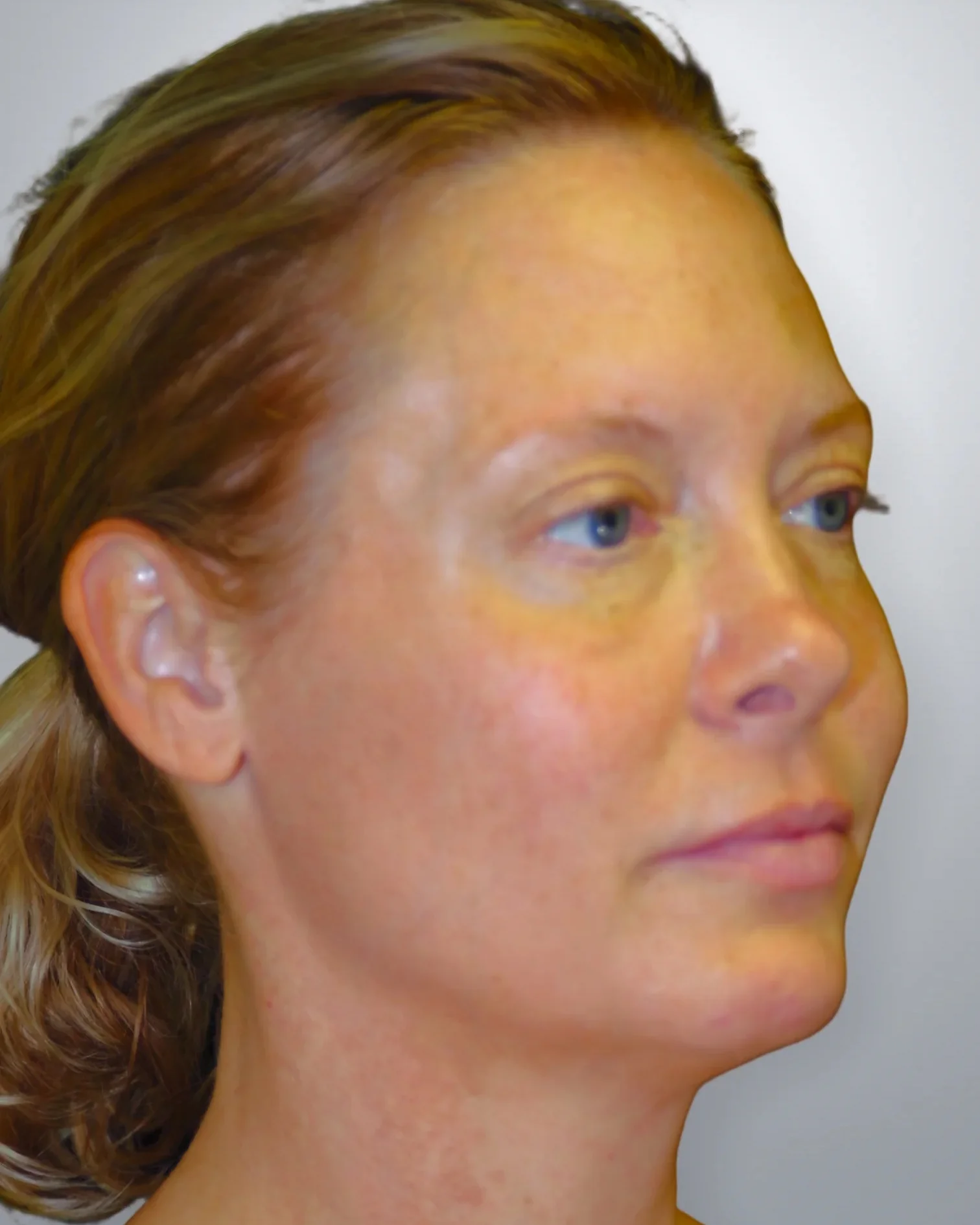
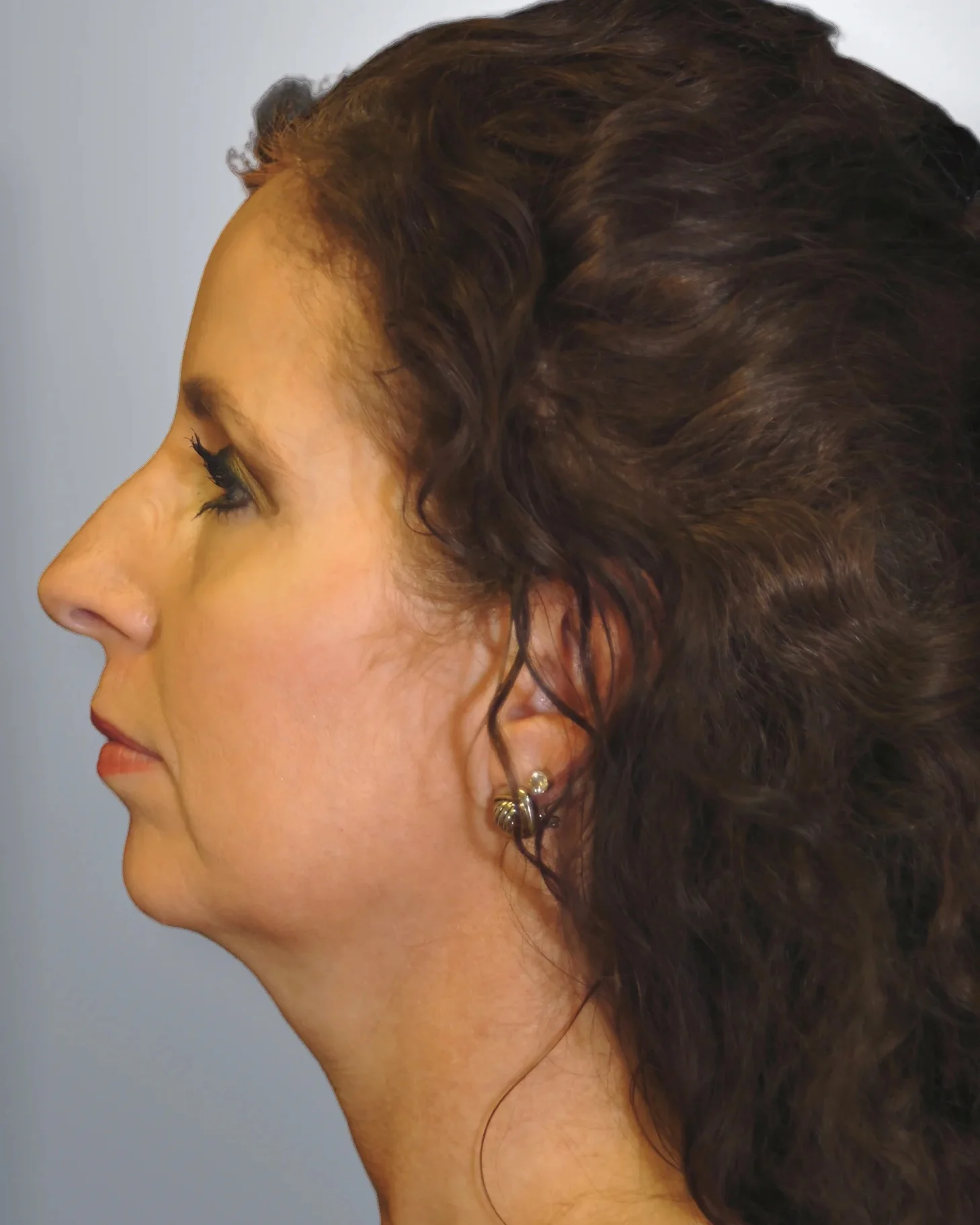
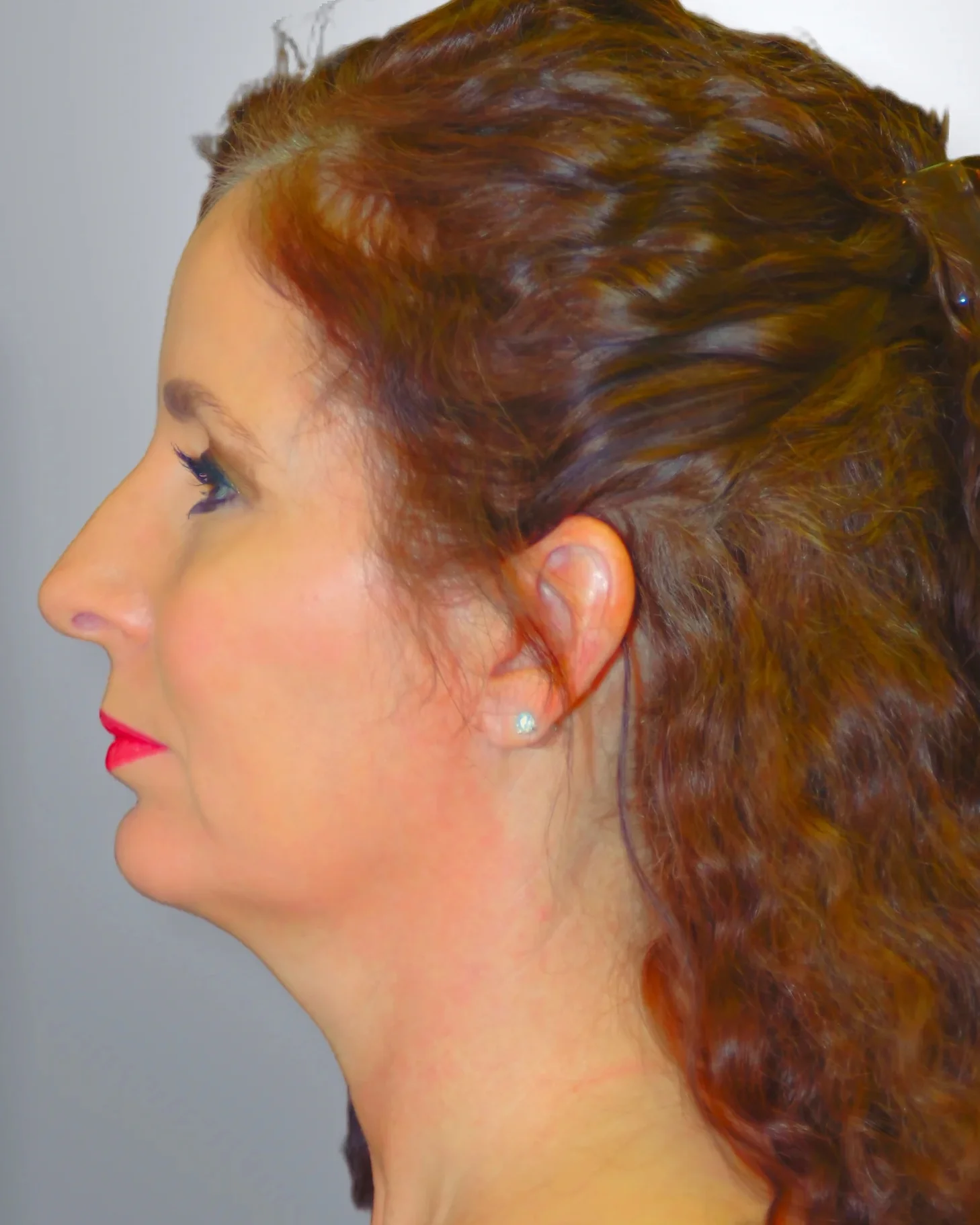
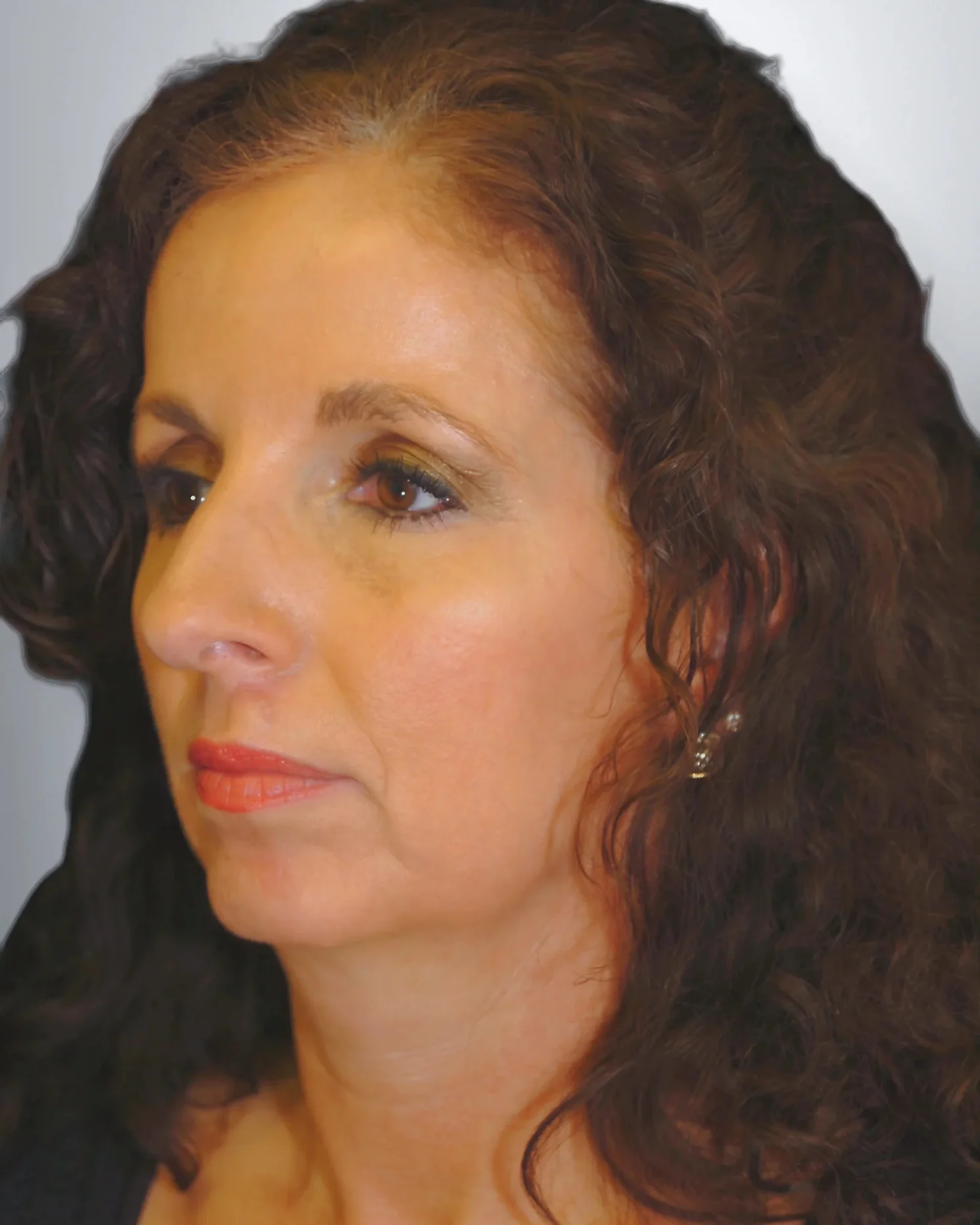
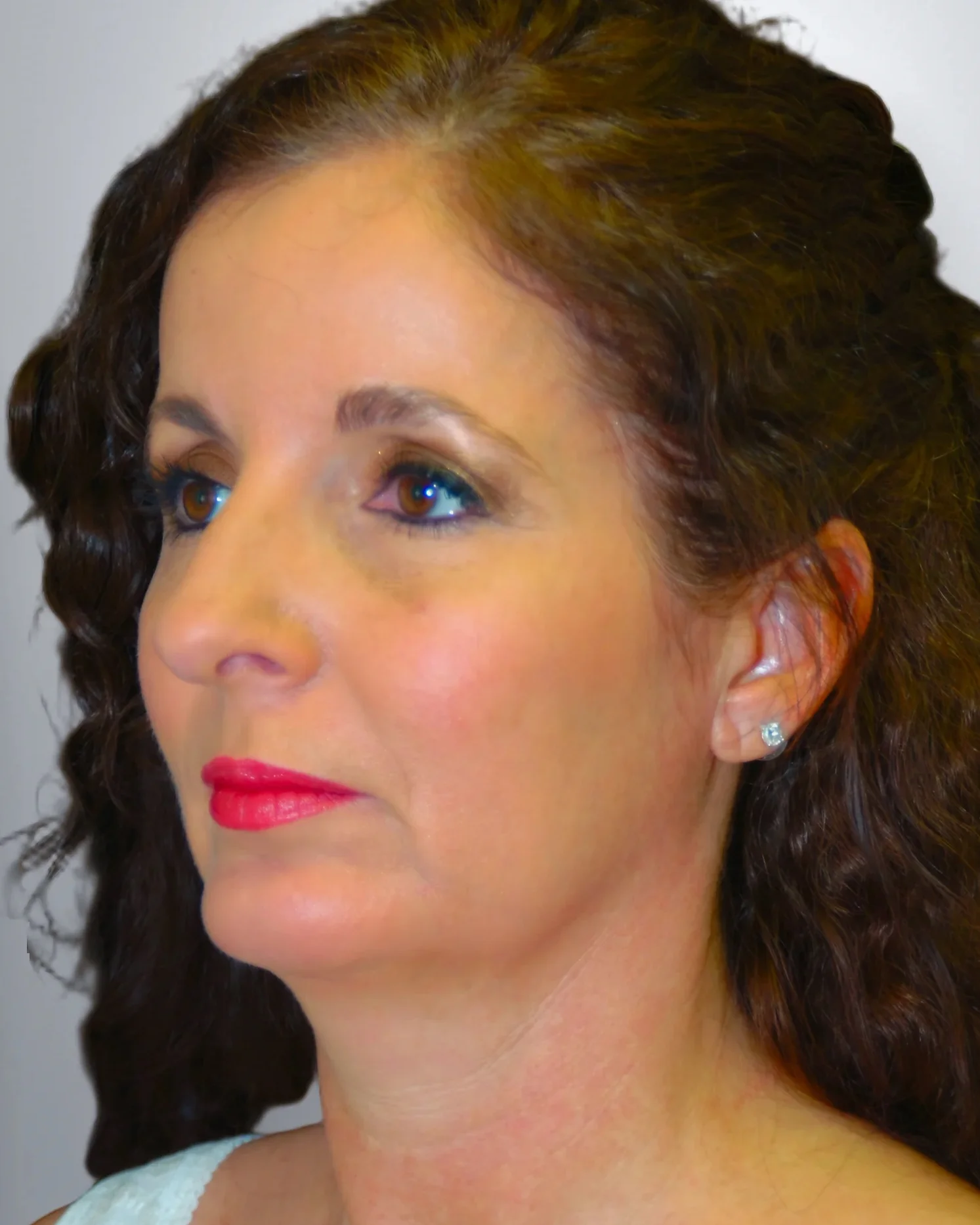
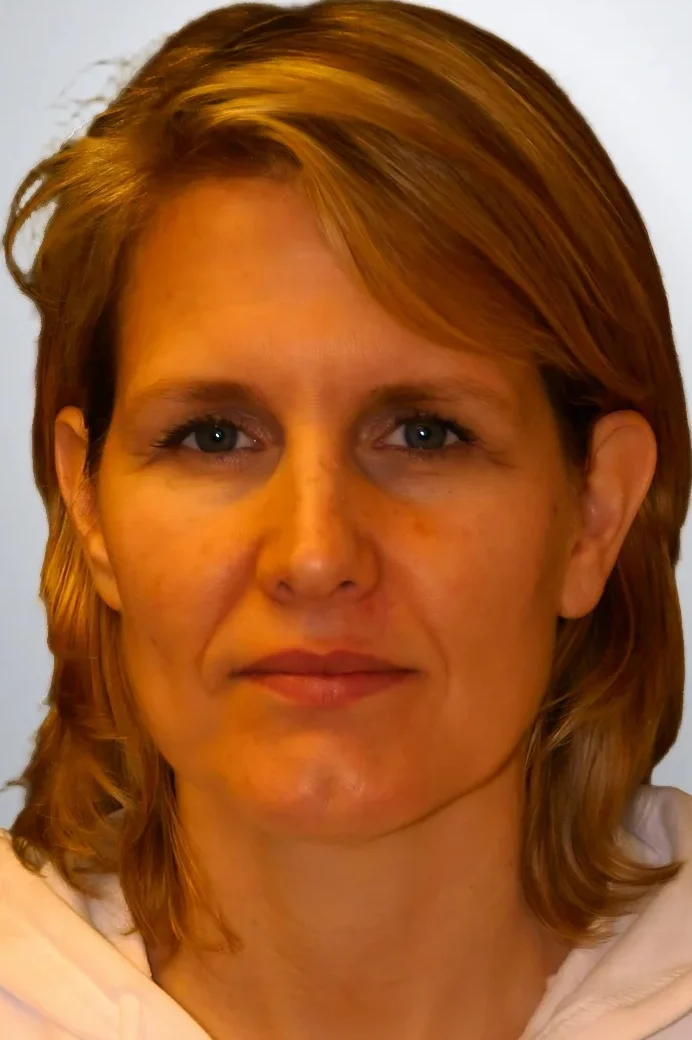
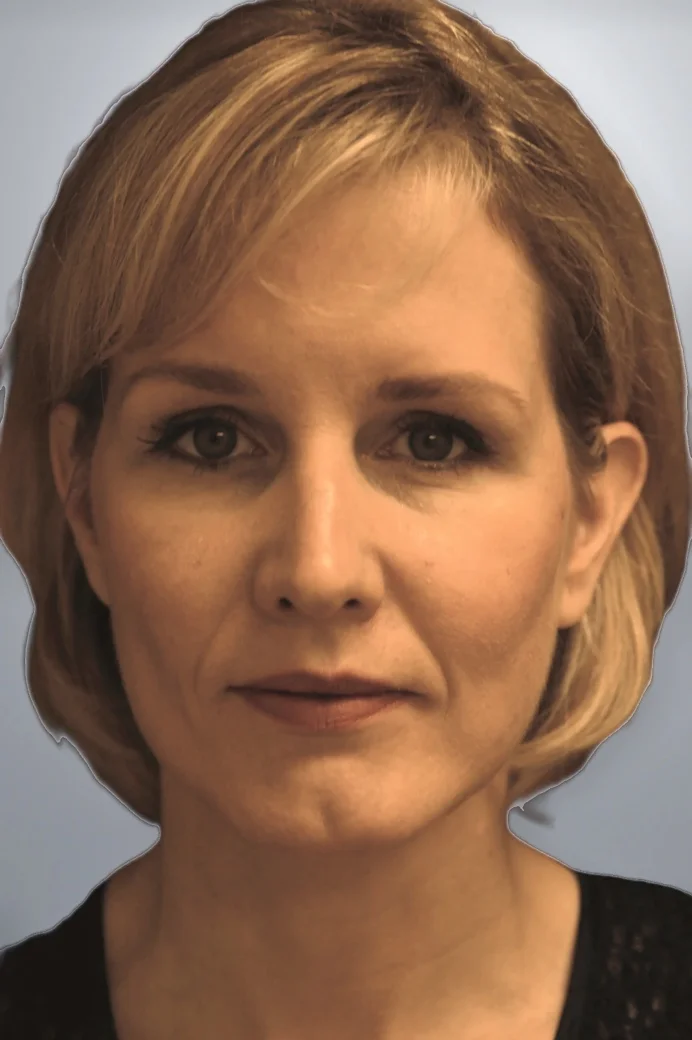
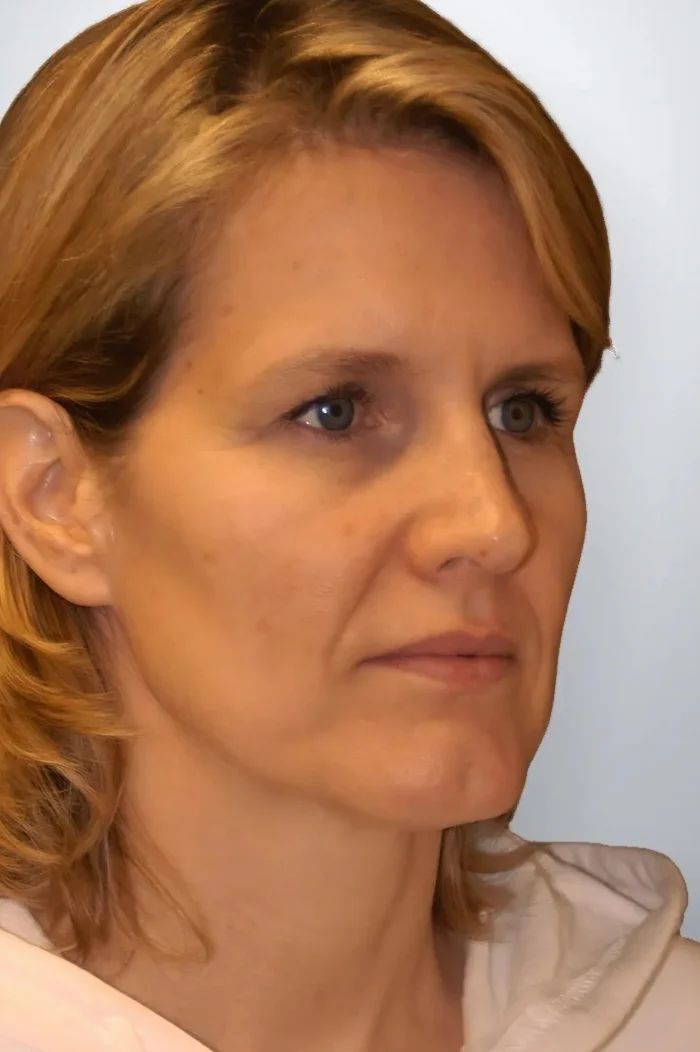
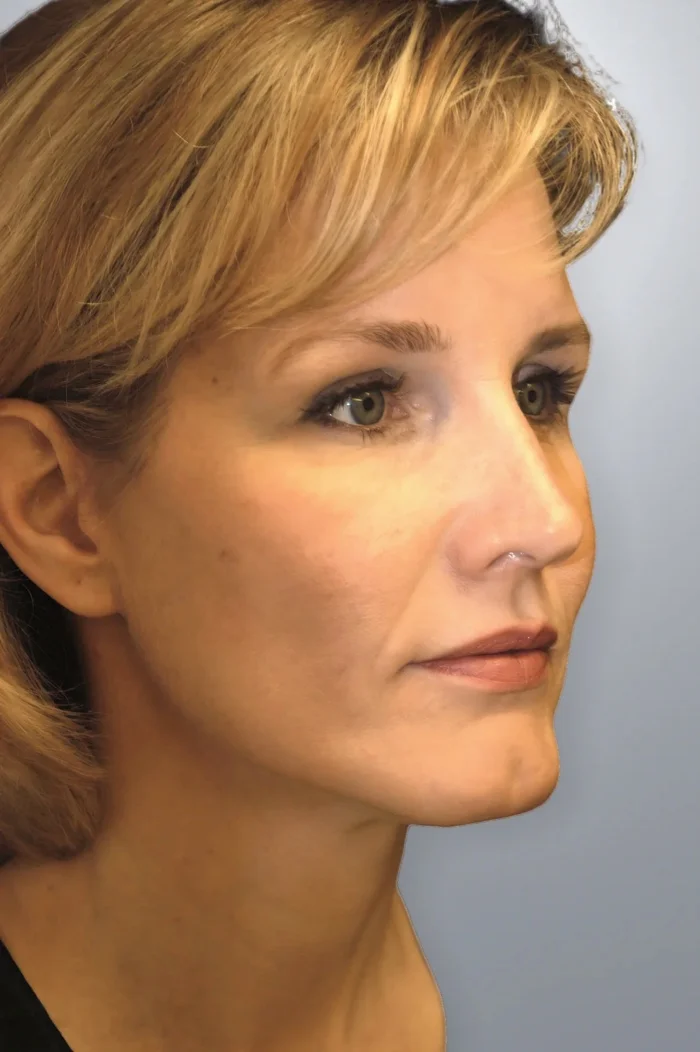
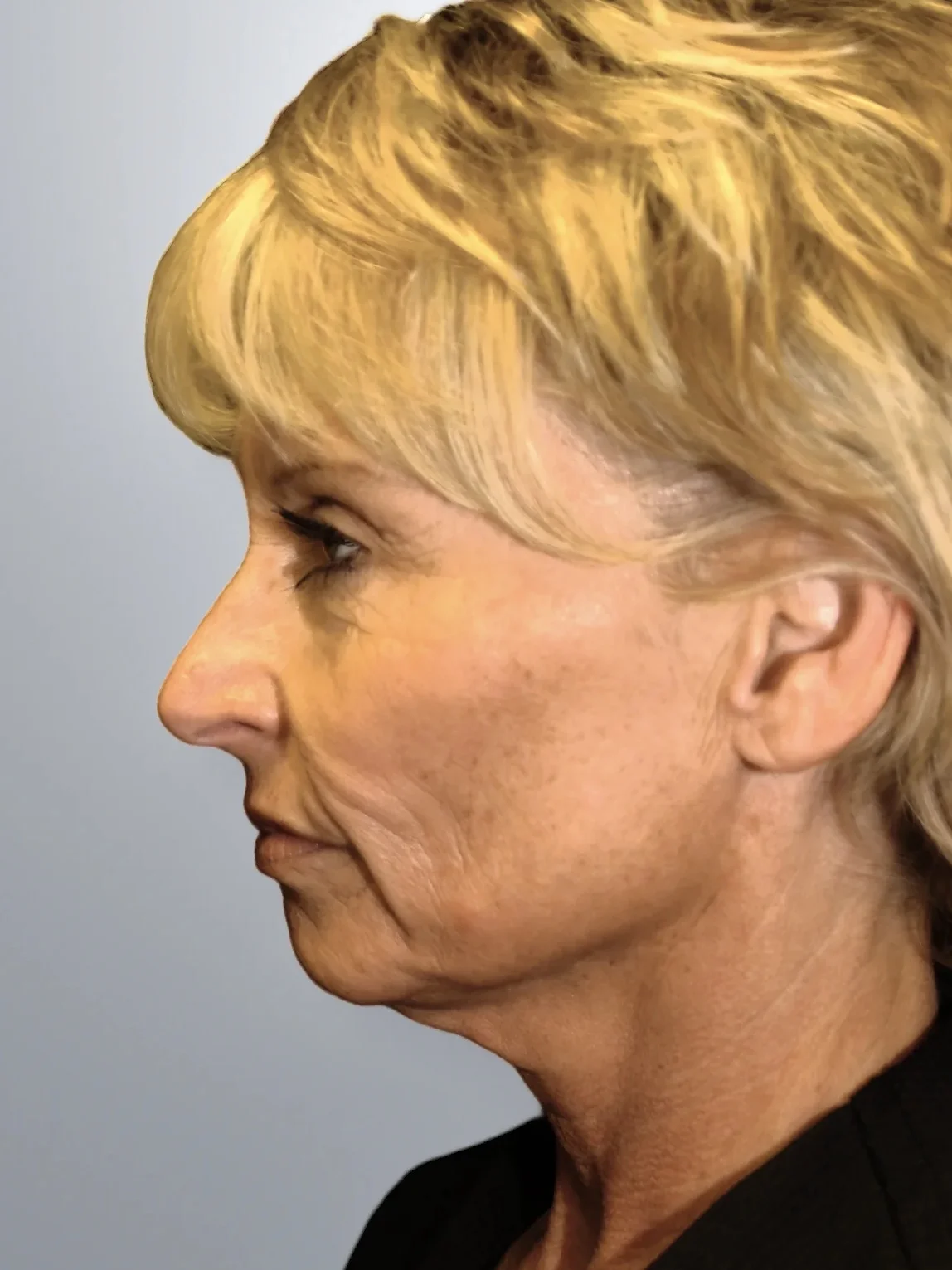
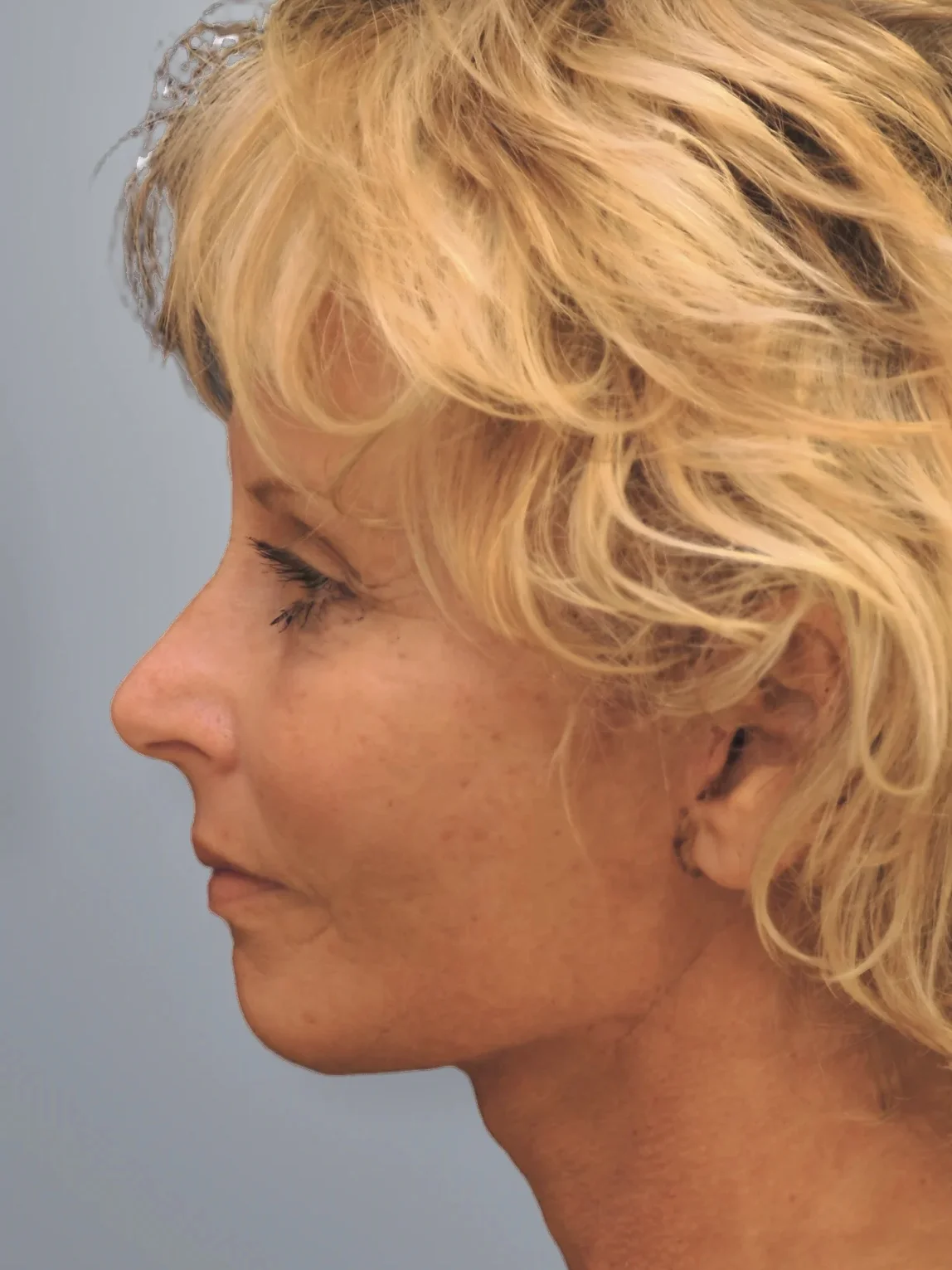
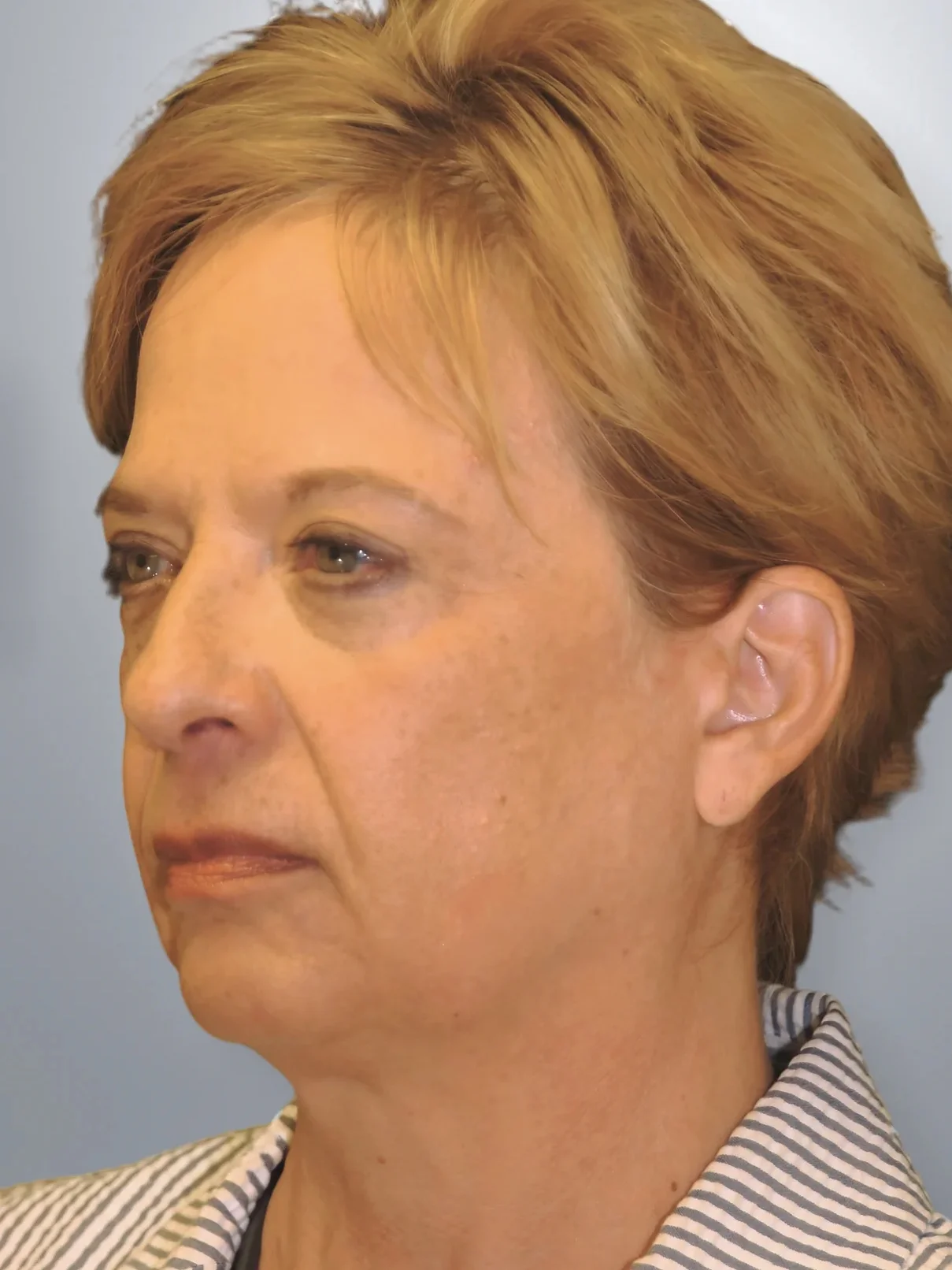
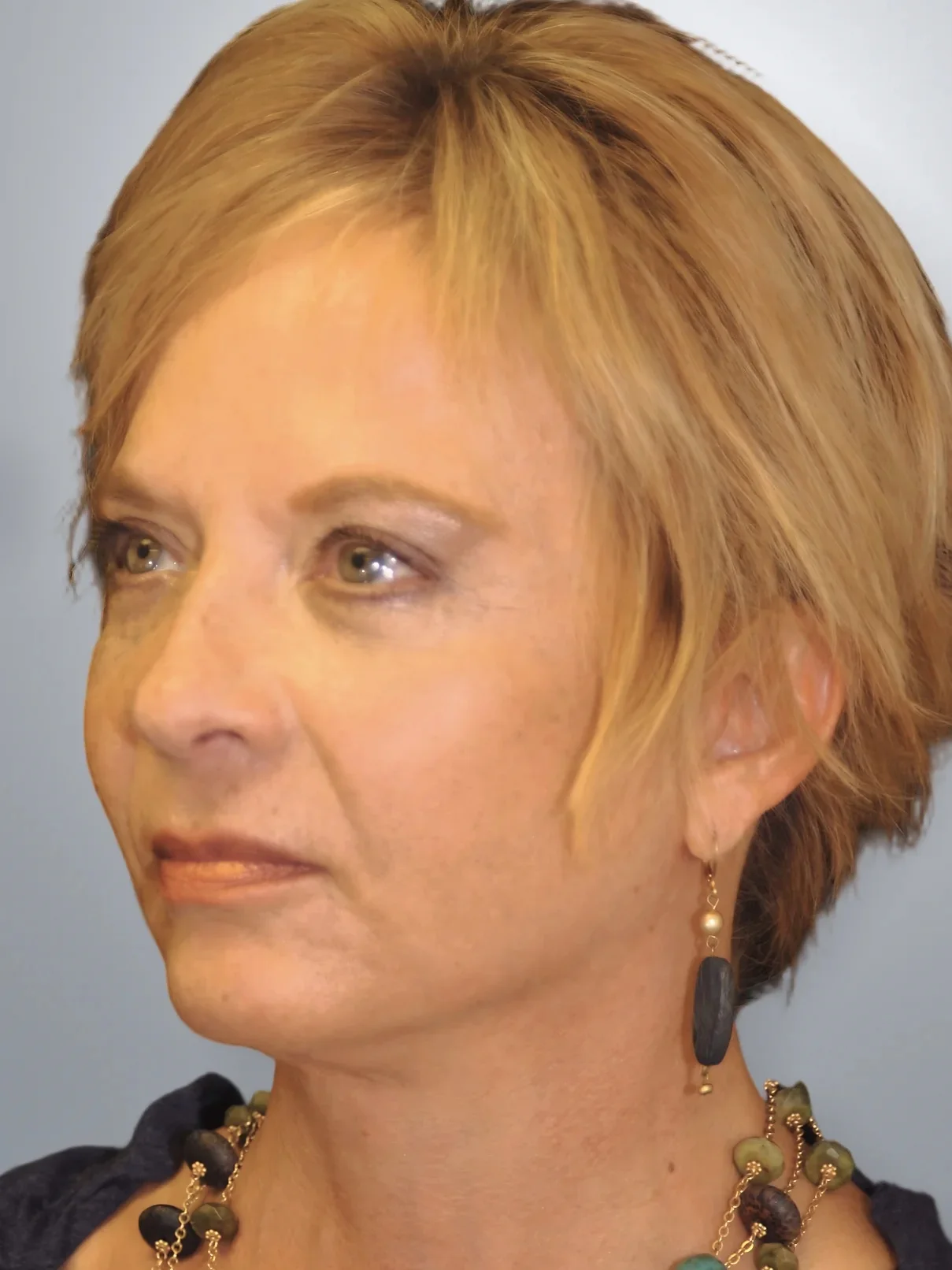
Non-clinical details in patient stories have been changed to protect privacy.
All photographs are of actual Edition Plastic Surgery patients. Many of these patients had other procedures at the same time. Individual results may vary.
In Their Words
What to Expect
The cheek heals into its new position over about two months, and the result keeps refining for several months after that.
Your Consultation
Dr. Schwartz starts with a mirror and works backwards from what you see, not from the name of an operation. He looks at each third of your face, how far the cheek has descended, your skin and any lost volume, and tells you which procedures would make the most difference and which you don't need. If you are weighing a facelift as well, he can prepare quotes with and without it.
Pre-Operative Planning
You get a medical clearance before surgery, and changes to medications (particularly blood thinners and supplements) are arranged in advance. Our patient concierge handles the logistics and gives you a detailed preparation guide.
Surgery Day
The operation is performed under general anesthesia in our private surgical suite and typically takes about three hours, longer when other procedures are combined. You go home the same day.
Early Recovery
Swelling in the cheeks is greatest in the first week. Your smile may feel weak for a few weeks, and the cheek and upper lip may feel numb or tingly. Discomfort is usually modest. Avoid hard or crunchy foods for two weeks to protect the incisions inside your mouth. Most patients are back at office work in 4 to 7 days and fine for most casual public activities by about 10 days; allow 3 to 4 weeks before an important business or social event. Strenuous exercise resumes after about three weeks.
Healing in Place
The cheek heals down to the bone in its new position. Most of the healing, and about three quarters of the result, is there by one month, and about 90% by two months.
Final Results
The last 10% of the result, the icing on the cake, comes between two and six months. The stitch holding the cheek dissolves on its own after about three to four months, and any numbness usually settles over the same period. The incisions keep fading for 12 to 18 months. Your face keeps aging, but you will always look better than you would have without the operation, and few patients consider another midface lift within ten years.
A Precise
Operation
A midface lift is done close to the nerves that move and feel the face, through small openings, by feel as much as by sight. The goal is a few millimeters of lift in exactly the right direction, enough to restore the cheek without changing who you are. Dr. Schwartz refined his own technique over years of performing it, and facial rejuvenation is a large part of his practice.
Full Credentials →Plastic Surgeon
Performed
Practice
Rate
Is This Right for Me?
A midface lift suits people whose cheeks have descended, and it also makes many younger women and men who already look youthful more attractive.
Common Reasons
Patients Choose This
- Your cheeks looked full in photos from ten or fifteen years ago and look flat now.
- Your face has squared off below the cheekbones.
- Your laugh lines have deepened, or people tell you that you look tired when you don't feel it.
- You look youthful but would like more fullness over your upper cheeks and better contour below them.
- You want a result without a visible scar on your face.
- You are in good general health, you don't smoke, and your weight is stable.
Things to Consider
Before Proceeding
- Your main concern is jowls or loose skin on the neck. A facelift or neck lift treats those; a midface lift doesn't.
- Your cheekbones have always been flat. Cheek implants may be the better choice.
- You want the lines around your mouth gone completely. Surgery softens them; filler may still be needed to finish.
- You smoke. Dr. Schwartz requires you to stop well before surgery, for your safety and so you heal properly.
- You have significant medical conditions that are not under control and could make surgery or recovery unsafe.
Dr. Schwartz gives the advice he would give a member of his own family, including when a smaller operation will get you most of the way there.
Frequently Asked Questions
Answers to the questions Dr. Schwartz hears most often about the midface lift, how it compares with a facelift, and what it can and can't change.
A midface lift lifts the cheek back up to where it used to sit. With age, the fullness over the upper cheek slides down, the face squares off below the cheekbone and the laugh lines deepen. Through an incision inside the mouth and a short one in the hair at the temple, Dr. Schwartz frees the cheek tissues from the bone and suspends them back up. Nothing is added and the skin isn't pulled: your own cheek is put back where it was.
They treat different thirds of the face. What is usually called a facelift mostly addresses the lower third: it corrects the lower cheeks, smooths the jawline, reduces jowls and tightens the neck. A midface lift works on the middle third: it restores fullness over the cheekbones, makes the lower eyelids look more youthful, softens the nasolabial creases and brings up the corners of the mouth. Which you need depends on where your face has aged. If it is mainly the upper cheeks, the midface lift is the right operation; if it is mostly the jawline and neck, a facelift makes more sense. Most people who have aged along the jawline have also aged in the middle third, and doing both at the same time is often the best approach.
No external scars on the face. On each side there is one incision inside the mouth, high against the upper gum, and one of about an inch, roughly an inch behind the hairline at the temple. No hair is shaved. Your dentist and your hairstylist may notice them; other people won't.
Look at photos of yourself from ten or fifteen years ago. If your cheeks looked full then and look flat now, the cheek has descended, and a midface lift puts it back. If your cheeks have always been flat, an implant adds the structure that was never there. Dr. Schwartz sees about ten midface lift candidates for every patient who truly needs cheek implants.
It softens them, often noticeably, because it lifts the tissue that folds over them. No operation erases them completely. If some line remains, a small amount of filler can finish the job.
The eyelids aren't operated on, but the eyes often look younger. As the cheek descends, the lower eyelid gets stretched longer, which makes a face look tired. Lifting the cheek shortens it again. Even a couple of millimeters makes a visible difference.
Usually not very. On a scale of one to ten, most patients put it at five or less. Expect swelling in the cheeks and a smile that feels weak for a few weeks. The nerve that gives feeling to the cheek and upper lip is gently stretched during the operation, so numbness or tingling are common for a few months before they settle. Avoid hard or crunchy foods for two weeks. Most patients are back at office work in 4 to 7 days, fine for most casual public activities by about 10 days, and exercising after about three weeks. Allow 3 to 4 weeks before an important business or social event.
The result is permanent in the sense that, however many years go by, you will always look better than you would have without it. Your face keeps aging from a better starting point. In practice few midface lifts need to be repeated, and it would be unusual to consider another sooner than ten years after the first.
Filler adds volume. If you have lost volume, it can help, and Dr. Schwartz uses it to finish lines that surgery can't fully erase. But when the cheek has simply slid down, adding more volume on top of it makes the face heavier rather than younger; the tissue needs to go back where it was. Threads sound similar to a midface lift but are a different thing: barbed strands of suture placed in the office that tug the fat under the skin slightly upward. They are easier to perform and minimally effective; in most cases the change is hard to see and rarely lasts more than several months. Dr. Schwartz doesn't offer thread lifts, because he only offers treatments that work predictably, are safe and are worth their price (our approach). For a cheek that has descended, the midface lift is the procedure that meets that standard.
A midface lift on its own starts at $9,900, and a midface lift with neck liposuction starts at $12,200, including anesthesia and the operating room. Most practices won't give a price until after a consultation; our pricing calculator shows a starting figure for any combination before you book. You receive a personal fee quote after your consultation. Financing is available.
Recovery & Concierge Care
Dr. Schwartz performs your midface lift in our private surgical suite as an outpatient procedure, and he does almost all of your follow-up visits himself. At each one he gives you a specific plan for the weeks ahead, and our patient concierge team coordinates your care from surgery day through your last follow-up.
The office can be reached 24 hours a day. After-hours calls from patients recovering from surgery go directly to Dr. Schwartz, so an important question never waits until morning.