
Chin Augmentationin Dallas
A chin implant that brings a small or receding chin into balance with the face.
A Stronger Chin,
a Balanced Profile.
When the chin is small or set back, it seems to recede into the neck. The jawline lacks definition, and the nose can look too large even when it isn't. The chin is the point from which the jawline, the neck and the balance between nose and lips are all judged, so a small chin throws off the whole profile. Filler can bring the chin forward for a while, but it often migrates and has to be repeated.
A chin implant brings the chin forward to balance the lower face and gives a stronger, more defined jawline. Dr. Schwartz usually uses a silicone or polypropylene implant, placed in a snug pocket directly on the bone. The incision is under the chin or inside the mouth. He chooses the implant after evaluating your whole face. If the chin is too large rather than too small, he can reduce it with a genioplasty instead.
The Procedure
A chin implant corrects a recessed chin and defines the jawline. Dr. Schwartz chooses the implant size and style based on how your chin relates to your forehead, nose and lips.
Dr. Schwartz uses a range of implants, from simple ones that bring the center of the chin forward to extended anatomical styles that also build out the sides of the jaw (the lateral mandible) for a more defined jawline. He chooses based on whether you want a subtle correction or a more angular, defined lower face.
Dr. Schwartz most commonly uses a small incision in the natural crease beneath the chin, where the scar is hidden and usually fades to a fine line. Alternatively, he can work through the inside of the lower lip to avoid a scar on the skin. Either way, the implant sits in a pocket directly on the bone (subperiosteal), which holds it securely.
A small chin can make the nose look too large, so Dr. Schwartz checks how the chin relates to the nose in every facial proportion analysis. Bringing the chin forward often makes the nose look in proportion without any nose surgery.
The procedure is typically done under general anesthesia or IV sedation, so you feel nothing during surgery.
Your profile looks better right away. Minor swelling and bruising typically resolve within two weeks. Most patients are comfortable returning to work within 5 to 7 days, but Dr. Schwartz recommends waiting three weeks before strenuous exercise or heavy lifting.
If your chin is too large, Dr. Schwartz can make it smaller with a genioplasty. He reshapes and removes bone to bring the chin and jaw to a size that fits the rest of your face.
Chin Augmentation Portfolio
Drag the handle to compare.
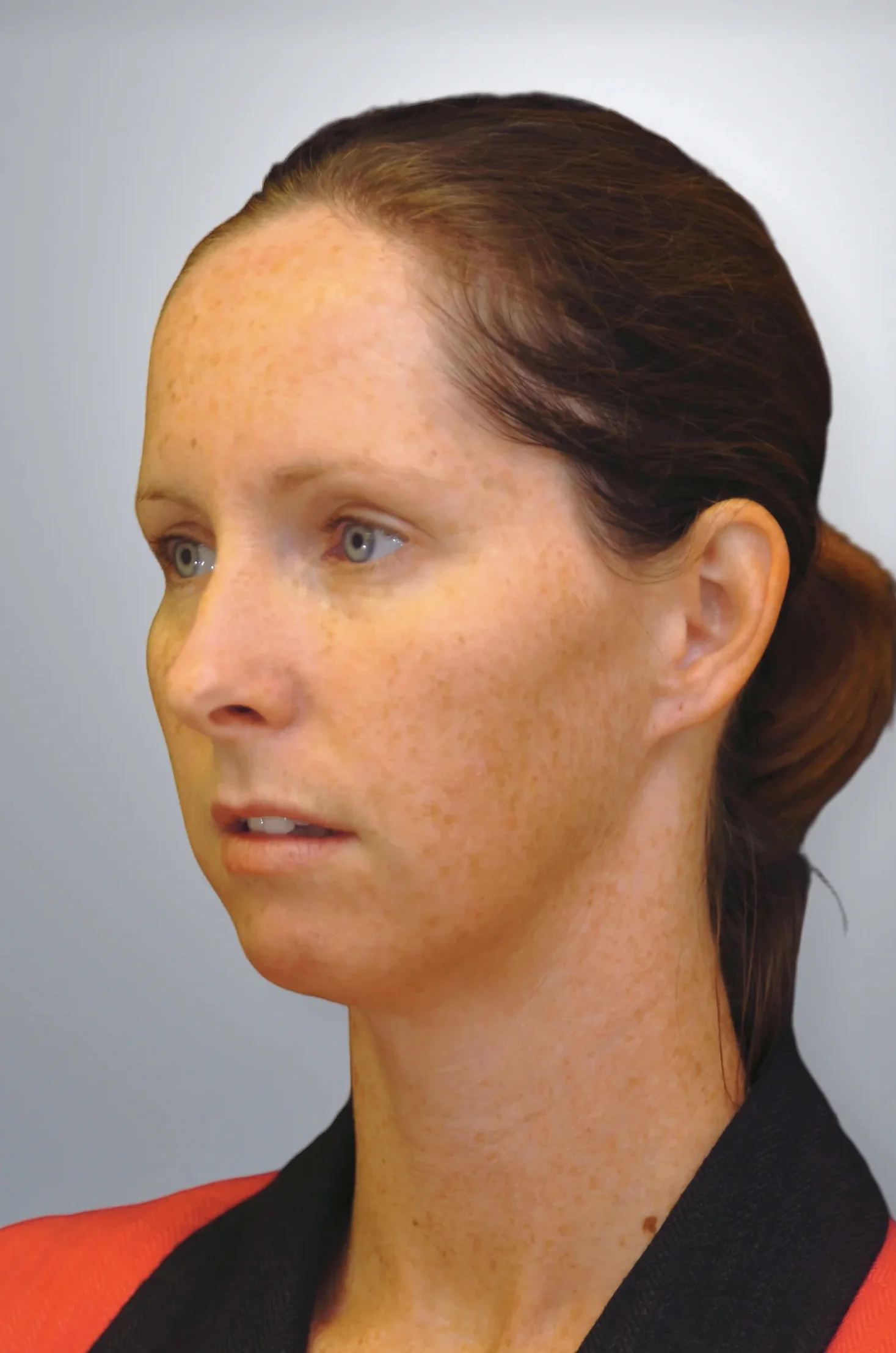
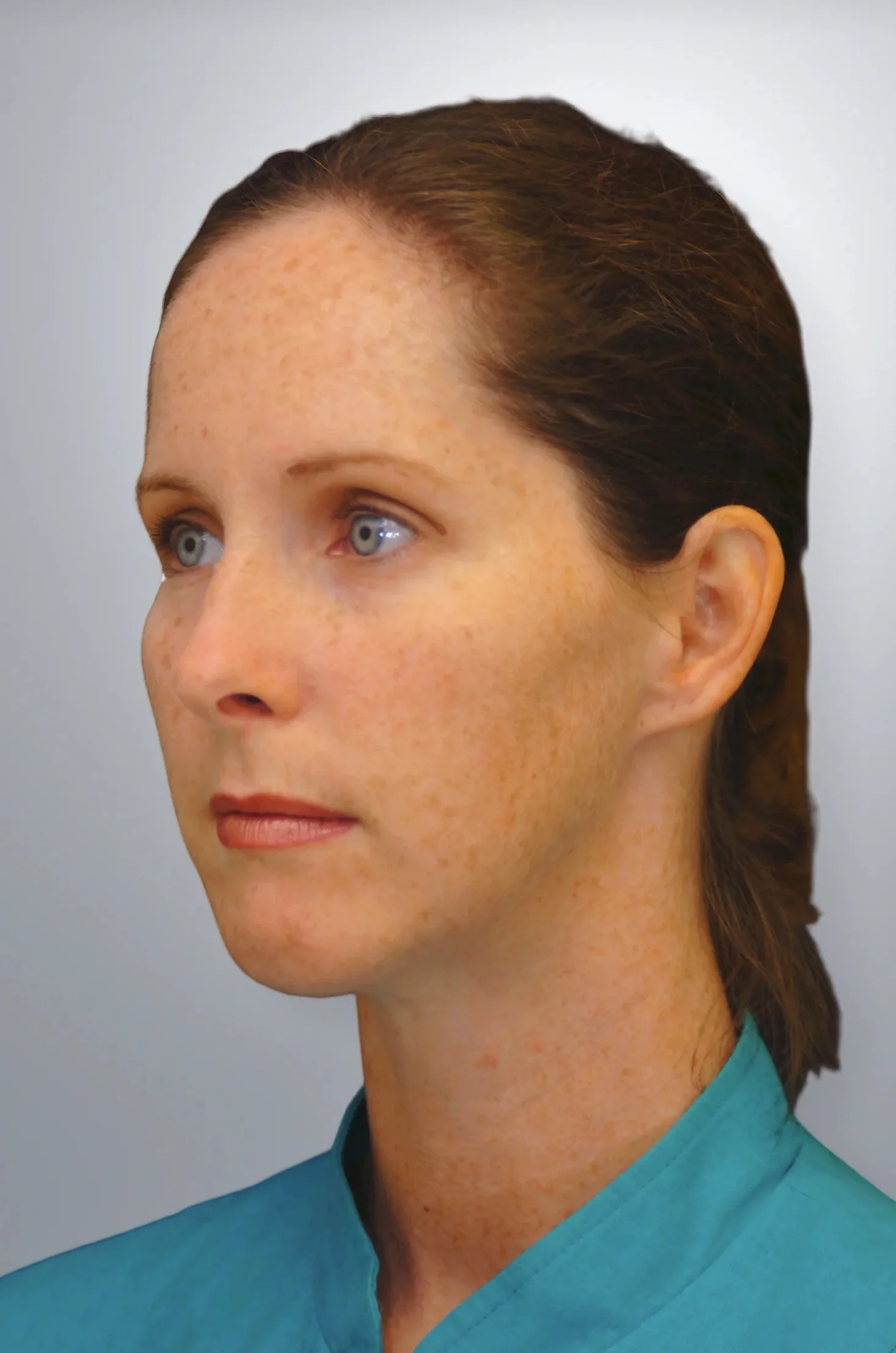
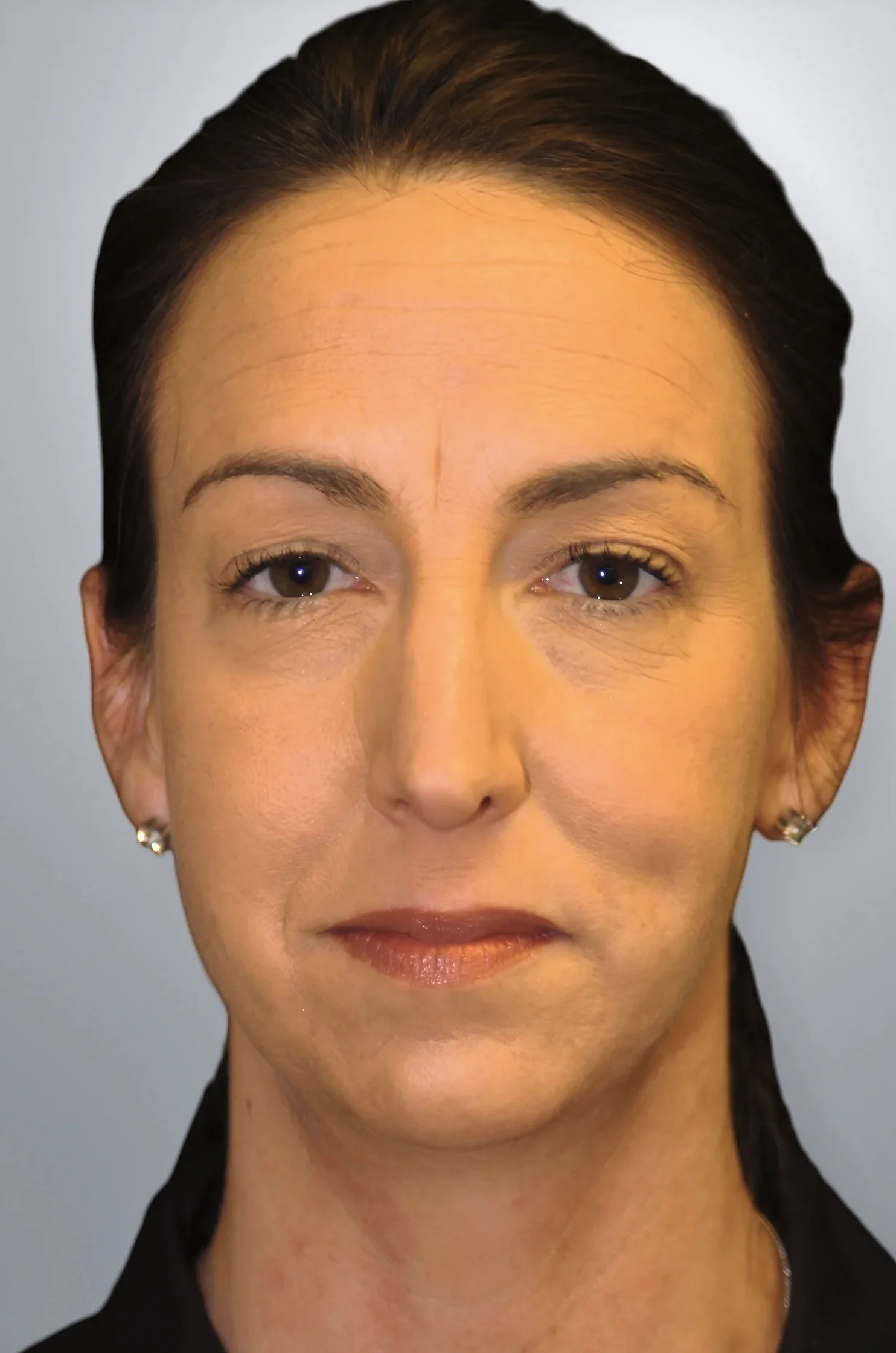
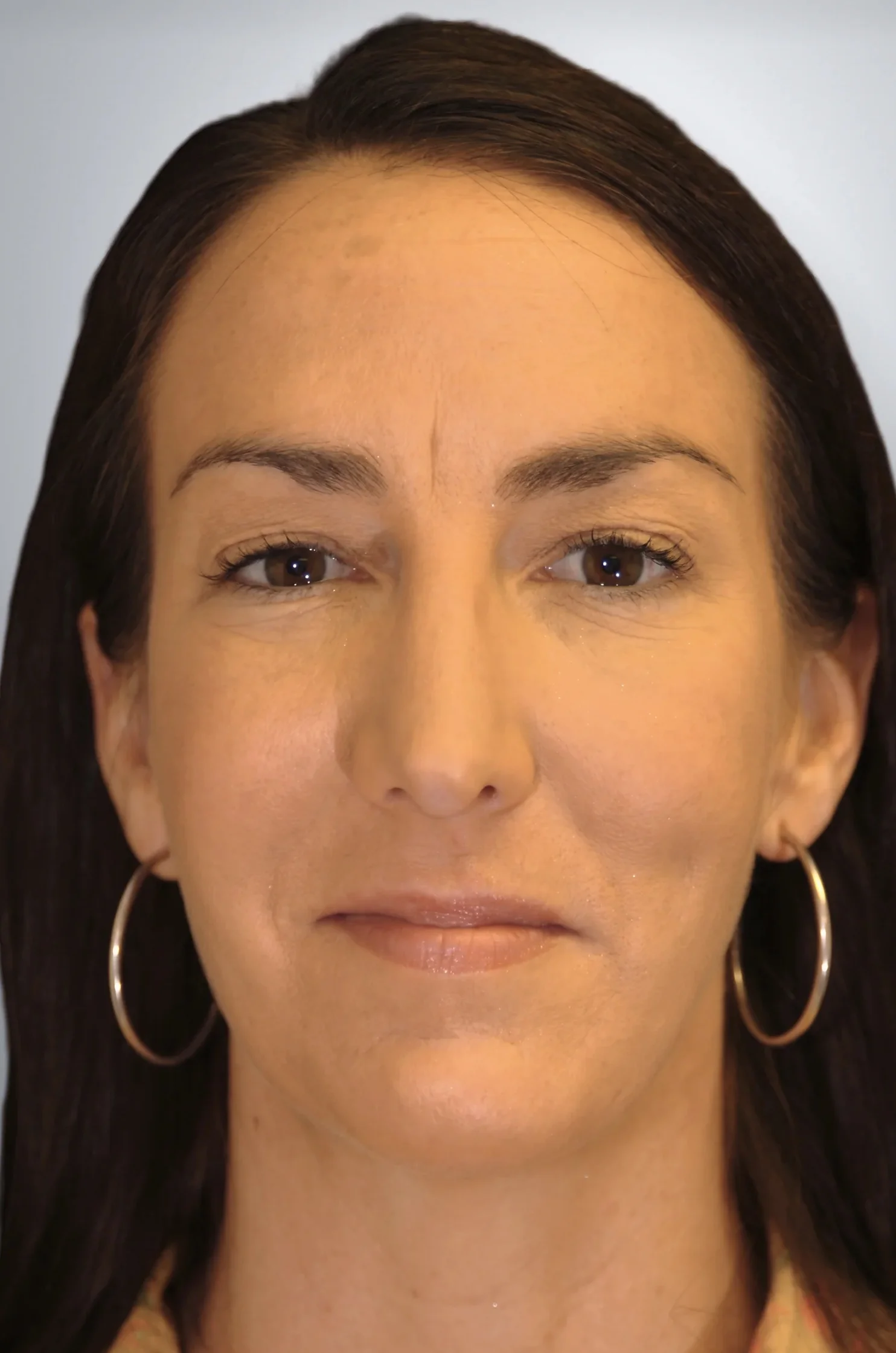
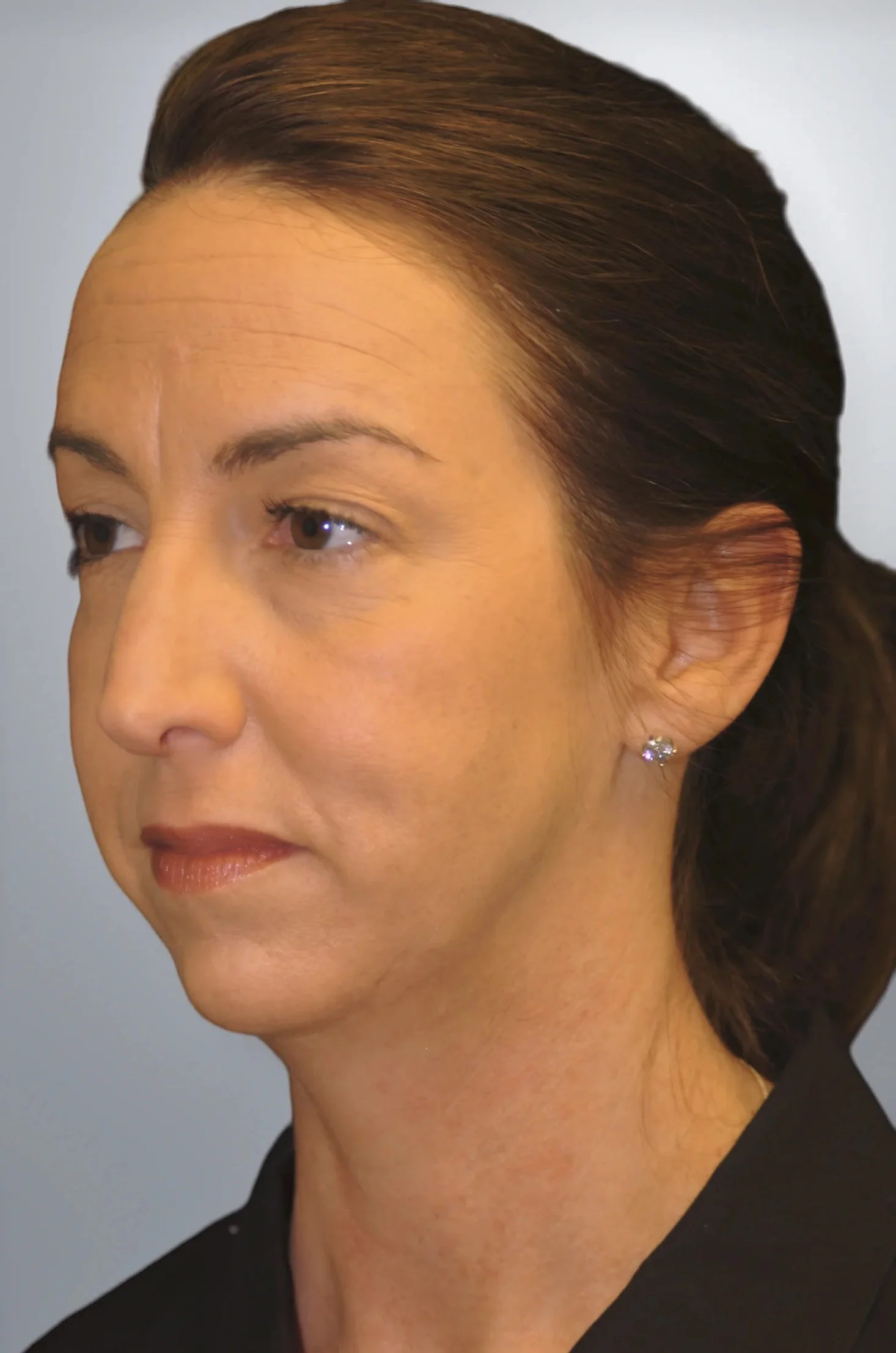
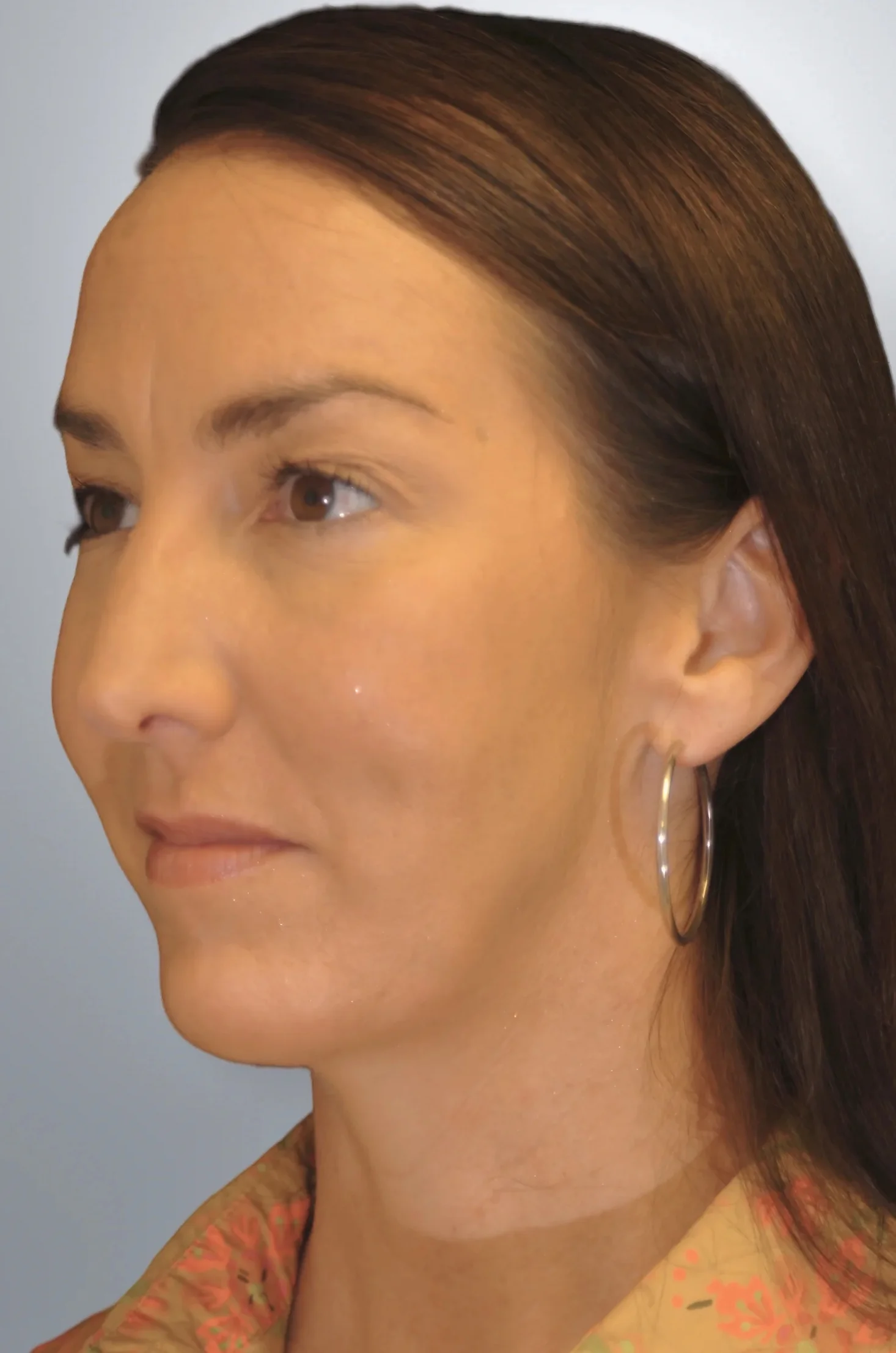
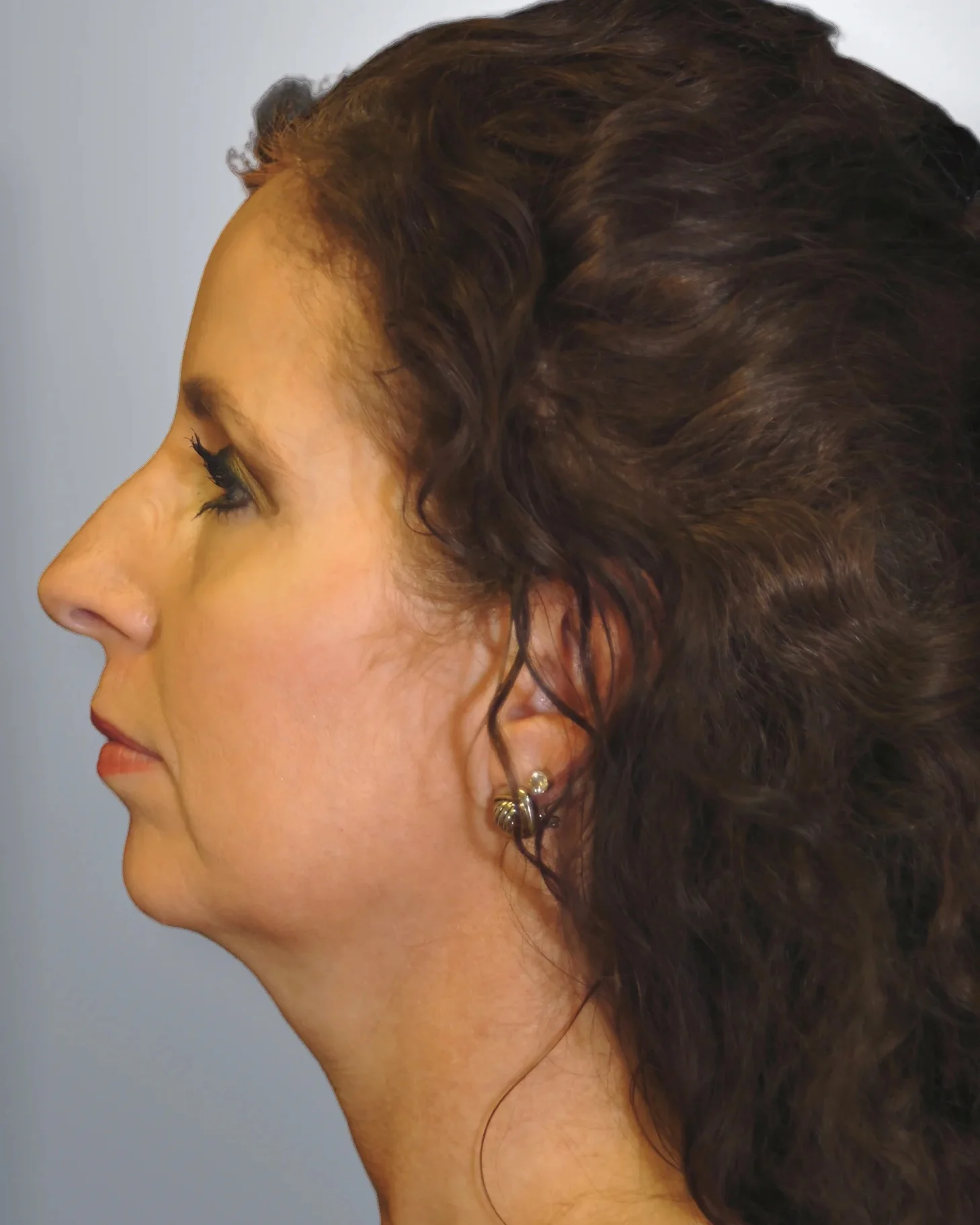
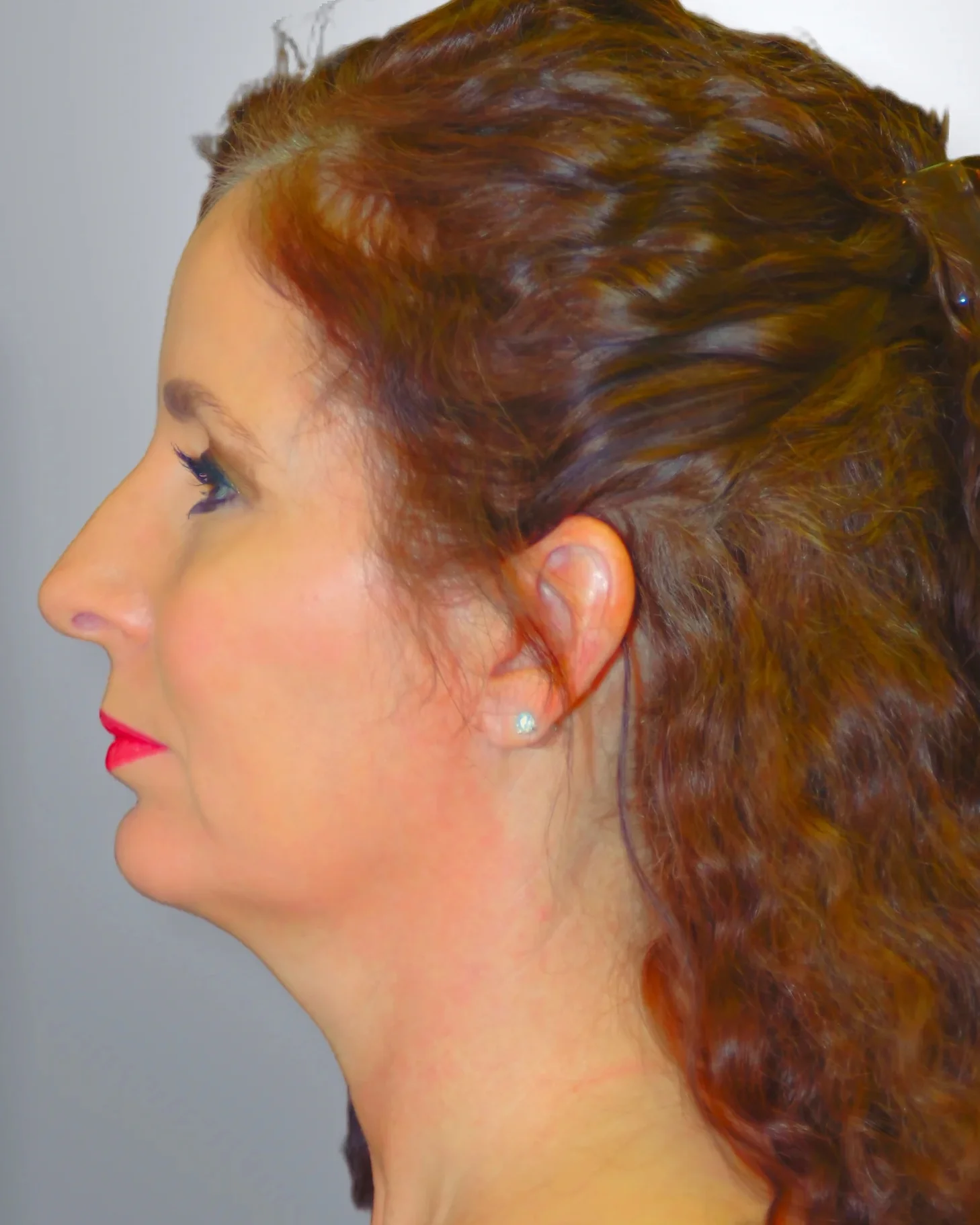

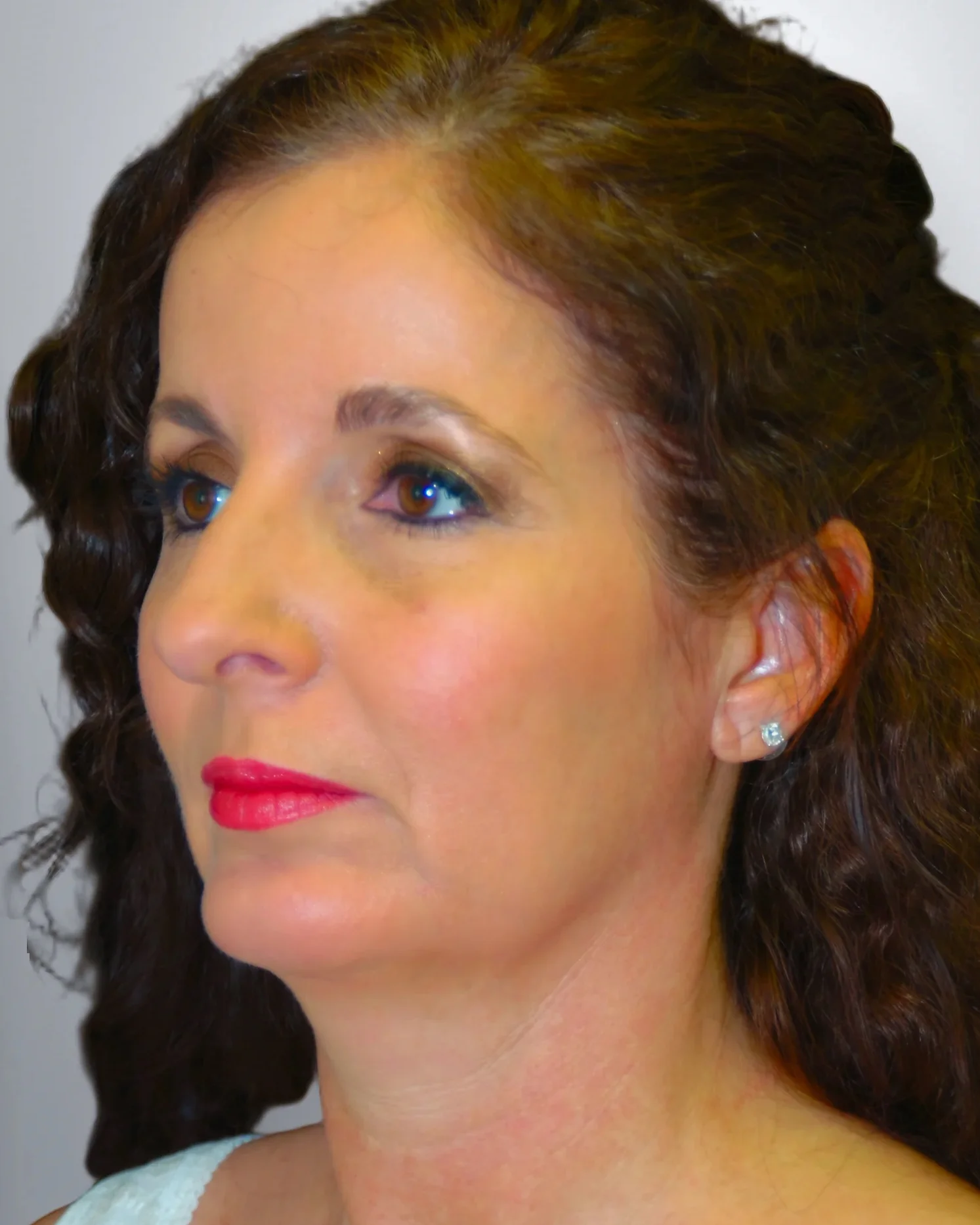
Non-clinical details in patient stories have been changed to protect privacy.
All photographs are of actual Edition Plastic Surgery patients. Individual results may vary.
Patient Stories
What to Expect
Recovery from chin augmentation is quick, and the change in your profile is visible right away.
Your Consultation
Dr. Schwartz analyzes your facial proportions: how your chin relates to your nose, lips and overall facial height. He discusses implant options, what result to expect, and whether adding submental liposuction or another procedure would give a more balanced result.
Surgery Day
Chin augmentation is typically done under general or IV sedation anesthesia as an outpatient procedure, taking 30 to 60 minutes on its own. When combined with other procedures, it is done in the same session. You go home the same day with incision care instructions and a follow-up visit, usually the next day.
Early Recovery
Swelling and some tightness beneath the chin are normal. You stay on a soft-food diet for one week to limit jaw movement. Discomfort is usually mild, more tightness than pain. The added chin projection shows almost immediately.
Return to Normal
Most patients are comfortable in public within seven to ten days, with makeup if needed. Desk work resumes within 5 to 7 days. Strenuous exercise is restricted for three weeks.
Final Results
Final results are visible as swelling fully resolves over three to four months. Chin implants are permanent, and the result needs no maintenance.
Choosing the
Right Size
Chin augmentation is a simple operation, but choosing the implant takes judgment. An implant that is the wrong size, even by a few millimeters, looks added rather than natural. Dr. Schwartz analyzes your proportions and chooses implants conservatively.
Full Credentials →Plastic Surgeon
Performed
Practice
Rate
Is This Right for Me?
Chin augmentation suits anyone whose chin is small compared with the rest of their face, whatever their age or gender.
Common Reasons
Patients Choose This
- Your chin is recessed or 'weak', your profile lacks definition, and your features look out of balance.
- Your nose looks too large for your face. Adding definition to the chin often brings the two into balance.
- You want a permanent, more defined, angular jawline and a cleaner line from chin to neck.
- You want a bigger, lasting correction for a small chin than filler can give.
- You are in good general health, don't smoke, and have realistic expectations.
Things to Consider
Before Proceeding
- You have a significant bite problem (malocclusion) or a jaw that doesn't work properly. An implant does not correct the bite, so Dr. Schwartz may recommend an orthognathic (jaw surgery) consultation.
- You have a dental or mouth infection, including gum disease. It must be fully treated before an implant can go in through the mouth.
- You want only a subtle or temporary change. Filler may be a better start.
- You smoke. Smoking slows healing around an implant, so Dr. Schwartz requires you to stop completely before and after surgery.
- You are young and your face is still growing. Dr. Schwartz recommends waiting until growth is complete.
Dr. Schwartz will analyze your facial proportions and advise on the implant size and style that suit you, and whether adding another procedure would give a more balanced result.
Frequently Asked
Answers to the questions Dr. Schwartz hears most often from chin augmentation patients.
Dr. Schwartz typically recommends this procedure for people who feel their profile lacks definition or that their chin recedes into the neck. If your chin looks 'weak' compared with your other features, or makes your nose look too large, an implant can bring the face into proportion.
Filler gives temporary projection, which suits people who want to 'test drive' the look, but it often migrates over time and has to be repeated. Dr. Schwartz prefers a silicone or polypropylene implant for a permanent, more precise result.
Often, yes. A small chin makes the nose look too large in profile. Bringing the chin forward balances the profile and often makes the nose look in proportion without nose surgery. For this reason, Dr. Schwartz checks how the chin relates to the nose in every facial proportion analysis.
Dr. Schwartz most commonly uses a small incision in the natural crease beneath the chin, where the scar is hidden and usually fades to a fine line. In some cases, he works through the inside of the mouth, which leaves no scar on the skin at all. Either way, the implant is placed securely.
Most patients return to desk work within 5 to 7 days and are comfortable in public within seven to ten days. The main restriction is a soft-food diet for one week, and Dr. Schwartz advises waiting three weeks before strenuous exercise or heavy lifting.
Chin augmentation is done under general anesthesia or IV sedation, so you will not feel anything during surgery. Afterward, expect a feeling of 'tightness' or mild soreness rather than significant pain. Swelling or bruising beneath the chin is temporary and fades quickly.
A chin implant is intended to be permanent. Once Dr. Schwartz secures the implant and the area has healed, it stays in place and needs no maintenance or replacement.
Chin augmentation is one of the less costly facial implant procedures. The cost depends on the implant chosen and whether the surgery is combined with other procedures, such as neck contouring. You receive a personalized fee quote after your consultation, and financing is available.
Recovery & Concierge Care
Chin augmentation is an outpatient procedure under general or IV sedation, so you go home the same day. Dr. Schwartz sees you the next day, then typically at one week, three weeks, two months, four months and six months, adjusted to how you are healing. He does almost all follow-up visits himself, and at each one he gives you a specific plan for the weeks ahead. You leave with incision care instructions and a soft-food diet for the first week.
The office can be reached 24 hours a day. After-hours calls from patients recovering from surgery go directly to Dr. Schwartz, so an important question never waits until morning. The recovery is planned so that any responsible adult can look after you at home. If you would rather have a nurse caring for you at home or in a hotel, we can arrange it.