
Breast Implant
Revisionin Dallas
Correcting implants that have hardened, moved, rippled or ruptured, or never looked right, including implants placed elsewhere.
Finding Out
What Went Wrong.
Some women come to Dr. Schwartz because an implant has hardened, moved, rippled or ruptured. Others never liked how their augmentation looked. Revision is harder than a first augmentation, because it means correcting the problem and also giving you the shape you were hoping for in the first place. Dr. Schwartz sees patients whose implants have a complication, have failed, or have simply changed with time, and he does not judge the earlier decision. Dr. Schwartz’s degree is in physics. The specifics of physics don’t apply to surgery, but physics trains you to analyze and solve complex problems, and revision surgery is mostly that. His first step is to find the cause: whether the problem lies with the implant itself, the position of the pocket it sits in, or how the surrounding tissue has responded.
Each revision is planned around what went wrong. Often what feels like a problem of size is really a problem of profile or shape. Dr. Schwartz may release part of the chest muscle to let a high implant drop, or stitch the pocket closed (capsulorrhaphy) to hold up an implant that has shifted or bottomed out. Repairing the breast fold and the pocket keeps the implant where it belongs, with a target reoperation rate of less than one percent.
It starts with an honest conversation about what can be fixed. Dr. Schwartz then plans the surgery around your goals.

Revision Procedures
Dr. Schwartz exchanges implants for women who want a different size or profile, or who want to replace older saline implants with modern cohesive silicone gel. Allergan’s implants come in five profiles, so the new implant can be matched to your frame.
When the scar tissue around an implant has hardened, Dr. Schwartz removes the thickened capsule entirely (capsulectomy). He combines this with a new implant and a repositioned pocket, which restores a soft, natural feel, and follows a set routine to lower the chance of the hardening coming back.
Whether your implants have 'bottomed out,' drifted to the side, or sit too high, Dr. Schwartz can move them back into place. He stitches the pocket smaller (capsulorrhaphy) to hold an implant in position, or releases muscle so a high implant can drop.
When age, weight change or pregnancy has stretched the skin, a new implant alone may not restore your shape. Adding a breast lift (mastopexy) lets Dr. Schwartz tighten the skin and raise the nipple, which a new implant alone cannot do.
Dr. Schwartz usually performs revision under general anesthesia. Most patients return to light daily activities within four to five days, and should wait three to six weeks before strenuous exercise, depending on the specific repairs made, so they can heal.
For women who want their implants out entirely, Dr. Schwartz removes them, including the capsule in one piece (en bloc capsulectomy) when indicated. He will discuss fat transfer or a breast lift at the same time to restore shape.
Revision Portfolio
Drag the handle to compare.
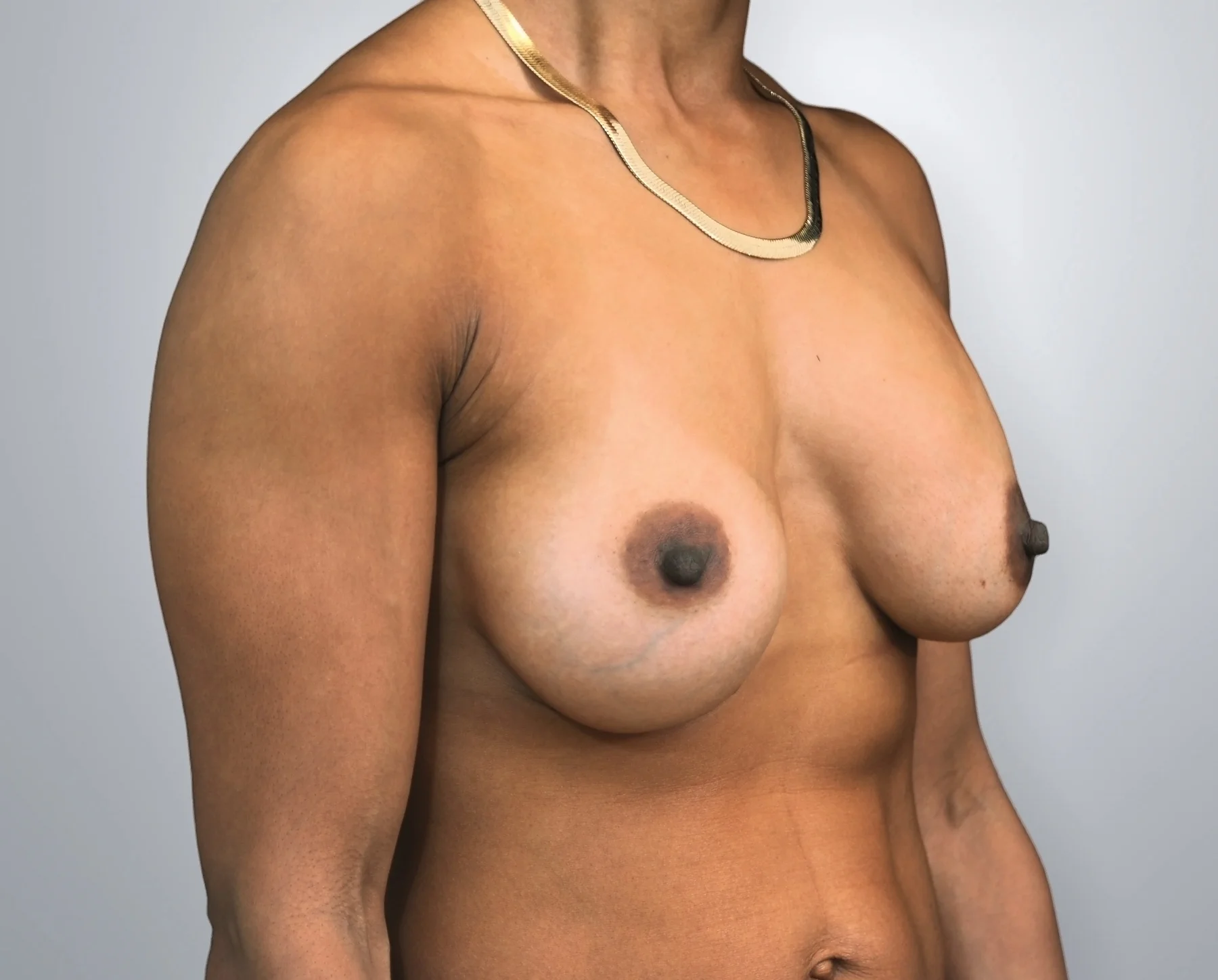
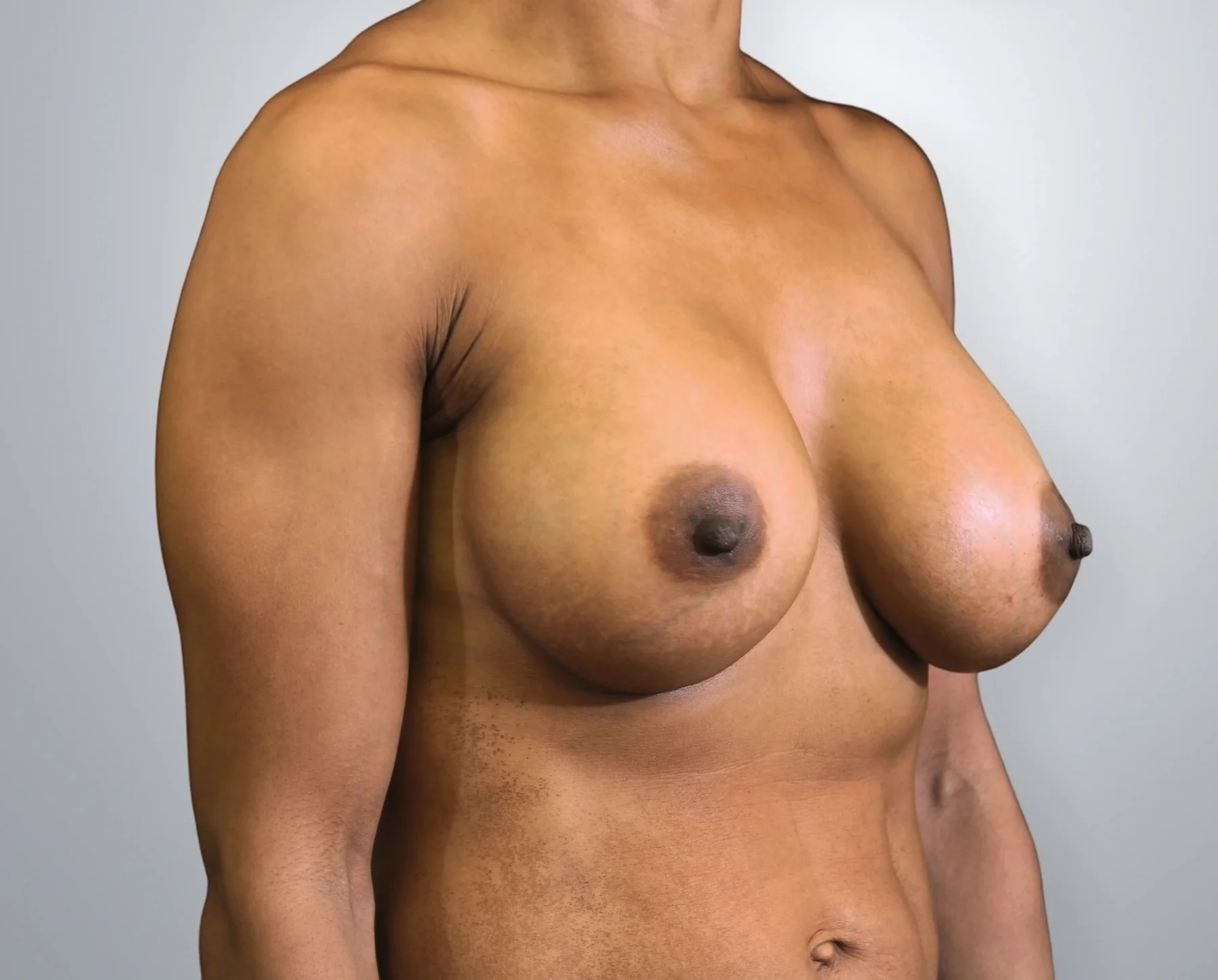
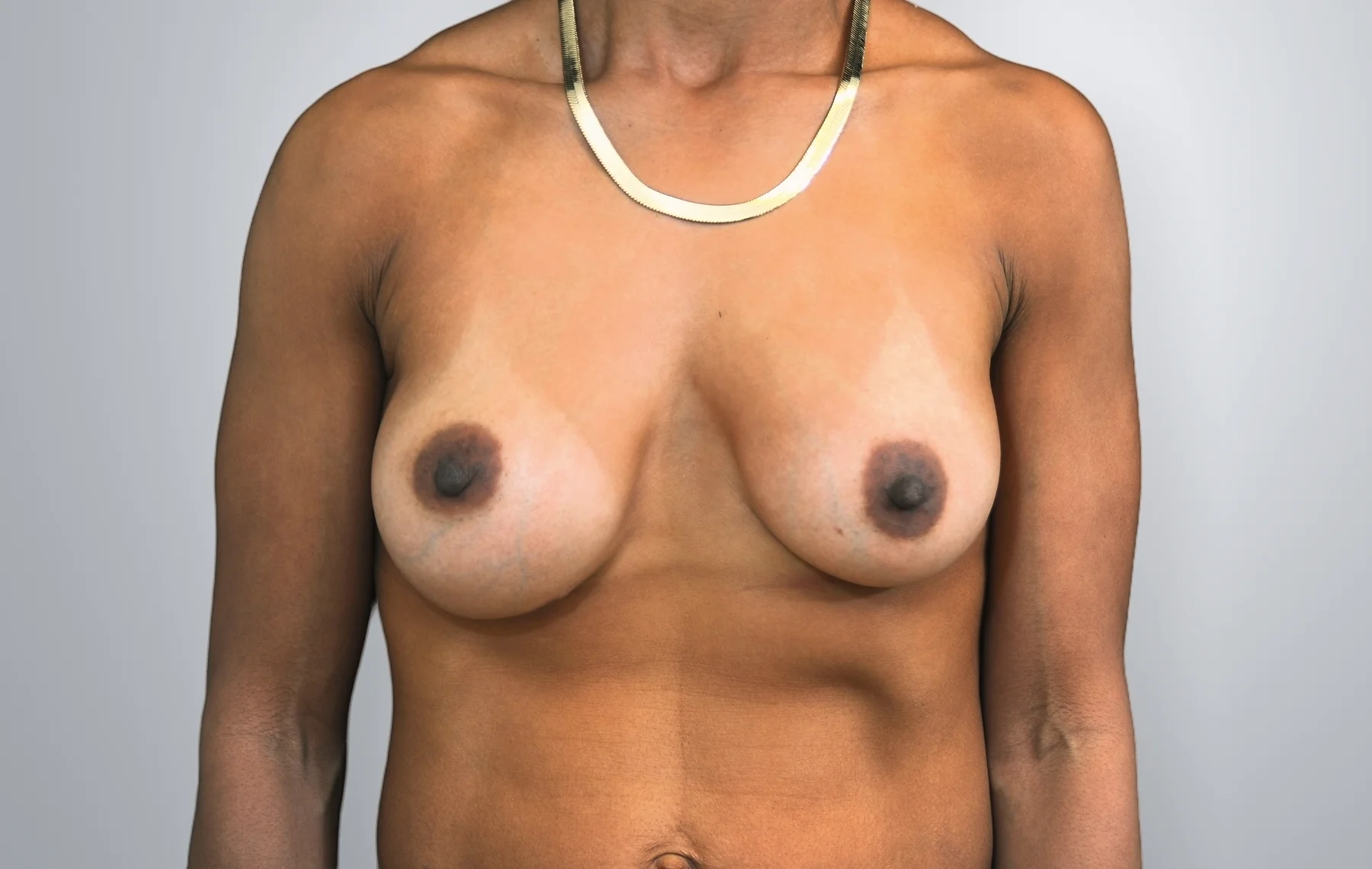
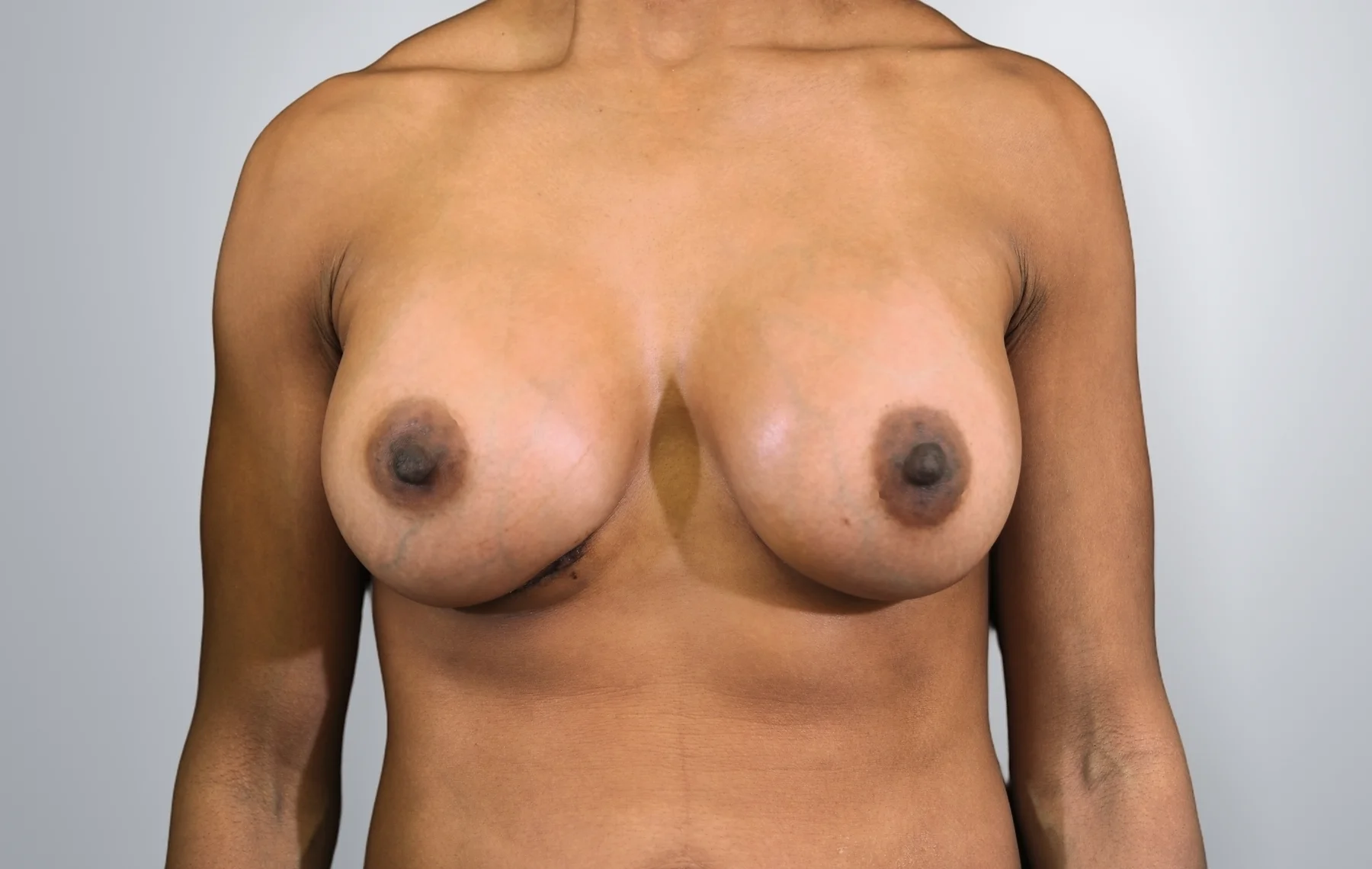
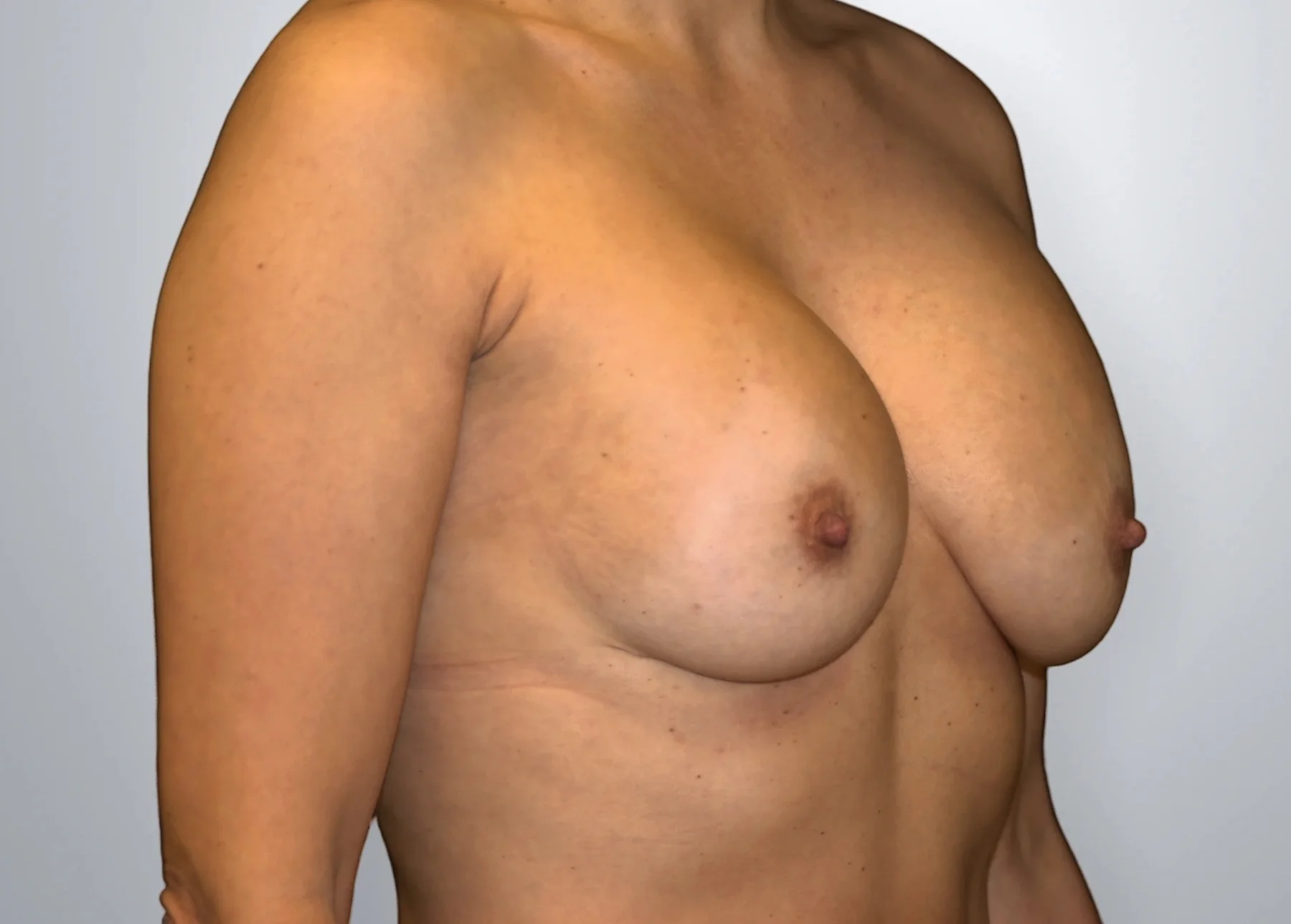
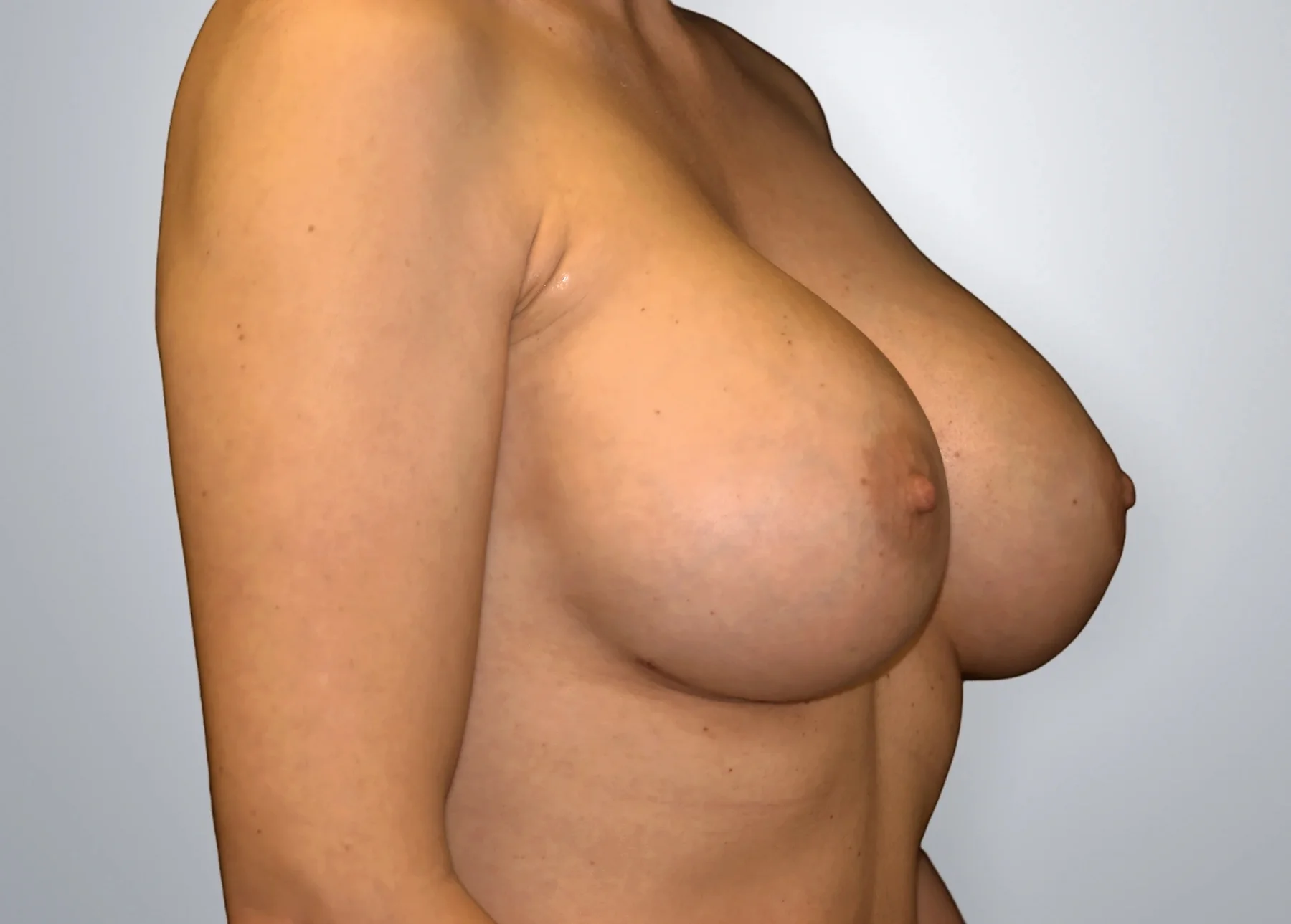
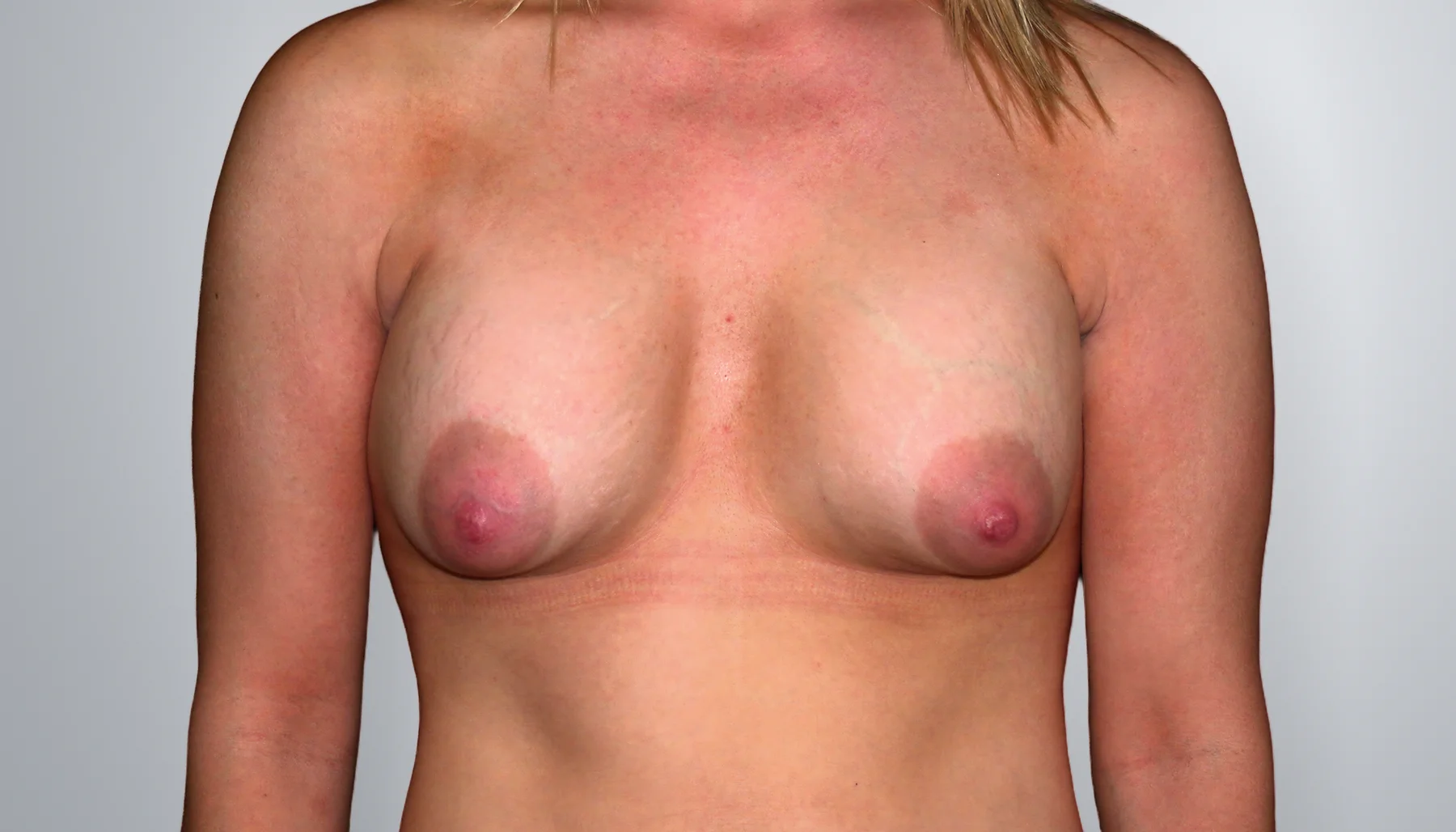
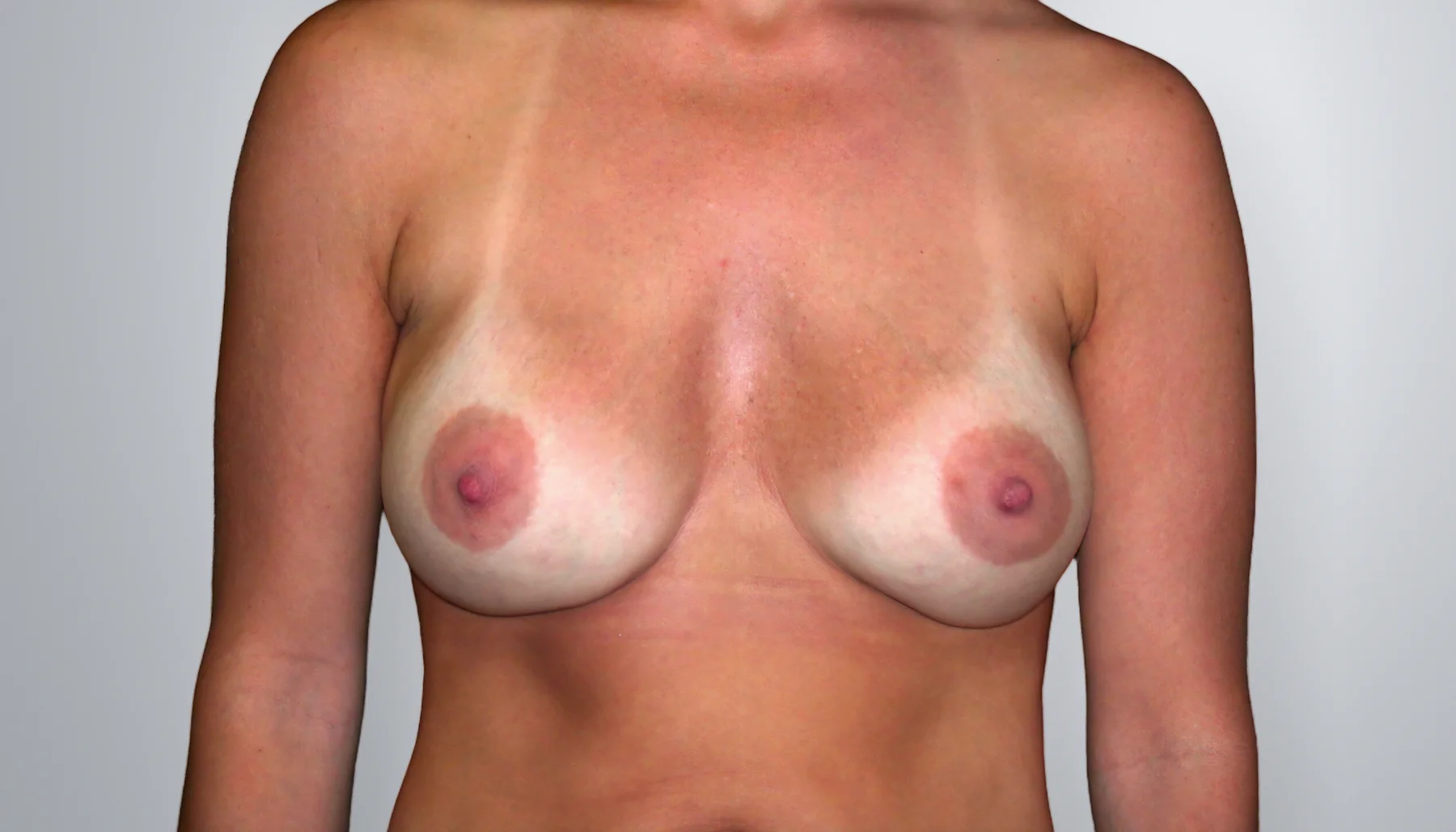
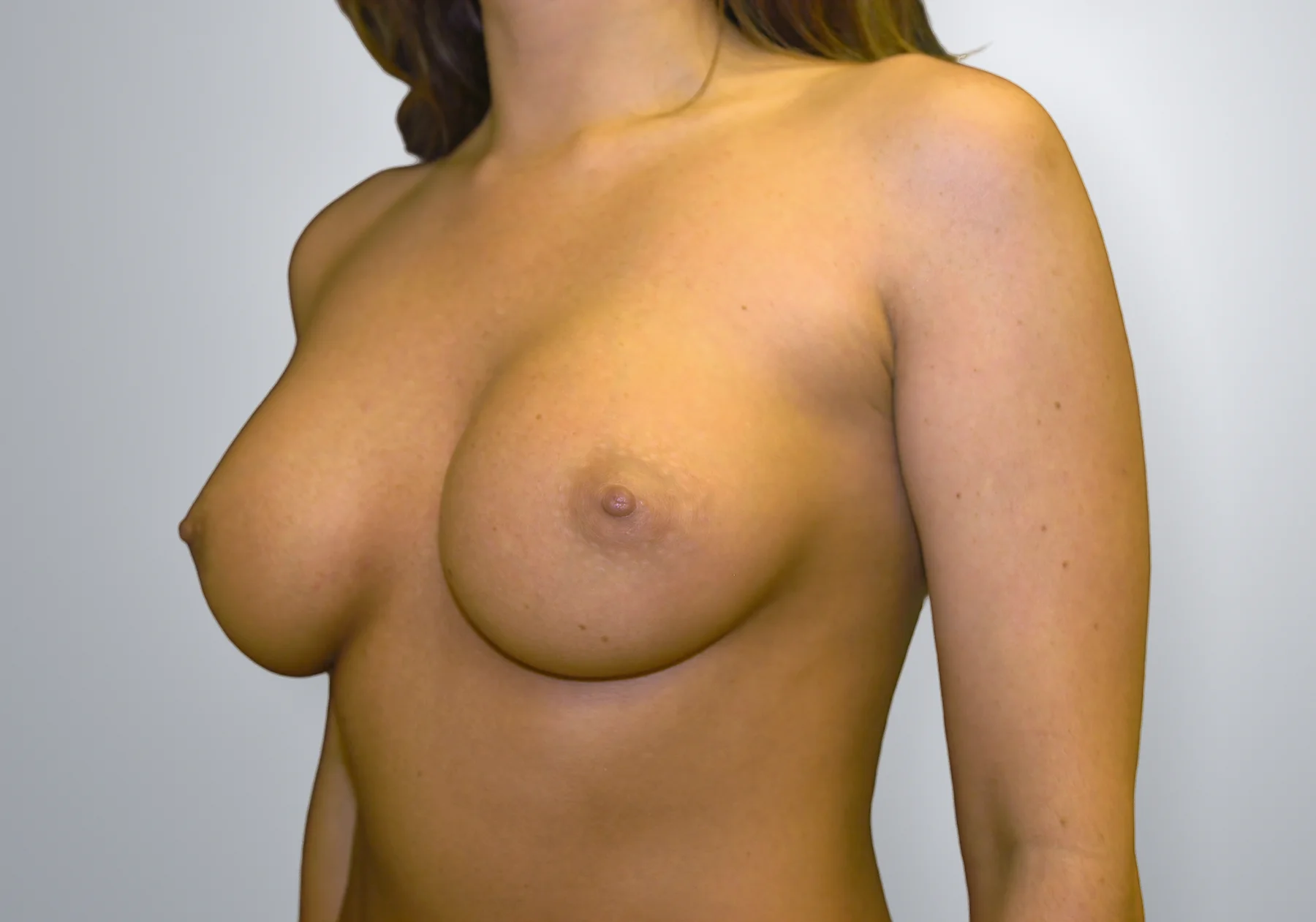
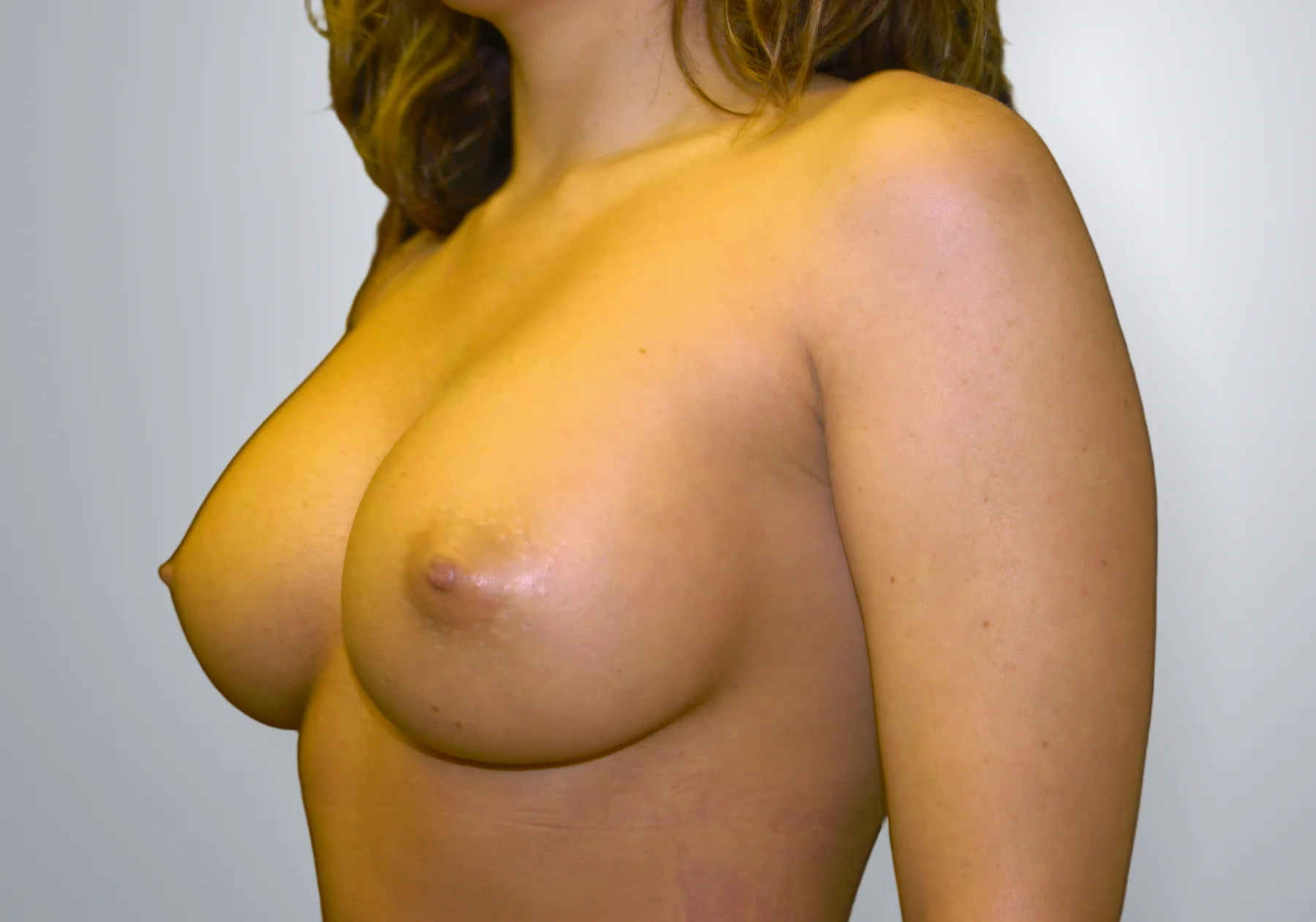
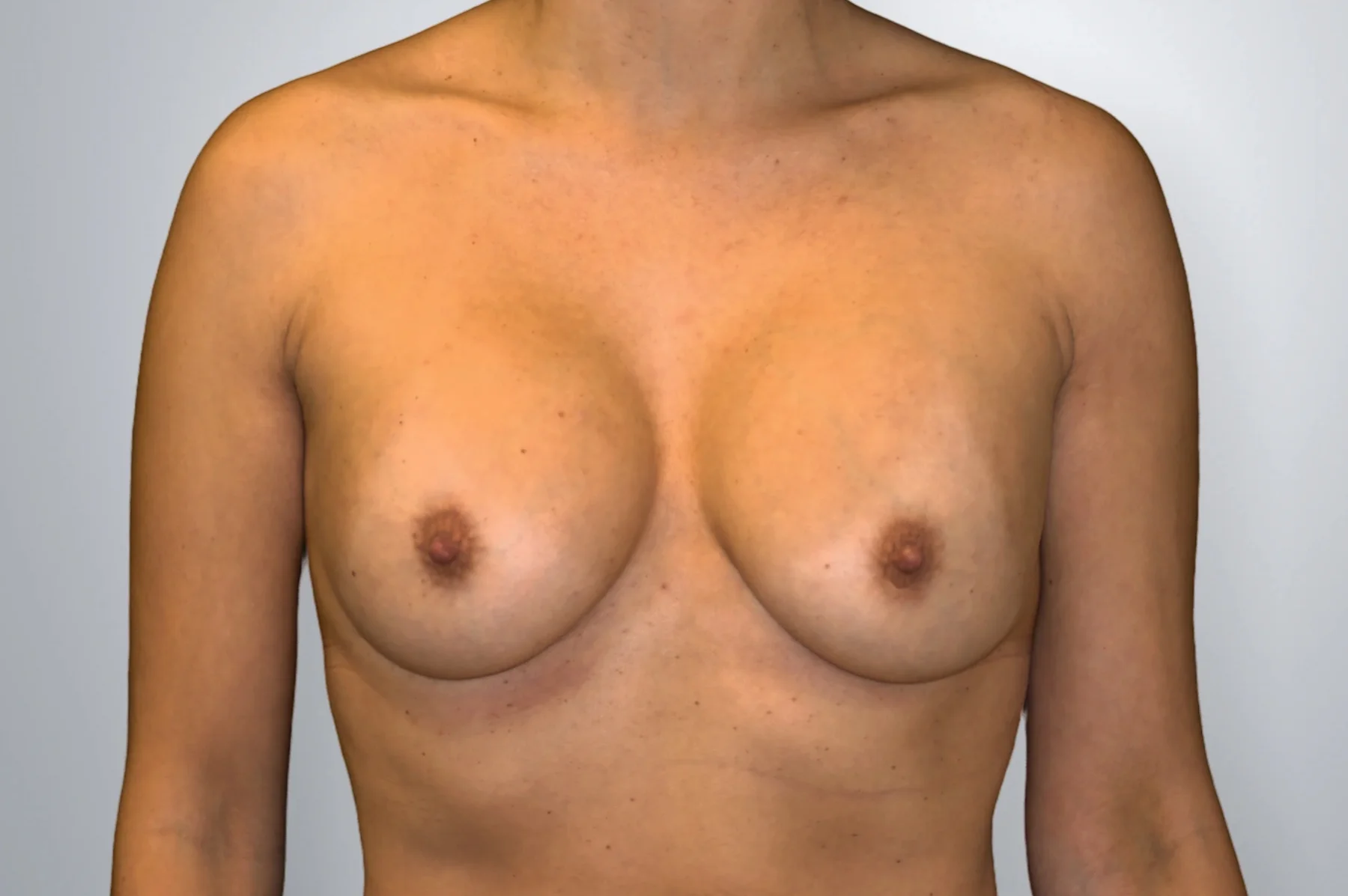
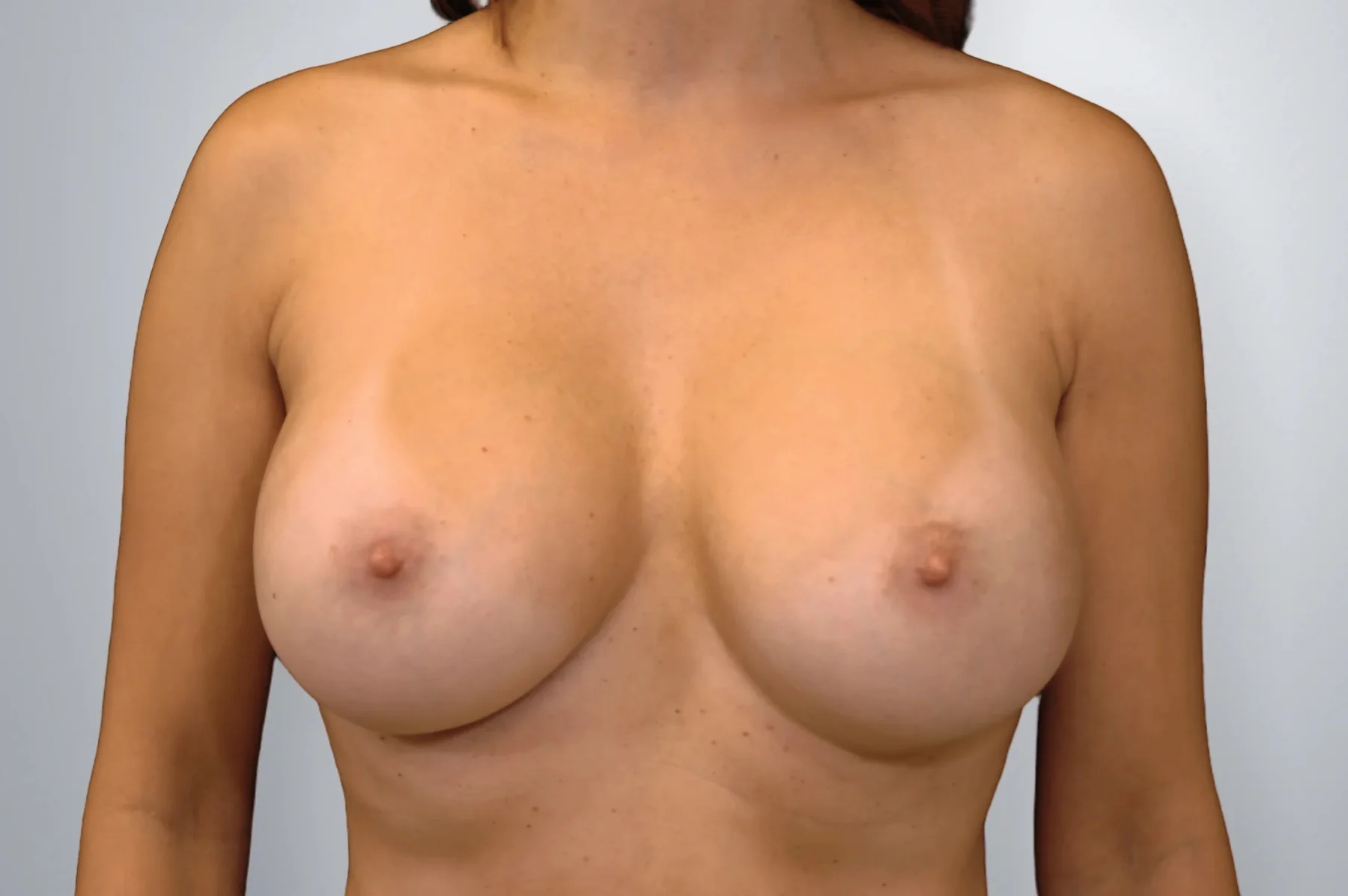
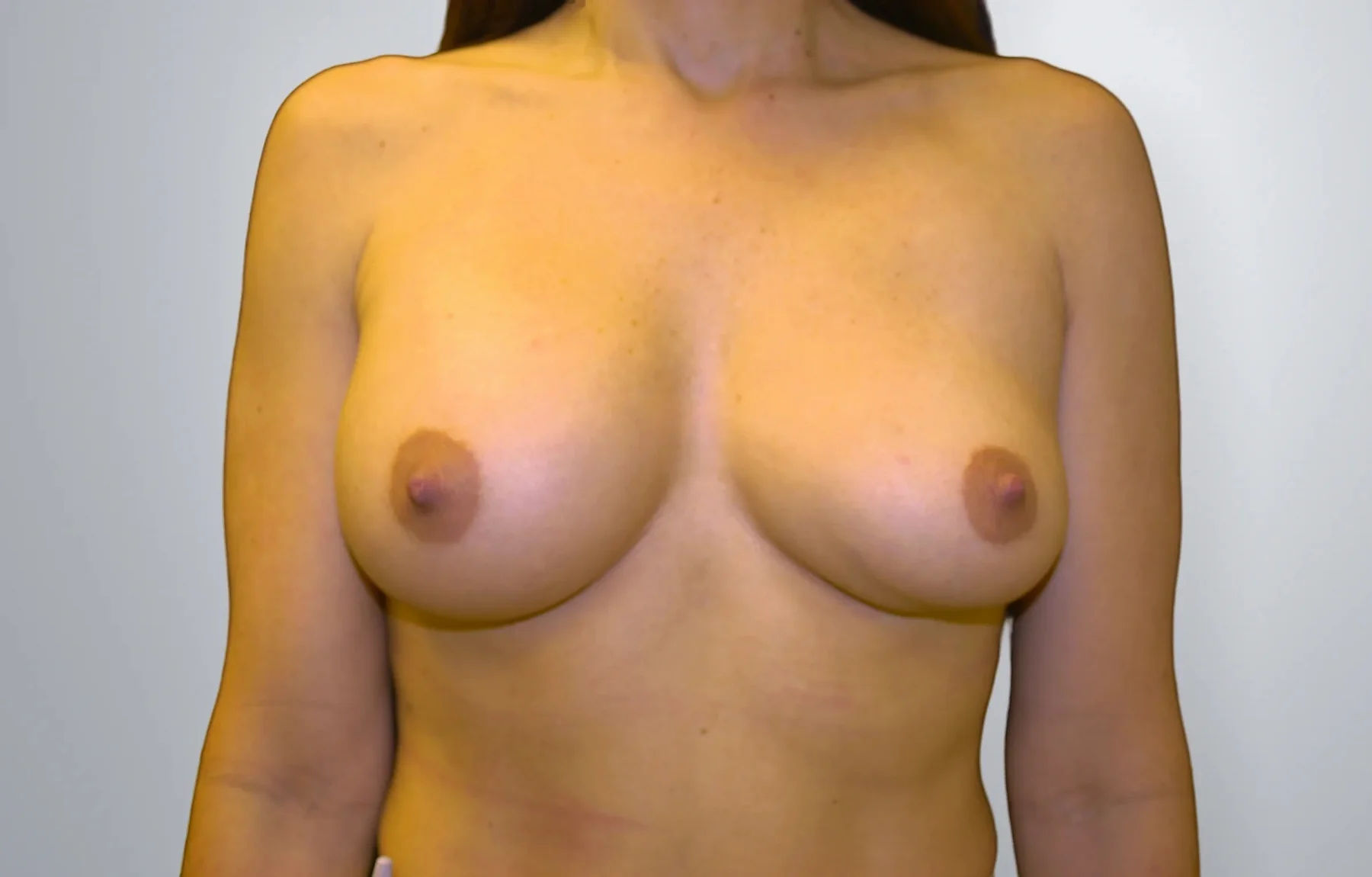
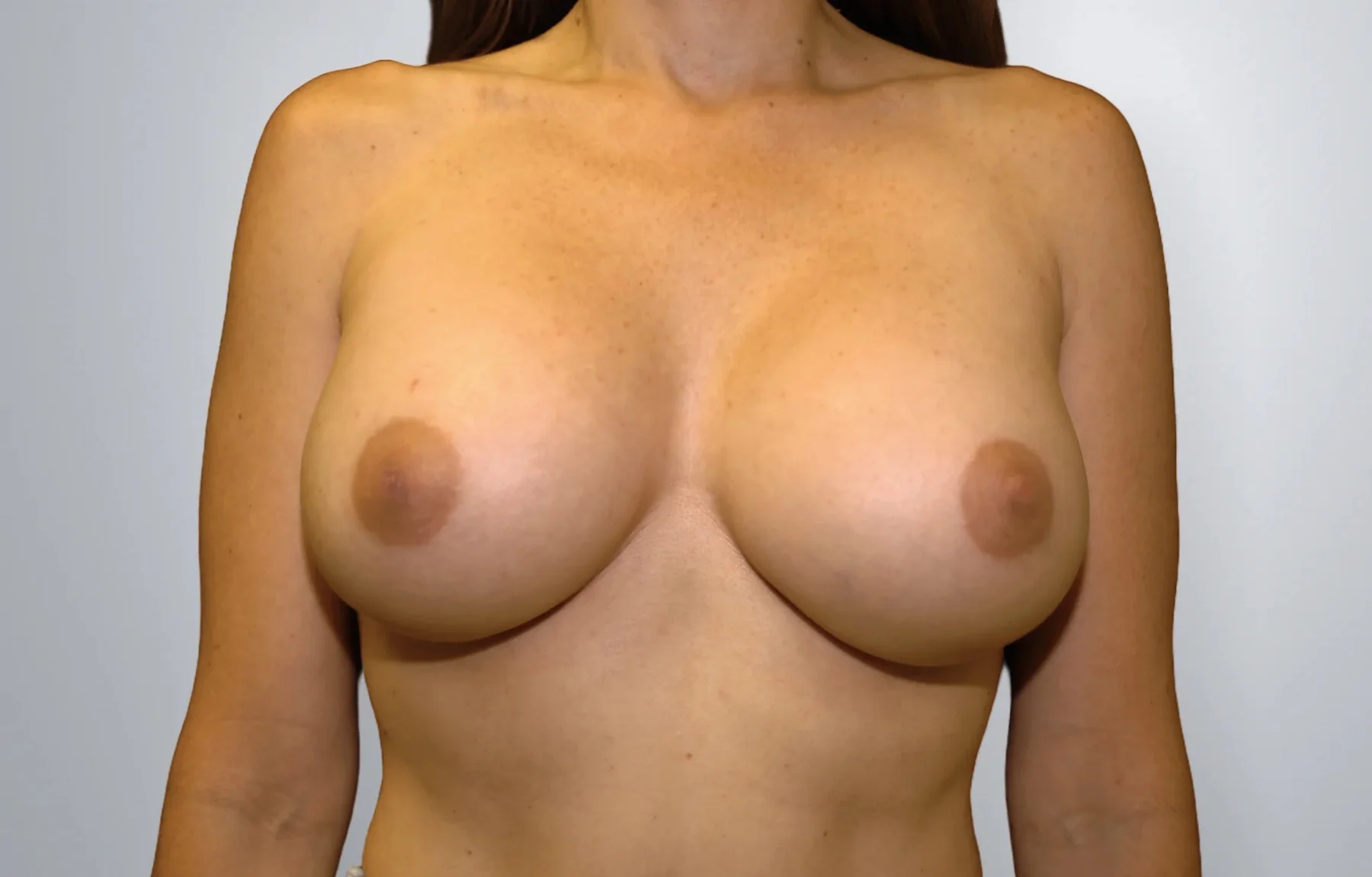
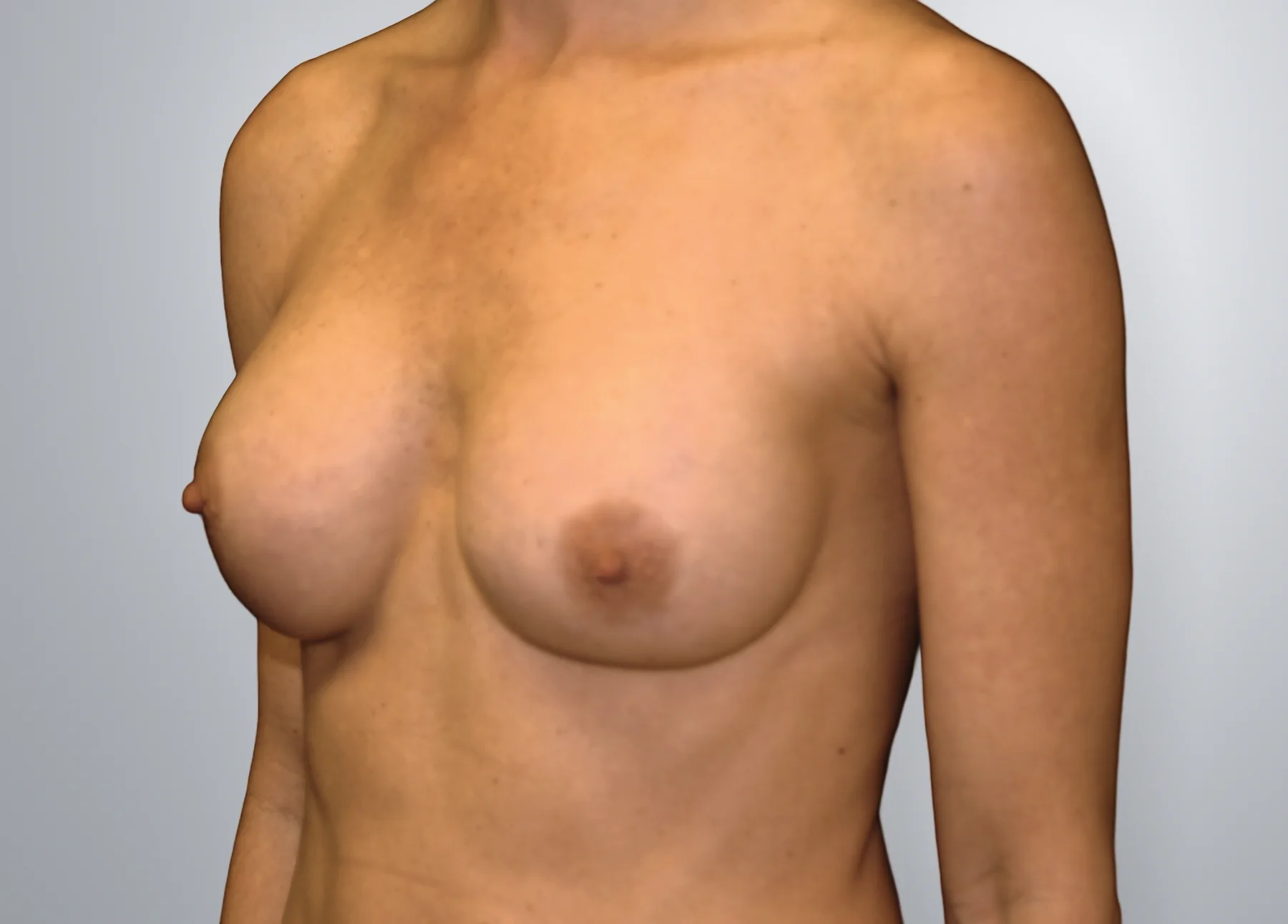
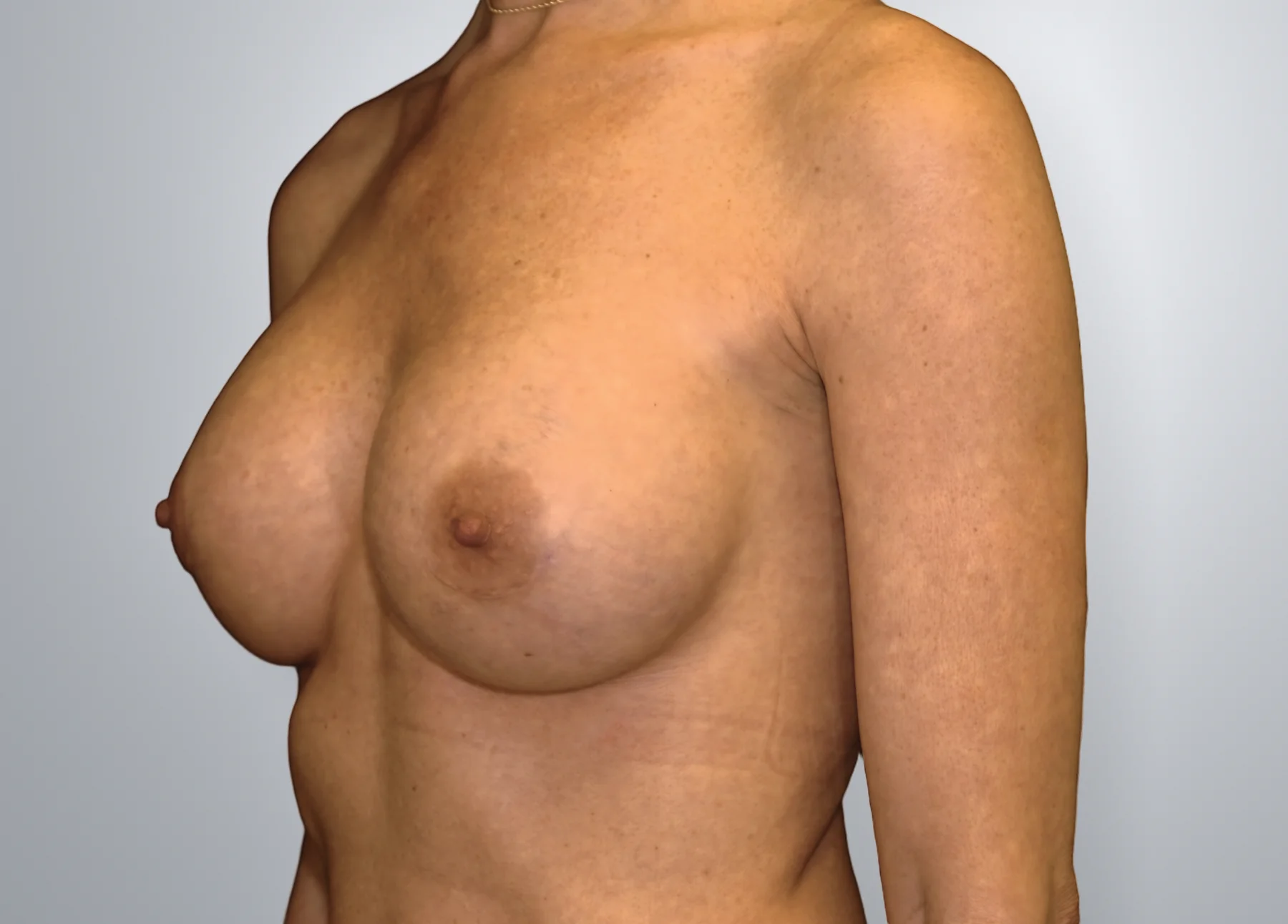
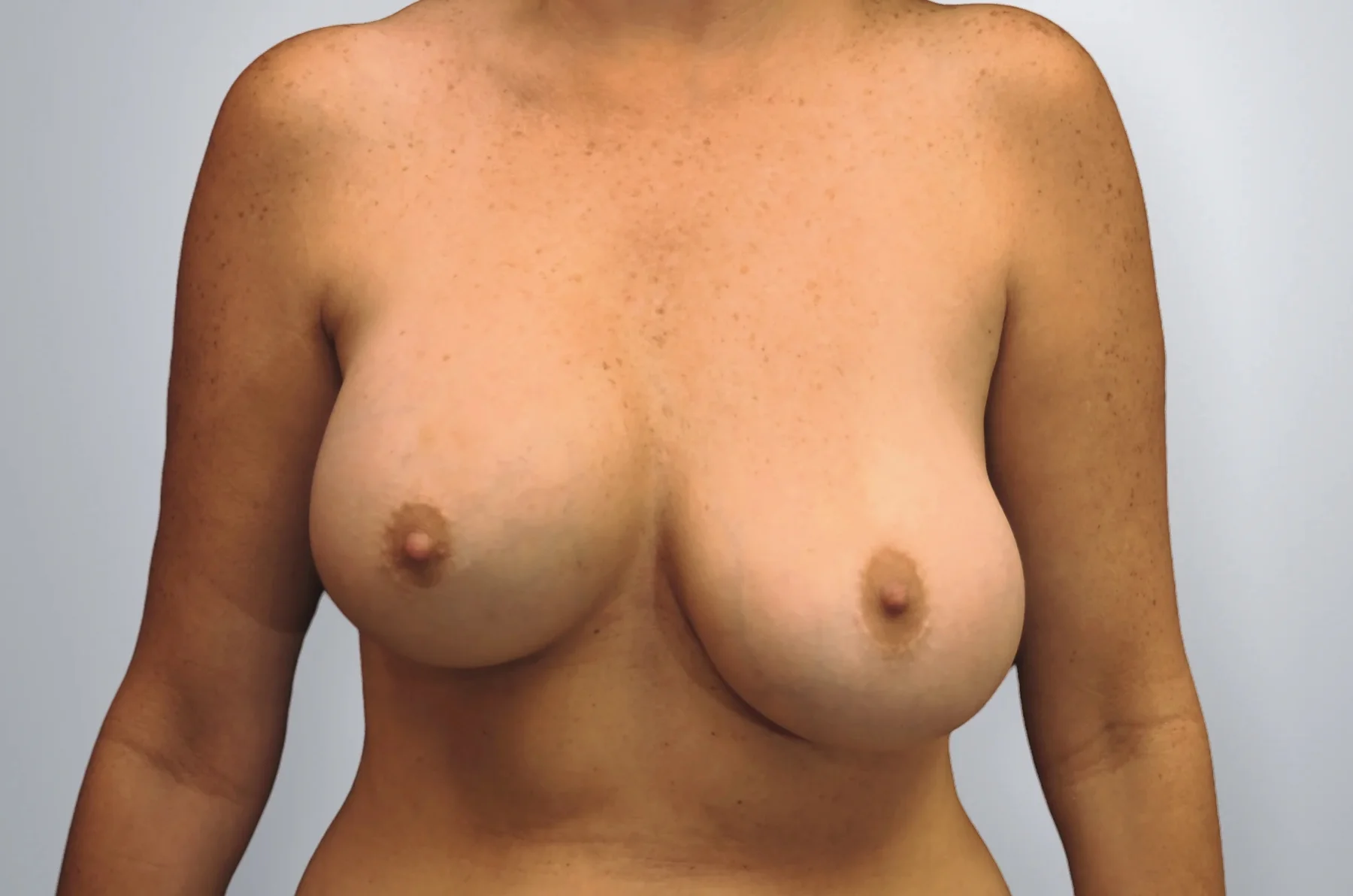
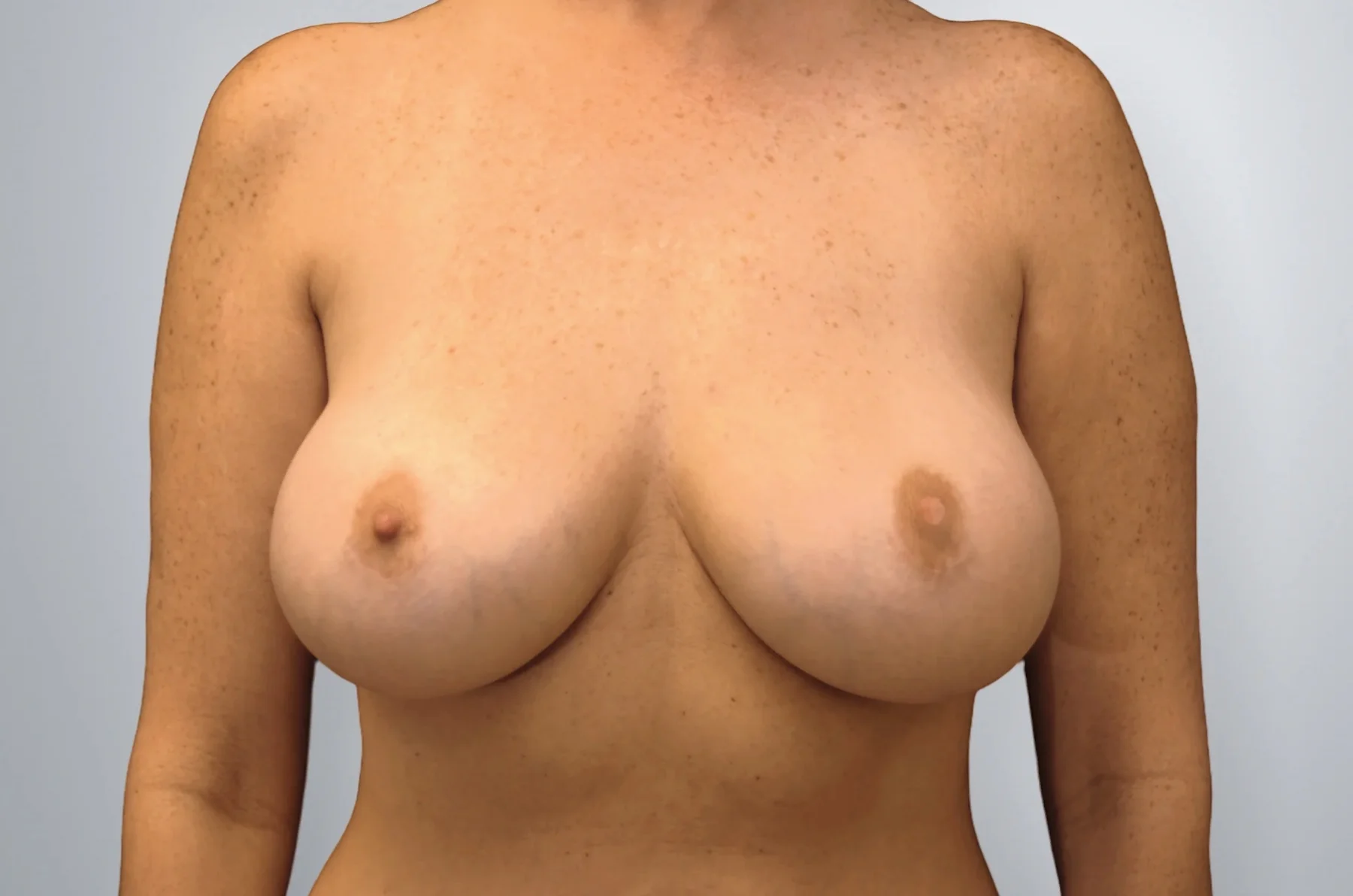
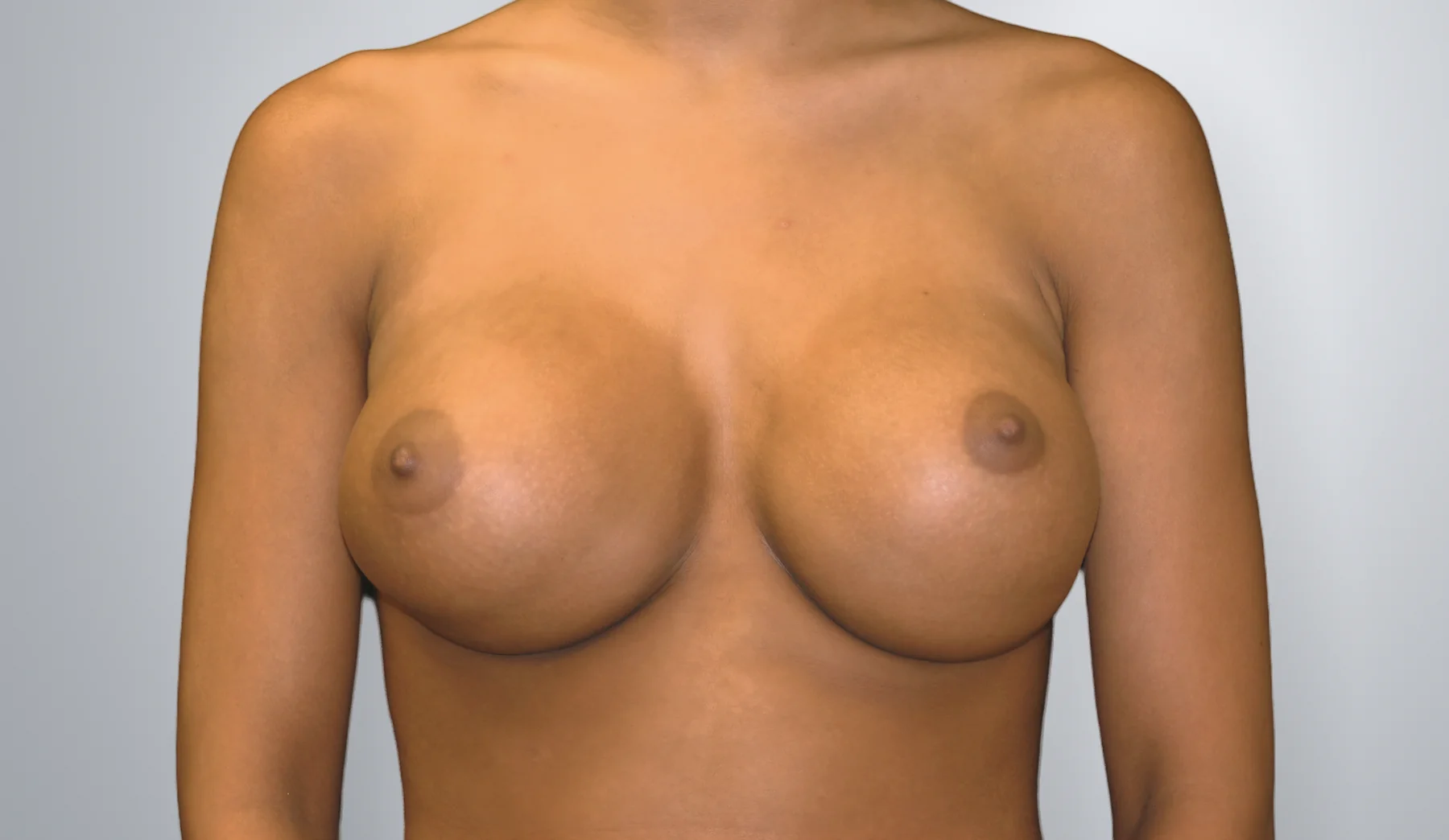
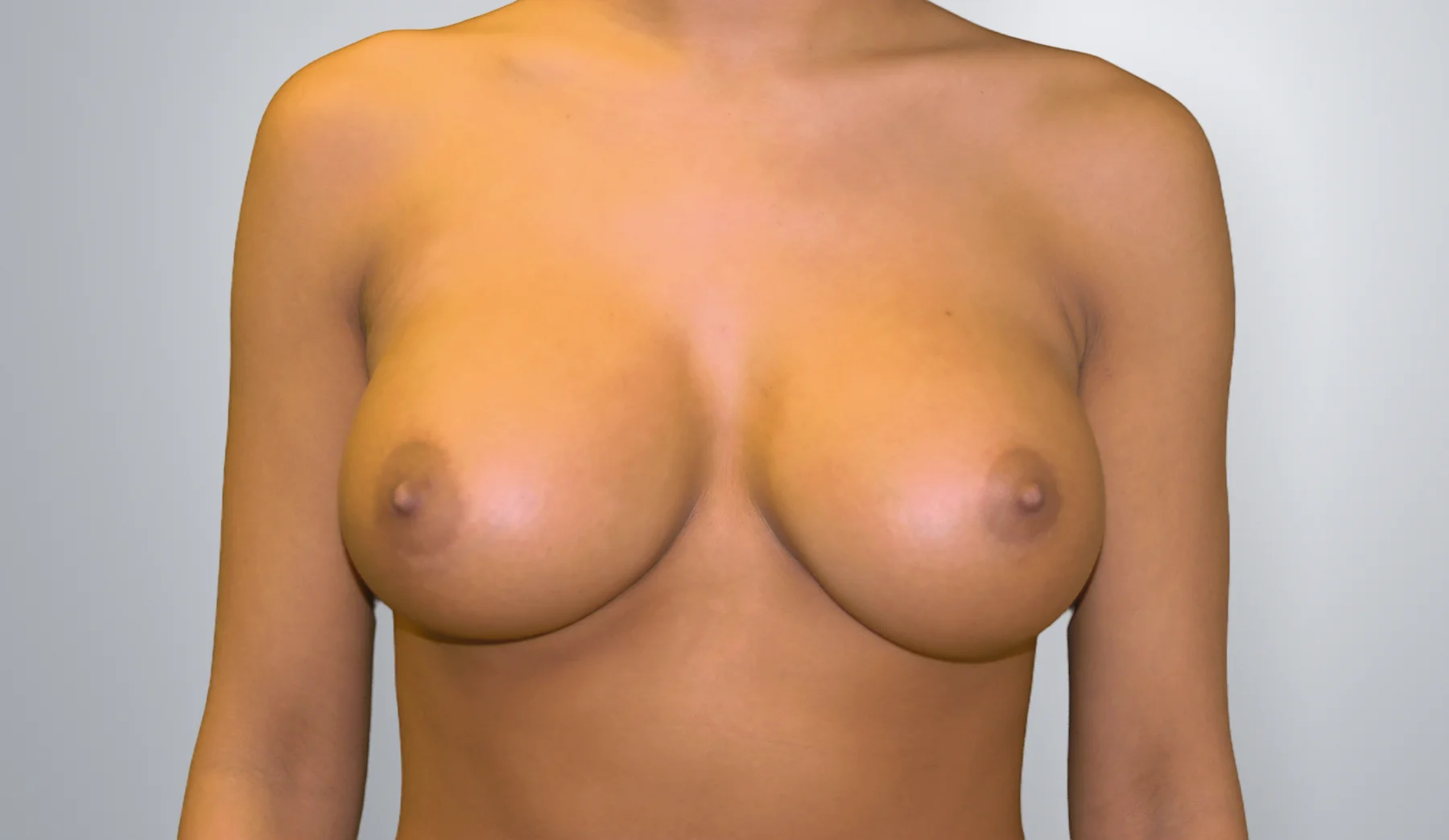
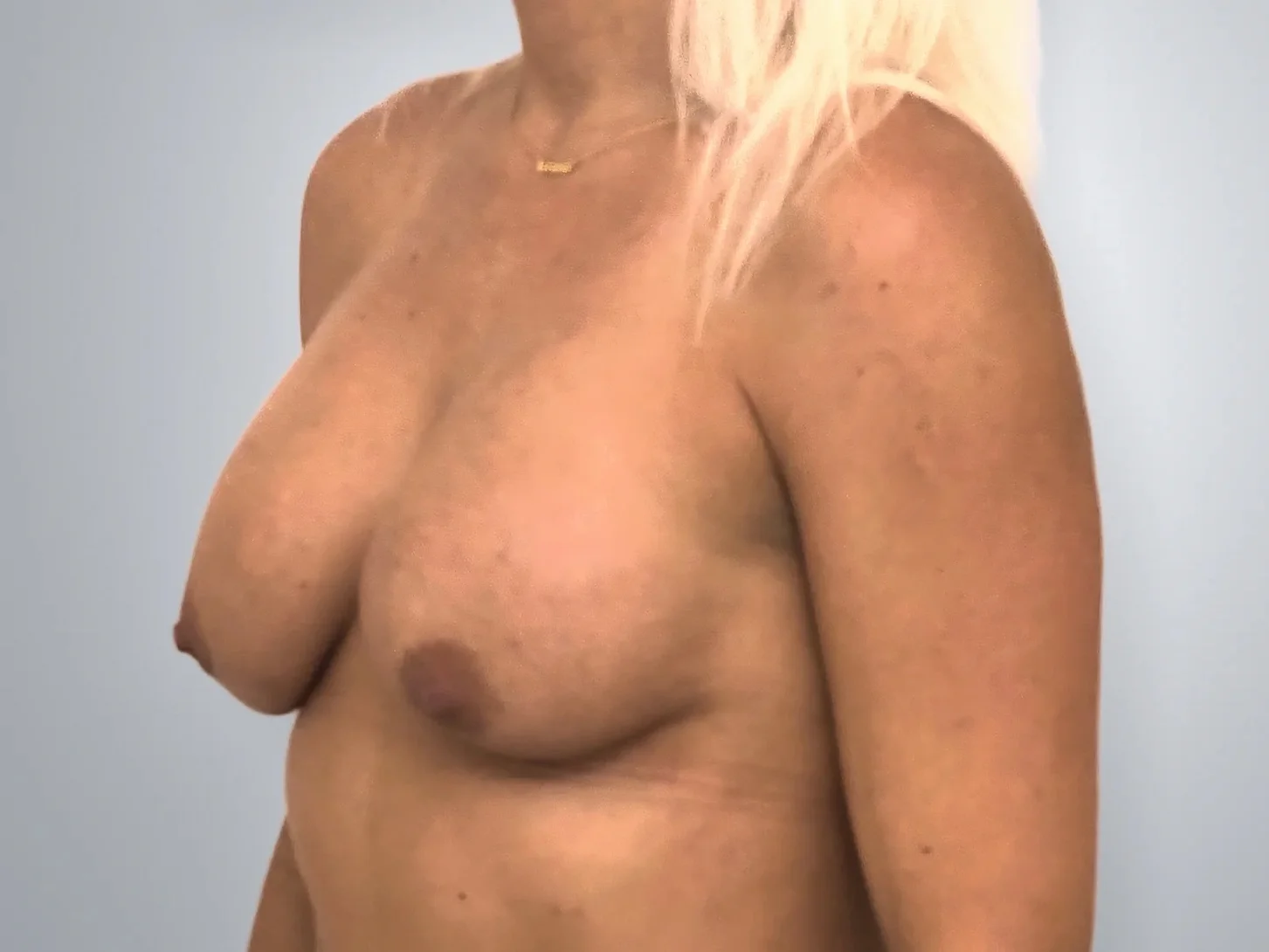
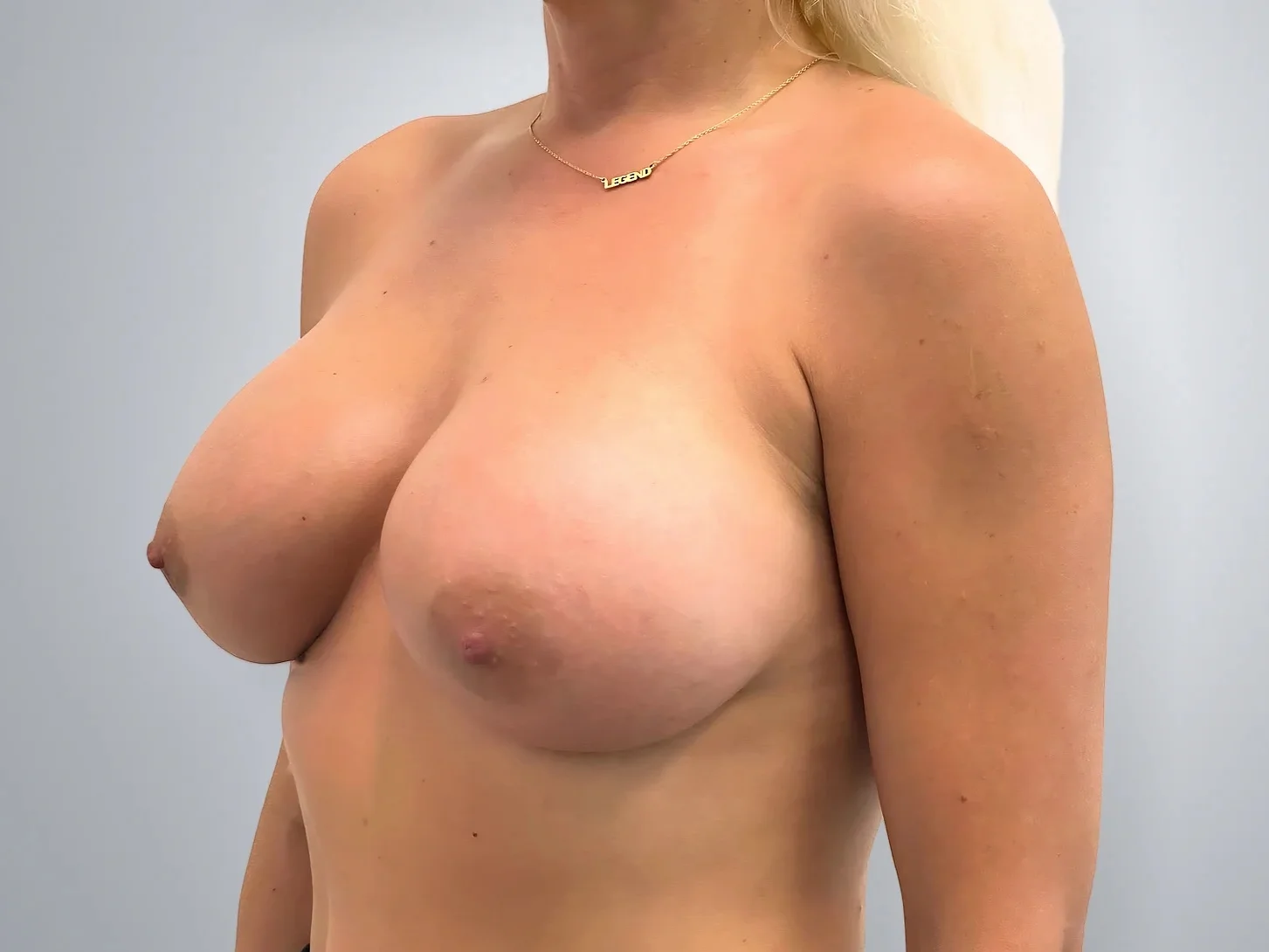
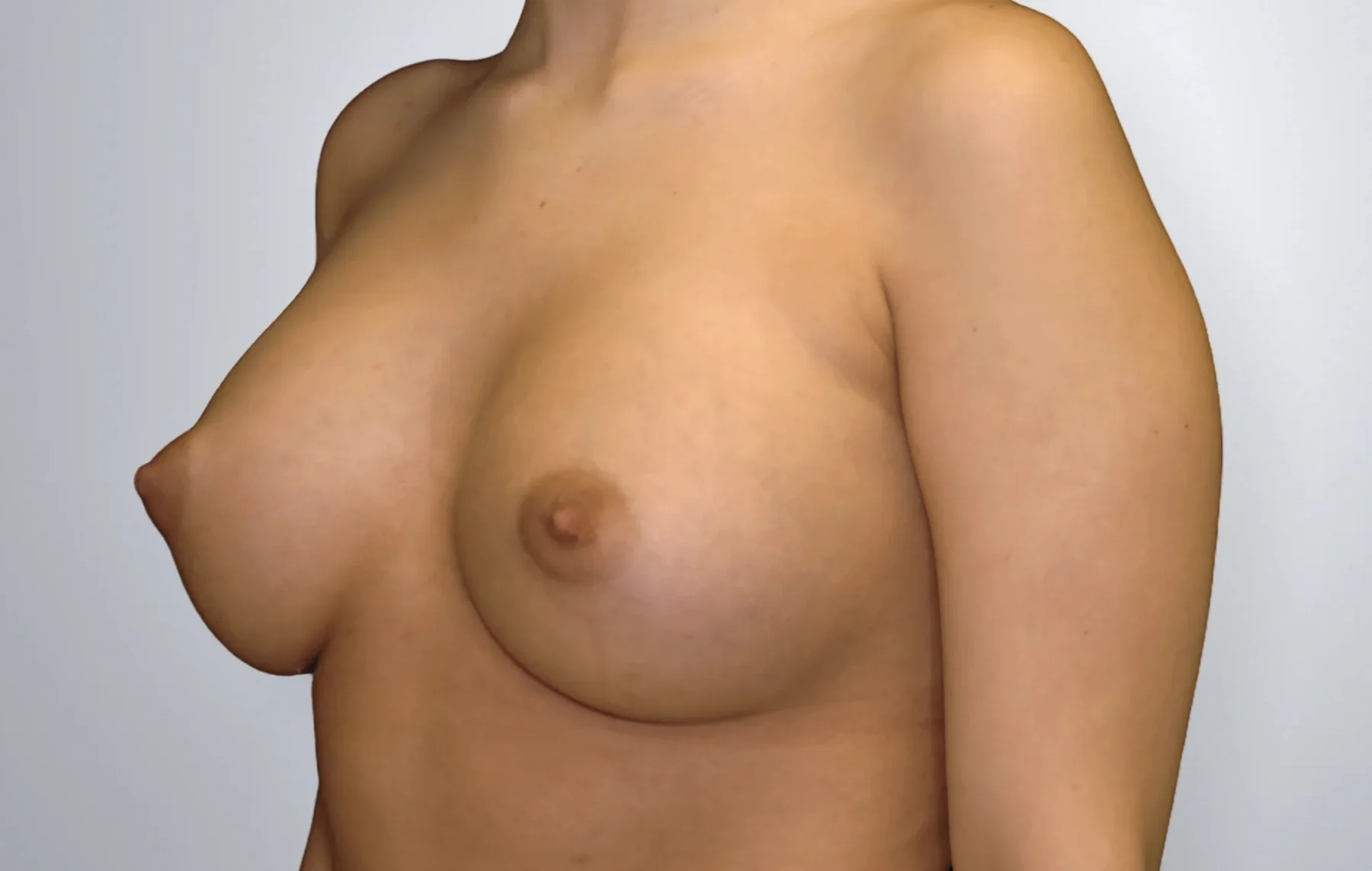
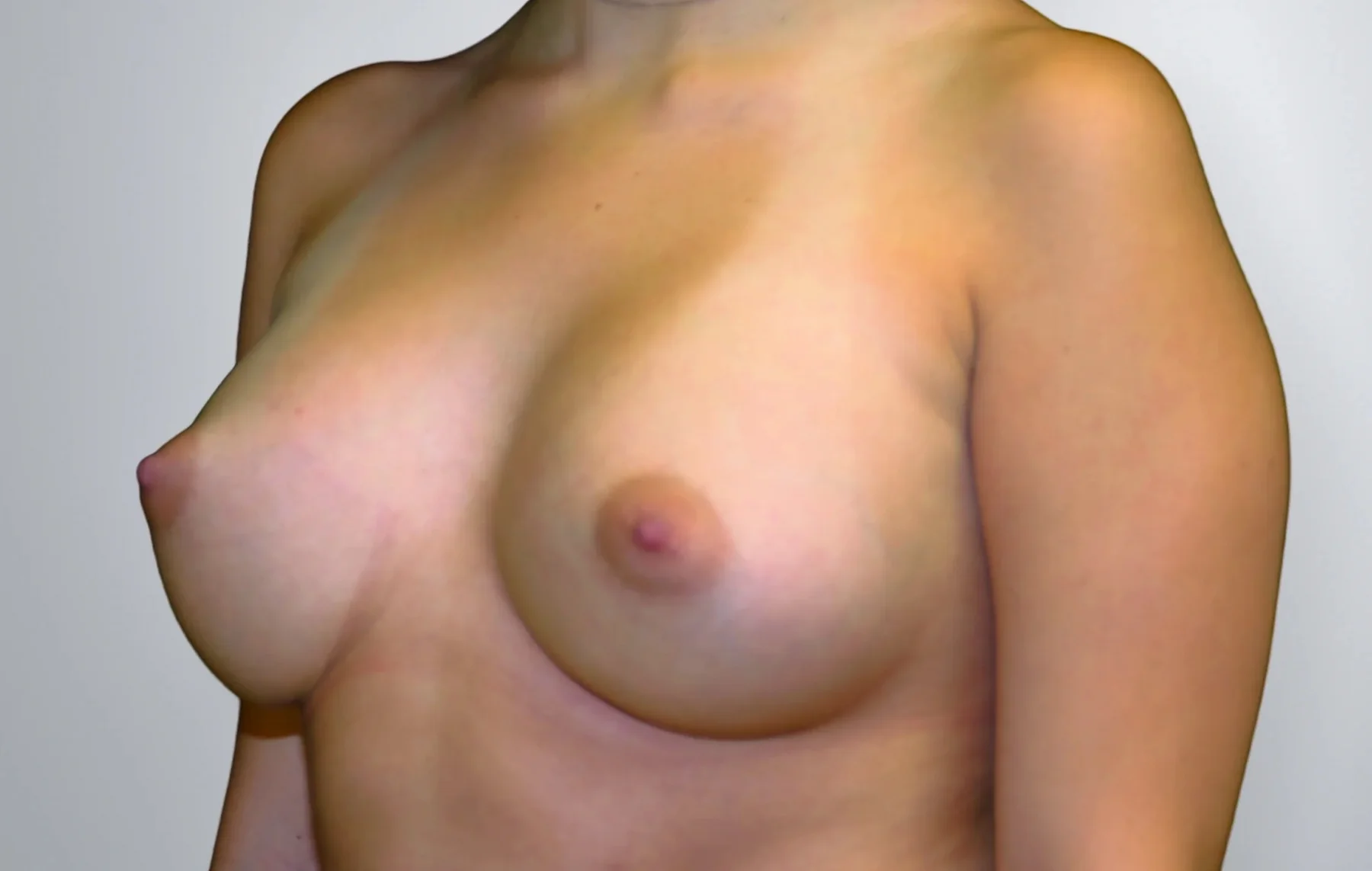
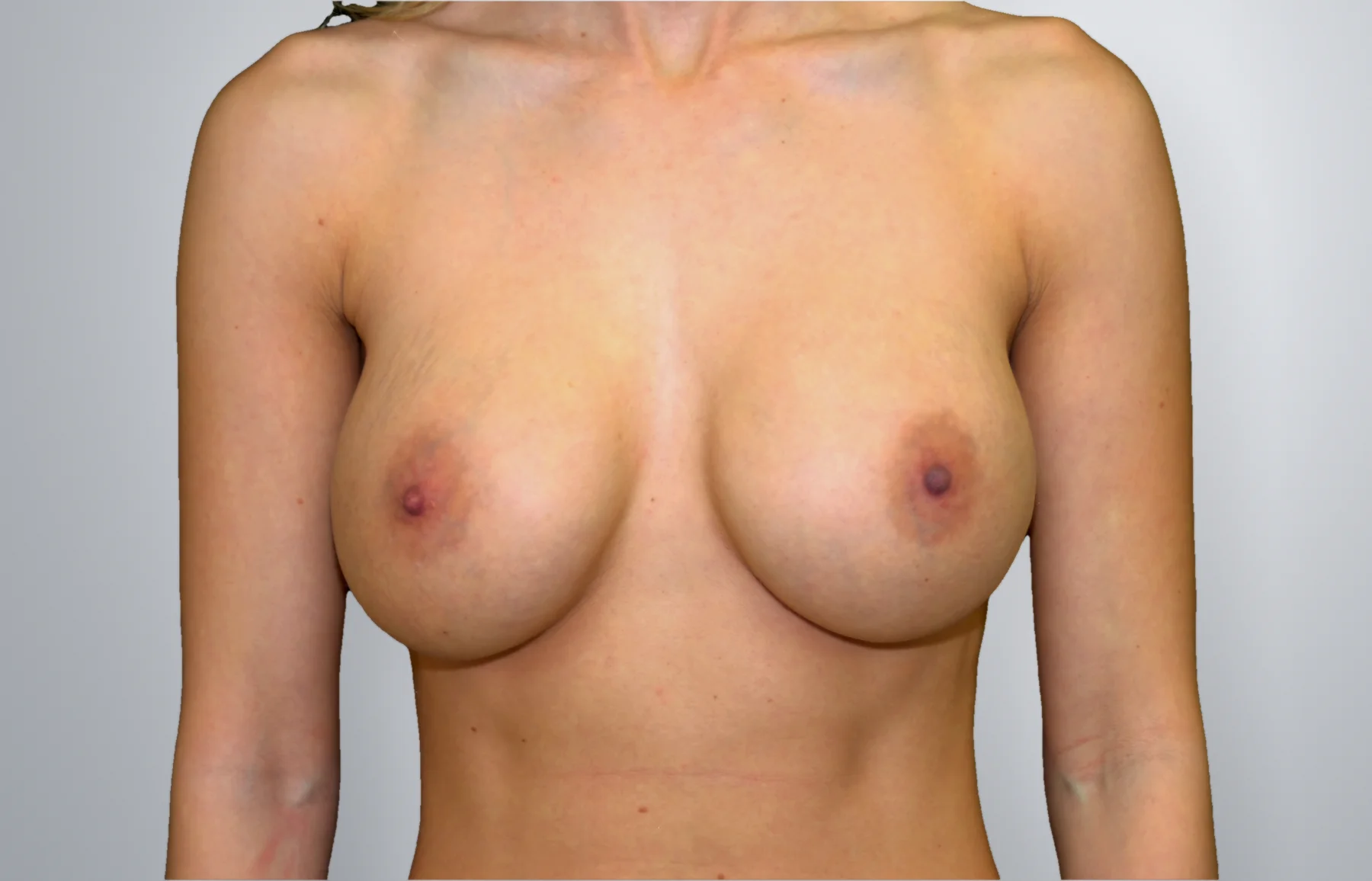
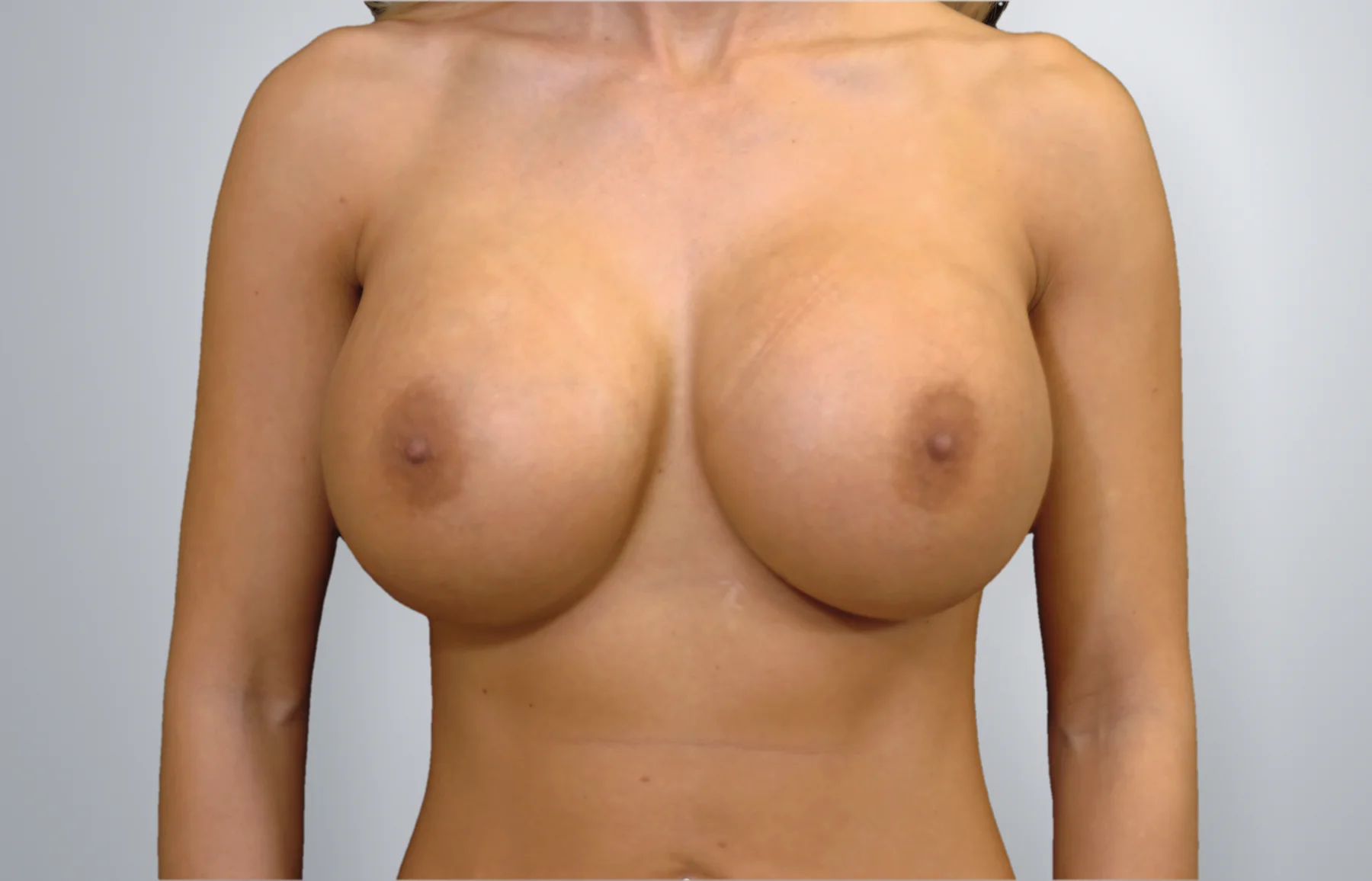
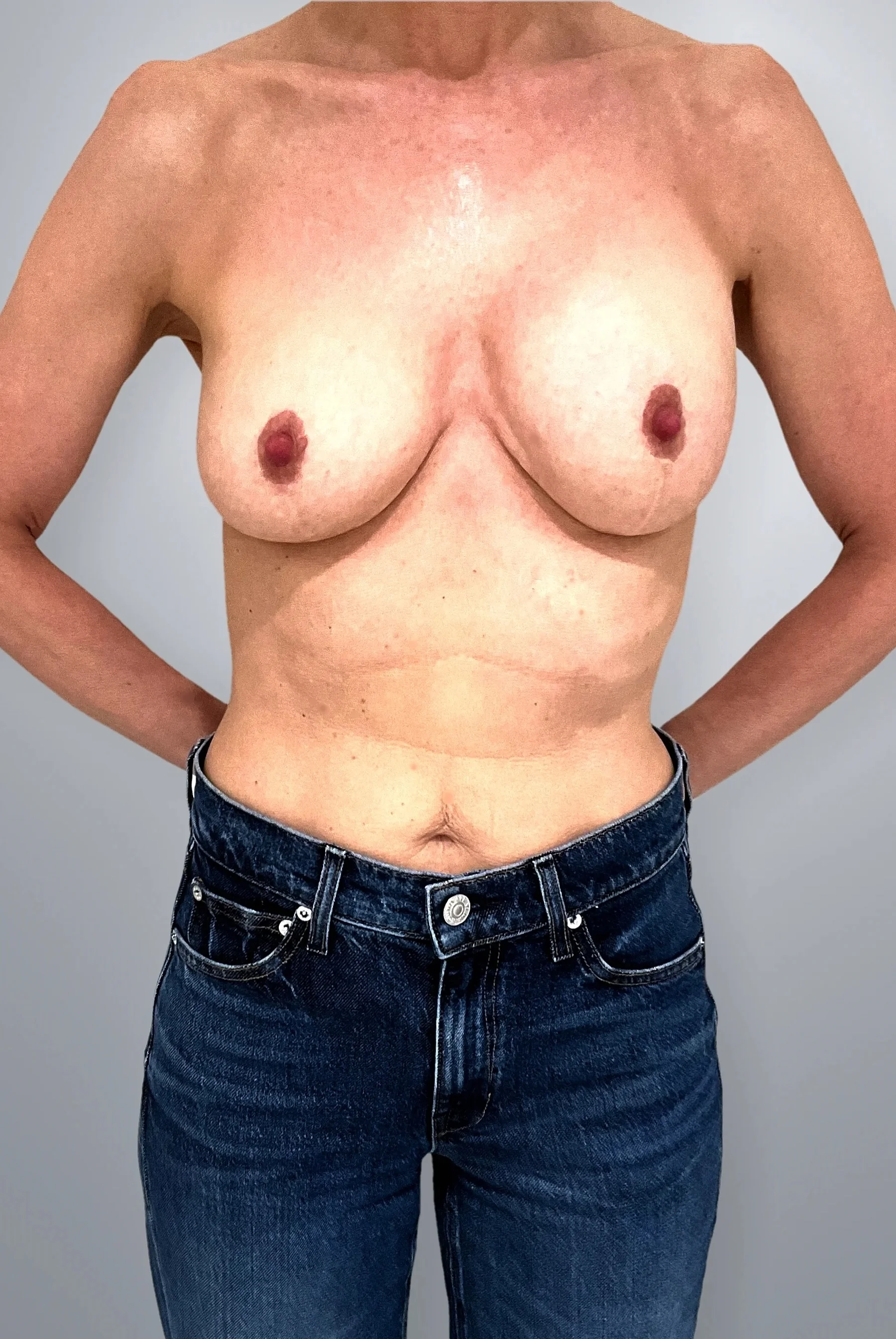
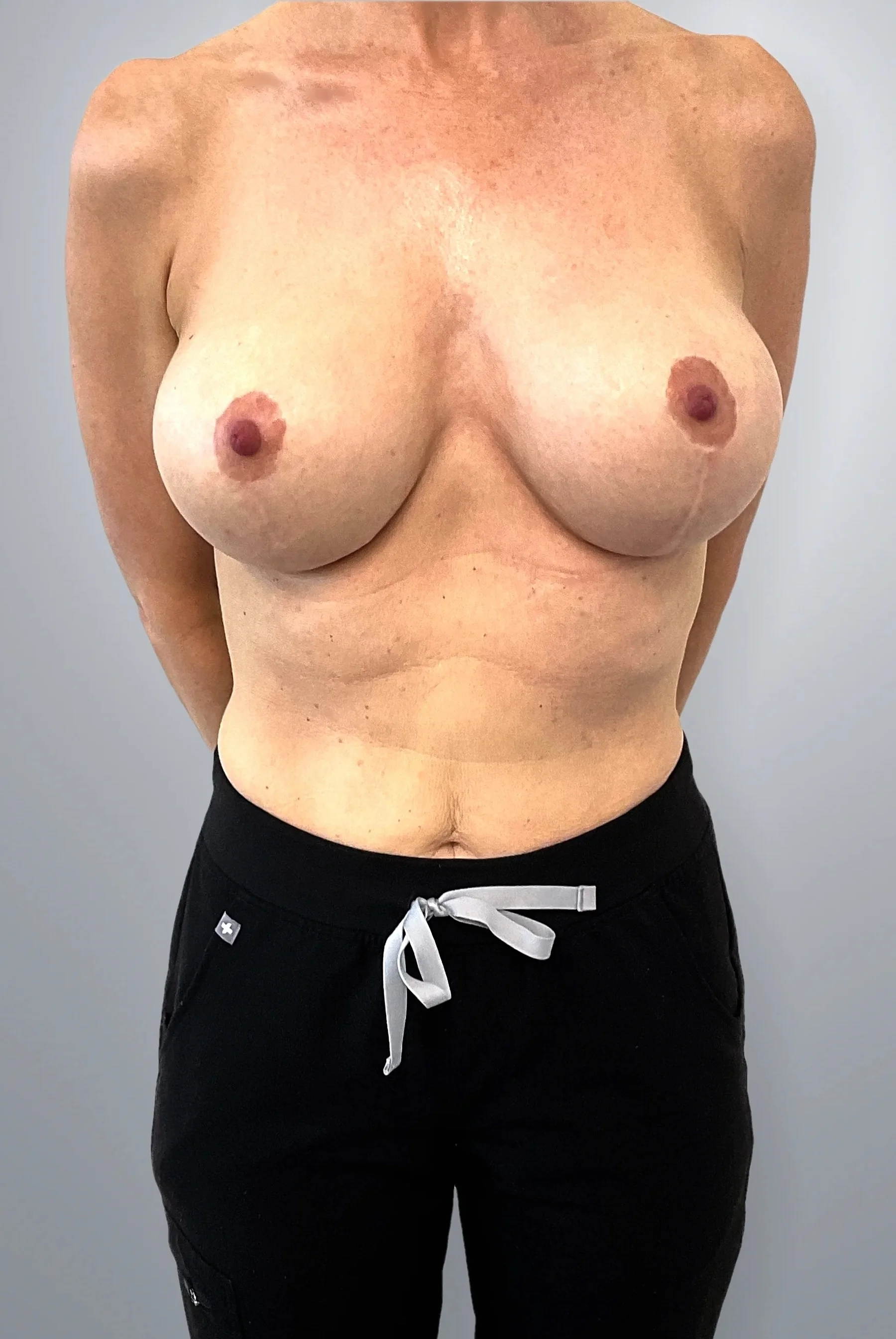
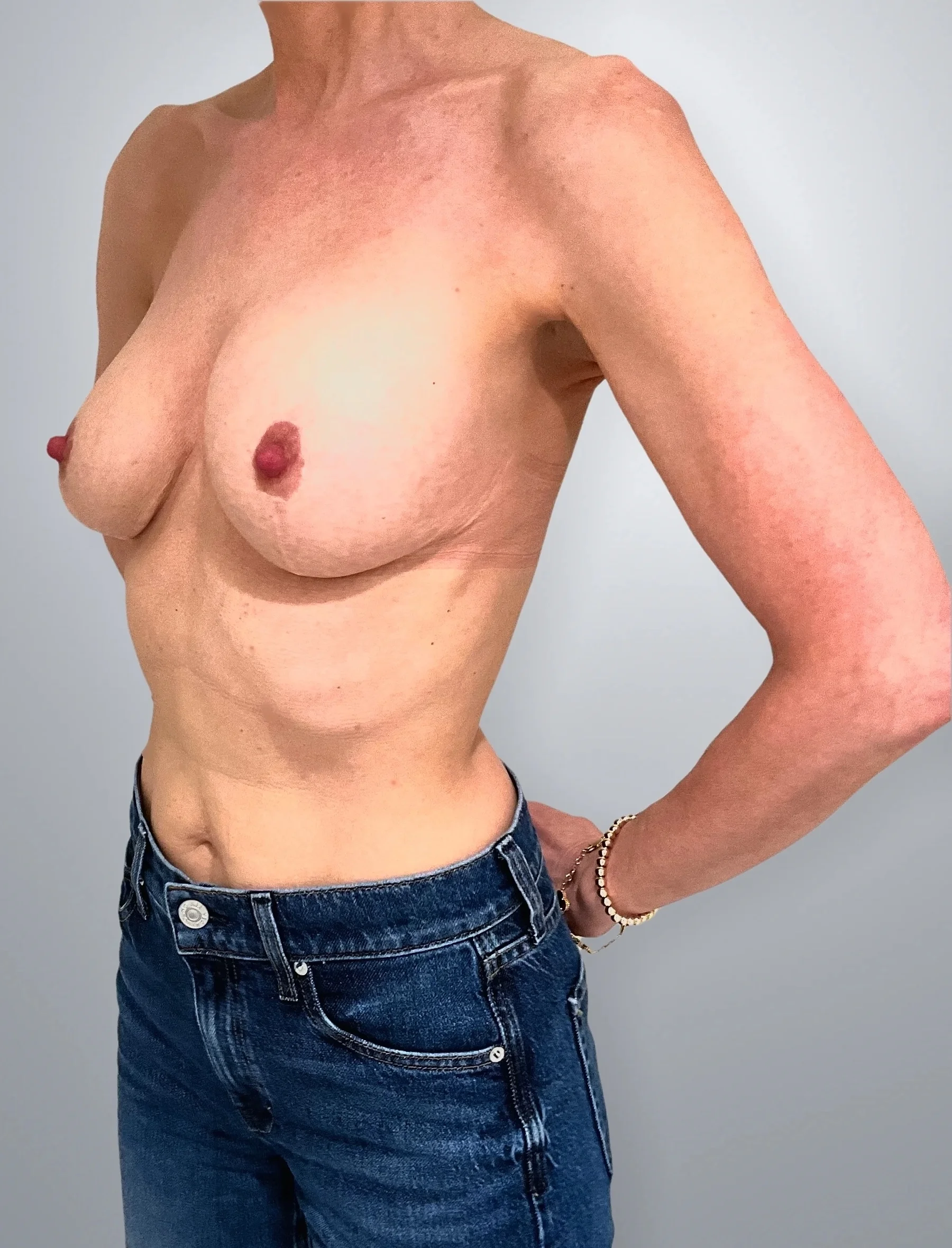
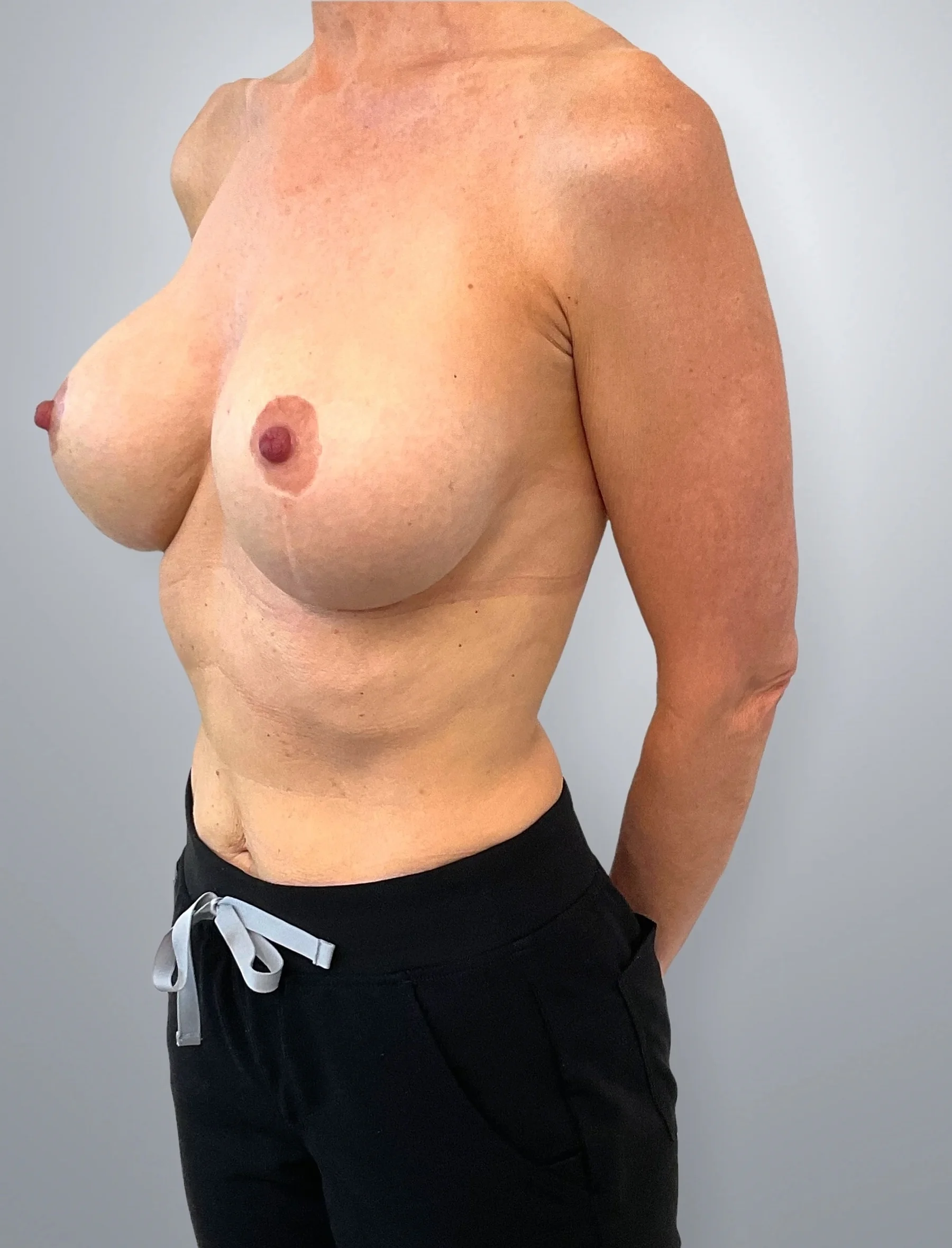
Non-clinical details in patient stories have been changed to protect privacy.
All photographs are of actual Edition Plastic Surgery patients. Individual results may vary.
Revision Stories
What to Expect
Revision surgery begins with an honest conversation. This is what happens from there.
Your Consultation
Dr. Schwartz examines you, reviews your surgical history, and listens to your concerns and goals. If you have operative notes or implant records from earlier surgery, please bring them; they are genuinely useful. You leave with a clear idea of what is possible and a specific surgical plan, without pressure.
Pre-Operative Planning
Revision needs careful planning, which may include imaging, implant selection and, in some cases, coordination with your primary care physician. Our patient concierge handles the arrangements: pre-operative labs, scheduling and a preparation guide.
Surgery Day
Revision procedures are performed as outpatient surgery under general anesthesia in our private surgical suite. Operating time depends on what is needed: a simple implant exchange may take one hour, a revision with a breast lift (mastopexy) two to three. You are discharged the same day with all supplies and instructions provided.
Early Recovery
Recovery following revision surgery is typically similar to a primary augmentation, though complex procedures may involve slightly more initial discomfort. A supportive surgical bra is worn continuously. Most patients are comfortable moving around their home within 24–48 hours, with a follow-up appointment scheduled in the first week.
Return to Activity
Return to desk work and light activity typically occurs within 4 to 5 days. More physically demanding activity resumes at three to six weeks, depending on the specific repairs made, under Dr. Schwartz's direct guidance. Procedures combining implant exchange with mastopexy may have a slightly longer activity restriction timeline.
Final Results
Swelling fully resolves and tissues settle into their final position over three to six months. Dr. Schwartz follows your progress closely throughout.
Why Revision
Requires More
Revision breast surgery means working within existing scar tissue, correcting implants that have moved out of position, and treating capsular contracture. Repairing breast augmentations done elsewhere is a specialty of Dr. Schwartz's practice, and patients come to him from across the country for it.
Full Credentials →Plastic Surgeon
Performed
Practice
Rate
Is Revision Right for Me?
Many women hesitate to ask about revision, unsure whether their problem is worth surgery. If you are unhappy with your result for any reason, cosmetic or medical, a consultation is always appropriate.
Common Reasons
Patients Choose This
- You are unhappy with how a previous augmentation looks or feels.
- Your breast has become hard, painful or misshapen from capsular contracture.
- Your implant has ruptured, leaked or deflated, or you can see rippling.
- Your implants have moved, for example bottomed out or drifted to the side.
- You want a different implant size or profile that suits your body better.
- Your breasts have changed with age, pregnancy or weight change since your first surgery.
- You have decided to have your implants removed and want to know your options for shape afterward.
Things to Consider
Before Proceeding
- Your original surgery was very recent. Dr. Schwartz usually recommends giving the tissue more time to settle first.
- You smoke. You will need to stop all nicotine before surgery.
- You are pregnant or nursing. Surgery is best done once your breasts have settled.
- Your implant has moved or your breast fold has shifted. Fixing it often means rebuilding the pocket, and may need new incisions.
- You are not sure you are fit for general anesthesia, which Dr. Schwartz uses for revision.
- You want a second opinion. Dr. Schwartz is glad to give one.
If you are unsure whether revision is right for you, that is a reason to come in. Dr. Schwartz will give you an honest assessment, including telling you if he thinks no surgery is needed.
Breast implant revision in Dallas
Dr. Robert Schwartz performs breast implant revision, including revision of implants placed by other surgeons at Edition Plastic Surgery, his practice at 7859 Walnut Hill Lane in North Dallas. The practice was formerly Robert Schwartz Plastic Surgery; the surgeon, team and office are the same. Every new patient has a one-hour consultation with Dr. Schwartz; virtual consultations are available before an in-person visit.
Further reading
Frequently Asked
Answers to the questions Dr. Schwartz hears most often from revision patients.
If you are unhappy with the look, feel or position of your implants, you are likely a candidate. Dr. Schwartz sees patients for many reasons. Some are cosmetic, such as wanting a different size or shape. Others are medical, such as a ruptured implant, rippling or painful scar tissue. If you are in good general health and your goals are realistic, revision can usually help.
Most patients return to office work within 4 to 5 days, but the inside heals more slowly. Dr. Schwartz typically advises waiting 3 to 6 weeks, depending on the specific repairs made, before strenuous exercise or heavy lifting, so the implants and the repaired pockets settle into their new positions.
Yes. A large part of Dr. Schwartz's revision practice is correcting surgery done elsewhere. Revision means working within existing scar tissue and altered anatomy, which takes more surgical judgment than a first augmentation. Dr. Schwartz does not judge the earlier surgery; he is concerned only with the best result for you from here. It helps, though it is not required, to bring your earlier surgical records or implant ID cards to your consultation.
Capsular contracture happens when the scar tissue capsule that naturally forms around an implant thickens and tightens, so the breast feels hard, looks distorted or hurts. It is graded on a scale of I–IV by severity. Treatment is a capsulectomy (surgical removal of the thickened capsule), usually combined with a new implant and a repositioned pocket. Dr. Schwartz's aim is to make the breast soft and natural again.
Yes. Implants that sit too high are often in a pocket placed in the wrong spot, or held up by capsular contracture. Dr. Schwartz corrects this by releasing the pectoral muscle or removing scar tissue so the implant can drop. If they have 'bottomed out' and sit too low, he performs a capsulorrhaphy, stitching the pocket to hold the implant higher on the chest.
Yes. Revision is a good time to reconsider size, profile and implant type. Many patients use it to change from older saline implants to modern cohesive silicone gel 'gummy bear' implants. Dr. Schwartz pays more attention to the implant's profile (its shape) than to its volume, because choosing the right profile for your skin and anatomy is often what makes the result look better.
For most revisions, Dr. Schwartz recommends general anesthesia. It gives him the safest, most controlled conditions for internal work such as rebuilding the pocket. Expect soreness and pressure for the first few days, which our team controls with a pain plan set for you.
The cost varies a great deal with how complex your case is. A simple implant exchange is a much smaller operation than a capsulectomy with a breast lift (mastopexy). You receive a clear fee quote once Dr. Schwartz has found the exact cause of the problem at your consultation.
Recovery & Concierge Care
You go home the same day. Dr. Schwartz sees you the next day, then typically at one week, three weeks, two months, four months and six months, adjusted to how you are healing. He does almost all follow-up visits himself, and at each one he gives you a specific plan for the weeks ahead. Our patient concierge gives you recovery supplies and written instructions for each stage of healing, and you wear a supportive surgical bra while your implants "drop and fluff" into position.
The office can be reached 24 hours a day. After-hours calls from patients recovering from surgery go directly to Dr. Schwartz, so an important question never waits until morning. The recovery is planned so that any responsible adult can look after you at home. If you would rather have a nurse caring for you at home or in a hotel, we can arrange it.