
In this article
The surface texture of breast implants—smooth or textured—affects how they behave in your body after surgery. This choice isn't about personal preference; it's about matching the right implant to your specific anatomy for the most natural-looking results.
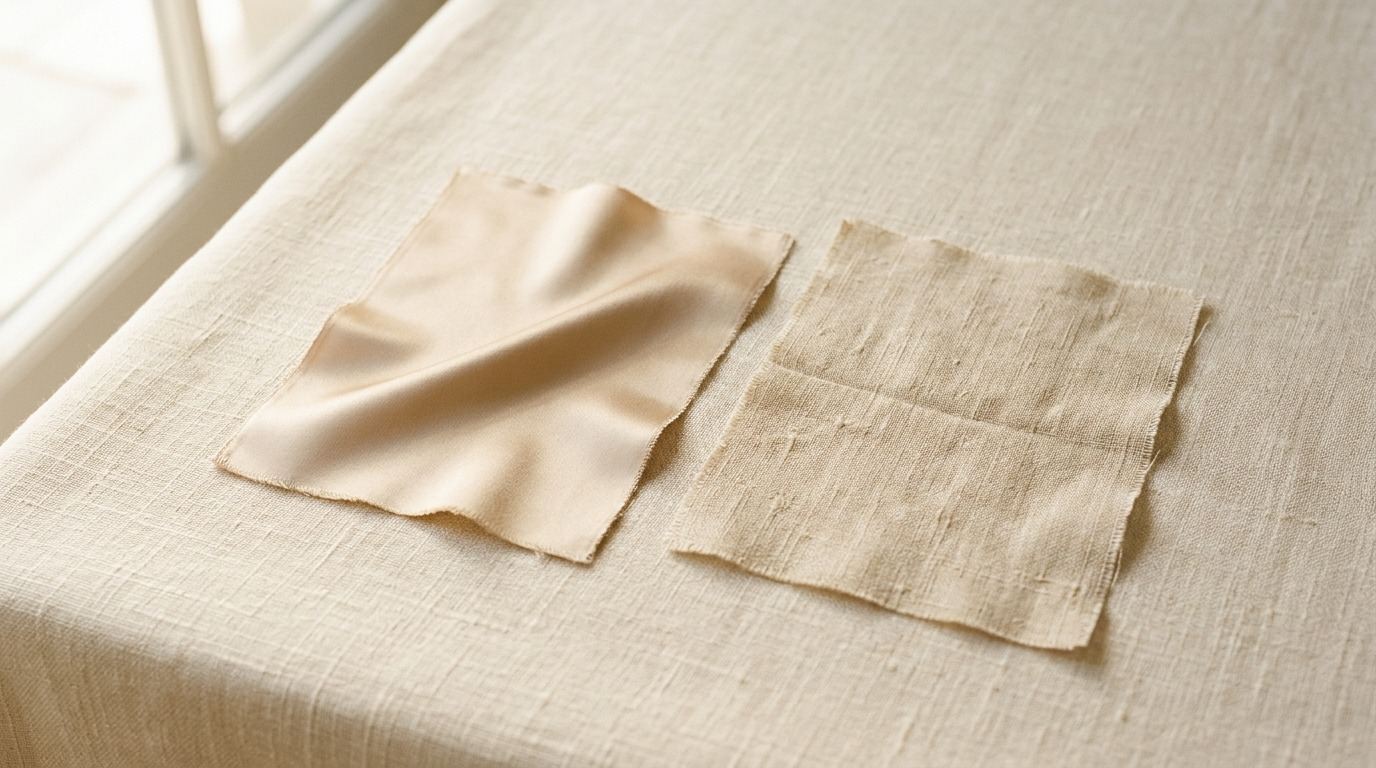
Textured implants have an irregular, slightly rough surface that encourages surrounding tissue to grow into and adhere to the shell. This tissue attachment keeps the implants more firmly positioned. Smooth implants have a slippery surface that allows them to move freely within the breast pocket.
Most of my patients receive smooth implants, but the decision ultimately depends on your individual breast anatomy and aesthetic goals.
When Smooth Breast Implants Work Best
Smooth implants are my preference for most patients because they create more natural-looking results in typical breast anatomy. These implants can move and settle within the breast pocket, allowing for a gradual, attractive shape evolution after surgery.
Younger women typically have a shorter distance between their breast base and nipple. After augmentation, I want this measurement to increase slightly as the implant settles and the breast takes on a rounded, natural shape. Smooth implants allow this beneficial settling process.
The ability to move and descend prevents the upper breast from becoming overly full—a telltale sign of breast augmentation that most patients want to avoid.
When Textured Breast Implants Are Better
Certain anatomical characteristics make textured implants the superior choice. I recommend textured surfaces for women who have:
- A longer distance from breast base to nipple
- Nipples that point slightly upward
- Existing breast ptosis (sagging) that affects implant positioning
For these patients, smooth implants would settle too low, creating an unnatural appearance where the breasts sit lower on the chest than aesthetically ideal. The tissue adherence of textured implants maintains a higher, more youthful breast position.
The Science Behind Surface Texture
Textured implants were initially developed to reduce capsular contracture (when scar tissue hardens around the implant). While this benefit exists, the positioning advantages matter more for most patients.
Smooth implants have a lower rate of certain complications and feel more natural to the touch. They also create less visible rippling in most cases.
Making the Right Choice for Your Goals
During your consultation, I evaluate your current breast shape, skin elasticity, chest wall anatomy, and aesthetic objectives. These factors determine which surface texture will give you the best long-term results.
The implant surface is just one variable in breast augmentation. Size, projection, placement technique, and surgical approach all contribute equally to your outcome. My job is to optimize every element for results that look natural and age gracefully.
Frequently Asked Questions
Do textured implants have higher complication rates?
Certain textured implants have been associated with breast implant-associated anaplastic large cell lymphoma (BIA-ALCL), though this remains extremely rare. I use only FDA-approved implants with proven safety records and discuss all risks during consultation.
Can I feel the difference between smooth and textured implants?
Most patients cannot feel a significant difference between surface textures once healing is complete. The implant placement (above or below the muscle) has a much greater impact on how implants feel.
Do smooth implants move around too much?
Properly sized and positioned smooth implants settle naturally but don't move excessively during normal activities. The controlled settling process is actually beneficial for creating natural breast contours.
The choice between smooth and textured breast implants should be based on your anatomy, not marketing claims or general preferences. During your consultation, we'll determine which surface texture aligns with your goals and gives you the most beautiful, natural-looking results.
Schedule a consultation to discuss which implant options are right for your breast augmentation goals.
Related Procedures
Questions about this procedure? Dr. Schwartz will give you a direct, honest answer at your consultation.
Back to Journal