
In this article
Diastasis recti occurs when your rectus abdominis muscles — your "abs" — separate along the central line of connective tissue called the linea alba. This separation creates a visible bulge in your midsection that makes you look pregnant long after childbirth or weight gain.
While pregnancy is the most common cause, diastasis recti affects men and women who carry excess abdominal weight. The condition can cause back pain, pelvic discomfort, and increase your risk of hernias.
The real question isn't what causes diastasis recti — it's whether surgery can actually fix it.
Can Tummy Tuck Surgery Repair Diastasis Recti?
Abdominoplasty doesn't just tighten skin — it surgically repairs the separated muscle wall. During the procedure, I place permanent sutures to bring the rectus abdominis muscles back together, eliminating the gap that causes the bulge.
This muscle repair is the foundation of the procedure. Once I've reconnected the muscles, I remove excess skin that often becomes more apparent after reducing the abdominal circumference. The result is a flatter, more defined midsection with proper muscle function restored.
Most patients see immediate improvement in the visible bulge, with full results apparent after swelling subsides over several months.
Why Exercise Alone Doesn't Fix Diastasis Recti
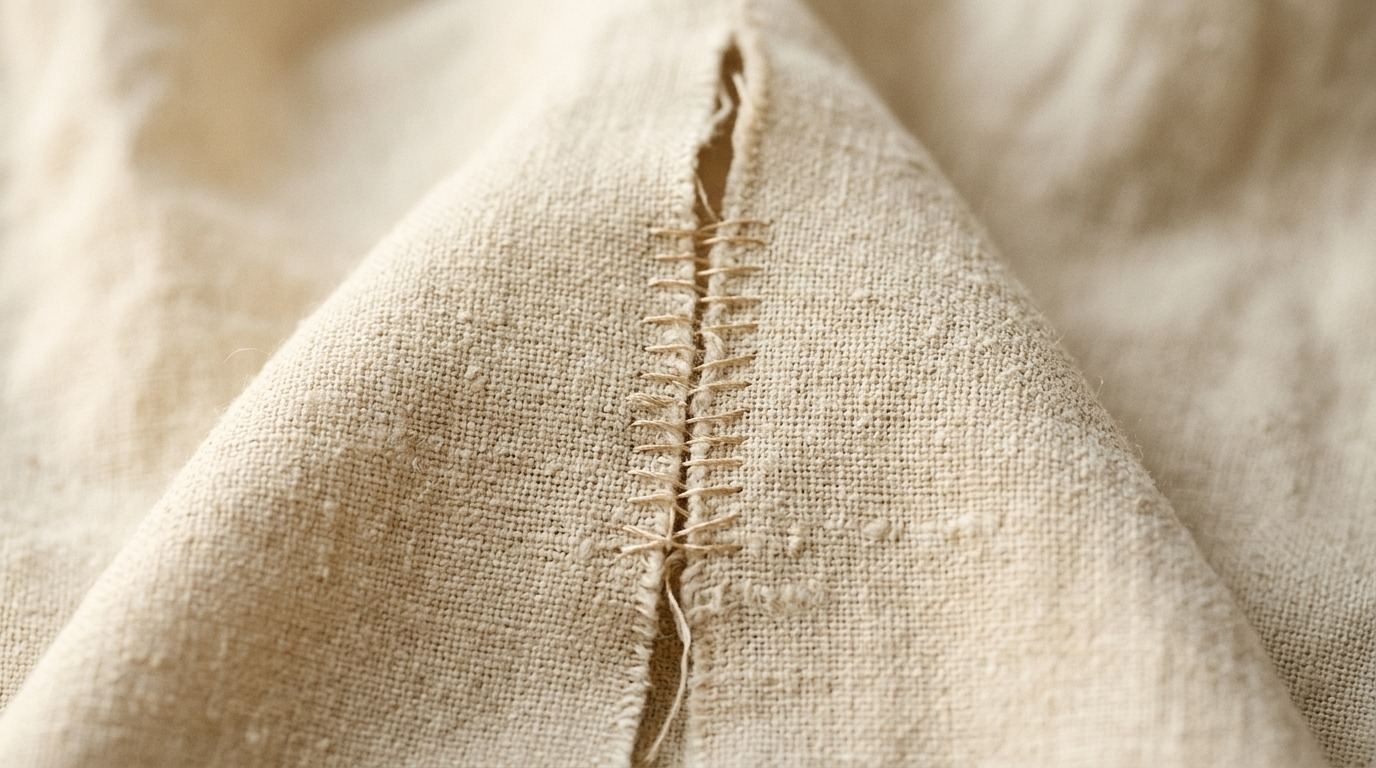
Core strengthening exercises can improve muscle tone and posture, but they cannot close a physical separation between muscle bands. Think of diastasis recti like a torn seam — no amount of strengthening will bring the edges back together.
The connective tissue in the linea alba has been stretched beyond its ability to contract. While some patients with minor separation might see cosmetic improvement through exercise, significant diastasis recti requires surgical intervention to achieve meaningful correction.
I've seen patients spend years on targeted workout programs with minimal improvement, then achieve dramatic results with a single surgical procedure.
Can Diastasis Recti Return After Surgery?
Properly performed muscle repair rarely fails. The permanent sutures I use create a strong foundation that typically maintains long-term results.
However, future pregnancy can re-separate the muscles. If you plan to have more children, it's worth waiting until you're finished having babies before undergoing abdominoplasty.
Significant weight gain can also compromise results by stretching the repaired muscle wall, though the original separation pattern rarely returns exactly.
What Happens If Internal Sutures Tear?
Suture failure is uncommon but not subtle when it occurs. You'll experience sharp pain, visible bulging, or significant bruising at the repair site. This constitutes a surgical emergency requiring immediate evaluation.
During your recovery, avoid lifting anything over 10 pounds for the first six weeks. This restriction protects the internal repair while your tissues heal around the sutures.
Most patients who follow post-operative guidelines experience uncomplicated healing. The temporary lifestyle modifications are worth the permanent improvement in both function and appearance.
For mothers dealing with persistent abdominal separation, abdominoplasty offers the only reliable solution. Exercise has its place in maintaining results, but it cannot substitute for surgical repair of damaged connective tissue.
Frequently Asked Questions
How do I know if I have diastasis recti?
Lie on your back with knees bent, then lift your head slightly while pressing fingers into your abdomen above and below your belly button (navel). If you feel a gap wider than two finger-widths, you likely have diastasis recti that would benefit from surgical evaluation.
Can I combine diastasis recti repair with other procedures?
Absolutely. Many patients combine abdominoplasty with breast procedures as part of a mommy makeover. This approach addresses multiple post-pregnancy changes in a single recovery period.
How long before I can return to exercise after diastasis recti repair?
Light walking begins immediately, but core-intensive exercise must wait 8-10 weeks. I provide specific activity timelines based on your healing progress and the extent of your muscle repair.
If you're tired of looking pregnant years after childbirth, schedule a consultation to discuss whether abdominoplasty can restore your abdominal wall and confidence.
Related Procedures
Questions about this procedure? Dr. Schwartz will give you a direct, honest answer at your consultation.
Back to Journal